
As seasoned travelers and meticulous planners know, understanding local time zones is far more than just a matter of curiosity; it’s a fundamental aspect of navigating any destination, especially one as vast and dynamic as the United States. When considering a trip to the Golden State, a common question often arises: “Is California Central Time?” The straightforward answer is no, California does not observe Central Time. Instead, it proudly resides within the Pacific Time Zone.
This seemingly simple detail has significant implications for everything from booking flights and hotel check-ins to scheduling business meetings and planning visits to iconic landmarks. For those embarking on a journey, whether for leisure, business, or a long-term stay, a clear grasp of California’s chronological reality is paramount for a seamless and enjoyable experience. Let’s delve deeper into the intricacies of California’s time zone, its practical impact on travelers, and how to master the temporal landscape of this diverse and captivating state.
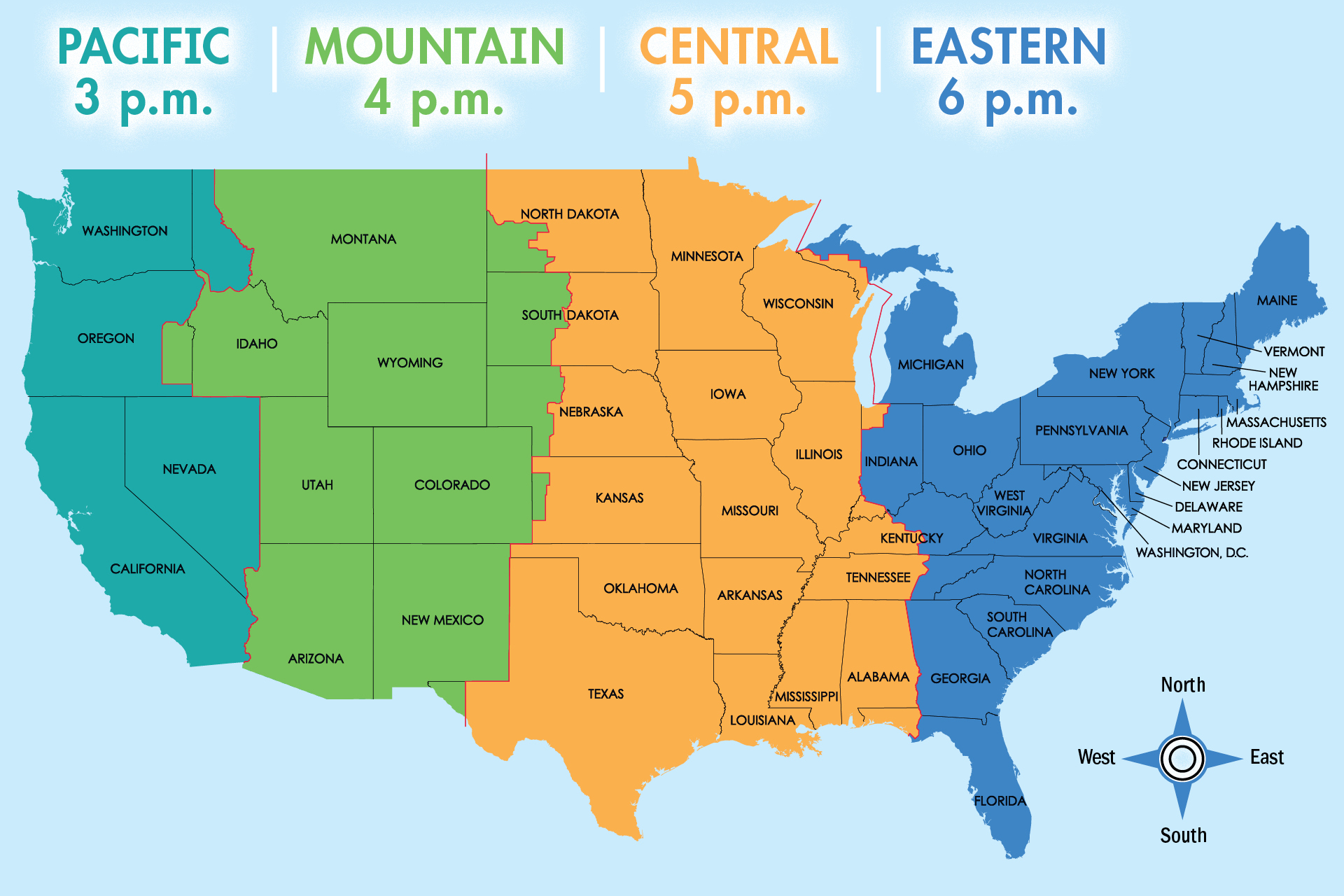
Demystifying US Time Zones: Where Does California Stand?
The United States is a sprawling nation spanning several degrees of longitude, necessitating the implementation of multiple standard time zones to synchronize daily life. These primary zones include the Eastern Time Zone (ET), Central Time Zone (CT), Mountain Time Zone (MT), and Pacific Time Zone (PT). Beyond the contiguous United States, there are also the Alaska Time Zone and Hawaii Standard Time. Each zone is generally one hour apart from its neighbor, moving westward. For instance, if it’s 3:00 PM in New York City (ET), it would be 2:00 PM in Chicago (CT), 1:00 PM in Denver (MT), and 12:00 PM in Los Angeles (PT).
This system, established to streamline railway schedules and commerce in the late 19th century, remains critical for coordinating activities across the country. Understanding these demarcations is the first step in successfully navigating travel logistics, particularly when crossing multiple time zones. For anyone traveling from the east coast of the United States to California, this typically involves a three-hour time difference, while visitors from Central Time cities like Dallas or Chicago will adjust by two hours.
The Pacific Time Zone: California’s Chronological Home
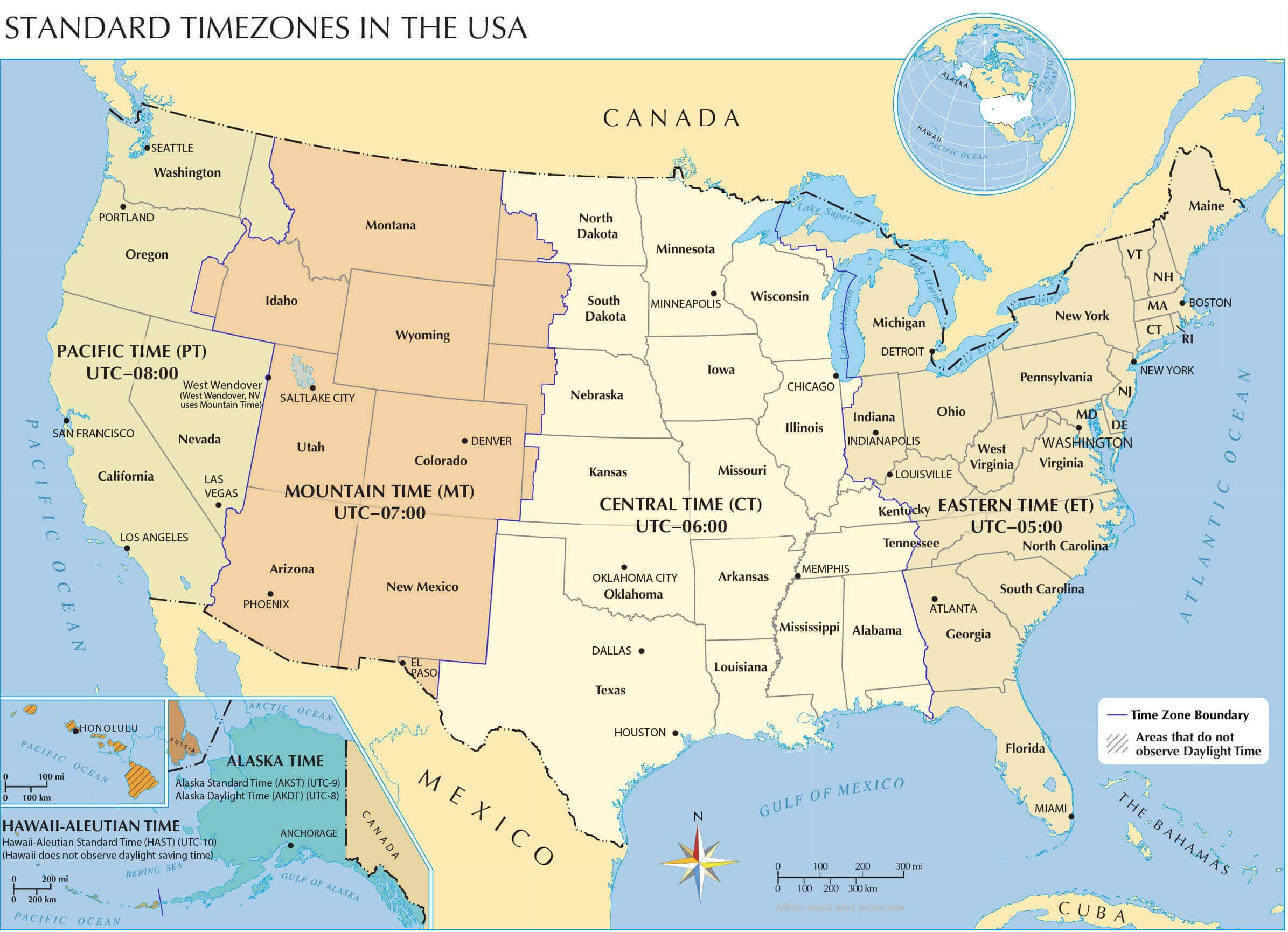
Every city and region within California, from the bustling streets of San Francisco and Los Angeles to the serene vineyards of Napa Valley and the desert landscapes of Palm Springs, operates under the Pacific Time Zone. This zone also encompasses the entire states of Washington and Oregon, the majority of Nevada, and parts of Idaho.
During the standard time period, which runs from early November to mid-March, California observes Pacific Standard Time (PST), which is UTC-8 (Coordinated Universal Time minus eight hours). When Daylight Saving Time is in effect, from mid-March to early November, the state switches to Pacific Daylight Time (PDT), which is UTC-7. This distinction, though subtle, is crucial for coordinating schedules and ensuring punctuality, especially for those visiting during the spring and summer months when many attractions extend their operating hours.
Understanding Daylight Saving Time in the Golden State
Daylight Saving Time (DST) is a practice observed in most parts of the United States, including California. It involves advancing clocks by one hour during warmer months so that evening daylight lasts longer, and then returning to standard time in the autumn. For California, this means springing forward from PST to PDT on the second Sunday in March and falling back from PDT to PST on the first Sunday in November.
While the exact dates can shift slightly year by year, the impact for travelers is consistent: clocks will change, and awareness of this shift is vital. Imagine planning a morning tour to Alcatraz Island or a sunset dinner reservation overlooking the Golden Gate Bridge on a day when the clocks change. Missing an hour could mean missing your prepaid activity or being late for a crucial meeting. Furthermore, some regions within the United States do not observe Daylight Saving Time, such as most of Arizona, which maintains Mountain Standard Time year-round. This can create temporary discrepancies, making cross-country communication even more complex. Always double-check local times, especially if your travel dates coincide with the DST transitions.
The Traveler’s Time Zone Toolkit: Why It Matters for Your California Adventure
For any traveler, whether venturing to California for its sun-kissed beaches, vibrant cities, or stunning national parks, understanding the local time zone is far more than an academic exercise. It’s a practical necessity that influences almost every aspect of your journey, from the moment you book your flight to your daily activities and interactions. A slight oversight can lead to missed connections, forfeited reservations, and unnecessary stress.
Travel platforms and booking sites typically display times in the local time zone of the origin or destination, but clarity is always key. Confirming which time zone is being referenced for critical details like flight departure and arrival times, hotel check-in/check-out, and tour start times can prevent common travel pitfalls. Beyond logistics, the physiological impact of time zone changes, particularly for those arriving from distant lands or across multiple time zones within the United States, can significantly affect your initial days in California.
Planning Flights and Itineraries Across Continents and Zones
When flying into California, especially from the Eastern Time Zone or internationally, the time difference can be substantial. A flight departing New York City at 9:00 AM ET might arrive in Los Angeles at 12:00 PM PT, even after a five to six-hour flight. This “gain” of hours can be disorienting. Conversely, returning eastward involves “losing” hours, making a morning flight feel like a late-night arrival back home.
When crafting your itinerary, consider these time shifts. Schedule less demanding activities for your arrival day, allowing time for rest and adjustment. If you have connecting flights, ensure you have ample layover time, factoring in any potential delays and the time difference between airports, especially if they are in different time zones. Moreover, for business travelers, coordinating virtual meetings with colleagues in different time zones requires precise calculations to avoid scheduling conflicts or waking someone up in the middle of the night. Tools like world clock apps and online time zone converters are indispensable for seamless planning.
Hotel Stays, Check-ins, and Local Engagements
Hotel check-in and check-out times are always based on local time. Arriving at your hotel in San Diego expecting to check in at 3:00 PM local time, only to realize your body clock thinks it’s 6:00 PM, can be frustrating if you haven’t accounted for the time change. Similarly, early morning departures might feel even earlier if your body is still on an Eastern Time Zone schedule.
For short-term stays, coordinating with hotels for early check-ins or late check-outs, especially when dealing with jet lag, can be a lifesaver. Many hotels, from luxury resorts to budget-friendly accommodations, are often accommodating, though this might depend on availability and incur an extra fee. When booking tours, restaurant reservations, or tickets to attractions like Disneyland Park or Universal Studios Hollywood, always confirm the start times in Pacific Time. Nothing dampens a travel experience more than missing a coveted slot because of a time zone mix-up. For long-term stays, especially for digital nomads or those on business, establishing a routine quickly based on local time is key to productivity and well-being.

Mitigating Jet Lag: A Traveler’s Essential
Jet lag is the physiological disruption caused by rapid travel across multiple time zones, leading to symptoms like fatigue, insomnia, headaches, and digestive issues. Since California is on the western edge of the contiguous United States, travelers from the east will experience a “phase delay” (their body clock is ahead of the local time), while those arriving from Asia will experience a “phase advance” (their body clock is behind the local time).
To minimize the effects of jet lag:
- Adjust gradually: A few days before your trip, try to shift your sleep schedule closer to California time.
- Hydrate: Drink plenty of water before, during, and after your flight.
- Avoid excessive caffeine and alcohol: These can exacerbate jet lag symptoms.
- Embrace natural light: Upon arrival, expose yourself to sunlight to help reset your circadian rhythm.
- Stay active: Gentle exercise can help alleviate fatigue.
- Sleep smart: Try to go to bed and wake up at local times, even if you don’t feel tired. Consider using sleep aids sparingly if absolutely necessary for the first night or two.
- Book comfortable accommodation: A good night’s sleep in a well-appointed hotel or suite is crucial for recovery.
Navigating California’s Iconic Destinations by the Clock
California’s diverse landscape offers an unparalleled array of destinations, each with its unique rhythm and offerings. From the bustling metropolises to serene natural wonders, every experience is framed by the local time. Understanding this temporal context allows for more efficient planning, prevents missed opportunities, and enhances your overall enjoyment of the state’s vibrant culture and attractions.
Whether you’re exploring the historic Gaslamp Quarter in San Diego, strolling through the glamorous streets of Hollywood, or marveling at the giant sequoias in Yosemite National Park, all these experiences unfold within the Pacific Time Zone.
From San Francisco to San Diego: Time-Sensitive Experiences
In northern California, San Francisco is a city teeming with iconic landmarks and activities. Tours to Alcatraz Island are notoriously time-sensitive and often booked months in advance. Missing your ferry departure due to a time zone mix-up means forfeiting your ticket. Similarly, cable car rides, visits to Pier 39, and reservations at renowned San Francisco restaurants all operate strictly on Pacific Time. For those exploring the tech hub of Silicon Valley nearby, business meetings and conference calls will also adhere to PST/PDT.
Moving down the coast, Big Sur offers breathtaking coastal drives and hiking trails, where sunlight hours dictate the best times for photography and exploration. Further south, San Diego boasts pristine beaches, the world-famous San Diego Zoo, and a vibrant downtown. Opening hours for attractions like the zoo, museum complexes in Balboa Park, and evening events in the Gaslamp Quarter are all set to local Pacific Time. For instance, a romantic sunset cruise from San Diego’s harbor will have a precise departure time that depends on the seasonal sunset, making punctuality crucial.
Business and Leisure: The Los Angeles Time Equation
Los Angeles, the entertainment capital of the world and a major economic hub, presents a unique set of time-sensitive considerations for both leisure and business travelers. Theme parks like Disneyland Park in Anaheim and Universal Studios Hollywood have strict operating hours, with gates opening early and closing late, especially during peak seasons. Understanding the local time helps maximize your day, allowing you to plan which rides to prioritize and when to catch parades or shows.
For business travelers, Los Angeles is a nexus for various industries, from film and technology to international trade. Coordinating meetings with partners in New York City (three hours ahead) or overseas requires careful planning. A 9:00 AM meeting in Los Angeles would be 12:00 PM in New York and potentially late afternoon or evening in European cities. Effective communication and the use of scheduling tools that account for time zones are indispensable for seamless professional interactions. Similarly, accessing services at your accommodation, whether it’s a spa treatment at a Beverly Hills hotel or room service at your downtown Los Angeles suite, will always be governed by Pacific Time.
Even seemingly casual activities, like catching a performance at the Hollywood Bowl or enjoying the sunset at Santa Monica Pier, benefit from a clear understanding of the local clock. Public transportation schedules, from the Metro Rail to local buses, also strictly adhere to PST/PDT, making it vital for budget travelers relying on public transit.
Beyond the Clock: Maximizing Your California Experience
While understanding that California is in the Pacific Time Zone is a foundational piece of knowledge, truly maximizing your travel experience involves more than just knowing what time it is. It’s about adapting to the local rhythm, optimizing communication, and embracing the nuances that arise from time differences. Whether you’re on a luxury retreat in Napa Valley, a family adventure to Disneyland, or a business trip to Sacramento, these considerations can transform a good trip into an exceptional one.
Long-term stays, in particular, demand a complete recalibration of your internal clock and external schedules. For digital nomads working remotely, establishing a routine that aligns with local working hours while still being able to connect with teams in different time zones requires discipline and strategic planning. This also extends to booking amenities at your apartment or villa, coordinating with local service providers, or simply enjoying the local culture’s daily flow.
Communication and Coordination Across Time Gaps
Effective communication is the cornerstone of any successful trip, and time zones introduce an additional layer of complexity. When checking in with family, friends, or colleagues back home, remember the time difference. A casual evening call for you in Los Angeles at 8:00 PM PDT would be 11:00 PM EDT in New York, potentially waking someone up. Using communication apps that display recipient’s local time can be incredibly helpful.
For business travel, pre-arranging communication windows is crucial. Establish specific times that work for both parties, accounting for the Pacific Time Zone difference. This proactive approach minimizes disruptions and ensures productivity. Even for simple matters like confirming a car rental pickup or a restaurant reservation, being mindful of the local time zone when making calls or sending messages can prevent confusion and foster smooth interactions.
Embracing the Local Rhythm
Ultimately, a trip to California is about immersing yourself in the destination. Part of that immersion is adapting to its chronological flow. Rise with the Pacific sun, experience the morning calm, dive into activities during the day, and embrace the vibrant evenings, all on local time. This allows you to truly sync with the destination, making your experiences more authentic and enjoyable.
Whether you’re visiting the stunning vistas of Death Valley National Park, exploring the culinary delights of San Francisco’s Ferry Building, or unwinding at a luxurious resort in Palm Springs, letting go of your home time zone and embracing Pacific Time will enhance your ability to connect with the local culture and make the most of every moment. So, set your watch, calibrate your internal clock, and prepare to experience California in its glorious, on-time, Pacific Time Zone splendor.
LifeOutOfTheBox is a participant in the Amazon Services LLC Associates Program, an affiliate advertising program designed to provide a means for sites to earn advertising fees by advertising and linking to Amazon.com. Amazon, the Amazon logo, AmazonSupply, and the AmazonSupply logo are trademarks of Amazon.com, Inc. or its affiliates. As an Amazon Associate we earn affiliate commissions from qualifying purchases.