
The allure of California is undeniable. From the sun-kissed beaches of Southern California to the majestic redwoods of the north, and the vibrant cities nestled in between, the Golden State beckons millions of travelers annually. However, in recent years, conversations about travel to California have often been shadowed by the specter of wildfires. As seasons change and news cycles ebb and flow, a pressing question remains for those dreaming of a California escape: is the fire danger over?
The short answer is nuanced, much like the diverse landscape of California itself. Wildfires are a natural, albeit increasingly severe, part of the state’s ecosystem. While the most intense and widespread fire seasons typically wind down with the arrival of winter rains, the risk never truly disappears. For travelers, understanding this ongoing reality is key to planning a responsible, safe, and ultimately unforgettable trip. This article delves into the current situation, its impact on the travel and tourism industry, and how you can confidently plan your next California adventure, supporting local communities along the way.
Understanding California’s Fire Landscape and Its Rhythms
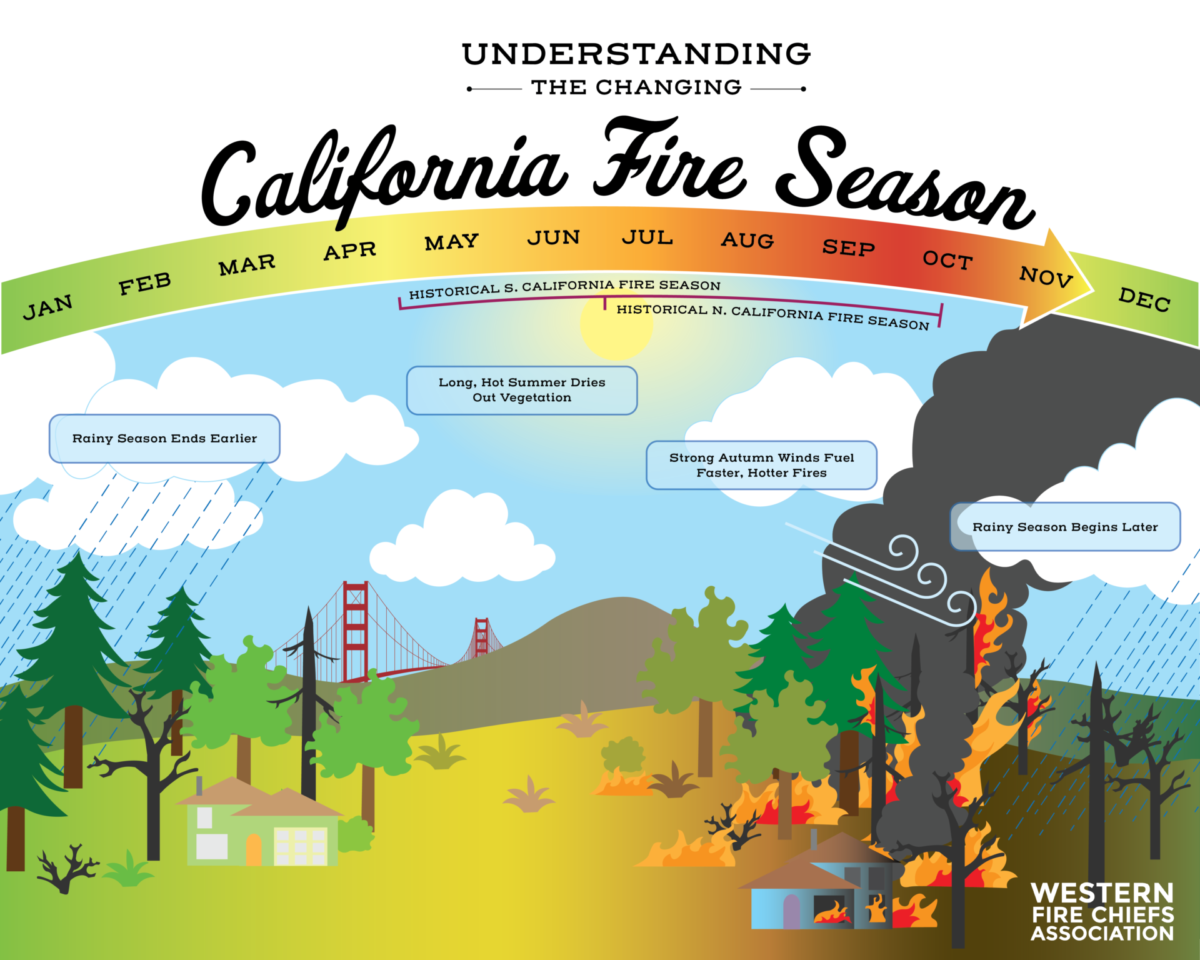
To appreciate the current status, it’s essential to understand the rhythms of California’s fire seasons. Historically, the state experiences peak wildfire activity during late summer and fall, primarily driven by dry vegetation, high temperatures, and strong winds like the notorious Santa Ana winds in the south or Diablo winds in the north. However, climate change has exacerbated these conditions, leading to longer, more intense fire seasons and fires that can ignite almost any time of year.
The geography of California plays a significant role. Vast areas of national forests, state parks, and remote wilderness areas are naturally prone to fires. Regions such as Napa Valley and Sonoma County in the wine country, parts of the Sierra Nevada near Yosemite National Park and Lake Tahoe, and the chaparral-covered hillsides of Southern California around Malibu and Santa Barbara have all faced significant fire challenges. These are not just remote areas; many of these locations are also prime tourist destinations, rich with luxury resorts, boutique hotels, and unique attractions.
For travelers, the critical takeaway is that “fire season” is less a singular event and more a prolonged period of elevated risk. However, fire activity is highly localized. A fire burning in one part of the state rarely affects the entire state’s travel experience. Most of California’s iconic destinations and accommodations remain untouched and fully operational, even during periods of elevated fire risk elsewhere.

The Resilience of California’s Destinations and Hospitality
One of the most remarkable aspects of California has been the resilience of its communities and the hospitality industry. Following devastating fires, there’s often an incredible outpouring of local support and rapid rebuilding efforts. Hotels, resorts, and local businesses are often among the first to reopen their doors, eager to welcome back visitors and restore normalcy.
Consider regions like Napa Valley and Sonoma County. While they have faced significant challenges, their vineyards, wineries, and luxurious Napa Valley hotels like The Meritage Resort and Spa or MacArthur Place Inn & Spa have shown incredible fortitude. They’ve not only recovered but often innovated, offering new experiences and showcasing the strength of their local culture. Similarly, coastal gems such as Monterey and Santa Cruz, while sometimes experiencing smoke impacts from inland fires, rarely face direct threats to their core attractions and waterfront accommodations.
The Ripple Effect on California Tourism and Accommodation
Wildfires undoubtedly cast a shadow on tourism. Concerns about safety, air quality, and the destruction of natural beauty can deter travelers. This ripple effect can lead to a significant economic downturn for communities that rely heavily on tourism, impacting everything from hotel occupancy rates to local restaurant business and attraction revenues.
However, the impact is almost always localized and temporary. Major metropolitan areas like San Francisco, Los Angeles, and San Diego are vast and generally buffered from direct fire impacts, though they might experience periods of smoky skies depending on wind patterns. Iconic urban attractions such as the Golden Gate Bridge, Disneyland Park, and Universal Studios Hollywood continue to operate as usual, offering the world-class experiences travelers expect.
Finding the Right Accommodation: Safety and Comfort First
For those planning a trip, safety and comfort are paramount when considering accommodation. Major hotel chains like Hilton, Marriott, and Hyatt often have robust safety protocols and contingency plans in place. Independent boutique hotels and luxury resorts are also highly attuned to local conditions.
When booking, it’s advisable to:
- Check Local Conditions: Regularly consult official sources like Cal Fire (California Department of Forestry and Fire Protection) or local county emergency services websites for real-time fire and air quality updates for your specific destination.
- Contact Your Accommodation Directly: Hotels and resorts are your best source for hyper-local information. Ask about their current operational status, any local advisories, and their cancellation policies in case of unforeseen events. Many properties, like The Ritz-Carlton, Laguna Niguel or Post Ranch Inn in Big Sur, are vigilant about guest safety and communication.
- Consider Travel Insurance: Especially during traditional fire season months, travel insurance can offer peace of mind, covering unforeseen disruptions or cancellations due to natural disasters.
- Explore Unaffected Regions: Many parts of California are rarely, if ever, directly impacted by fires. Think of the urban delights of San Francisco, the coastal charm of San Diego, the desert landscapes of Palm Springs, or the towering forests of Redwood National Park far to the north. These areas offer incredible experiences without the associated fire concerns.
Traveling Responsibly and Supporting Recovery
One of the most impactful ways travelers can address the question “Is California fire over?” is by actively participating in its recovery. When you visit California, especially regions that have experienced fires, you contribute directly to the economic vitality needed for communities to rebuild and thrive.
Responsible tourism in the context of wildfires means being informed, flexible, and supportive. It’s about choosing to visit when and where it’s safe, and spending your travel dollars in ways that benefit the local economy.
Ecotourism, Volunteer Opportunities, and Local Engagement
Beyond simply visiting, there are opportunities for deeper engagement. Ecotourism initiatives often focus on conservation and restoration. While direct volunteer efforts might be seasonal and require specific skills, organizations often welcome donations or support for their long-term recovery efforts. For instance, in areas like Big Sur or parts of the Sierra Nevada, environmental groups work tirelessly to restore burned landscapes, and visitors can learn about these efforts, perhaps even participating in guided nature walks that highlight conservation.
Supporting local businesses is perhaps the most direct way to help. Dine at local restaurants, shop at independent boutiques, visit small wineries or craft breweries. When you stay at a local inn, like a charming bed and breakfast in Carmel-by-the-Sea or a family-run hotel in Solvang, your money directly benefits the people who live and work there.
For lifestyle travelers, this could mean choosing a “voluntourism” experience, where part of your trip is dedicated to a meaningful cause, or simply being mindful of your carbon footprint and supporting businesses committed to sustainable practices. Even luxury travel can be responsible travel, by choosing resorts that actively contribute to local conservation or community support initiatives.
Planning Your California Escape: What to Expect Now
So, is the fire danger truly over? Not entirely, but for the vast majority of the year and the vast majority of the state, California remains an incredible, safe, and welcoming travel destination. The narrative should shift from “is it over?” to “how can I safely and responsibly enjoy California?”
Beyond the Burn Zones: Unaffected Gems and Ever-Present Wonders
It’s crucial to remember that California is an immense state. Many of its most celebrated landmarks and attractions are far removed from typical fire corridors or are urban environments with robust fire protection.
- Coastal Charms: The entire California coastline, from the dramatic cliffs of Highway 1 through Big Sur to the sandy shores of San Diego, offers breathtaking beauty largely untouched by recent fires. Resorts like Terranea Resort in Rancho Palos Verdes or Hotel del Coronado in Coronado offer pristine experiences.
- Urban Adventures: San Francisco with its iconic Alcatraz Island and Fisherman’s Wharf, Los Angeles with Hollywood and Beverly Hills, and San Diego with its Balboa Park and world-famous zoo, are vibrant and perpetually popular.
- Desert Escapes: The stark beauty of Death Valley National Park or the unique landscapes of Joshua Tree National Park in California’s desert regions offer entirely different, typically fire-free experiences, especially appealing in cooler months.
- Mountain Majesties (with caveats): While parts of the Sierra Nevada have seen fires, much of Yosemite National Park and the areas around Lake Tahoe are vast and beautiful, with specific areas opening and closing based on very localized conditions. Always check park websites for the latest updates.
The key to a successful California trip is staying informed and being flexible. California tourism boards and local businesses are proactive in providing up-to-date information to ensure travelers have a safe and enjoyable experience. Whether you’re seeking a luxury resort getaway, a budget-friendly road trip, a family adventure, or a business stay, California continues to offer unparalleled opportunities.
In conclusion, while the threat of wildfires is an ongoing consideration for California, it should not deter you from exploring its incredible diversity. By being informed, choosing your destinations wisely, and supporting local communities, you can experience the best of the Golden State and contribute to its enduring resilience. So, pack your bags, prepare for adventure, and come discover that the spirit of California is burning brighter than ever.