
One of the most common questions travelers, especially those planning their first trip across the United States or from international destinations, often ask is about time zones. The vast expanse of the United States naturally necessitates multiple time zones to align daily activities with the sun’s position. So, let’s cut straight to the chase: No, California is not in the Eastern Time Zone. The Golden State operates on the Pacific Time Zone (PT), which is three hours behind the Eastern Time Zone (ET).
This seemingly simple fact has significant implications for travel planning, communication, and experiencing California’s myriad attractions. From coordinating flights and hotel check-ins to managing business calls or simply calling loved ones back home, understanding this time difference is crucial for a smooth and enjoyable journey. This article will delve into the nuances of US time zones, provide essential tips for navigating time differences when visiting California, and highlight why this vibrant state remains a top-tier destination for every kind of traveler, offering insights into its unparalleled landmarks, diverse accommodations, and rich lifestyle experiences.
Understanding Time Zones Across the United States
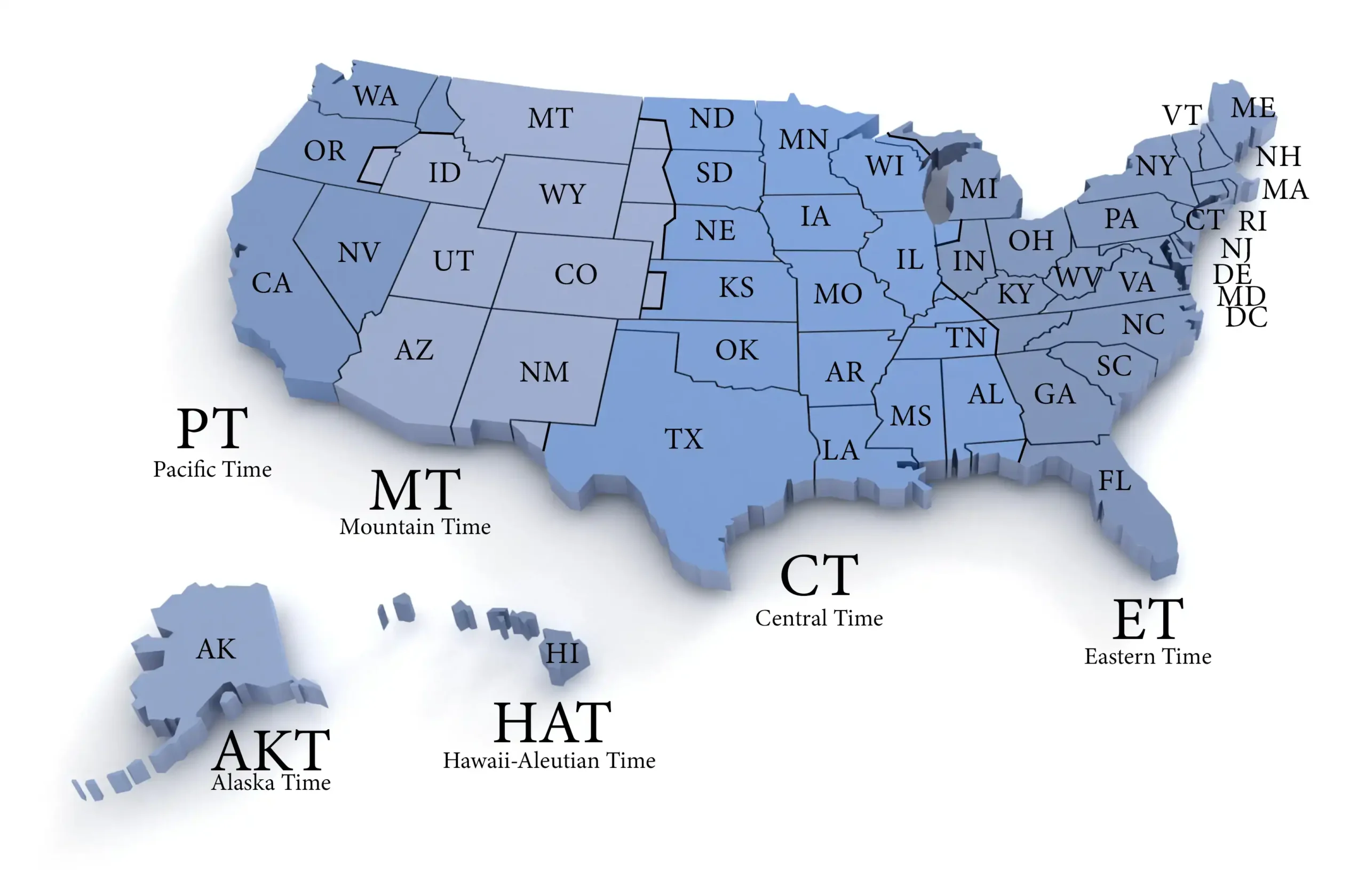
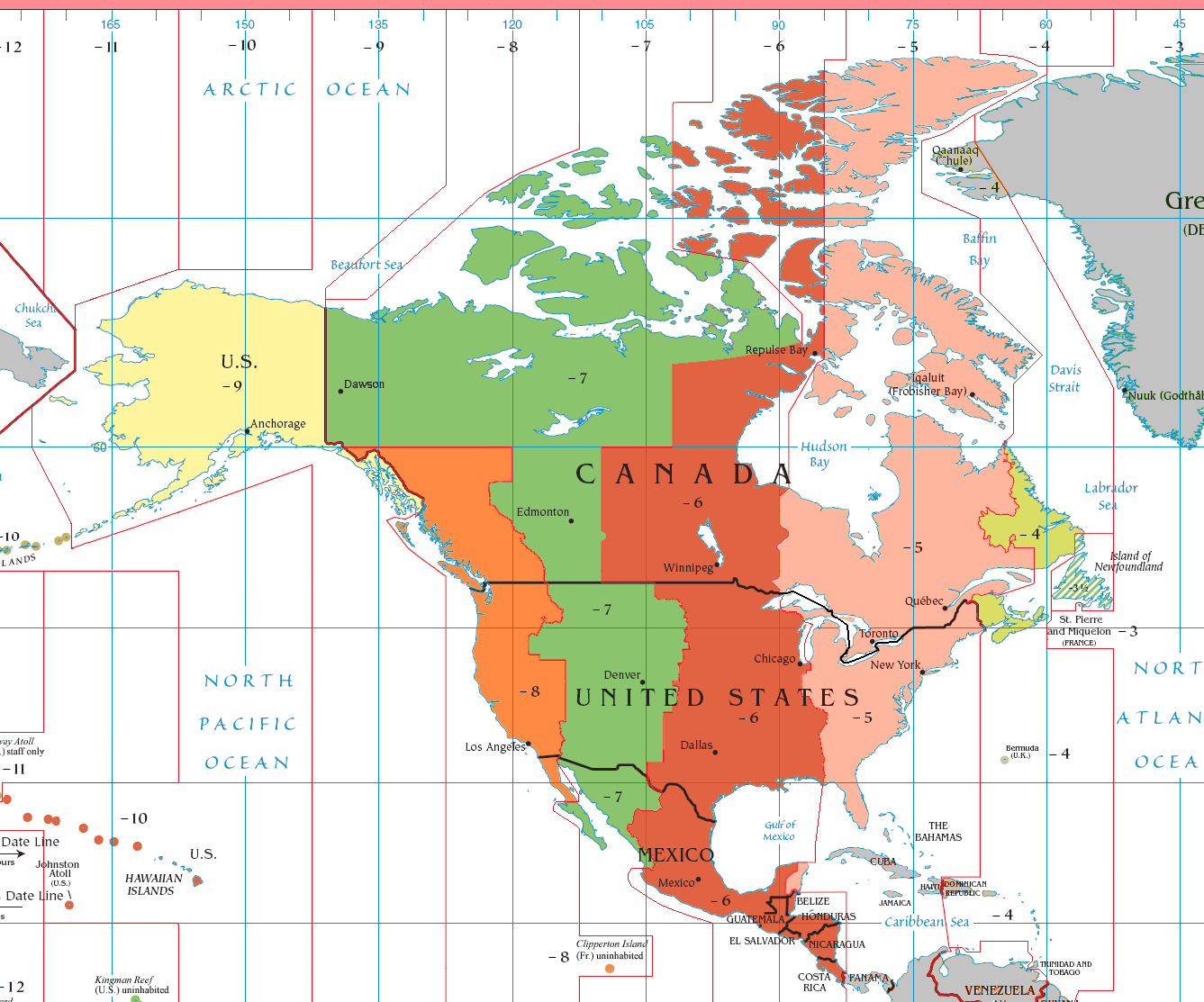
The United States spans a significant longitudinal range, leading to a system of multiple official time zones to standardize timekeeping. These zones ensure that noon generally occurs when the sun is highest in the sky locally, making daily schedules practical across the nation.
The Four Contiguous US Time Zones
The contiguous (mainland) United States is divided into four primary time zones:
- Eastern Time Zone (ET): This is the easternmost zone, covering roughly 17 states along the Atlantic coast and inland. Major cities like New York City, Miami, and Atlanta fall within ET. It is typically observed as Eastern Standard Time (EST) during standard time and Eastern Daylight Time (EDT) during Daylight Saving Time.
- Central Time Zone (CT): Located west of the Eastern Time Zone, the Central Time Zone is one hour behind ET. States like Illinois, Texas, and Louisiana operate on CT. It observes Central Standard Time (CST) and Central Daylight Time (CDT).
- Mountain Time Zone (MT): Further west, the Mountain Time Zone is one hour behind CT and two hours behind ET. States such as Colorado, Utah, and Arizona (mostly) are in MT. It observes Mountain Standard Time (MST) and Mountain Daylight Time (MDT). Notably, most of Arizona does not observe Daylight Saving Time, remaining on MST year-round.
- Pacific Time Zone (PT): This is the westernmost of the contiguous US time zones, covering states along the Pacific coast. California, Oregon, Washington, and Nevada all fall within PT. It is three hours behind ET, two hours behind CT, and one hour behind MT. It observes Pacific Standard Time (PST) and Pacific Daylight Time (PDT).
Beyond the contiguous United States, Alaska has its own Alaska Time Zone, and Hawaii observes Hawaii Standard Time (HST), which does not observe Daylight Saving Time. These additional zones further highlight the complexities of time management across the entire nation.
Daylight Saving Time in California
Like most states in the United States (with the exceptions of Arizona and Hawaii), California observes Daylight Saving Time. This means that on the second Sunday in March, clocks “spring forward” by one hour, shifting from Pacific Standard Time (PST) to Pacific Daylight Time (PDT). On the first Sunday in November, they “fall back” one hour, returning to PST.
For travelers, this annual shift is an important consideration, especially if your trip spans these dates. It can affect flight times, hotel bookings, and any pre-arranged tours or appointments. Always confirm the local time and any upcoming Daylight Saving Time changes to avoid confusion and ensure your itinerary remains accurate.
Navigating Time Differences: Essential Tips for California Travelers
Traveling to a different time zone, especially one as far removed as PT from ET, or even further from international zones like Greenwich Mean Time (GMT) or those in Europe, Asia, or Australia, can present challenges. However, with a few strategic tips, you can minimize disruption and maximize your enjoyment of California’s vibrant offerings.
Beating Jet Lag When Visiting California
Jet lag is a common affliction for travelers crossing multiple time zones, manifesting as fatigue, disorientation, and disrupted sleep patterns. When traveling to California from the east or overseas, you’ll be traveling west, meaning your body clock will need to adjust to an earlier time.
- Pre-adjust: A few days before your trip, try to shift your sleep schedule by an hour or two in the direction of your destination. For California, this means going to bed and waking up earlier.
- Stay hydrated: Dehydration can exacerbate jet lag symptoms. Drink plenty of water before, during, and after your flight. Avoid excessive alcohol and caffeine, which can disrupt sleep.
- Embrace sunlight: Upon arrival, expose yourself to natural light, especially in the morning. Sunlight helps reset your body’s circadian rhythm. Spend time outdoors and resist the urge to nap excessively during the day.
- Adjust immediately: Set your watch to Pacific Time as soon as you board your flight. Try to eat and sleep according to your new time zone.
- Plan for relaxation: Don’t schedule demanding activities for your first day. Allow yourself some downtime to acclimatize. Many resorts and hotels in California offer amenities like spas and wellness programs that can aid recovery from jet lag.
Planning Your California Itinerary from Afar

Effective planning is key when dealing with time zone differences. This is particularly true for booking accommodations, tours, and coordinating activities across your California adventure.
- Booking flights and hotels: When booking flights, pay close attention to arrival and departure times in local time. For hotel check-ins, be mindful of the standard check-in hours and how they align with your arrival. If you’re arriving early, consider contacting your accommodation to arrange an early check-in or luggage storage. Many luxury hotels in Los Angeles or San Francisco, such as the Hyatt Regency San Francisco or The Ritz-Carlton, Laguna Niguel, are accustomed to international travelers and offer flexible services.
- Tour and attraction timings: Popular attractions like Disneyland Park in Anaheim, Universal Studios Hollywood, or Alcatraz Island tours in San Francisco often have specific operating hours and booking windows. Double-check these times in PT to avoid missing out. For destinations like Napa Valley for wine tasting or Lake Tahoe for outdoor activities, timing can impact availability and your overall experience.
- Transportation: Whether you’re renting a car, using ride-shares, or relying on public transport, factor in potential delays and the time difference for pick-ups or scheduled services.
Communication Across Time Zones
For business travelers, remote workers, or those simply wishing to stay in touch with family and friends, managing communication across time zones requires careful consideration.
- Utilize time zone converters: Numerous online tools and smartphone apps can help you easily convert times between California and your home location. This is invaluable for scheduling calls, virtual meetings, or simply knowing when it’s appropriate to send a message.
- Establish communication windows: If you need to regularly communicate with people in other time zones, agree on specific “overlap” windows when both parties are typically awake and available. For example, if you’re in California (PT) and your colleagues are in New York (ET), an early afternoon call for you would be late afternoon/evening for them.
- Be considerate: Always remember the time difference before making an unscheduled call. A quick text asking “Is this a good time to call?” can save you from waking someone up in the middle of the night.
Beyond the Clock: Experiencing California’s Diverse Attractions
While understanding time zones is a practical necessity, it’s merely a precursor to the incredible experiences that await in California. The state is a global tourism powerhouse, renowned for its diverse landscapes, iconic landmarks, vibrant cities, and a lifestyle that encapsulates everything from relaxed beach vibes to sophisticated urban luxury.
Iconic Landmarks and Natural Wonders
California’s geography is as varied as it is breathtaking, offering everything from sun-drenched beaches to snow-capped mountains and dramatic deserts.
- Urban Icons: In San Francisco, the majestic Golden Gate Bridge stands as a testament to human ingenuity and a world-famous symbol. Los Angeles boasts the quintessential Hollywood Sign, the glamorous streets of Beverly Hills, and the vibrant Santa Monica Pier with its Ferris wheel overlooking the Pacific Ocean.
- Natural Sanctuaries: For nature lovers, Yosemite National Park offers towering granite cliffs, ancient sequoia groves, and stunning waterfalls. The dramatic coastline of Big Sur provides some of the most scenic drives in the world, while the deserts of Joshua Tree National Park present a stark, otherworldly beauty. Further north, the pristine waters and alpine scenery of Lake Tahoe are perfect for both summer and winter adventures.
- Theme Park Magic: For family fun, Disneyland Park in Anaheim continues to be a timeless destination, bringing fantasy to life for millions of visitors each year.
Culinary Journeys and Lifestyle Experiences
California is a trendsetter in lifestyle and cuisine, offering experiences that cater to every taste and preference.
- Gastronomic Adventures: The state is a culinary melting pot, known for its emphasis on fresh, local ingredients. From the fine dining establishments in San Francisco and Los Angeles to the casual yet innovative eateries in San Diego, there’s an endless array of flavors to explore. Napa Valley and Sonoma County are world-renowned for their vineyards and exceptional wine tasting experiences.
- Wellness and Relaxation: California’s laid-back yet health-conscious lifestyle has fostered a thriving wellness industry. Visitors can indulge in luxurious spa treatments, participate in yoga retreats along the coast, or simply enjoy the calming influence of the Pacific Ocean at one of its many beautiful beaches.
- Arts and Culture: The state is a hub for arts, entertainment, and innovation. Explore the vibrant art scene in Los Angeles’s galleries, catch a Broadway-caliber show in San Francisco, or delve into the historical missions that dot the landscape, showcasing its rich past. From the tech innovation of Silicon Valley to the surf culture of Southern California, the state offers a dynamic tapestry of experiences.
Choosing Your Ideal Accommodation
California’s accommodation options are as diverse as its landscapes, ranging from opulent luxury hotels to charming boutique hotels, cozy bed and breakfasts, and practical vacation rentals.
- Luxury Stays: For an indulgent experience, Beverly Hills in Los Angeles is home to world-class hotels like The Beverly Wilshire, A Four Seasons Hotel or The Peninsula Beverly Hills, offering unparalleled service and amenities. Along the coast, resorts like The Ritz-Carlton, Laguna Niguel provide stunning ocean views and exclusive experiences.
- Boutique and Unique: San Francisco is known for its stylish boutique hotels that reflect the city’s unique charm, while areas like Napa Valley offer intimate vineyard hotels for an immersive wine country experience.
- Nature Retreats: If you’re exploring Yosemite National Park or the Sierra Nevada, consider staying in rustic cabins or lodges that blend seamlessly with the natural environment, providing both comfort and an authentic outdoor experience.
- Family-Friendly Options: Many areas, particularly around Anaheim and San Diego, offer a wide array of family-friendly hotels and vacation rentals equipped with amenities suitable for all ages.
Regardless of your preference, booking in advance, especially during peak seasons, is always recommended to secure your ideal stay.
In conclusion, while California may not be in the Eastern Time Zone, its position in the Pacific Time Zone is a small detail in the grand scheme of an unforgettable travel experience. With careful planning and an understanding of how to manage time differences, you can fully immerse yourself in the wonders of the Golden State. From its world-famous cities and natural marvels to its exquisite cuisine and diverse lifestyle, California promises a journey filled with discovery, relaxation, and adventure. So, set your watch to Pacific Time, and get ready to explore one of the most captivating destinations on Earth.
LifeOutOfTheBox is a participant in the Amazon Services LLC Associates Program, an affiliate advertising program designed to provide a means for sites to earn advertising fees by advertising and linking to Amazon.com. Amazon, the Amazon logo, AmazonSupply, and the AmazonSupply logo are trademarks of Amazon.com, Inc. or its affiliates. As an Amazon Associate we earn affiliate commissions from qualifying purchases.