
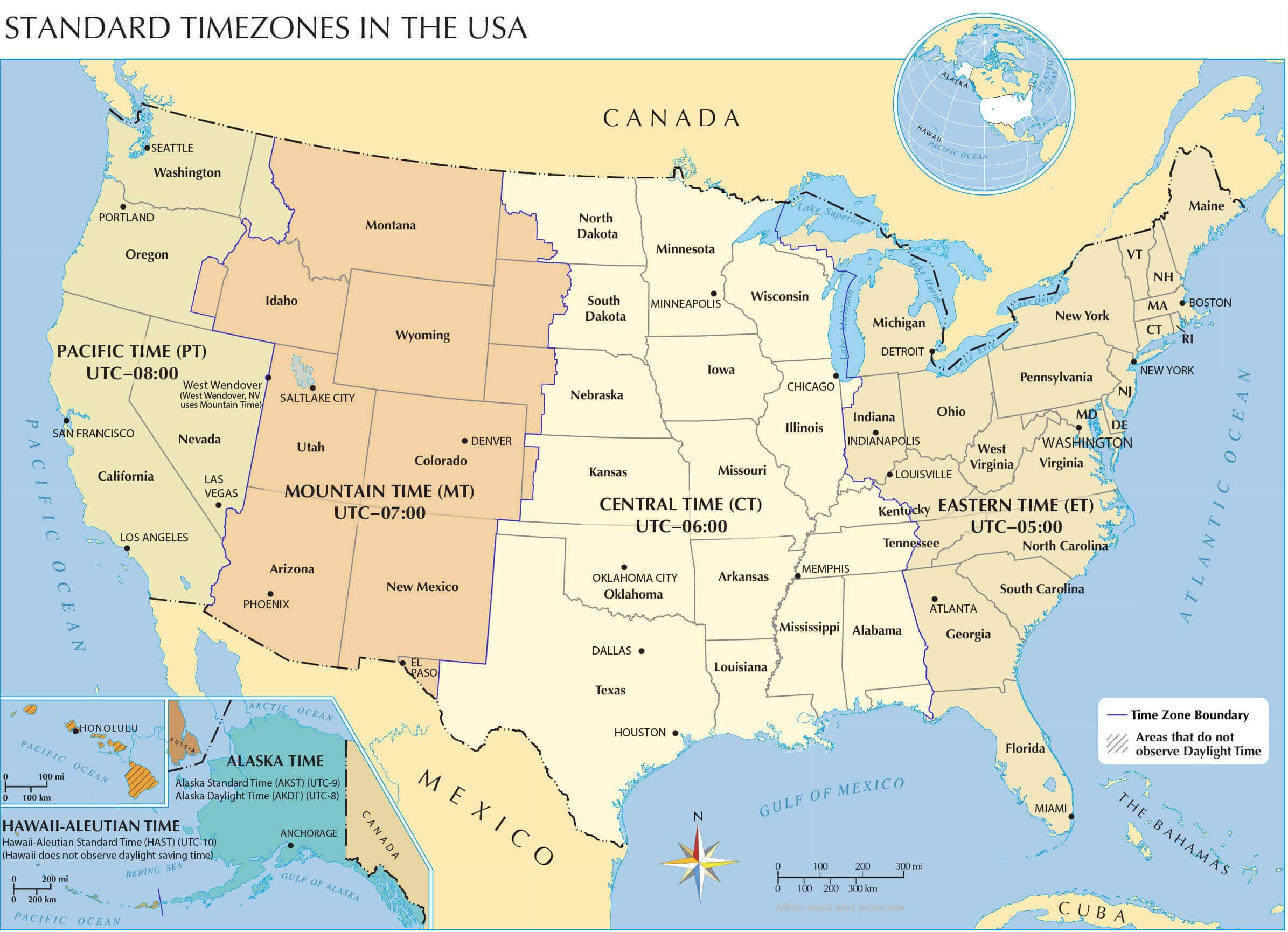
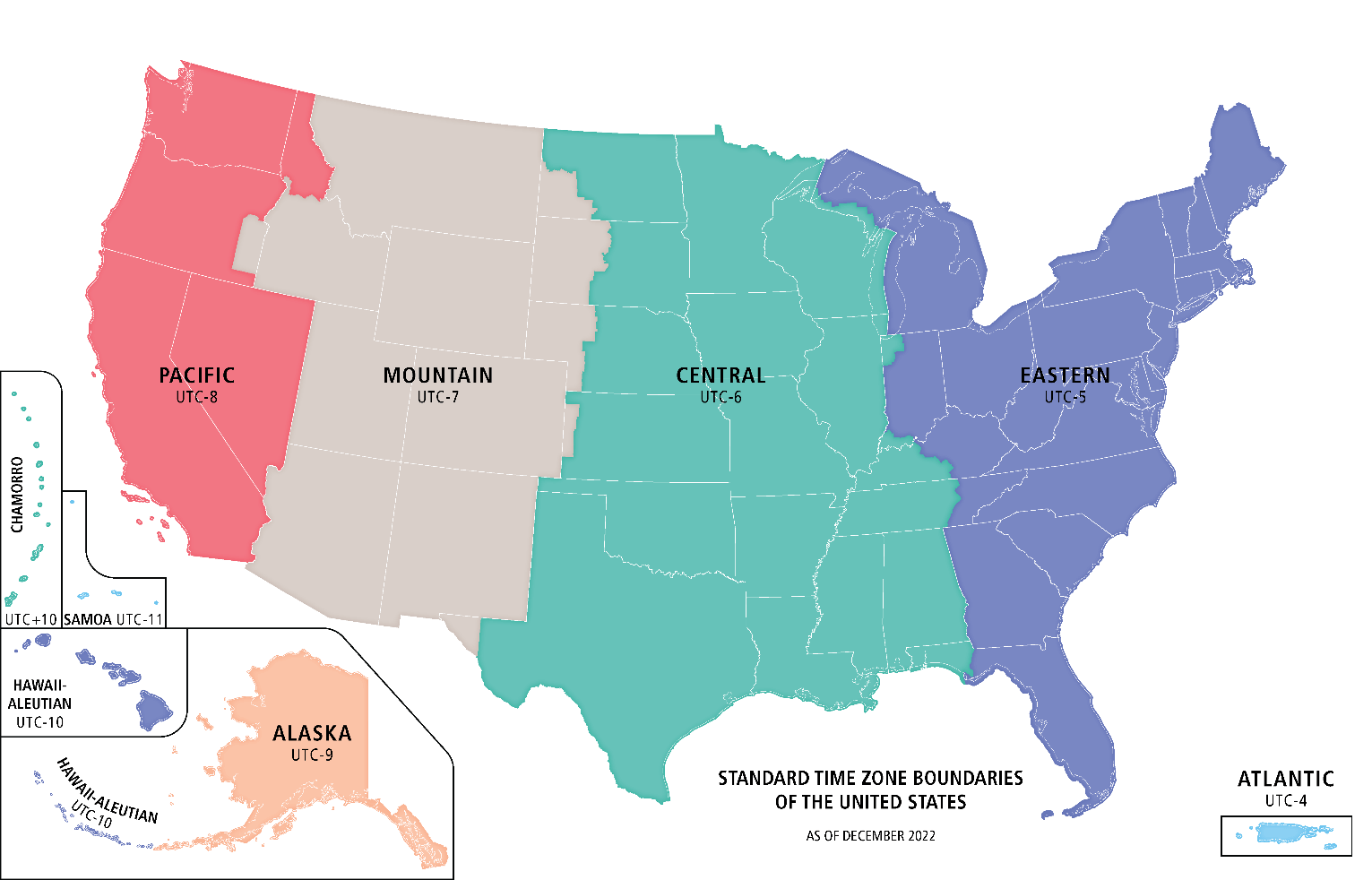
Absolutely, California operates predominantly on Pacific Time. For travelers, residents, and businesses alike, understanding this time zone is crucial for seamless planning and an enjoyable experience in the Golden State. Officially, California observes Pacific Standard Time (PST) for much of the year, which is UTC-8. However, like many parts of the United States, it shifts to Pacific Daylight Time (PDT) during the warmer months, moving the clock forward by an hour to UTC-7. This change, commonly known as Daylight Saving Time, affects everything from flight schedules and hotel check-ins to the opening hours of world-renowned attractions and the rhythm of daily life.
For anyone planning a trip, be it a luxurious getaway to Beverly Hills, a family adventure to Disneyland Park in Anaheim, a scenic drive through Big Sur, or a business conference in San Francisco or Los Angeles, being aware of the local time is more than just a convenience—it’s a necessity. This article delves into the specifics of California‘s time zone, its implications for various types of travel and tourism, and how to best manage your schedule to make the most of your visit to this diverse and vibrant state.
Understanding California’s Time Zone: Pacific Standard and Daylight Time
California’s time zone is a fundamental aspect of its geography, influencing daily life and travel across its vast and varied landscapes. From the bustling metropolises to serene national parks, the clock ticks in unison, ensuring a consistent schedule throughout the state.
The Fundamentals of Pacific Time (PT)
Pacific Time, often abbreviated as PT, encompasses both Pacific Standard Time (PST) and Pacific Daylight Time (PDT). PST is observed during the fall and winter months, aligning with Coordinated Universal Time (UTC) minus eight hours (UTC-8). This means that when it’s noon UTC, it’s 4 AM in California under PST. This is the base time zone for the entire state, from its northern border with Oregon down to its southern edge alongside Mexico, and from the Pacific Ocean coast eastward to the Nevada and Arizona borders.
The consistent application of Pacific Time across the state simplifies travel and communication within California. Whether you’re planning a surf lesson in San Diego, a wine tasting tour in Napa Valley, or a hike in Yosemite National Park, you’re operating on the same clock as everyone else in the state. This uniformity is a significant benefit for organizing multi-destination itineraries, allowing travelers to move seamlessly between iconic cities like Los Angeles, San Francisco, and San Diego without worrying about internal time zone shifts, unlike some other large states in the United States.
The Dance of Daylight Saving Time
The transition between PST and PDT is dictated by Daylight Saving Time (DST). Every spring, typically on the second Sunday of March, clocks “spring forward” by one hour, shifting from PST (UTC-8) to PDT (UTC-7). This change means an extra hour of daylight in the evenings, which is particularly cherished during the long, activity-filled days of summer. This extra daylight profoundly impacts tourism and lifestyle, encouraging longer evenings for outdoor activities, dining al fresco, and exploring attractions. Imagine enjoying a sunset over the Golden Gate Bridge in San Francisco or strolling along the Santa Monica Pier in Los Angeles well into the evening, thanks to PDT.
The shift back to PST occurs in the fall, usually on the first Sunday of November, when clocks “fall back” by one hour. This marks the end of extended daylight and the return to the standard time offset. While the concept of DST is well-established, it’s always a good practice for travelers, especially those arriving from international destinations or states that do not observe DST (like Arizona or Hawaii), to confirm the exact dates of these changes. Modern smartphones and electronic devices usually adjust automatically, but a quick check can prevent any scheduling mishaps, ensuring you arrive on time for your pre-booked tours, dinner reservations, or flight departures.
Navigating the Golden State’s Clock for Seamless Travel
Understanding California‘s time zone is just the first step; the real art lies in applying this knowledge to craft a smooth and enjoyable travel experience. From combating jet lag to meticulously planning your itinerary, the clock plays a silent yet significant role in every aspect of your journey.
Jet Lag: Preparing for Your Arrival in California
For many international travelers or those arriving from the East Coast of the United States, California’s Pacific Time can present a challenge in the form of jet lag. Crossing multiple time zones can disrupt your internal body clock, leading to fatigue, disorientation, and difficulty sleeping. However, with a few strategic adjustments, you can minimize its effects and hit the ground running upon arrival.
Prior to your departure, gradually adjust your sleep schedule closer to California time. For eastward travelers, this means going to bed and waking up earlier. For westward travelers, shift your schedule later. Hydration is key during your flight; avoid excessive caffeine and alcohol, which can exacerbate dehydration and jet lag symptoms. Upon arrival, immerse yourself in the local time. Expose yourself to natural sunlight during the day to help reset your circadian rhythm, and try to maintain a regular sleep schedule, even if you don’t feel tired. Many luxury hotels and resorts in destinations like Palm Springs or Santa Barbara offer amenities specifically designed to aid relaxation and combat jet lag, from calming spa treatments to blackout curtains in suites, ensuring a restful night’s sleep.
Orchestrating Your Itinerary: From Flights to Attractions
The time zone in California directly influences the practicalities of travel, from booking flights to scheduling your daily activities. When planning your journey, all flight arrival and departure times will be listed in local time. This means a flight departing from New York at 9 AM Eastern Time and arriving in Los Angeles at 12 PM Pacific Time will have taken approximately 6 hours, not 3. This understanding is vital for connecting flights and ensuring you allow sufficient time for transfers.
Once on the ground, the Pacific Time schedule will govern all your planned activities. Attractions like Universal Studios Hollywood, Disneyland Park, and museums in San Francisco will have their operating hours displayed in local time. Restaurant reservations, especially for popular dining spots in Hollywood or Monterey, will also adhere strictly to Pacific Time. For those embarking on a scenic road trip along the Pacific Coast Highway or exploring the desert landscapes near Death Valley National Park, being mindful of opening and closing times for roadside attractions, visitor centers, and gas stations is crucial, particularly in more remote areas where services might be limited. Always double-check operating hours closer to your travel dates, as these can vary seasonally or due to special events.

Beyond the Clock: Maximizing Your California Experience
While knowing the time is fundamental, truly maximizing your California experience means aligning your personal rhythm with the state’s vibrant pulse. This involves strategically planning visits to iconic landmarks and choosing accommodation that supports your desired travel lifestyle, all within the framework of Pacific Time.
Iconic Destinations and Their Timeless Allure
California is a treasure trove of iconic destinations, each offering a unique allure that beckons travelers from around the globe. Operating on Pacific Time, these landmarks and cities invite exploration, whether it’s the early morning calm of Yosemite National Park or the late-night energy of Los Angeles.
In Southern California, a family trip often revolves around Disneyland Park in Anaheim and Universal Studios Hollywood, both of which open their gates based on Pacific Time. Arriving early, often before opening, is a common strategy to beat the crowds and maximize ride time. Further north, San Francisco captivates with landmarks like the Golden Gate Bridge, Alcatraz Island, and Fisherman’s Wharf. Timing your visit to the Golden Gate Bridge for sunrise or sunset, or booking an Alcatraz tour in advance, ensures you capture these moments without being rushed. Meanwhile, the serene vineyards of Napa Valley invite leisurely daytime tastings, often concluding as the sun begins to set, signaling the transition from afternoon to evening activities.
Other notable destinations like Lake Tahoe offer year-round outdoor adventures, where daylight hours dictate skiing or hiking schedules. The majestic Redwood National Park in Northern California offers a tranquil escape, best enjoyed during daylight, allowing ample time to marvel at the towering trees. For those seeking cultural experiences, the museums in Sacramento, San Jose, or San Diego generally follow standard daytime operating hours, making midday visits ideal. Efficient time management, especially when balancing multiple attractions in a single day, ensures you soak in the history, nature, and entertainment that defines California.
Accommodation and Lifestyle: Adapting to the Local Clock
Your choice of accommodation and how you manage your daily routine within the Pacific Time framework significantly influences your travel lifestyle. From budget-friendly hotels to opulent villas and resorts, all operate on the local clock, impacting check-in/check-out times and amenity availability.
For instance, check-in times are typically in the mid-afternoon (e.g., 3 PM Pacific Time), while check-out is often around noon. If you arrive early after a long flight, knowing the local time allows you to manage expectations, perhaps by arranging early check-in or utilizing hotel amenities like fitness centers or lounges until your room is ready. Conversely, for late departures, extending your check-out or storing luggage at the hotel can provide extra hours for last-minute exploration. Many luxury hotels, like those in Beverly Hills or San Diego, offer flexible services to accommodate international travelers adjusting to the time change, including 24-hour room service and concierge assistance to help plan activities.
Lifestyle considerations are equally important. For business travelers, adhering to Pacific Time is critical for scheduling meetings, conference calls, and presentations with colleagues across different time zones, both within the United States and internationally. For families, managing children’s sleep schedules and meal times according to the local clock can prevent meltdowns and ensure everyone enjoys the trip. Budget travelers might find that planning activities around non-peak hours (guided by Pacific Time) can lead to shorter queues and a more relaxed experience. Whether you prefer a fast-paced itinerary or a leisurely exploration, integrating the local time into your daily planning is key to a harmonious travel experience.
Practical Tips for a Flawless California Journey
Beyond the theoretical understanding of Pacific Time, practical application is what truly transforms a good trip into a flawless one. From your personal devices to your culinary experiences, being mindful of the clock enhances every detail.
Staying Connected: Devices and Time Zones
In today’s interconnected world, your personal electronic devices are your best allies in navigating time zones. Modern smartphones, tablets, and smartwatches are designed to automatically update to the local time zone when connected to a cellular network or Wi-Fi. This eliminates the need for manual adjustments and significantly reduces the chances of time-related errors. However, it’s always prudent to double-check your device settings upon arrival to ensure automatic time zone updates are enabled.
For travelers relying solely on Wi-Fi or those who prefer to keep their devices in airplane mode, a quick manual check of the time against a reliable source, such as a hotel lobby clock or a local, can provide peace of mind. Investing in a dual-time zone watch can also be a simple, non-electronic backup for keeping track of both your home time and Pacific Time, especially useful for making calls or coordinating with friends and family back home. Reliable connectivity ensures that you’re always aligned with the local schedule, whether it’s for booking a spontaneous tour, checking restaurant availability, or simply knowing when the local coffee shops open.
Embracing the Californian Rhythm
California offers a distinct lifestyle and culture, much of which is subtly influenced by its adherence to Pacific Time. Embracing this rhythm can enrich your travel experience, allowing you to immerse yourself fully in the local way of life. For instance, the renowned food culture of California thrives at specific times. Brunch is a weekend institution, often beginning late morning and extending into the early afternoon. Dinner times, particularly in major cities like San Francisco or Los Angeles, tend to be later than in many parts of the United States, with popular restaurants seeing peak reservations between 7 PM and 9 PM Pacific Time. Adapting to these local dining habits can lead to more authentic culinary experiences.
Furthermore, California‘s vibrant nightlife, from the dance clubs of Hollywood to the live music venues in San Diego, typically kicks off later in the evening and continues into the early hours of the morning. For those interested in outdoor activities, the longer daylight hours during PDT allow for extended hikes in Marin County, surfing sessions along the Orange County coast, or twilight visits to Lake Tahoe in the summer. Even simple activities, like enjoying a morning coffee at a beachside cafe or catching a sunset view, become more meaningful when you are consciously in tune with the natural flow of the day as dictated by Pacific Time. This conscious alignment with the local rhythm not only prevents scheduling conflicts but also deepens your connection to the unique charm and energy of the Golden State.
In conclusion, the answer to “Is California Pacific Time?” is a resounding yes, encompassing both Pacific Standard Time and Pacific Daylight Time. This seemingly simple fact is a foundational element for any trip planning to this magnificent state. By understanding the nuances of its time zone, preparing for potential jet lag, meticulously scheduling your itinerary, and adapting to the local pace, you can ensure that your journey through California is as smooth, enjoyable, and enriching as the Golden State itself. So, set your watches, embrace the Pacific Time rhythm, and get ready to create unforgettable memories in one of the world’s most captivating destinations.
LifeOutOfTheBox is a participant in the Amazon Services LLC Associates Program, an affiliate advertising program designed to provide a means for sites to earn advertising fees by advertising and linking to Amazon.com. Amazon, the Amazon logo, AmazonSupply, and the AmazonSupply logo are trademarks of Amazon.com, Inc. or its affiliates. As an Amazon Associate we earn affiliate commissions from qualifying purchases.