The question “Is California Still On Fire?” echoes frequently across news cycles and travel forums, often painting a picture of a state perpetually engulfed in flames. For prospective travelers dreaming of a Golden State getaway, this perception can understandably cause hesitation and concern. However, the reality on the ground is far more nuanced than the headlines suggest. While California does experience a fire season, a natural, albeit increasingly intense, part of its ecosystem, the vast majority of its breathtaking landscapes, vibrant cities, and iconic landmarks remain safe, open, and eagerly awaiting visitors.
This article aims to provide a comprehensive and up-to-date perspective for anyone planning a trip, cutting through the sensationalism to offer practical advice, highlight unaffected destinations, and emphasize how to travel responsibly in this magnificent corner of the United States. From the bustling metropolises and serene coastal towns to the majestic national parks and world-renowned wine regions, California offers an unparalleled array of experiences that continue to thrive. Understanding the true impact of wildfires, knowing where to find reliable information, and adopting flexible travel strategies are key to enjoying an unforgettable California adventure.
Understanding California’s Fire Season and Its Impact on Travel
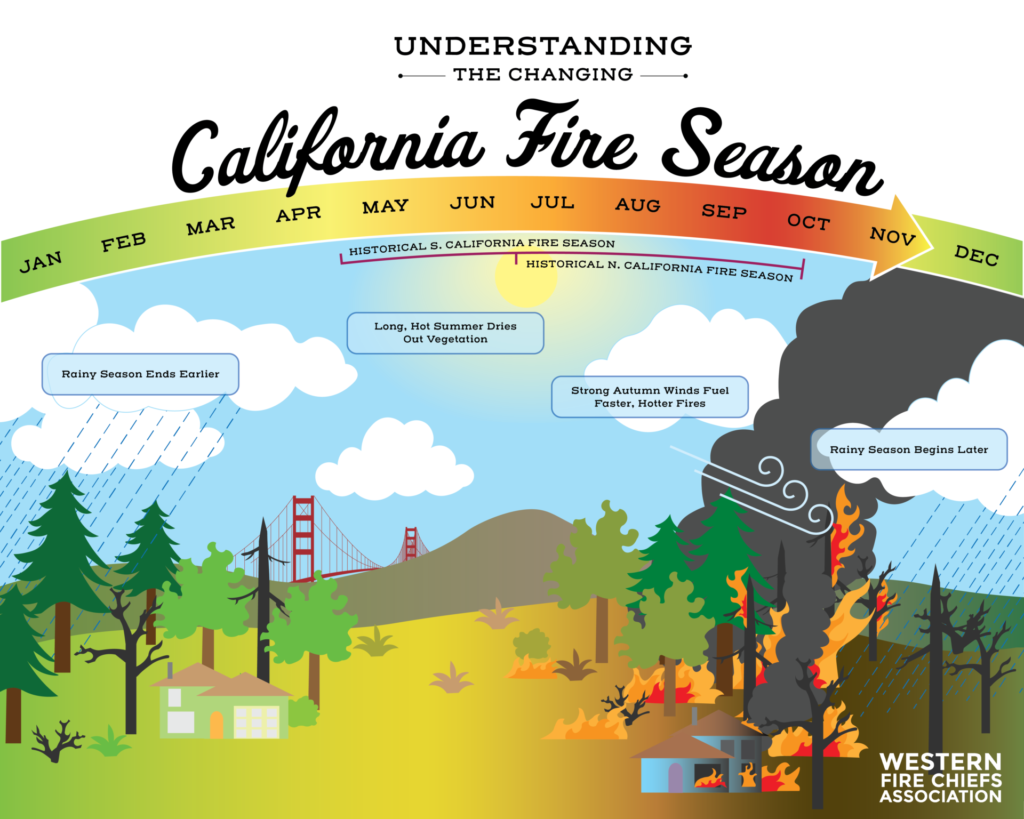
The narrative around California wildfires can be daunting, but it’s crucial to understand the context. Wildfires are a natural component of many ecosystems in the Golden State, historically playing a role in forest health. However, a changing climate, characterized by hotter temperatures, prolonged droughts, and increased winds, has undeniably intensified these events in recent decades. For travelers, this means being informed rather than deterred.
The Evolving Landscape of Wildfires in the Golden State
California’s diverse topography, from dense forests in the Sierra Nevada mountains to chaparral-covered hillsides in Southern California, makes certain regions more susceptible to fires. The fire season typically runs from late spring through late autumn, peaking in the hottest, driest months. Agencies like Cal Fire are at the forefront of wildfire prevention, detection, and suppression, employing advanced technologies and strategies to protect communities and natural resources.
While some areas have indeed faced devastating impacts, it’s vital to remember the sheer scale of California. The state is roughly the size of Germany and encompasses an extraordinary range of climates and landscapes. A fire in one region rarely affects the entire state. For instance, a fire burning near Lake Tahoe might have zero impact on a trip to San Diego or San Francisco. The primary concerns for travelers during active fire events are localized air quality issues due to smoke, potential road closures impacting travel itineraries, and in rare cases, direct threats to specific destinations. Most major travel hubs and tourist hotspots are either geographically removed from high-risk areas or have robust infrastructure and emergency services to mitigate risks.
Assessing Risk and Ensuring Traveler Safety
For any trip to California, particularly during the traditional fire season, prioritizing safety and preparedness is paramount. This involves a few proactive steps:
- Stay Informed: Regularly check official sources like Cal Fire’s incident maps, the National Wildfire Coordinating Group (NWCG) InciWeb, and local county emergency services websites. These provide real-time updates on active fires, containment levels, and evacuation orders.
- Monitor Air Quality: Websites like AirNow.gov offer up-to-date air quality index (AQI) readings, which are crucial for outdoor activities. If the AQI is high in your chosen destination, consider indoor attractions or adjusting your itinerary.
- Check Road Conditions: Caltrans provides current information on road closures and delays, essential for planning routes, especially when driving iconic roads like the Pacific Coast Highway.
- Travel Insurance: Investing in comprehensive travel insurance that covers unforeseen circumstances, including natural disasters, is highly recommended. Ensure you understand the policy’s terms regarding trip cancellations or interruptions due to wildfires.
- Flexibility and Backup Plans: Be prepared to adjust your itinerary if conditions change. Having alternative destinations or activities in mind can save your trip from potential disruptions. For example, if a national park trail is closed, perhaps explore a coastal town or an urban attraction instead.
By taking these precautions, travelers can confidently plan a trip to California, understanding that while fires are a reality, they don’t define the entire state’s travel landscape.
Navigating Travel in California: What Tourists Need to Know
Despite the headlines, California remains one of the world’s most sought-after travel destinations, brimming with diverse attractions, unique experiences, and unparalleled natural beauty. The key is knowing which areas are typically unaffected and how to plan for a seamless journey.
Popular Destinations and Their Current Status
The good news for travelers is that many of California’s most beloved destinations are rarely directly threatened by large-scale wildfires, or if they are, they often recover quickly with the resilience characteristic of the state.
- Coastal Cities: San Francisco, Los Angeles, and San Diego are major urban centers that typically experience minimal direct impact from wildfires, though they can occasionally be affected by smoke drift from distant fires. These cities offer a plethora of cultural attractions, world-class dining, and vibrant nightlife, making them safe bets for urban explorations. In San Francisco, explore the Golden Gate Bridge, visit Alcatraz Island, or savor the food scene at Fisherman’s Wharf and Pier 39. Los Angeles invites you to Hollywood’s Walk of Fame, Universal Studios Hollywood, or the stunning views from Griffith Observatory. Meanwhile, San Diego boasts the famous San Diego Zoo, Balboa Park, and beautiful beaches in La Jolla.
- National Parks: Yosemite National Park, Sequoia National Park, and Joshua Tree National Park are jewels in California’s crown, offering unparalleled natural beauty. While some areas within these parks have been affected in the past, park services are highly proactive in protecting key features and informing visitors of any closures. Always check the official National Park Service websites for current conditions before your visit. Other remarkable parks like Death Valley National Park and Redwood National Park are typically less impacted directly by the fires prevalent in other parts of the state.
- Wine Country: Napa Valley and Sonoma County have faced challenges but have consistently demonstrated remarkable resilience. The wine industry is deeply invested in the region’s recovery, and many wineries, restaurants, and resorts continue to operate, offering exquisite food and wine experiences.
- Coastal Drives and Towns: The iconic Big Sur coastline, with its dramatic cliffs and ocean views, as well as charming towns like Santa Barbara, Carmel-by-the-Sea, and Monterey, are generally less susceptible to the large-scale wildfires that affect inland forests. These areas are perfect for scenic drives, whale watching, and exploring quaint shops.
- Desert Escapes: Palm Springs and the surrounding desert resorts offer a distinct lifestyle experience, usually far removed from wildfire activity, especially during their popular cooler seasons.
Accommodation Choices and Booking Considerations
Selecting the right accommodation is key to a worry-free California trip. California boasts an incredible range of hotels, from luxury resorts to budget-friendly apartments and villas, catering to every type of traveler and lifestyle.
- Diverse Options: Whether you’re seeking the opulent suites of The Ritz-Carlton, Laguna Niguel overlooking the Pacific Ocean, the historic charm of Hotel del Coronado in San Diego, or a boutique stay at The Lodge at Sonoma Resort in Sonoma Wine Country, you’ll find myriad choices. Urban areas like Beverly Hills offer high-end experiences at establishments like The Peninsula Beverly Hills or Waldorf Astoria Beverly Hills, while coastal gems like Santa Monica boast hotels such as Shutters on the Beach or Viceroy Santa Monica.
- Booking Flexibility: When booking, always prioritize flexible cancellation policies. Many hotels and accommodation providers offer options that allow changes or cancellations without penalties up to a certain point, providing peace of mind.
- Reviews and Comparison: Utilize reviews and comparison sites to find the best deals and ensure your chosen stay aligns with your expectations, particularly concerning amenities and location relative to any potential fire concerns.
- Long-term Stays: For those considering long-term stays or business trips, areas like Orange County, San Francisco, or Los Angeles offer a stable environment with excellent infrastructure and services, regardless of the fire season elsewhere.
Whether you’re planning a romantic getaway, a family trip, or a solo adventure, California’s diverse accommodation landscape ensures you’ll find the perfect place to rest and recharge.
Beyond the Headlines: Experiencing California Responsibly and Sustainably
Beyond simply understanding the practicalities of travel during fire season, visiting California also presents an opportunity to engage in responsible and sustainable tourism. By making conscious choices, travelers can contribute positively to the communities and environments they explore.
Supporting Local Communities and Responsible Tourism
When wildfires do impact an area, the ripple effect on local economies, particularly those reliant on tourism, can be profound. Even after the flames are extinguished, communities face a long road to recovery. As a traveler, you can play a vital role in this process:
- Visit Impacted Areas (When Safe): Once areas are declared safe and open for visitors, consider planning a trip. Your presence, spending money at local businesses, and patronage of hotels, restaurants, and attractions can significantly aid recovery efforts. The wine regions of Napa Valley and Sonoma County are excellent examples of resilient communities that thrive on tourism.
- Buy Local: Seek out local artisans, farmers’ markets, and small businesses for souvenirs and supplies. This directly injects money into the local economy and supports residents.
- Volunteer or Donate: If you feel compelled to do more, research reputable local charities or organizations involved in wildfire relief and recovery. Even a small donation can make a difference.
- Respect Local Guidelines: Always adhere to any fire restrictions (e.g., campfire bans, trail closures) and heed the advice of local authorities and park rangers. These tips are not just for your safety but also for the preservation of the natural environment and community safety.
Responsible tourism also extends to practicing environmental awareness. Be mindful of your waste, conserve water, and always follow Leave No Trace principles, especially when exploring California’s stunning natural landmarks and parks.
Future-Proofing Your California Adventure
Looking ahead, California continues to evolve its strategies for managing wildfires and protecting its treasures. This includes investing in forest management, early warning systems, and community hardening initiatives. For travelers, this ongoing commitment means that the state remains a viable and incredible destination.
Embrace a flexible mindset and treat official information as your most valuable travel guide. Consider exploring different seasons; for example, spring in California offers wildflowers and lush landscapes, while winter can bring snow to the Sierra Nevada or pleasant temperatures to the deserts, often outside the peak fire season.
In conclusion, the answer to “Is California Still On Fire?” is complex, but overwhelmingly positive for travelers. While wildfires are a recurring challenge, they typically affect specific, localized areas and do not diminish the vast majority of incredible travel experiences the state offers. With careful planning, reliance on official information, and a commitment to responsible tourism, your California adventure will undoubtedly be a fulfilling and memorable one. So pack your bags, prepare to explore, and discover why the Golden State remains a top choice for travelers worldwide.