
Alaska, the Last Frontier, is renowned for its breathtaking wilderness, majestic glaciers, abundant wildlife, and a fiercely independent spirit that shapes its unique culture and laws. For many travelers considering a trip to this incredible state, questions often arise about local regulations, especially concerning substances like cannabis. The direct answer to whether cannabis is legal in Alaska is a resounding yes, for recreational use by adults aged 21 and over. However, like its vast landscapes, the legal framework surrounding cannabis in Alaska is complex and requires careful understanding, particularly for visitors aiming to enjoy all that this remarkable destination has to offer responsibly.
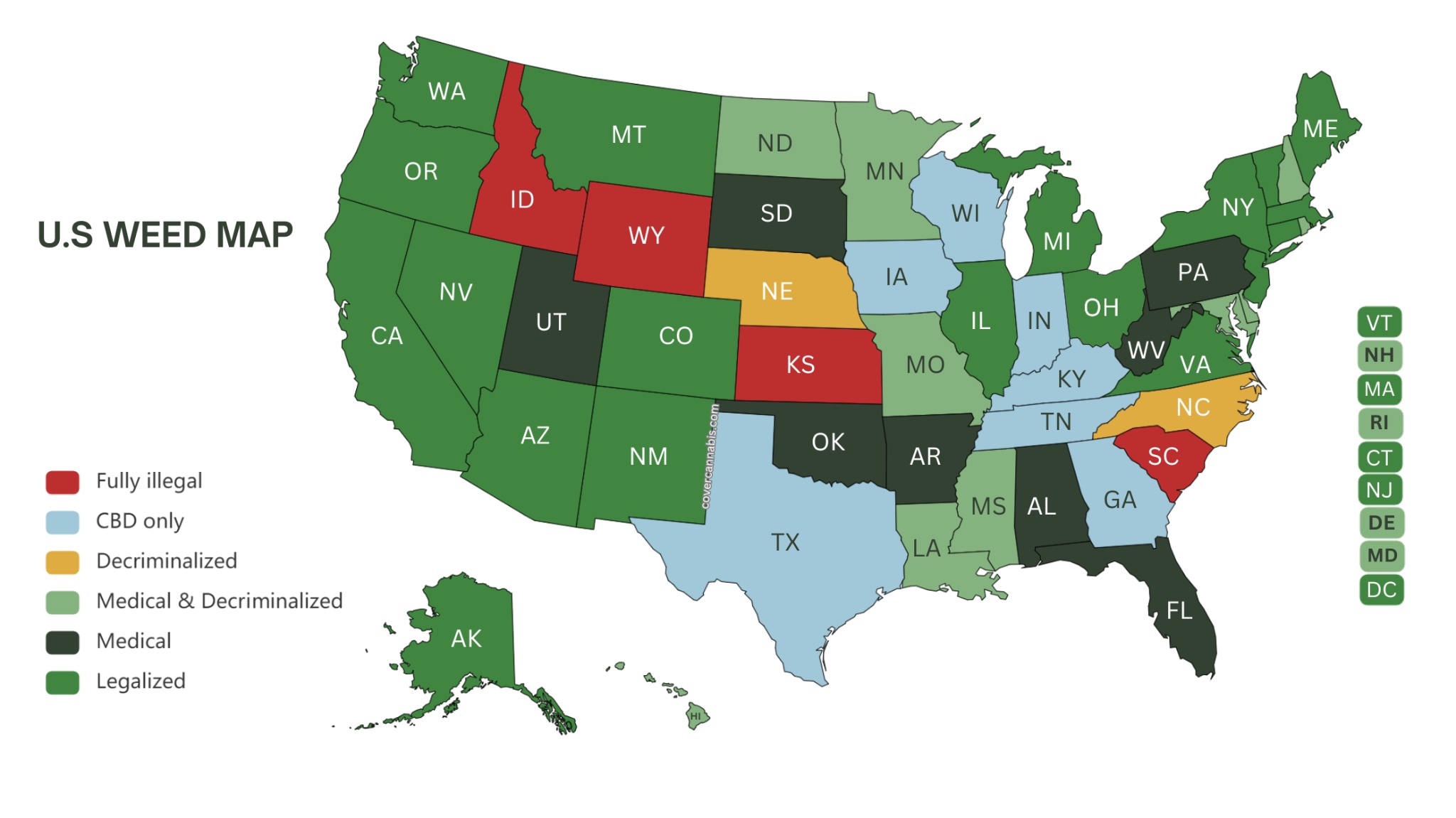
Alaska stands as a pioneer in the United States when it comes to cannabis reform. It was the third state to legalize recreational marijuana, following Colorado and Washington. This progressive stance is deeply rooted in the state’s long-standing culture of personal liberty and individual choice. Understanding the nuances of these laws is crucial for anyone planning to visit, ensuring a smooth and enjoyable experience without unintended legal complications.
A Frontier of Freedom: Alaska’s Journey to Cannabis Legalization
Alaska’s path to legalizing recreational cannabis is a testament to its independent ethos and a history of progressive drug policy. The state has long been recognized for its unique approach to personal freedoms, often diverging from the more conservative stances seen in other parts of the United States. This journey didn’t happen overnight but evolved over decades, reflecting a deep-seated belief among many Alaskans in individual autonomy.
Historical Context: Decriminalization to Recreation
The story of cannabis legality in Alaska begins much earlier than most might expect. In the 1970s, long before many other states even considered such a move, Alaska made headlines with its groundbreaking court decisions. In 1975, the Alaska Supreme Court ruled in Ravin v. State that the right to privacy under the Alaska Constitution protected an adult’s right to possess a small amount of marijuana for personal use in their home. This landmark decision effectively decriminalized cannabis for in-home use, setting a precedent that was far ahead of its time.
Following this initial step, the state continued to navigate its relationship with cannabis. In 1998, Alaska voters approved Measure 8, legalizing medical marijuana for qualified patients with specific debilitating conditions. This further cemented the state’s progressive trajectory, laying the groundwork for broader reform.
The most significant change came in 2014 when Alaska voters passed Measure 2, which legalized the recreational use of cannabis for adults aged 21 and older. This put Alaska on the map as one of the first states in the nation to embrace full adult-use cannabis, marking a pivotal moment in its history and for cannabis reform across the United States. The implementation of these laws transformed the landscape for residents and visitors alike, ushering in a regulated market for cultivation, manufacturing, testing, and retail sales.
What’s Permitted: Possession and Cultivation Limits
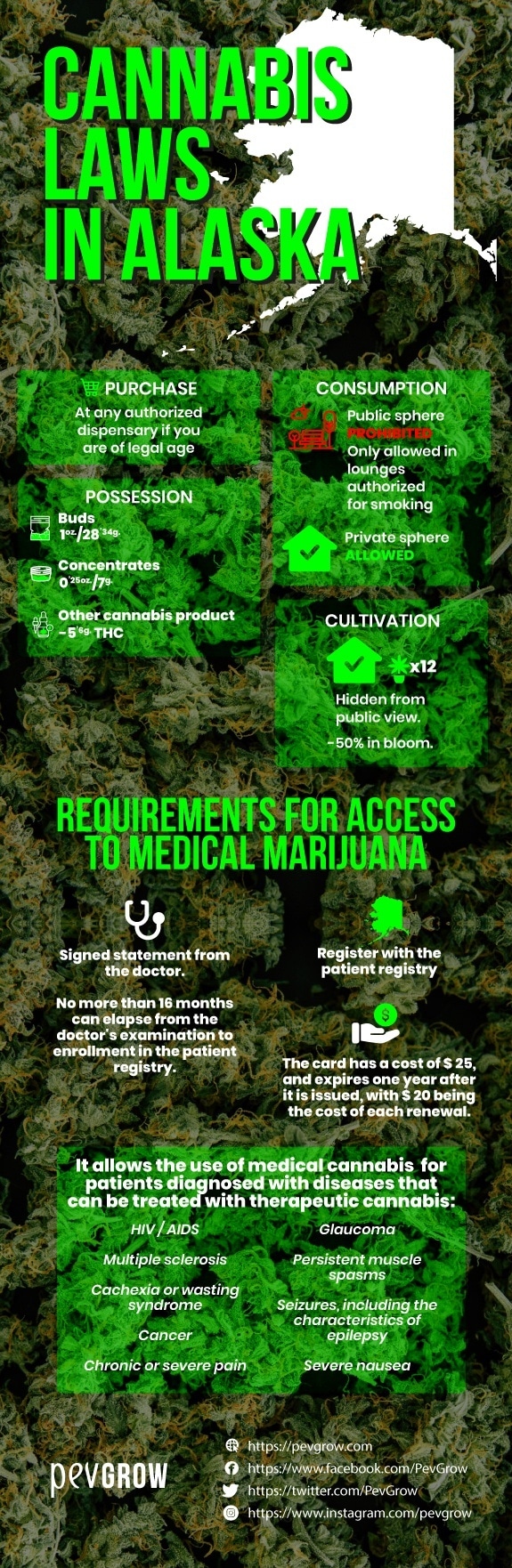
For adults aged 21 and over in Alaska, the law permits the possession of up to one ounce (28 grams) of cannabis flower. This limit applies to recreational users and is consistent with many other states where cannabis is legal. One ounce is a significant amount for personal consumption, typically more than enough for the duration of a vacation for most individuals. It’s also important to note that this limit applies to the equivalent amount in cannabis concentrates and edibles, though the specific equivalency ratios can vary. Always check with a licensed dispensary for precise information on product limits.
Beyond possession, Alaska law also allows for the personal cultivation of cannabis. Adults 21 and older are permitted to grow up to six cannabis plants at their private residence, with no more than three of these plants being mature (flowering) at any given time. This provision is primarily aimed at residents who wish to cultivate their own supply rather than purchase it from dispensaries. For visitors, personal cultivation is generally not a practical consideration, as it requires a private residence and is often subject to landlord rules if staying in rented accommodation. The emphasis for tourists should always be on legal purchase and consumption guidelines.
Navigating Cannabis Use as a Visitor in Alaska
While the legality of cannabis in Alaska might seem straightforward, visitors must be acutely aware of the rules governing where they can purchase and, more importantly, where they can consume it. These guidelines are crucial for enjoying your trip without running afoul of the law, especially given the state’s vast expanses of both private and public lands.
Where to Purchase Legal Cannabis
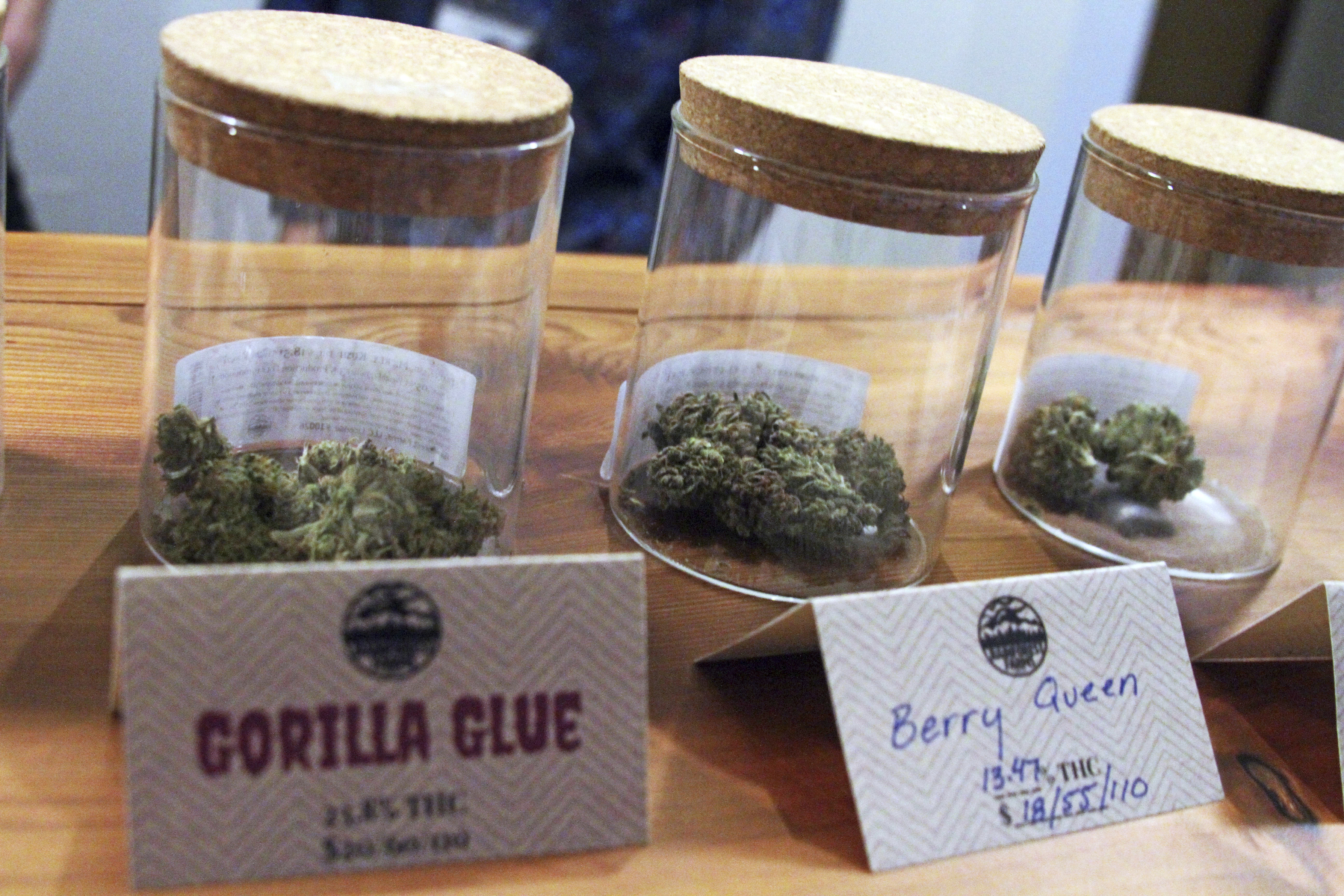
Purchasing cannabis in Alaska is a relatively simple process, provided you know where to go. Legal recreational cannabis can only be bought from state-licensed dispensaries. These establishments operate under strict regulations to ensure product safety, quality, and compliance with state laws. You won’t find cannabis for sale in convenience stores, liquor stores, or gas stations, unlike some other regulated products.
Upon entering a dispensary, you will be required to present a valid, government-issued identification proving you are 21 years of age or older. This is a strict requirement, similar to purchasing alcohol. Dispensaries are located in many of Alaska’s major cities and tourist hubs, including Anchorage, Fairbanks, and Juneau, as well as smaller communities like Ketchikan, Sitka, and Homer. The staff at these dispensaries are typically knowledgeable and can guide you through their product selection, which often includes a variety of flower strains, edibles, concentrates, and topical products. They can also provide information on safe consumption practices and local regulations.
It’s imperative to purchase cannabis only from these licensed establishments. Buying from unlicensed sources, even if offered by locals, carries significant legal risks and lacks the quality and safety assurances of regulated products.
Understanding Consumption Zones: Public vs. Private Property
This is perhaps the most critical distinction for visitors to grasp: while possession is legal, consumption is heavily restricted. In Alaska, consuming cannabis in public places is strictly prohibited. The law mandates that cannabis must be consumed on private property and out of public view. This rule is often surprising to travelers who might come from states with more liberal public consumption laws or designated consumption lounges.
What constitutes “private property” and “out of public view”?
- Private Residence: If you are staying with friends or family at their private home, and they permit it, you can consume cannabis there.
- Private Vacation Rentals: Many vacation rentals, such as those found on platforms like Airbnb or Vrbo, may allow cannabis consumption. However, it is absolutely essential to check the specific rules and policies of your rental property before booking or consuming. Many hosts have strict no-smoking policies, which extend to cannabis, to protect their property and avoid alienating future guests. Ignoring these rules could result in fines, eviction, or negative reviews.
- Hotel Rooms: The vast majority of hotels in Alaska, including prominent establishments like the Hotel Captain Cook or The Lakefront Anchorage, have strict no-smoking policies that apply to cannabis. This includes vaping. Attempting to consume cannabis in a hotel room can lead to significant cleaning fees and potential legal trouble. Always assume hotels are off-limits unless explicitly stated otherwise.
- Designated Areas (Rare): While not widespread, some private businesses might establish designated consumption areas on their private property. These are uncommon, and you should always verify the legality and specific rules of any such establishment. As of now, dedicated “pot cafes” or public smoking lounges, similar to those found in some other legal states, are not a feature of Alaska’s cannabis landscape.
What constitutes “public places” where consumption is prohibited?
This list is extensive and includes virtually any area visible or accessible to the general public:
- Streets, sidewalks, and public roads
- Public parks and recreational areas (e.g., Chugach State Park near Anchorage)
- Businesses open to the public (restaurants, bars, shops, art galleries)
- Outdoor festivals, concerts, and events
- Vehicles in public view, even if parked (consuming in a moving vehicle is also illegal and constitutes a DUI)
- Within 20 feet of public entrances to buildings
- Anywhere children are present or likely to be present
The underlying principle is discretion. If you can be seen or smelled by the public while consuming cannabis, you are likely violating the law. This restriction is a significant consideration for tourists, as finding a suitable, legal, and private place to consume can be a challenge, especially for those staying in traditional hotel accommodations.
Federal Lands: A Strict No-Go Zone
Perhaps the most critical caution for visitors to Alaska regarding cannabis is the absolute prohibition on federal lands. Alaska is home to an enormous amount of federal territory, including some of the most iconic natural attractions in the United States. These include national parks, national preserves, national forests, and wildlife refuges. Even though cannabis is legal under Alaska state law, it remains illegal under federal law.
This means that any possession, consumption, or cultivation of cannabis is strictly forbidden within the boundaries of federal lands. This includes:
- Denali National Park and Preserve
- Kenai Fjords National Park
- Glacier Bay National Park and Preserve
- Wrangell-St. Elias National Park and Preserve
- Katmai National Park and Preserve
- Gates of the Arctic National Park and Preserve
- All national forests and Bureau of Land Management (BLM) lands.
Law enforcement officers, such as park rangers, on federal lands are federal agents and will enforce federal law. Violations can lead to significant fines, confiscation of the substance, and even jail time, regardless of Alaska’s state laws. Given that many visitors come to Alaska specifically to explore these natural wonders, understanding this distinction is paramount. Do not bring cannabis onto federal property under any circumstances.
Responsible Travel and Cannabis in the Last Frontier
Integrating cannabis use responsibly into an Alaskan adventure requires forethought and adherence to both state and federal laws. Beyond understanding where to buy and consume, travelers must also be aware of the implications for driving and inter-state travel.
The Perils of Impaired Driving
Just as with alcohol, driving under the influence of cannabis is illegal and dangerous in Alaska. The state has strict DUI laws that apply to cannabis, with zero tolerance for impaired driving. Even if you feel capable of driving, cannabis can impair judgment, reaction time, and coordination, leading to serious accidents or legal consequences. Penalties for cannabis DUI can include hefty fines, license suspension, mandatory education programs, and even jail time, mirroring those for alcohol-related DUIs.
It is never worth the risk. If you plan to consume cannabis, arrange for alternative transportation. Utilize ride-sharing services, taxis, or designated drivers. When exploring remote areas, where such services might be unavailable, plan your activities carefully to ensure you have a safe, sober means of getting around. Remember, consuming cannabis in a vehicle, even if parked, can still lead to legal trouble, and having an open container of cannabis (like an open alcoholic beverage) in a vehicle on a public roadway is also illegal. Cannabis should be stored in a sealed container, out of reach of the driver, preferably in the trunk or a locked glove compartment, especially when transporting it in a private vehicle.
Traveling In and Out of Alaska with Cannabis
This is perhaps the area where the most confusion and potential for legal trouble arise for travelers. Despite Alaska’s legal status for recreational cannabis, the substance remains federally illegal. This federal prohibition has critical implications for travel, especially when crossing state lines or flying.
- Interstate Travel: It is strictly illegal to transport cannabis across state lines, even if both the origin and destination states have legalized recreational cannabis. This includes driving across borders or sending cannabis through the mail. Federal law enforcement agencies like the Drug Enforcement Administration (DEA) operate across state lines and will enforce federal drug laws.
- Air Travel: Taking cannabis on an airplane, even for flights entirely within Alaska, is strictly prohibited. Airports, including Ted Stevens Anchorage International Airport, are under federal jurisdiction. The Transportation Security Administration (TSA), while primarily focused on security threats, will refer any discovered cannabis to local law enforcement if found during screening. Even if local law enforcement might not prosecute for small amounts, the cannabis will be confiscated, and you could face federal penalties. Do not attempt to bring cannabis into or out of Alaska via air travel, or on any flight within the state. This also applies to other forms of federally regulated transportation, such as the Alaska Railroad or cruise ships, which operate under federal maritime laws.
- Within Alaska (Intra-state Travel): When traveling within Alaska by private vehicle, the rules are similar to open container laws for alcohol. Cannabis must be kept in a sealed, child-proof container and out of the immediate reach of the driver. Ideally, it should be stored in the trunk or a locked compartment to avoid any perception of public consumption or accessibility by the driver or passengers.
Accommodation Choices and Cannabis Policies
As previously mentioned, most hotels in Alaska maintain strict no-smoking policies that encompass cannabis. This is a crucial point for travelers when making accommodation decisions. If you plan to consume cannabis, you will need to seek out accommodations that explicitly permit it.
- Hotels and Resorts: Major chains and independent hotels, like the Alyeska Resort or similar lodges, will almost certainly prohibit cannabis use on their premises, including in rooms, on balconies, and in public areas. Violating these policies can result in significant fines (for cleaning and deodorizing) and immediate eviction.
- Vacation Rentals (Airbnb, Vrbo): These platforms offer more flexibility, but it’s vital to filter for “cannabis-friendly” or “smoking allowed” properties and, even then, to confirm directly with the host. Many hosts will still prohibit smoking indoors but might allow vaping or consumption of edibles. Others may have specific outdoor areas where smoking is permitted. Always communicate your intentions clearly and respect the host’s rules.
- Camping and RVs: If you are camping on private land (with permission) or in a privately-owned RV park that permits cannabis use, this can be an option. However, public campgrounds, especially those within federal or state parks, will prohibit cannabis use. Always check the specific rules of the campground.
For travelers who prefer not to deal with these restrictions, edibles offer a more discreet way to consume cannabis without the smoke or vapor. However, remember the public consumption ban still applies, so they must be consumed in a private, permissible setting.
Embracing Alaska’s Unique Travel Lifestyle with Awareness
Alaska’s legal cannabis landscape offers a unique dimension to the travel experience, but it’s one that requires careful planning and a deep respect for the law. Its vast, pristine wilderness is a core attraction, and visitors are expected to maintain that respect, whether through adhering to Leave No Trace principles or understanding local regulations.
Edibles, Concentrates, and Responsible Enjoyment
Beyond traditional cannabis flower, Alaska’s licensed dispensaries also offer a wide array of edibles, concentrates, and other cannabis products. These products are legal for adults 21 and over, subject to the same possession limits and consumption restrictions as flower.
- Edibles: Cannabis-infused edibles, such as chocolates, gummies, baked goods, and beverages, offer a smoke-free consumption method. However, they come with their own set of precautions. Edibles can take much longer to produce effects (from 30 minutes to over two hours) and the effects can be more intense and last longer than inhaled cannabis. It is crucial to “start low and go slow” – begin with a very small dose (e.g., 2.5-5 mg of THC) and wait at least two hours before considering consuming more. Misjudging edible dosage is a common mistake and can lead to an uncomfortable and overwhelming experience, especially for those new to cannabis.
- Concentrates: Products like vapes, dabs, and oils offer a potent and often discreet way to consume cannabis. They are typically much stronger than flower, so caution and a clear understanding of dosage are essential. Vaping, while smoke-free, is still subject to public consumption laws and hotel policies.
- Responsible Storage: Regardless of the form, always store cannabis products, especially edibles, in child-proof packaging and out of reach of children and pets. The packaging often resembles regular candies or snacks, posing a significant risk if left accessible.
Enjoying cannabis in Alaska responsibly means understanding your limits, being patient with edibles, and prioritizing safety. It should complement, not detract from, the awe-inspiring natural beauty and unique experiences the state provides.
Respecting Local Customs and Laws
Ultimately, a trip to Alaska is an opportunity to immerse oneself in a truly wild and magnificent environment. The state’s approach to cannabis, while progressive, is balanced with a strong emphasis on public safety and respect for its natural resources. For the responsible traveler, understanding and adhering to these regulations is a sign of respect for the local culture and the land.
When planning your itinerary, consider how cannabis consumption fits into your activities. If you’re embarking on a guided wildlife tour, fishing expedition, or wilderness hike, ensure you are fully present and alert. The rugged beauty of Alaska demands respect and awareness. Impairment can not only lead to legal issues but also compromise your safety in an environment that can be unforgiving.
Alaska’s unique blend of raw wilderness and progressive legal frameworks makes it an extraordinary travel destination. For those wondering about cannabis, the answer is clear: yes, it’s legal for adults 21 and over. However, responsible enjoyment hinges on navigating the specific rules regarding purchase, private consumption, strict prohibition on federal lands, and careful consideration of travel logistics. By understanding and respecting these nuances, visitors can ensure their Alaska adventure is as smooth and memorable as the state’s vast, untamed beauty.
LifeOutOfTheBox is a participant in the Amazon Services LLC Associates Program, an affiliate advertising program designed to provide a means for sites to earn advertising fees by advertising and linking to Amazon.com. Amazon, the Amazon logo, AmazonSupply, and the AmazonSupply logo are trademarks of Amazon.com, Inc. or its affiliates. As an Amazon Associate we earn affiliate commissions from qualifying purchases.