
California has long been an iconic destination, beckoning travelers with its diverse landscapes, vibrant cities, and a lifestyle synonymous with innovation and freedom. From the sun-kissed beaches of San Diego to the majestic redwoods of the north, the bustling energy of Los Angeles to the historic charm of San Francisco, the Golden State offers an unparalleled array of experiences. Yet, amidst the planning for exploring landmarks like the Golden Gate Bridge, visiting world-class attractions such as Disneyland or Universal Studios Hollywood, or indulging in the culinary delights of Napa Valley, a modern question frequently arises for many visitors: “Is cannabis legal in California?”
The straightforward answer is yes, recreational cannabis is legal for adults aged 21 and over. However, like many pioneering shifts in law and culture, this legality comes with a crucial set of nuances and regulations that travelers must understand to ensure a smooth, enjoyable, and compliant visit. For those considering how cannabis might fit into their travel lifestyle – whether for relaxation, wellness, or simply out of curiosity – navigating these rules is paramount. This guide will delve into the specifics of cannabis legality in California, offering essential insights for tourists looking to explore the state responsibly.
Understanding Cannabis Legality in California for Travelers
California stands as a global leader in cannabis reform, having paved the way for both medical and recreational use. This progressive stance has shaped a unique environment, attracting not only residents but also a growing segment of travelers interested in experiencing California’s cannabis culture responsibly. However, understanding the journey to legalization and the specific regulations that govern its use is key to a hassle-free trip.
A Brief History of Cannabis Legalization in the Golden State
California’s relationship with cannabis legalization is a story of pioneering legislation. The state was the first in the nation to legalize medical cannabis with the passage of Proposition 215 in 1996. This landmark initiative, also known as the Compassionate Use Act, allowed seriously ill Californians to obtain and use marijuana for medical purposes with a physician’s recommendation. For two decades, medical cannabis flourished, establishing a framework that would eventually inform broader legalization efforts.
The landscape dramatically shifted in 2016 with the overwhelming approval of Proposition 64, the Adult Use of Marijuana Act. This pivotal ballot initiative made recreational cannabis legal for adults 21 years of age and older. Proposition 64 established a comprehensive regulatory system for the commercial cultivation, manufacturing, testing, and sale of cannabis, allowing for licensed dispensaries to operate throughout the state. It also granted adults the right to possess and grow small amounts of cannabis for personal use. This move solidified California’s position at the forefront of cannabis reform, creating a vibrant, legal market accessible to both residents and visitors.
Key Regulations for Visitors
While the legality of cannabis in California is a significant draw, understanding the specific rules is crucial for travelers. Ignorance of the law is no defense, and infractions can lead to fines or other legal troubles, potentially derailing an otherwise perfect vacation.
- Age Limit: The most fundamental rule is the age requirement. Only individuals 21 years of age or older, with a valid government-issued identification (such as a driver’s license or passport), are permitted to purchase, possess, or consume cannabis. This mirrors the age restriction for alcohol purchase and consumption.
- Possession Limits: Adults 21 and over may legally possess up to 28.5 grams (approximately one ounce) of non-concentrated cannabis (flower) and up to 8 grams of concentrated cannabis (such as oils, waxes, or edibles). Exceeding these limits can result in legal penalties.
- Purchase Limits: Licensed dispensaries adhere to daily purchase limits, which align with the possession limits. This means you cannot purchase more than 28.5 grams of flower or 8 grams of concentrate in a single day.
- Where to Buy: This is a critical point for travelers. Cannabis can only be legally purchased from licensed retail dispensaries. These establishments are regulated by the state and ensure products are tested for safety and potency. It is illegal and highly risky to purchase cannabis from unlicensed sources, such as street vendors or unregulated delivery services. Licensed dispensaries are easily identifiable by their official state licenses displayed prominently. Many cities, including Sacramento, Los Angeles, and San Francisco, have numerous dispensaries.
- Where to Consume: This is perhaps the most misunderstood aspect of cannabis legality for tourists. While purchasing and possessing cannabis is legal, public consumption is strictly prohibited. This means you cannot smoke, vape, or consume edibles in public spaces such as parks, sidewalks, beaches (like Venice Beach), restaurants, bars, or even within sight of the public. Consumption is also illegal in places where tobacco smoking is prohibited, which covers most indoor public spaces and workplaces. Furthermore, it is illegal to consume cannabis in a moving or parked vehicle. The safest and legal places to consume cannabis are on private property (with the express permission of the property owner) or within specially licensed cannabis consumption lounges.
- Driving Under the Influence (DUI): Just like alcohol, it is illegal and highly dangerous to drive under the influence of cannabis. California has strict DUI laws that apply to cannabis, and law enforcement is trained to detect impaired driving. Penalties for cannabis DUI are severe, including fines, license suspension, and even jail time. Never get behind the wheel if you have consumed cannabis.
- Interstate and International Travel: Despite cannabis being legal in California, it remains illegal under federal law. This has significant implications for travel. It is strictly prohibited to transport cannabis across state lines, even if traveling to another state where cannabis is legal. Similarly, it is illegal to take cannabis on international flights, regardless of the destination’s laws. Airport security, often governed by federal agencies like the TSA, may confiscate cannabis found in luggage. When traveling by air within California, while federal law applies, policies can vary; generally, it’s advised not to bring cannabis to federal spaces like airports.
- Federal Land and National Parks: The federal illegality of cannabis extends to all federal lands, including national parks, national forests, and other federal properties within California. This means that consuming or possessing cannabis in places like Yosemite National Park, Death Valley National Park, or any federal campground is strictly prohibited and can lead to federal charges. Travelers planning to explore California’s breathtaking natural landmarks must be particularly mindful of this distinction.
Navigating Cannabis-Friendly Travel in California
For many modern travelers, the desire to experience local culture extends to the cannabis scene. California, with its legal framework, offers unique opportunities for cannabis tourism, provided visitors know how to navigate the landscape respectfully and legally. Integrating cannabis into a travel itinerary requires thoughtful planning, especially concerning accommodation and experiential activities.
Finding Cannabis-Friendly Accommodation

One of the biggest challenges for cannabis-curious travelers is finding suitable accommodation, given the restrictions on public consumption and federal regulations affecting many hotels.
- Hotels and Resorts: Most traditional hotels, including major chains and even many boutique hotels, maintain a strict non-smoking policy that extends to cannabis. This is primarily due to federal law implications (which apply to hotels, even in legal states), insurance policies, and general property damage concerns. Even if a hotel allows smoking in designated outdoor areas, these typically do not extend to cannabis. Attempting to consume cannabis in a non-cannabis-friendly hotel room can result in significant cleaning fees or eviction. While some high-end resorts might offer private balconies, confirming their policy on cannabis consumption is always recommended.
- Vacation Rentals (Airbnb, VRBO): Your best bet for cannabis-friendly accommodation often lies within the realm of vacation rentals. Platforms like Airbnb, VRBO, or local rental services allow hosts to set their own rules regarding cannabis use on their property. Many listings explicitly state “420-friendly” or “cannabis-friendly,” indicating that the owner permits consumption. It is absolutely crucial to read the house rules carefully before booking and, if unsure, to message the host directly for clarification. This ensures transparency and avoids any misunderstandings during your stay, allowing you to enjoy your cannabis in privacy and comfort.
- Designated Cannabis Consumption Lounges: An emerging and exciting trend in California’s cannabis scene is the rise of licensed consumption lounges. These establishments provide a legal, safe, and often social environment where adults can consume cannabis. Cities like West Hollywood and San Francisco have been pioneers in opening such lounges, which can range from relaxed cafes to upscale social clubs. Some even offer food, entertainment, and a curated selection of cannabis products. These lounges offer an ideal solution for tourists who wish to consume cannabis but do not have access to private property or cannabis-friendly rentals. They provide a responsible and immersive way to experience California’s cannabis culture.
Experiencing Cannabis Tourism
Beyond consumption, California offers a burgeoning cannabis tourism industry that caters to a wide range of interests, allowing visitors to explore the plant’s history, cultivation, and cultural impact.
- Dispensary Visits: A visit to a licensed dispensary is an experience in itself. Modern dispensaries are often sleek, welcoming establishments resembling high-end boutiques or apothecaries rather than traditional head shops. Knowledgeable “budtenders” are on hand to guide visitors through the diverse product ranges – from various strains of flower to edibles, vapes, tinctures, and topicals. They can offer advice on potency, effects, and consumption methods, making the purchasing process educational and tailored to individual preferences. It’s a fantastic way to learn about the products and the industry.
- Cannabis Tours: For those looking for a more structured and comprehensive experience, several companies offer guided cannabis tours. These tours often provide behind-the-scenes glimpses into cultivation facilities, processing plants, and sometimes include visits to multiple dispensaries or consumption lounges. Some tours focus on specific regions, such as those exploring the rich cannabis heritage of the Emerald Triangle (comprising Mendocino County, Humboldt County, and Trinity County), famed for its cannabis cultivation. These excursions offer an educational and entertaining way to immerse oneself in California’s cannabis industry.
- Cannabis Events and Retreats: Throughout the year, California hosts various cannabis-centric events, from educational workshops and wellness retreats to larger festivals and farmers markets dedicated to cannabis culture. While some are industry-focused, others are open to the public, offering opportunities to learn, network, and celebrate the plant in a legal setting. Checking local event listings in cities like Los Angeles, San Francisco, or Santa Rosa can reveal unique opportunities to engage with the cannabis community.
- Incorporating Cannabis into Lifestyle Travel: For many, cannabis is a lifestyle choice that can complement other travel experiences. Imagine unwinding after a day exploring the museums of Hollywood or hiking in a scenic state park (outside of federal jurisdiction) with a legally purchased cannabis product. Edibles can enhance a gourmet meal experience, or a relaxing cannabis bath bomb could elevate a spa day in Palm Springs. The key is to plan your consumption within the legal boundaries, ensuring it enhances, rather than complicates, your travel adventures.
Responsible Cannabis Use and Travel Tips
California’s legal cannabis market is designed for responsible adult use. For travelers, adopting a mindful approach to cannabis consumption is not only about legal compliance but also about ensuring a safe, pleasant, and memorable trip. Thoughtful planning and adherence to best practices will allow you to enjoy the Golden State’s offerings, including its unique cannabis culture.
Safety and Etiquette
Even in a legal environment, responsible consumption is paramount. These guidelines help ensure a positive experience for you and those around you.
- Start Low, Go Slow: This is especially critical for edibles, which have a delayed onset and can produce more intense effects than smoking or vaping. It can take anywhere from 30 minutes to two hours for edibles to take effect, and the duration can be much longer. Begin with a very small dose (e.g., 2.5-5 mg of THC) and wait at least two hours before considering consuming more. Overconsumption can lead to discomfort and anxiety, particularly for those new to cannabis.
- Do Not Drive Impaired: This cannot be stressed enough. Driving under the influence of cannabis is illegal, dangerous, and carries severe penalties. If you plan to consume cannabis, arrange for alternative transportation such as ride-shares, taxis, or public transit. California’s roads are busy, and safety is a top priority.
- Respect Private Property Rules: Always assume cannabis consumption is prohibited unless explicitly stated otherwise. If staying in a vacation rental, verify the cannabis policy with the host. If visiting a friend’s home, ask for permission before consuming. Respect for property owners and their rules is a cornerstone of responsible tourism.
- Be Discreet: While cannabis is legal, not everyone is comfortable with its smell or visible consumption. Even in cannabis-friendly environments, it’s good practice to be discreet, especially in shared spaces or near children. Consider vaporizers or edibles for a less obtrusive experience.
- Keep Out of Reach of Minors: All cannabis products, especially edibles that often resemble candies or treats, must be stored securely and out of the reach of children and pets. This is a legal requirement and a critical safety measure to prevent accidental ingestion.
- Understand Potency: Cannabis products, particularly concentrates and edibles, can be very potent. Pay attention to THC and CBD percentages listed on packaging and choose products appropriate for your experience level. Budtenders at licensed dispensaries can provide guidance.
Planning Your Trip with Cannabis in Mind
Integrating cannabis into your travel plans requires a bit of foresight, but it can significantly enhance your overall experience.
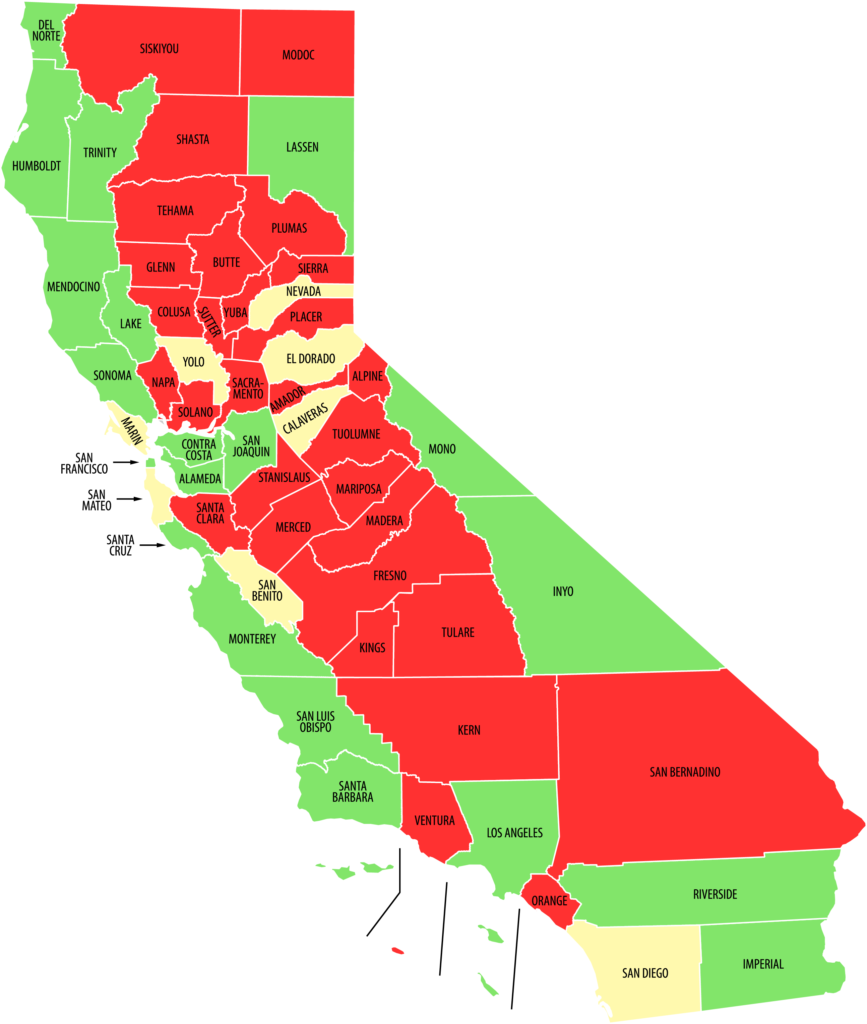
- Research Specific Local Laws: While state law sets the baseline, individual cities and counties in California have the authority to establish additional regulations regarding cannabis businesses and public consumption. For example, some municipalities may prohibit dispensaries or consumption lounges, while others are more liberal. Always do a quick search for local cannabis laws in your specific destination within California (e.g., Coachella Valley, Lake Tahoe) to ensure compliance.
- Choose Accommodation Wisely: If cannabis consumption is important to your trip, prioritize booking “420-friendly” vacation rentals or researching hotels with designated consumption areas (though these are rare outside of dedicated lounges). This proactive step will save you potential headaches and allow for legal consumption.
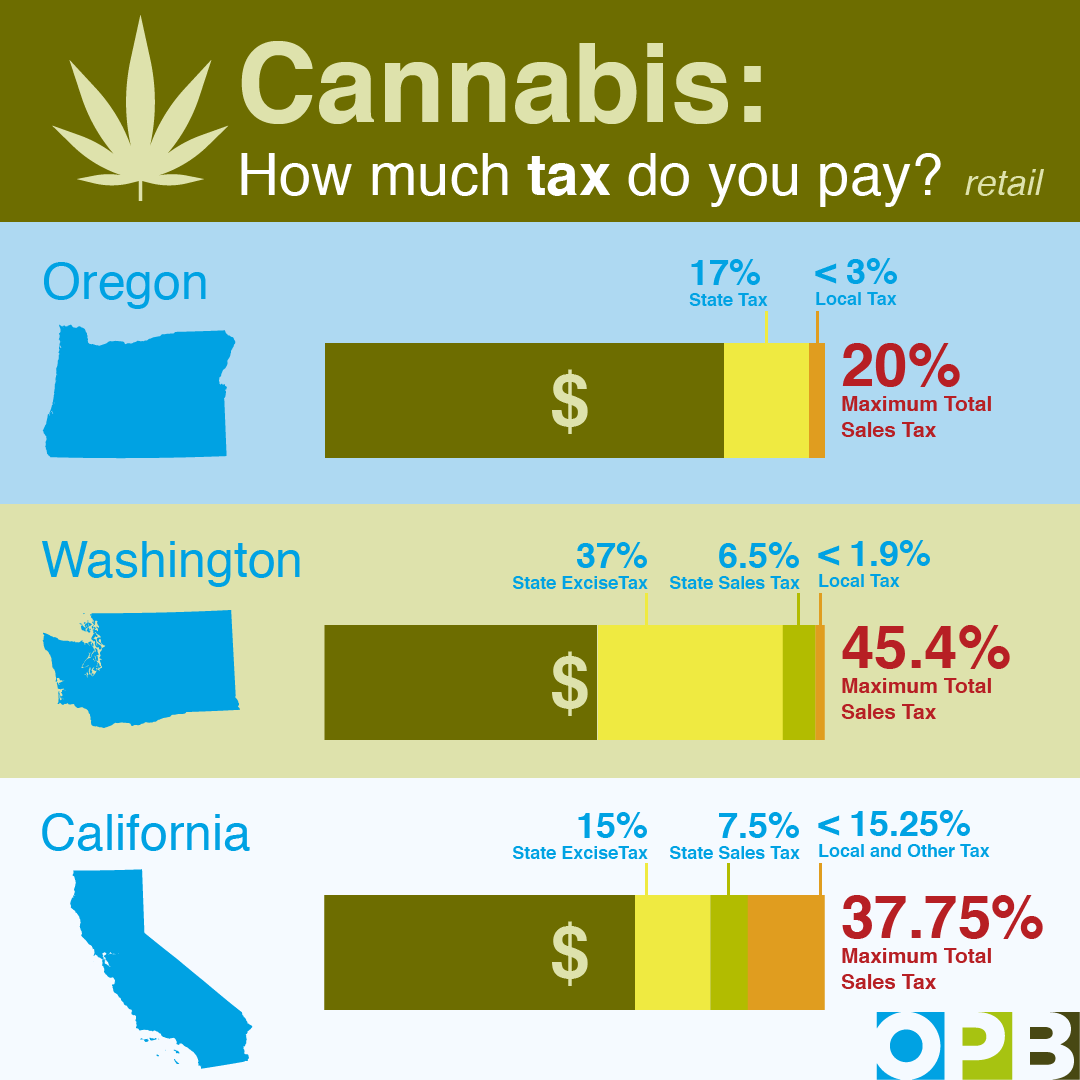
- Budget for Purchases: Cannabis products vary widely in price based on type, quality, and brand. Factor cannabis purchases into your travel budget, just as you would for dining, attractions, or other leisure activities.
- Bring Valid ID: A valid government-issued ID proving you are 21 or older is essential for purchasing cannabis at any licensed dispensary. Keep it handy, as it will be checked meticulously.
- Understand Federal vs. State Law: Continually keep in mind the conflict between state and federal law. This means avoiding cannabis consumption or possession on federal property (such as national parks or airports) and never attempting to transport cannabis across state lines. This understanding is the most critical safeguard for responsible cannabis travel in California.
In conclusion, the answer to “Is cannabis legal in California?” is a resounding yes for adults 21 and over. This progressive stance has opened up new dimensions for tourism, allowing visitors to explore a vibrant cannabis culture responsibly. From browsing innovative products at licensed dispensaries to unwinding in dedicated consumption lounges, California offers unique experiences for those interested in cannabis. However, understanding and meticulously adhering to the state’s specific regulations regarding purchase, possession, and especially consumption is paramount. By respecting the law, exercising discretion, and prioritizing safety, travelers can seamlessly integrate California’s legal cannabis landscape into their memorable journey through the Golden State, adding another rich layer to its already diverse tapestry of travel offerings.