
The question of cannabis legality in Texas is far more complex than a simple yes or no, especially for travelers exploring the vast landscapes and vibrant cities of the Lone Star State. As a premier destination for travel, tourism, and diverse lifestyle experiences, Texas attracts millions annually, drawn to its unique blend of history, culture, and natural beauty. From the bustling metropolitan areas of Houston and Dallas to the live music capital of Austin and the historic charm of San Antonio, visitors seek everything from luxury accommodation to authentic local experiences. Understanding the nuances of Texas’s cannabis laws is crucial for anyone planning a visit, ensuring a smooth and enjoyable trip free from legal complications. While the United States has seen a growing trend towards cannabis legalization, Texas remains one of the more conservative states on this issue, leading to a patchwork of regulations that can confuse even seasoned travelers.
Understanding the Legal Landscape: A Nuanced View
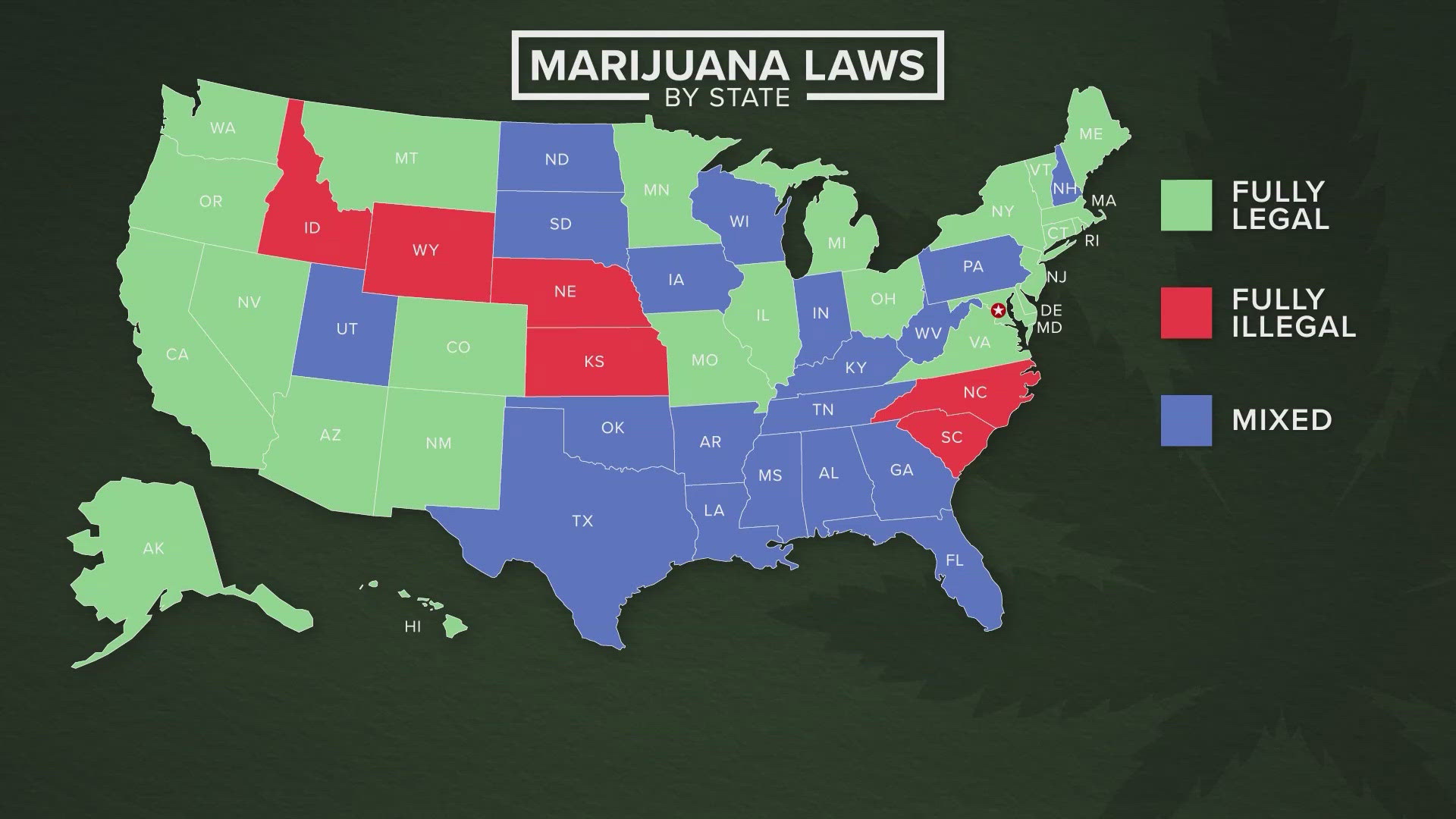
The legal status of cannabis in Texas is characterized by a strict approach to traditional marijuana (high-THC cannabis) while allowing for certain exceptions related to hemp and low-THC products. This creates a nuanced environment where some cannabis-derived products are legal, while others remain strictly prohibited. It’s essential for both residents and visitors to differentiate between these categories to avoid legal pitfalls that could impact their travel plans or overall experience in Texas. The distinction often hinges on the concentration of Delta-9 THC, the primary psychoactive compound in cannabis.
Marijuana (Delta-9 THC) and Medical Cannabis
In Texas, traditional marijuana — cannabis containing more than 0.3% Delta-9 THC on a dry weight basis — is illegal for recreational use. Possession of any amount can lead to severe penalties, ranging from misdemeanor charges with fines and jail time for small amounts to felony charges for larger quantities or intent to distribute. These penalties are not minor and can significantly disrupt any travel plans, not to mention having long-term legal consequences.
While recreational marijuana remains outlawed, Texas does have a highly restrictive medical cannabis program known as the Texas Compassionate Use Program (TCUP). This program is not a broad medical marijuana system like those found in many other states. Instead, it permits the use of low-THC cannabis products (with a Delta-9 THC content of no more than 0.5%) for a very limited list of qualifying conditions. These conditions have expanded slightly over the years but still include debilitating neurological disorders like epilepsy, multiple sclerosis, spasticity, autism, and certain incurable neurological diseases. Access to TCUP requires a prescription from a qualified physician registered with the state, and the products are typically available as oils or edibles, not smokeable forms. For a traveler, unless they are a Texas resident with a valid prescription for a qualifying condition, accessing medical cannabis through TCUP is not a viable option. Even then, carrying medical cannabis across state lines, even from another legal medical state, is federally illegal and risky within Texas.
The CBD and Hemp Exception
The landscape changed significantly with the passage of the 2018 Farm Bill at the federal level, which legalized hemp production across the United States. Texas followed suit with Texas House Bill 1325 in 2019, which legalized the cultivation, processing, and sale of hemp and hemp-derived products. The key distinction here is that hemp is defined as a cannabis plant with a Delta-9 THC concentration of no more than 0.3% on a dry weight basis.
This legislative move made products containing cannabidiol (CBD) legal in Texas, provided they adhere to the 0.3% Delta-9 THC threshold. As a result, CBD products such as oils, tinctures, edibles, topicals, and even CBD-infused beverages are widely available across the state. Travelers can find these products in health food stores, specialty shops, and even some supermarkets. Many visitors interested in wellness or natural remedies might seek out CBD as part of their lifestyle choices. It’s important to ensure that any CBD product purchased in Texas comes from a reputable source that can provide third-party lab testing to verify its Delta-9 THC content is below the legal limit. Purchasing unregulated products, especially online, carries the risk of exceeding the THC threshold and inadvertently possessing an illegal substance.
The Delta-8 THC Dilemma
One of the most contentious areas in Texas’s cannabis laws revolves around Delta-8 THC. This cannabinoid is naturally present in cannabis but typically in very small concentrations. Most Delta-8 THC products on the market are synthesized from CBD derived from hemp. Because the 2018 Farm Bill legalized all derivatives of hemp that contain less than 0.3% Delta-9 THC, Delta-8 THC initially exploded in popularity across Texas and other states. It offers a milder psychoactive effect compared to Delta-9 THC, making it attractive to consumers looking for a legal alternative.
However, the legal status of Delta-8 THC in Texas has been a rollercoaster. In 2021, the Texas Department of Public Safety attempted to classify Delta-8 THC as a Schedule I controlled substance, effectively making it illegal. This move was met with strong opposition from the hemp industry, leading to a temporary injunction that allowed sales to continue. As of late 2023 and early 2024, the legal battle continues, with varying court decisions and ongoing legislative attempts to regulate or ban it.
For travelers, this means the legal status of Delta-8 THC is highly unstable and subject to change. While you might still find Delta-8 THC products in stores across Texas, purchasing or possessing them carries inherent risks due to the legal uncertainty. It is generally advisable for visitors to exercise extreme caution or avoid Delta-8 THC products altogether to prevent any potential legal issues. The safest approach is to stick to verifiable CBD products that clearly state their Delta-9 THC content is below 0.3%.
Risks and Penalties for Non-Compliance
The penalties for violating cannabis laws in Texas are stringent and can be severe.
- Possession of Marijuana (over 0.3% Delta-9 THC):
- Less than 2 ounces: Class B misdemeanor, up to 180 days in jail, and/or a fine of up to $2,000.
- 2 to 4 ounces: Class A misdemeanor, up to 1 year in jail, and/or a fine of up to $4,000.
- 4 ounces to 5 pounds: State jail felony, 180 days to 2 years in state jail, and/or a fine of up to $10,000.
- Larger quantities carry even harsher felony charges, including significant prison time.
- Paraphernalia: Possession of drug paraphernalia, even without actual marijuana, can result in a Class C misdemeanor, punishable by a fine of up to $500.
- Distribution/Sales: Selling or distributing any amount of illegal cannabis leads to felony charges with substantial penalties.
For travelers, a cannabis-related arrest can lead to immediate detention, confiscation of goods, significant legal fees, and potential travel restrictions, not to mention a lasting criminal record that could affect future travel or employment. It’s imperative to remember that even if you’re coming from a state or country where cannabis is legal, Texas laws apply within its borders. Transporting cannabis across state lines, even if legal in both originating and destination states (which is not the case for Texas), is a federal offense, carrying additional risks when traveling through national airspace or across federal land.
Navigating Texas as a Traveler: What You Need to Know
For those planning to explore the vast array of Texas attractions, from the Alamo in San Antonio to Space Center Houston, understanding local laws extends beyond cannabis. However, regarding cannabis, the safest approach for travelers is to assume that recreational marijuana is illegal and prohibited. Even in cities like Austin where local ordinances have decriminalized small amounts of marijuana (meaning police might issue a citation instead of making an arrest for minor possession), state law still classifies it as illegal. These local ordinances do not override state law, and enforcement can vary. Therefore, the risk of arrest and prosecution remains.
Accommodation Policies and Considerations
When it comes to accommodation in Texas, whether you’re staying in a luxury resort in Dallas, a boutique hotel in Austin, or a charming bed and breakfast in the Texas Hill Country, policies regarding cannabis are generally strict. Most hotels, resorts, and vacation rentals have clear no-smoking policies, which often extend to vaping, and certainly to illegal substances. Even if a particular accommodation is in a city with lenient local ordinances, it operates under state law and its own property rules.
- Hotels and Resorts: Expect strict no-smoking policies for all forms of cannabis, including medical cannabis. Violations can lead to significant cleaning fees, eviction, and potential legal action if illegal substances are involved.
- Vacation Rentals (e.g., Airbnb, VRBO): Owners set their own rules, but the vast majority will prohibit illegal drug use on their properties. Always review the house rules carefully before booking.
- Public Places: Using or possessing marijuana in public spaces, including parks, beaches (like those on South Padre Island), and entertainment districts (Sixth Street in Austin or the Riverwalk in San Antonio), is illegal and more likely to lead to immediate legal consequences.
For those using legal CBD products, discretion is key. While legal, openly consuming CBD products that resemble illegal cannabis (e.g., CBD flower) can still cause misunderstandings with law enforcement who may need to test the product to confirm its legality, potentially leading to inconvenience or temporary detention. Stick to clearly labeled, discreet CBD edibles or tinctures if you choose to use these products.
Local Ordinances: A Note of Caution
Several Texas cities have adopted local ordinances that either “cite and release” or “defund prosecution” for small amounts of marijuana. These include Austin, Dallas, El Paso, Denton, and Killeen. While these measures aim to reduce arrests for minor possession, they do not legalize marijuana at the state level. Law enforcement officers still have the discretion to enforce state law, and county or state prosecutors can still pursue charges regardless of city policy. Therefore, travelers should not interpret these local ordinances as permission to possess or consume marijuana. The safest course of action is always to abide by state law.
Beyond Cannabis: Exploring the Lone Star State Responsibly
Texas offers an incredible diversity of travel experiences, from its vast natural landmarks like Big Bend National Park to its vibrant urban centers and rich cultural heritage. Focusing on responsible tourism and adherence to all local and state laws will ensure a fulfilling and unforgettable journey.
General Travel Tips for Texas
- Stay Informed: Beyond cannabis, familiarize yourself with general laws and local customs. Texas is known for its open-carry gun laws, for example, which can be surprising to visitors from other regions.
- Respect Local Culture: Texas pride runs deep, and showing respect for its unique culture, history, and traditions will enhance your experience.
- Plan Your Itinerary: Texas is enormous. Distances between major cities like Houston, Dallas, Austin, and San Antonio are significant. Factor in travel time, especially if you’re exploring diverse regions like the Gulf Coast (e.g., Galveston, Corpus Christi), the Panhandle (Amarillo, Lubbock), or East Texas.
- Hydration and Sun Protection: Texas weather can be extreme, especially in summer. Always carry water, wear sunscreen, and dress appropriately for the heat.
- Traffic and Driving: Texas has large, sprawling cities with heavy traffic. Utilize navigation apps and allow ample time for commuting, especially during peak hours.
The Future of Cannabis in Texas and Its Impact on Tourism
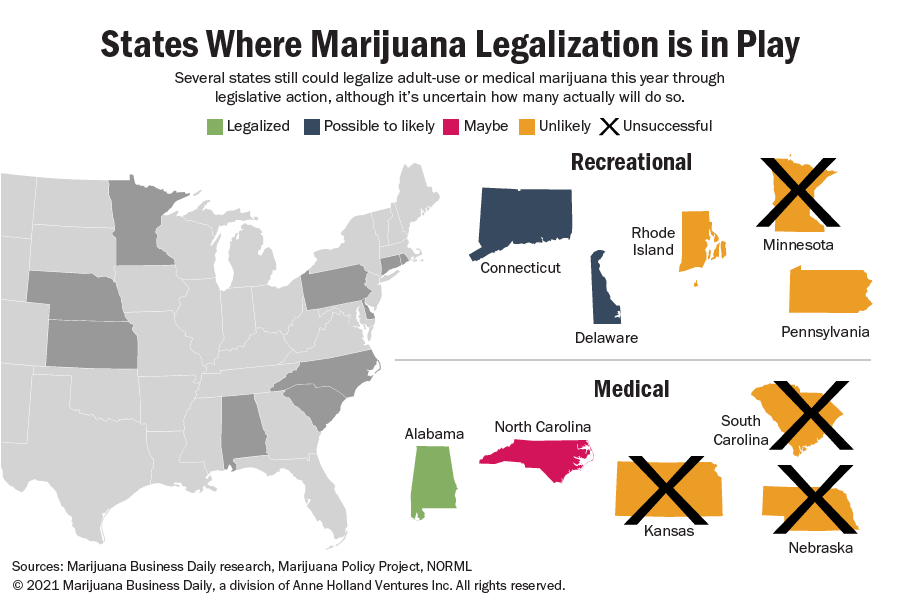
The debate over cannabis legalization in Texas is ongoing and highly dynamic. Each legislative session sees new bills proposed to either expand medical cannabis, decriminalize marijuana, or even move towards full recreational legalization. Proponents often highlight the potential for increased tax revenue, job creation, and enhanced tourism, drawing comparisons to states like Colorado or California.
Should Texas eventually legalize recreational cannabis, it could significantly impact the state’s tourism and lifestyle sectors. New businesses, such as dispensaries, cannabis lounges, and specialized accommodation options, could emerge, catering to a new segment of travelers interested in cannabis tourism. Cities like Austin or Houston, already known for their vibrant nightlife and progressive attitudes, could become major destinations for such experiences. This would open up new avenues for luxury travel and niche experiences, from cannabis-friendly resorts to themed travel packages.
However, significant political hurdles remain. The conservative leanings of the state legislature mean that any substantial changes are likely to be slow and incremental. For now, visitors should rely on the current legal framework, which is characterized by strict prohibition for recreational Delta-9 THC marijuana and cautious access to low-THC hemp products.
In conclusion, for anyone planning a trip to Texas, the answer to “Is cannabis legal in Texas?” is generally no, for recreational purposes, and with highly specific exceptions for medical use and hemp-derived products. While the appeal of Texas as a premier travel destination is undeniable, responsible tourism demands a clear understanding and adherence to its laws. By staying informed and making prudent choices, travelers can fully enjoy the rich tapestry of experiences the Lone Star State has to offer, from its bustling cities and historical landmarks to its unique natural wonders, all without legal complications.