
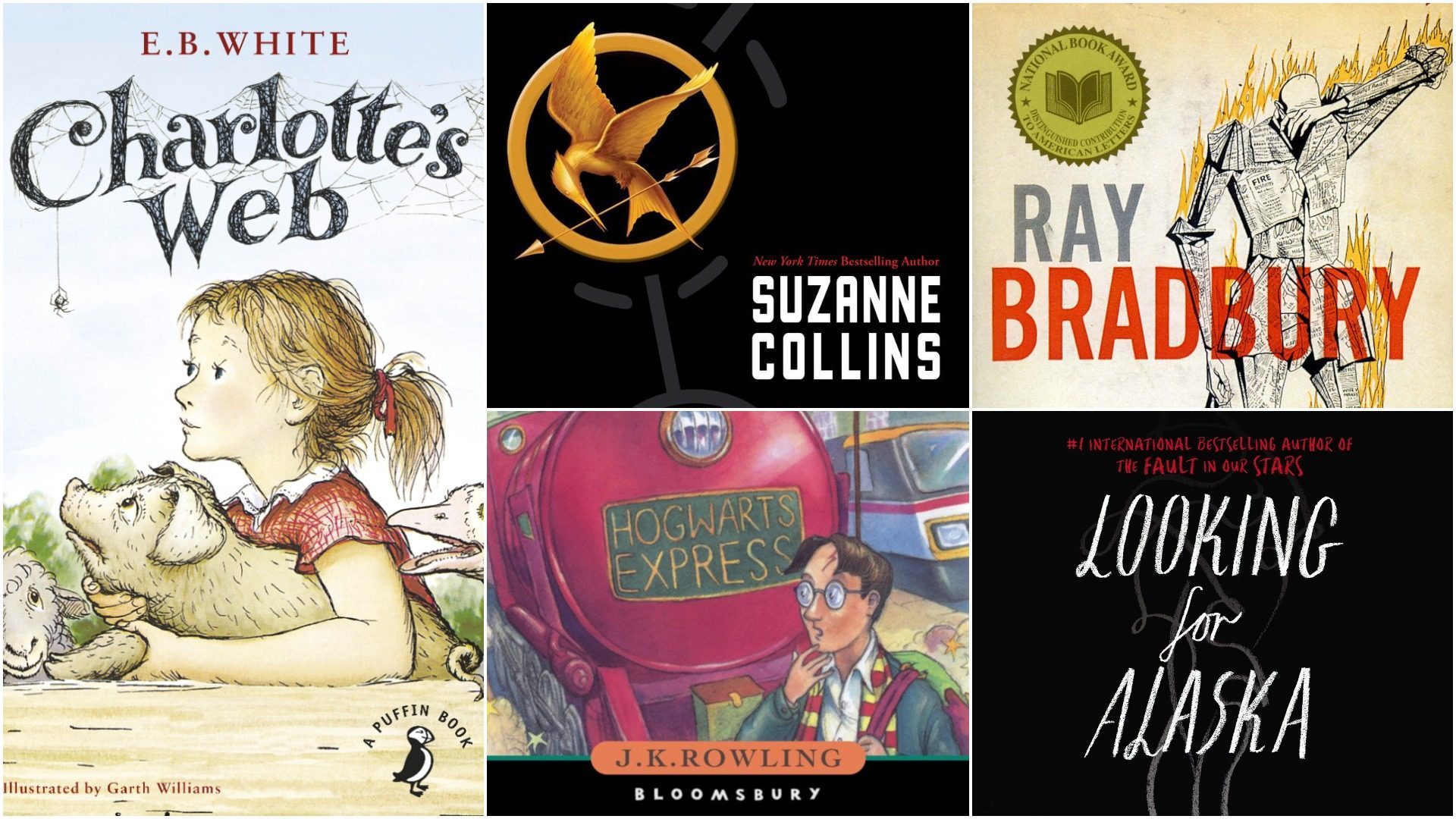
The enduring question of whether the beloved children’s classic, “Charlotte’s Web,” is still banned in Kansas has a surprisingly nuanced answer, touching on themes of censorship, literary interpretation, and the ever-evolving landscape of educational content. While the immediate, definitive “yes” or “no” might be tempting, the reality is far more intricate, involving specific instances, local interpretations, and the book’s persistent presence in school libraries across the Sunflower State. To truly understand the status of “Charlotte’s Web” in Kansas, we must delve into the history of book challenges, explore the reasons behind such controversies, and consider the book’s cultural significance.
The Echoes of Controversy: A Look Back at Book Challenges
The notion of “Charlotte’s Web” being banned in Kansas often stems from a widely reported incident in the early 1990s. While not a statewide legislative ban, this particular instance involved a challenge at the Riley County Elementary School in Manhattan, Kansas. The concern, voiced by a parent, centered on the book’s perceived portrayal of the life cycle, specifically the natural death of Charlotte the spider. The argument suggested that the depiction of death, even in a gentle, allegorical manner, was inappropriate for young children and could be upsetting. This concern, while understandable from a parental perspective, sparked a debate that reverberated beyond the local community.
Understanding the “Why”: Reasons Behind Challenging “Charlotte’s Web”
The challenge at Riley County Elementary School highlights a recurring theme in book censorship: the varying interpretations of content and the subjective nature of what is considered “appropriate” for children. In the case of “Charlotte’s Web,” the perceived issue was the thematic exploration of mortality. E.B. White’s masterful storytelling gently introduces young readers to the concept of loss, framing it within a narrative of enduring friendship and the beauty of life’s cycles. For some, this was a valuable and age-appropriate lesson in empathy and understanding. For others, the direct confrontation with death, even indirectly, was deemed too sensitive for their children.
It’s important to note that the reasons for challenging books are diverse and can extend beyond the specific concerns raised about “Charlotte’s Web.” Common grounds for challenges often include:

- Religious Objections: Books that are perceived to contradict religious beliefs or promote secular viewpoints can face opposition.
- Sexual Content or Nudity: This is a frequent concern, particularly in books aimed at older children or young adults.
- Violence or Profanity: Explicit depictions of violence or the use of offensive language can lead to challenges.
- Political or Social Agendas: Books that promote what some perceive as a particular political or social agenda, such as feminism, environmentalism, or LGBTQ+ themes, can also be targeted.
- Drug and Alcohol Abuse: Content that depicts or encourages the use of substances is another common reason for concern.
In the context of “Charlotte’s Web,” the challenge was a more subtle one, focusing on a fundamental aspect of life that, for some, was best shielded from young minds. This underscores the challenge faced by educators and librarians in navigating parental concerns while upholding intellectual freedom and the literary merit of chosen texts.
The Verdict: Not a Statewide Ban, but Localized Debates
So, is “Charlotte’s Web” still banned in Kansas? The straightforward answer is no, there is no statewide ban on E.B. White’s classic in Kansas. The incident at Riley County Elementary School was a localized attempt to remove the book from a specific curriculum or library shelf, not a legislative act affecting the entire state. In fact, such challenges are more accurately described as “book challenges” or “book attempts,” rather than outright bans, as they are often initiated by individuals or groups seeking to influence the availability of a book within a particular institution, such as a school or public library.
The Persistence of a Beloved Classic
Despite occasional challenges, “Charlotte’s Web” has remained an integral part of children’s literature across the United States, including in Kansas. The book’s profound lessons on friendship, loyalty, sacrifice, and the beauty of life’s natural cycles have resonated with generations of readers. Its gentle exploration of death, framed within the context of love and remembrance, is often seen as a valuable tool for discussing sensitive topics with children.
The resilience of “Charlotte’s Web” in the face of these challenges speaks to its enduring literary quality and its ability to connect with readers on an emotional level. When faced with a challenge, school districts and libraries typically have review processes in place. These processes often involve committees of educators, parents, and community members who examine the challenged material in its entirety, considering its educational value, age-appropriateness, and the broader literary and artistic merit. In most cases, the inherent value and widespread appeal of “Charlotte’s Web” have led to its retention in school libraries and reading lists.
The ongoing presence of “Charlotte’s Web” in Kansas schools and libraries serves as a testament to the power of literature and the importance of critical evaluation. While the question of bans and censorship will likely continue to be a topic of discussion, this particular classic stands as a symbol of literary endurance and the capacity of well-crafted stories to educate, inspire, and touch the hearts of readers, young and old. The story of Wilbur the pig and his wise spider friend, Charlotte, continues to spin its magic, proving that some tales are simply too good, and too important, to be silenced.