
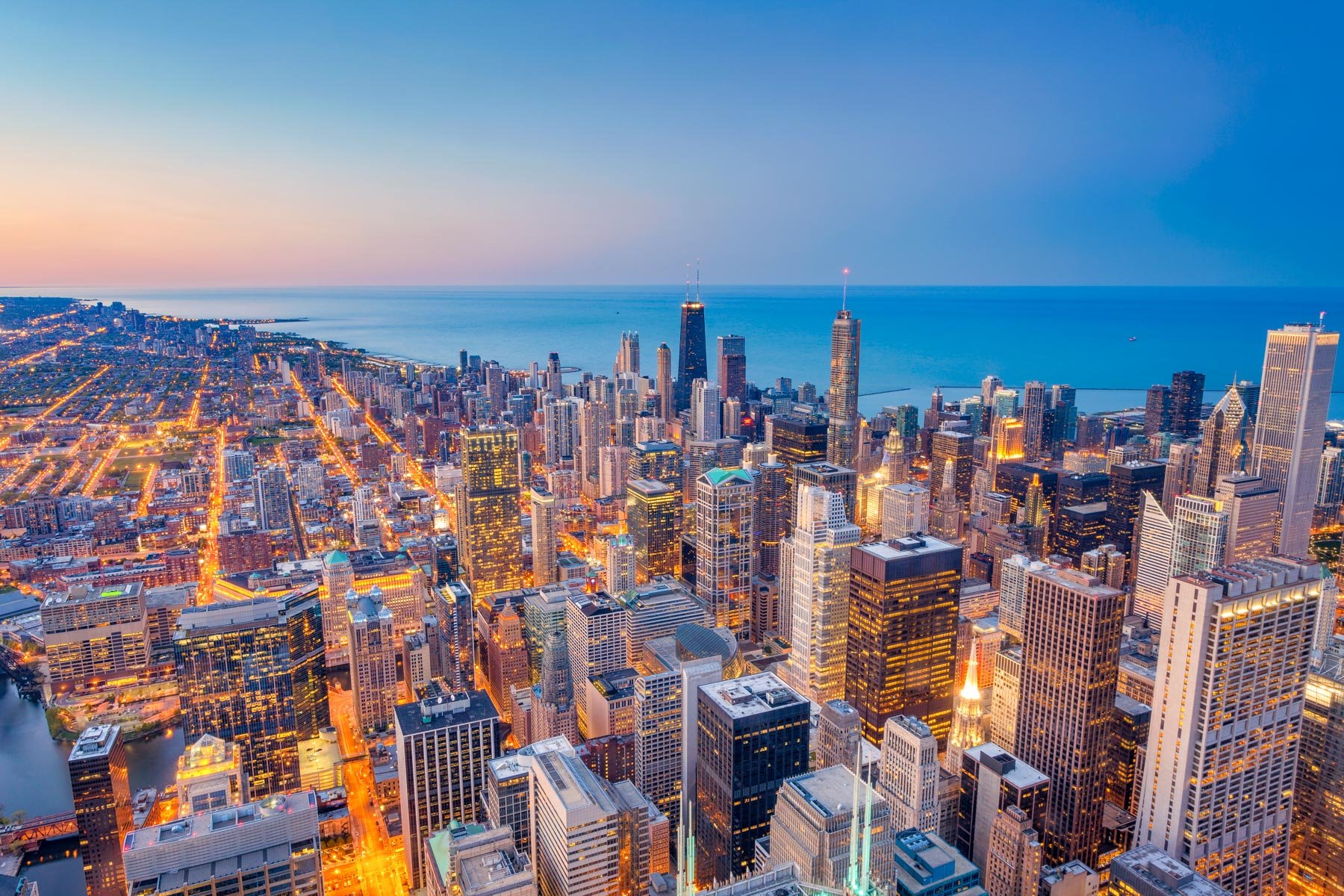
Chicago, often hailed as one of America’s most vibrant and dynamic cities, consistently captures the imagination of those seeking a rich urban experience. With its iconic skyline, deep-rooted history, and a cultural tapestry woven from diverse influences, it’s a city that frequently appears on lists for best places to visit and live. But beyond its reputation as a world-class tourist destination, what is it truly like to call Chicago home? Does the reality live up to the hype for long-term residents? This comprehensive guide delves into the many facets of living in the Windy City, exploring its advantages and disadvantages to help you determine if it’s the right place for your next chapter.
From its thriving economy and unparalleled arts scene to its distinct neighborhoods and practical considerations like cost of living and transportation, we’ll uncover what makes Chicago a truly exceptional place to live for some, and a challenging one for others. Whether you’re considering a move for career opportunities, cultural immersion, or simply a change of pace, understanding the nuances of life here is key.
The Allure of the Windy City: What Makes Chicago Special?
Chicago’s appeal is multifaceted, drawing in millions with its distinctive blend of urban sophistication and Midwestern charm. It’s a city that manages to feel grand and intimate simultaneously, where world-renowned architecture frames bustling streets and serene green spaces. This unique character contributes significantly to the quality of life enjoyed by its residents.
A Hub of Culture, Arts, and Entertainment
The cultural landscape of Chicago is arguably one of its strongest selling points. The city’s commitment to arts and culture is unparalleled, offering a wealth of experiences that cater to every taste. Museum lovers will find themselves spoiled for choice with institutions like the Art Institute of Chicago, home to an extraordinary collection spanning centuries and continents. The Field Museum transports visitors through natural history, boasting everything from dinosaurs to ancient Egyptian artifacts, while the Museum of Science and Industry offers interactive exhibits that delight all ages. For those fascinated by the cosmos, the Adler Planetarium provides breathtaking views of the night sky and immersive space exploration. And let’s not forget the aquatic wonders awaiting at the Shedd Aquarium, a truly captivating experience for families and individuals alike.
Beyond museums, Chicago’s theater scene rivals that of New York City, featuring everything from Broadway in Chicago productions at grand venues to innovative storefront theaters in neighborhoods like Lincoln Park. The city is also a renowned incubator for improvisational comedy, with legendary institutions like The Second City having launched the careers of countless comedic stars. Music enthusiasts will find an equally vibrant landscape, with live music venues showcasing every genre imaginable, from jazz and blues clubs to rock arenas. During the summer, the city comes alive with outdoor concerts and festivals, including the famous Lollapalooza and the Chicago Jazz Festival.
Chicago’s culinary scene is world-class, offering an astounding array of dining options that range from Michelin-starred fine dining establishments to beloved deep-dish pizza joints and vibrant ethnic eateries. The diversity of food reflects the city’s diverse population, allowing residents to embark on a global gastronomic journey without ever leaving the city limits. Similarly, shopping opportunities abound, particularly along the famed Magnificent Mile, which is home to flagship stores, luxury boutiques, and major department stores. This blend of high culture, entertainment, and lifestyle amenities ensures that there’s always something new to explore and experience, making daily life in Chicago anything but monotonous.
Economic Vibrancy and Opportunity
For those prioritizing career growth and professional development, Chicago presents a compelling case. The city boasts a thriving job market and a remarkably diverse economy, underpinned by strong sectors in finance, technology, healthcare, manufacturing, and transportation. It serves as a major hub for business, attracting Fortune 500 companies and a burgeoning startup scene alike. This economic diversity translates into numerous opportunities for career advancement across various industries.
The presence of global corporations and innovative startups fosters a dynamic professional environment, often leading to competitive salaries and benefits packages. Networking opportunities are abundant, with countless professional organizations, industry events, and co-working spaces facilitating connections. This robust economic foundation makes Chicago an attractive destination for ambitious professionals at all stages of their careers, from recent graduates seeking their first role to seasoned executives looking for new challenges. The continuous growth and diversification of its economy suggest a promising outlook for long-term residents.
Community and Lifestyle
Beyond the grand institutions and economic engines, Chicago cultivates a strong sense of community that residents often cite as a key factor in their quality of life. Despite its metropolitan scale, Chicago is often described as a “city of neighborhoods,” each with its own distinct character, local businesses, and community events. From the trendy boutiques and lively nightlife of Wicker Park and River North to the historic elegance of the Gold Coast and the family-friendly vibe of Lincoln Park, there’s a neighborhood to suit every lifestyle and preference. This decentralization fosters local pride and strong communal bonds.
The people of Chicago are renowned for their Midwestern friendliness and down-to-earth attitude, which can be a refreshing change for those accustomed to the perceived anonymity of other large cities. Whether it’s striking up a conversation with a stranger at a local coffee shop or finding camaraderie among fellow sports fans, a welcoming spirit permeates much of the city. This strong sense of community, combined with abundant opportunities for social engagement and diverse lifestyle options, contributes significantly to making Chicago feel like home.
Navigating Life in Chicago: Practical Considerations
While Chicago’s attractions are undeniable, prospective residents must also weigh the practical aspects of daily life. Understanding the cost of living, transportation, and educational landscape is crucial for making an informed decision about relocating to the city.
Cost of Living: Balancing Urban Amenities with Affordability
It’s no secret that living in a major global city like Chicago comes with a certain price tag. The cost of living in Chicago is indeed higher than the national average, particularly when it comes to housing. Rent for apartments, especially in desirable downtown areas or popular neighborhoods, can be significant. Similarly, purchasing property, while generally more affordable than in cities like New York or San Francisco, still represents a substantial investment. Property taxes in Illinois, and Cook County in particular, are also relatively high, which can add to the overall cost of homeownership.
However, it’s important to contextualize these costs. Compared to many other global metropolises, Chicago can offer more bang for your buck in terms of space and amenities. Moreover, while some areas are undoubtedly expensive, there are still relatively affordable housing options available in various neighborhoods further from the city center, offering good value for money without sacrificing access to urban conveniences. Careful research into different areas and their respective housing markets can help individuals and families find suitable accommodation that fits their budget. Groceries and utilities are generally on par with national averages, though dining out and entertainment can add up quickly, reflecting the city’s rich offerings.
Transportation and Connectivity
One of Chicago’s most celebrated assets is its excellent public transportation system. The Chicago Transit Authority (CTA) operates an extensive network of ‘L’ trains and buses that cover virtually every corner of the city and many surrounding suburbs, making it remarkably easy to get around without a car. This robust public transport system is a major advantage, reducing the need for car ownership, saving on fuel and parking costs, and mitigating the environmental impact of daily commutes. The ‘L’ train, with its elevated tracks weaving through the urban landscape, is not just a mode of transport but an iconic part of the Chicago experience.
Despite the efficiency of public transit, traffic congestion can still be an issue for those who choose to drive, particularly during peak hours and on major expressways. Parking can also be challenging and expensive in dense urban areas. However, for many, the city’s walkability and bike-friendly infrastructure provide alternative, enjoyable ways to navigate. Chicago is also well-connected to the rest of the world, with two major international airports, O’Hare International Airport and Midway International Airport, offering extensive domestic and international flight options.
Education and Family Life
For families considering a move, Chicago’s educational opportunities are a significant draw. The city is home to a wide range of excellent public and private schools, offering diverse curricula and learning environments. From highly-rated public magnet schools to prestigious private institutions, parents have numerous choices for their children’s education. Furthermore, Chicago is a hub for higher education, boasting world-renowned universities such as the University of Chicago, Northwestern University (just north of the city), DePaul University, and Loyola University Chicago. These institutions not only attract students from across the globe but also contribute to the city’s intellectual vibrancy and research prowess. The presence of these universities creates a stimulating academic environment and offers continuing education opportunities for residents.
Weighing the Challenges: Weather, Safety, and Other Factors
No city is without its drawbacks, and Chicago is no exception. Understanding these challenges upfront can help prospective residents set realistic expectations and make informed decisions.
Understanding Chicago’s Climate
Perhaps the most commonly cited challenge of living in Chicago is its weather, particularly its winters. The city experiences long, often harsh winters characterized by cold temperatures, significant snowfall, and biting winds blowing off Lake Michigan – earning it the “Windy City” moniker in more ways than one. For those unaccustomed to such conditions, adapting can take time. However, Chicagoans have a resilient spirit, and the city offers plenty of indoor activities to enjoy during the colder months, from museums and theaters to cozy restaurants and cafes.
Conversely, Chicago summers are renowned for their beauty. The city truly transforms, with warm, sunny days perfect for enjoying the beaches, parks, and outdoor festivals. Spring and autumn offer pleasant temperatures and stunning seasonal foliage, providing a welcome transition between the extremes. While winter can be a test of endurance, the stunning beauty of the other three seasons often makes it worthwhile for residents who embrace the full cycle of distinct weather patterns.

Safety and Neighborhood Dynamics
Like any large metropolitan area, safety can be a concern in certain neighborhoods of Chicago. The city has grappled with its reputation regarding crime rates, particularly in specific areas and with regard to gun violence. However, it’s crucial to understand that crime is often highly localized, and many of Chicago’s neighborhoods are very safe and welcoming.
The overall crime rate in Chicago has shown decreasing trends in recent years, and sustained efforts by city officials and community organizations are continually working to improve safety across all areas. Prospective residents should research specific neighborhoods thoroughly to understand their unique safety profiles and find areas that align with their comfort levels. Focusing on well-established residential districts and areas with strong community initiatives can often provide peace of mind. The presence of active community groups, local businesses, and well-maintained public spaces often correlates with safer environments.
Embracing the Outdoors and Recreation
Despite its urban density, Chicago offers abundant opportunities for outdoor recreation and connecting with nature. The city is home to an impressive network of beautiful parks and green spaces, providing urban oases for relaxation, exercise, and social gatherings. Lincoln Park, one of the largest urban parks in the United States, features a free zoo, conservatories, sports fields, and walking trails along the lakefront. Millennium Park and Grant Park, both iconic landmarks downtown, are home to famous public art installations like Cloud Gate (affectionately known as “The Bean”) and host numerous festivals and events throughout the year.
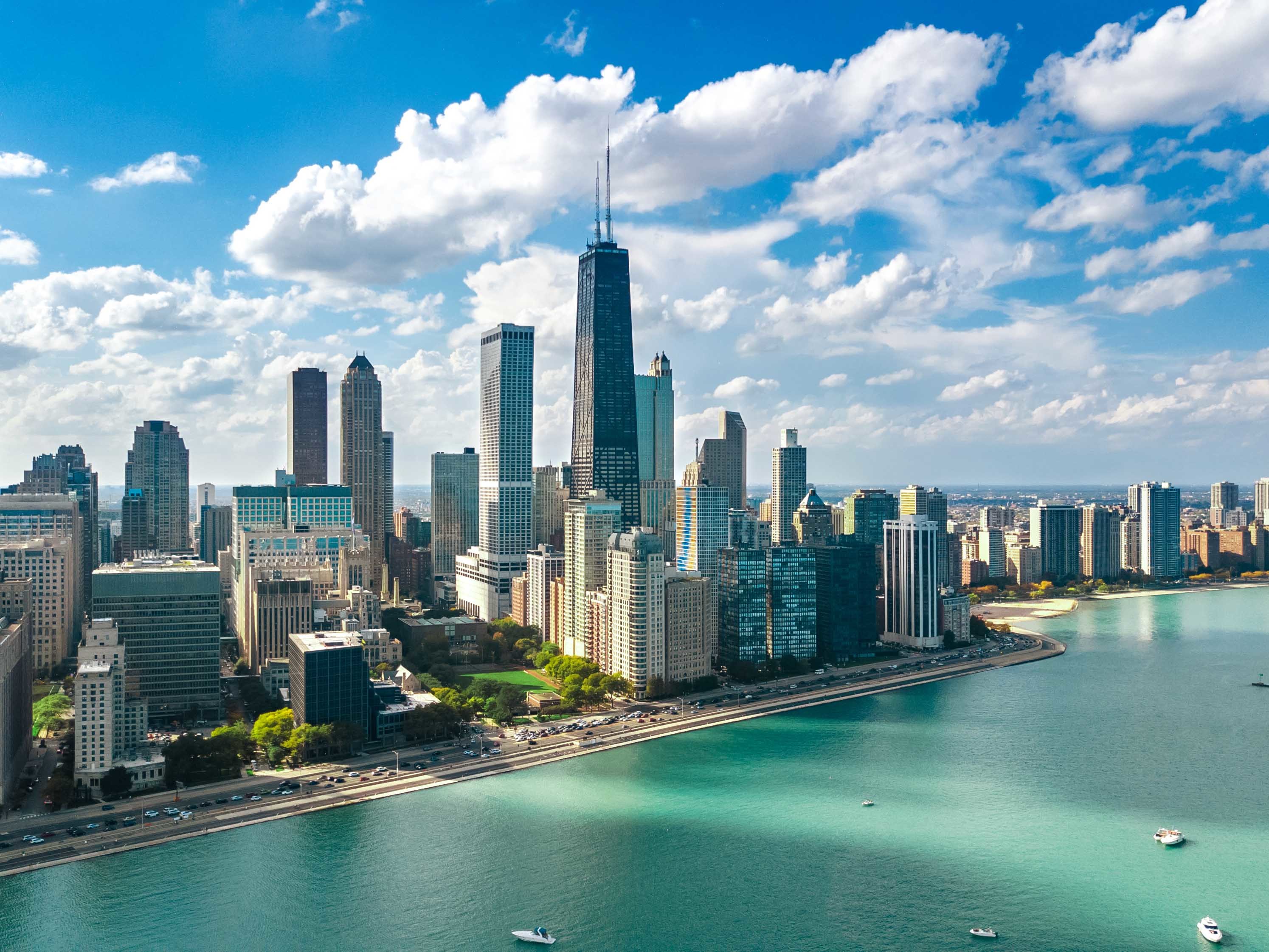
Lake Michigan is arguably Chicago’s greatest natural asset, offering stunning views and a wide array of recreational opportunities. The 18-mile-long Lakefront Trail is a favorite for joggers, cyclists, and walkers, providing breathtaking vistas of the city skyline against the vast expanse of the lake. Beaches dot the shoreline, becoming popular spots for sunbathing and swimming during the warmer months. Boating, kayaking, and paddleboarding are also popular activities, allowing residents to experience the city from a unique perspective on the water. Even in winter, the frozen lakefront offers a stark, beautiful landscape for contemplation. This seamless integration of urban life with natural beauty significantly enhances the quality of life for Chicagoans, offering a constant escape from the concrete jungle.
Making Chicago Your Home: A Summary
So, “Is Chicago a good place to live?” The answer, like the city itself, is complex and multifaceted. It truly is one of America’s most dynamic and exciting cities, offering a quality of life that is, for many, truly exceptional. Its unparalleled cultural scene, diverse economy, friendly communities, and stunning natural amenities make it an incredibly attractive place to call home. The opportunities for personal and professional growth are immense, and the sheer volume of things to see and do means boredom is rarely an issue.
However, prospective residents must also be prepared for the practical realities: a higher cost of living than the national average, the challenges of winter weather, and the need to be mindful of neighborhood safety dynamics. These factors require careful consideration and planning.
Ultimately, whether Chicago is a “good place to live” depends on individual priorities, lifestyle preferences, and adaptability. For those who embrace its vibrant energy, tolerate its seasonal extremes, and appreciate its rich tapestry of experiences, Chicago offers a deeply rewarding and fulfilling urban life. It’s a city that challenges, inspires, and ultimately, captivates those who choose to make it their home.
LifeOutOfTheBox is a participant in the Amazon Services LLC Associates Program, an affiliate advertising program designed to provide a means for sites to earn advertising fees by advertising and linking to Amazon.com. Amazon, the Amazon logo, AmazonSupply, and the AmazonSupply logo are trademarks of Amazon.com, Inc. or its affiliates. As an Amazon Associate we earn affiliate commissions from qualifying purchases.