
For travelers planning a visit to the vibrant metropolis of Chicago, understanding the local time zone is more than just a trivial detail; it’s a fundamental aspect of seamless travel planning. Whether you’re coordinating flights, booking dinner reservations, or scheduling business meetings, knowing precisely what time it is in the Windy City is crucial. So, to answer the burning question right off the bat: Yes, Chicago observes Central Standard Time (CST) during the winter months and Central Daylight Time (CDT) during the summer.
Located in the heart of the United States, Illinois falls squarely within the Central Time Zone, which is GMT-6 during standard time and GMT-5 during daylight saving time. This distinction is vital for anyone traveling from different time zones, especially those from the Eastern, Mountain, or Pacific time zones within America, or international visitors arriving from Europe or Asia. Beyond just the clock, understanding Chicago’s time zone has practical implications for flights, accommodations, and experiencing the city’s rich tapestry of attractions and local culture. This comprehensive guide will delve into the intricacies of Chicago’s time, its historical context, and most importantly, how to navigate it effortlessly as you explore one of the world’s most captivating destinations.
Understanding Time Zones: Chicago’s Place on the Map
The concept of standardized time zones, though seemingly straightforward today, was a revolutionary idea in the late 19th century, designed to bring order to a chaotic world of local solar times. For a city like Chicago, its geographical position dictates its temporal alignment, placing it firmly within the Central Time Zone.
Central Standard Time (CST) and Central Daylight Time (CDT) Explained
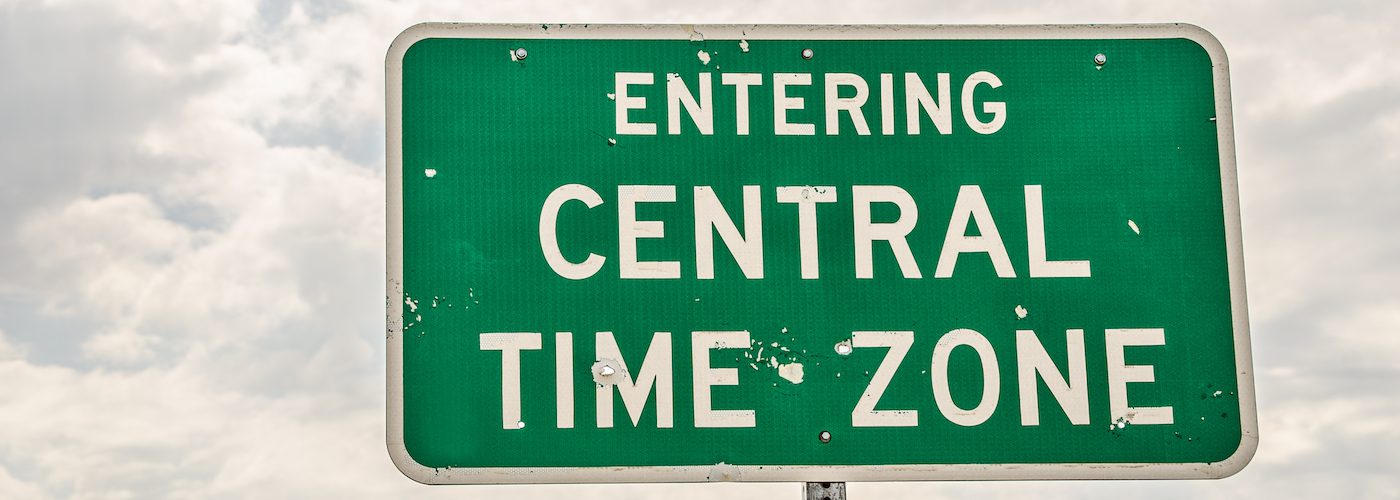
The United States is divided into several time zones to account for the Earth’s rotation and the varying positions of the sun. The Central Time Zone is one of the four primary time zones in the continental US, along with Eastern, Mountain, and Pacific. For much of the year, from early November to mid-March, Chicago operates on Central Standard Time (CST), which is six hours behind Coordinated Universal Time (UTC), often expressed as UTC-6 or GMT-6. This means if it’s noon UTC, it’s 6:00 AM in Chicago.
However, like many regions across the globe, Chicago observes Daylight Saving Time. This annual practice, aimed at making better use of daylight and conserving energy, shifts the clocks forward by one hour. From the second Sunday in March to the first Sunday in November, Chicago switches to Central Daylight Time (CDT), making it five hours behind Coordinated Universal Time (UTC), or UTC-5/GMT-5.
This transition means that visitors arriving in Chicago must be mindful of the time of year. A trip in April will find the city on CDT, while a visit in December will be under CST. While most modern smartphones and devices automatically adjust, it’s always wise to double-check, especially for critical schedules like flight departures or important meetings. The “spring forward, fall back” mnemonic is a helpful reminder: clocks spring forward by an hour in March and fall back by an hour in November. This annual dance of the clock ensures that residents and visitors alike can maximize daylight hours during the warmer months, enjoying longer evenings for outdoor activities and tourism.
The Rationale Behind Time Zones: A Brief History
Before the advent of standardized time zones, each town or city would set its clocks according to the sun’s highest point at noon. While quaint, this system became impractical and even dangerous with the rise of railway travel in the 19th century. Imagine trains traveling across vast distances, with each station potentially observing a slightly different local time. This led to confusion, missed connections, and even accidents.
In America, the push for standardized time was largely driven by railroad companies. On November 18, 1883, known as “The Day of Two Noons,” North America adopted a system of standard time zones, largely mirroring the system we use today. This initiative divided the continent into four zones: Eastern, Central, Mountain, and Pacific. Chicago, being geographically located towards the western edge of the Eastern time zone’s original boundaries, was ultimately placed in the Central Time Zone due to population centers and railway hubs. This decision maximized efficiency for the burgeoning rail networks connecting the eastern and western halves of the United States and Canada. The system was later codified into law by the U.S. Congress with the Standard Time Act of 1918, solidifying the framework for modern timekeeping across the nation. This historical context underscores the practical necessity and foresight that led to the time zone system, which continues to facilitate global travel and commerce, making journeys to destinations like Chicago smoother for everyone.

Navigating Chicago Time as a Traveler
Understanding time zones is more than an academic exercise; it has real-world implications for travelers. For those visiting Chicago, knowing the exact time and how it relates to their origin point is crucial for minimizing stress and maximizing enjoyment. From avoiding missed flights to ensuring you arrive on time for a coveted deep-dish pizza reservation, a grasp of Central Time is your best travel companion.
Planning Your Arrival and Departures: Flights and Transportation
For most travelers, the journey to Chicago begins and ends at one of its major airports: O’Hare International Airport (ORD) or Midway International Airport (MDW). Both airports operate on local Chicago time, whether it’s CST or CDT. The critical takeaway here is to always verify the time zone specified on your flight tickets and itineraries. While airlines typically use local times for arrival and departure gates, it’s not uncommon for travelers to mix up time zones, especially when crossing multiple boundaries.
If you’re flying from the East Coast, remember that Chicago is one hour behind. So, an 8:00 AM flight from New York City arriving at 9:00 AM local Chicago time actually means a three-hour journey in duration, accounting for the time zone shift. Conversely, flying east from Chicago means losing an hour, so adjust your internal clock accordingly to avoid feeling rushed or missing subsequent connections.

Beyond air travel, if you’re arriving by train or bus, the same principles apply. Major transit hubs, like Union Station for Amtrak services, strictly adhere to Chicago time. Always set your watch or smartphone to local time upon arrival to ensure you’re in sync with everything from public transportation schedules to hotel check-in times. When planning ground transportation from the airports to your accommodation, be mindful of rush hour, which, of course, operates on Central Time. Arriving during peak hours (roughly 7-9 AM and 4-6 PM local time) can significantly impact travel duration to downtown Chicago hotels.
Synchronizing Your Schedule: Attractions, Dining, and Events
Once you’ve landed and checked into your hotel, the next step is to immerse yourself in all that Chicago has to offer. Whether you’re planning to visit world-class museums, catch a show, or dine at one of its renowned restaurants, all scheduled events will operate on Central Time. For instance, if the Art Institute of Chicago opens at 10:00 AM, that’s 10:00 AM CST or CDT.
Booking reservations, particularly for popular dining experiences or tours, requires attention to detail. A reservation for 7:00 PM in Chicago might feel like 8:00 PM if you’re coming from the Eastern Time Zone, potentially causing a slight internal adjustment. Similarly, if you’ve pre-booked tickets for a performance at one of the city’s historic theaters, or a boat tour along the Chicago Riverwalk, double-checking the local start time is crucial. Many attractions in Chicago are extremely popular, and being late can mean missing out or forfeiting your reservation.
Furthermore, if you’re traveling for business, conference calls, meetings, or presentations must be meticulously coordinated across time zones. Clearly communicating “Central Time” when scheduling ensures everyone is on the same page. Using tools that automatically convert times can be helpful, but a manual check always provides an extra layer of assurance. Keep an eye on local news or official tourism websites for any last-minute changes to operating hours, which will always be posted in Chicago local time.
Daylight Saving Time: Remembering the “Spring Forward, Fall Back” Rule
The transition to and from Daylight Saving Time can often be a source of confusion for travelers and locals alike. For Chicago, this means an annual shift from CST to CDT in March and back to CST in November.
- Spring Forward (March): On the second Sunday in March, clocks “spring forward” one hour at 2:00 AM local time. This means 2:00 AM instantly becomes 3:00 AM. While this grants an extra hour of daylight in the evenings, it also means a lost hour of sleep for those who don’t adjust their schedule. If you arrive on this particular weekend, be aware that your arrival time might effectively be an hour later than your body clock expects.
- Fall Back (November): On the first Sunday in November, clocks “fall back” one hour at 2:00 AM local time. This means 2:00 AM reverts to 1:00 AM, effectively giving an extra hour. This can be beneficial for travelers needing more sleep or wanting an extra hour to explore. However, it also means daylight ends earlier in the day.
The primary implication for travelers is simply awareness. Ensure your devices are set to automatically update their time zone and Daylight Saving Time settings. If you’re using an older watch or a device without automatic updates, manually adjusting it is vital. Missing a flight or an important appointment due to a Daylight Saving Time error can be a frustrating start or end to your trip. Staying informed about the specific dates for these changes in the current year will help you plan your travel to Chicago with absolute precision.
Beyond the Clock: Experiencing Chicago’s Timeless Allure
While understanding Chicago’s time zone is crucial for logistics, the city itself offers experiences that transcend the tick of the clock. Chicago is a world-class travel destination, celebrated for its stunning architecture, vibrant arts scene, culinary innovations, and friendly atmosphere. Whether you’re a first-time visitor or a seasoned traveler returning to its familiar embrace, the city promises a memorable adventure, perfectly aligning with the themes of travel, tourism, landmarks, and lifestyle.
Iconic Landmarks and Attractions to Explore
Chicago’s skyline is instantly recognizable, dotted with architectural marvels that tell a story of innovation and resilience. A visit to the city wouldn’t be complete without experiencing some of its most famous landmarks.
Start your exploration at Millennium Park, home to the iconic Cloud Gate, affectionately known as “The Bean.” Its reflective surface offers playful distortions of the city skyline and perfect photo opportunities. Adjacent to it, Grant Park, often called “Chicago’s front yard,” hosts the magnificent Buckingham Fountain, one of the largest fountains in the world.
For panoramic views that stretch across Lake Michigan and far into the Illinois landscape, ascend to Skydeck Chicago at the Willis Tower (formerly Sears Tower). Stepping out onto “The Ledge,” a glass-bottomed balcony extending from the building, is an exhilarating experience not for the faint of heart. Another fantastic vantage point is 360 Chicago at the former John Hancock Center.
Culture aficionados will find themselves at home in Chicago’s Museum Campus, featuring world-renowned institutions like the Field Museum, offering natural history wonders, the Shedd Aquarium, a dazzling aquatic wonderland, and the Adler Planetarium, providing a gateway to the cosmos. The previously mentioned Art Institute of Chicago, consistently ranked among the best museums globally, houses an unparalleled collection of Impressionist and Post-Impressionist art.
For family-friendly fun, Navy Pier offers a Ferris wheel, boat tours, and entertainment, while the historic Lincoln Park Zoo provides free admission and a diverse range of animals set against the backdrop of the city skyline. And, of course, no visit is complete without strolling down the upscale Magnificent Mile for shopping, dining, and architectural sightseeing. Each of these landmarks not only contributes to Chicago’s identity but also offers unique experiences that make every moment in the city count, regardless of the time on the clock.
Culinary Delights and Vibrant Nightlife
Chicago’s reputation as a food lover’s paradise is well-earned. The city caters to every palate and budget, from iconic street food to Michelin-starred restaurants. The undisputed king of Chicago cuisine is, of course, the deep-dish pizza. Establishments like Giordano’s and Lou Malnati’s offer classic takes on this cheesy, saucy masterpiece, a true rite of passage for any visitor. Don’t forget to try a Chicago-style hot dog – hold the ketchup! – and indulge in some caramel-cheese popcorn from Garrett Popcorn Shops.
Beyond these legendary treats, Chicago’s dining scene is incredibly diverse. Neighborhoods like West Loop and Fulton Market have transformed into culinary hotspots, boasting innovative eateries and trendy bars. River North offers a sophisticated array of restaurants, from steakhouses to international flavors.
When the sun sets, Chicago truly comes alive. The city’s nightlife is as varied as its food scene, offering everything from intimate jazz clubs and blues bars where legends have played, to lively dance clubs and upscale lounges. Whether you’re seeking a relaxed evening with craft cocktails or an energetic night out, Chicago has a venue for you. The Wrigleyville neighborhood, while famous for baseball, also features a vibrant bar scene perfect for pre- or post-game celebrations, or just a fun night out any day of the week. Experiencing Chicago’s culinary and nightlife offerings is a key component of understanding its local culture and lifestyle, creating memories that linger long after you’ve returned home.
Finding Your Perfect Stay: Hotels and Accommodation
As a major global destination, Chicago offers an extensive range of accommodation options to suit every preference, budget, and travel style. From luxurious five-star resorts to boutique hotels and budget-friendly apartments, finding the perfect base for your Chicago adventure is straightforward.
For travelers seeking ultimate luxury and impeccable service, downtown Chicago boasts world-renowned establishments such as The Peninsula Chicago, known for its elegant suites and rooftop amenities, The Langham Chicago, offering stunning river views and a serene spa, and Four Seasons Hotel Chicago, synonymous with opulence and personalized attention. Other top-tier choices include the Hyatt Park Chicago, known for its sophisticated design and prime location, and Thompson Chicago in the trendy Gold Coast neighborhood. These hotels not only provide luxurious rooms but often feature exquisite dining options, state-of-the-art fitness centers, and concierge services to enhance your travel experience.
Mid-range options are plentiful, offering comfortable stays with excellent amenities without the premium price tag. You’ll find well-regarded brands across the city, providing a balance of comfort, convenience, and value. For example, hotels around the Magnificent Mile or in the River North area offer easy access to attractions and transportation. Resorts and extended-stay apartments are also available for those planning longer visits or family trips, providing additional space and home-like conveniences.
Budget travelers and those seeking a more local experience can explore boutique hotels in vibrant neighborhoods like Wrigleyville, where properties like Hotel Zachary offer unique character close to attractions, or consider vacation rentals which provide flexibility and often a more authentic feel. Websites specializing in accommodation comparison and booking make it easy to find options that fit specific needs, whether it’s pet-friendly rooms, business facilities, or family suites. Reviews and detailed descriptions help travelers make informed decisions, ensuring their stay in Chicago is as comfortable and memorable as possible, regardless of the time zone.
In conclusion, understanding that Chicago operates on Central Standard Time (CST) and Central Daylight Time (CDT) is a simple yet crucial piece of information for any visitor. By accounting for the time zone shifts, especially during Daylight Saving Time, travelers can smoothly navigate their arrivals, departures, and daily activities, ensuring a stress-free and enjoyable experience. Beyond the practicalities of time, Chicago stands as an undisputed gem for travel, tourism, and lifestyle, offering an endless array of landmarks, cultural experiences, and culinary delights that await your exploration. So, set your watch to Central Time, and get ready to discover the wonders of this magnificent city.
LifeOutOfTheBox is a participant in the Amazon Services LLC Associates Program, an affiliate advertising program designed to provide a means for sites to earn advertising fees by advertising and linking to Amazon.com. Amazon, the Amazon logo, AmazonSupply, and the AmazonSupply logo are trademarks of Amazon.com, Inc. or its affiliates. As an Amazon Associate we earn affiliate commissions from qualifying purchases.