
Absolutely, yes! Chicago, the vibrant metropolis known for its stunning architecture, world-class museums, and deep-dish pizza, proudly resides within the Central Time Zone. For anyone planning a trip to this magnificent city, understanding its time zone is more than just a trivial detail; it’s a crucial element for seamless travel planning, maximizing your experiences, and ensuring you make every moment count. From booking flights and hotel stays to scheduling landmark visits and dining reservations, being aware of Chicago’s time zone will set the foundation for an effortless and enjoyable adventure.
This guide will delve into what being in the Central Time Zone means for travelers and locals alike, covering everything from the mechanics of Daylight Saving Time to practical tips for managing your itinerary.
Navigating the Time Zones: Chicago’s Place in the CTZ
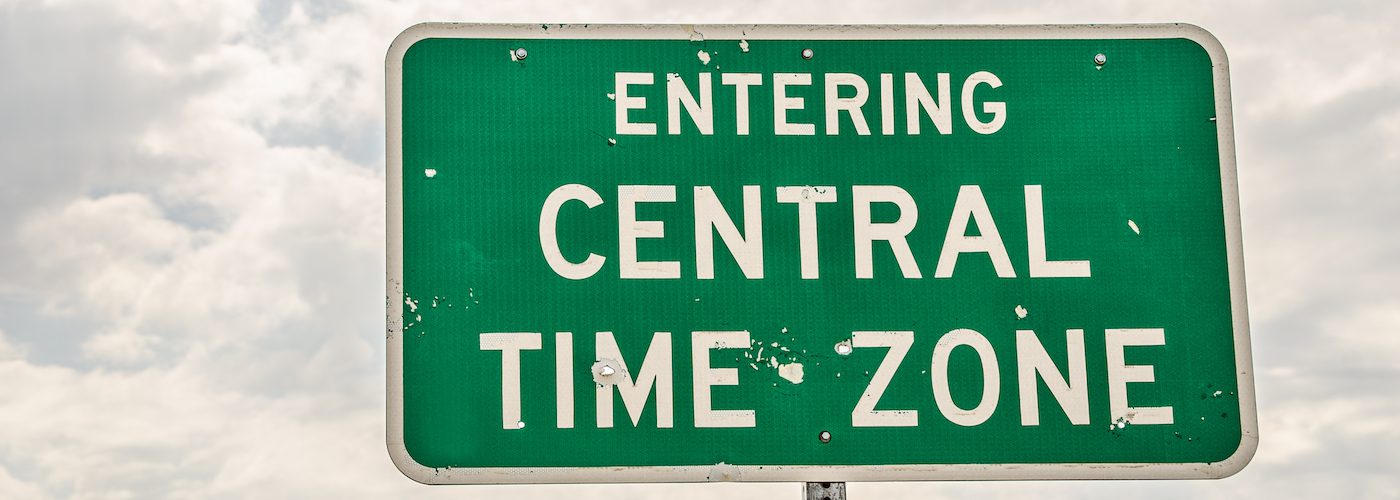
The United States is vast, spanning multiple time zones, and Chicago’s location in the heartland of North America places it firmly in the Central Time Zone (CT). This time zone plays a significant role in the daily rhythm of the city and its surrounding regions.
The Basics of the Central Time Zone
The Central Time Zone, often abbreviated as CT, is one of the six standard time zones in the United States and also extends into parts of Canada, Mexico, and Central American countries. In its standard form, Central Standard Time (CST) is UTC-6, meaning it is six hours behind Coordinated Universal Time. However, during the summer months, many areas within this zone observe Daylight Saving Time, shifting to Central Daylight Time (CDT), which is UTC-5. This “spring forward” and “fall back” adjustment is crucial for visitors to remember.
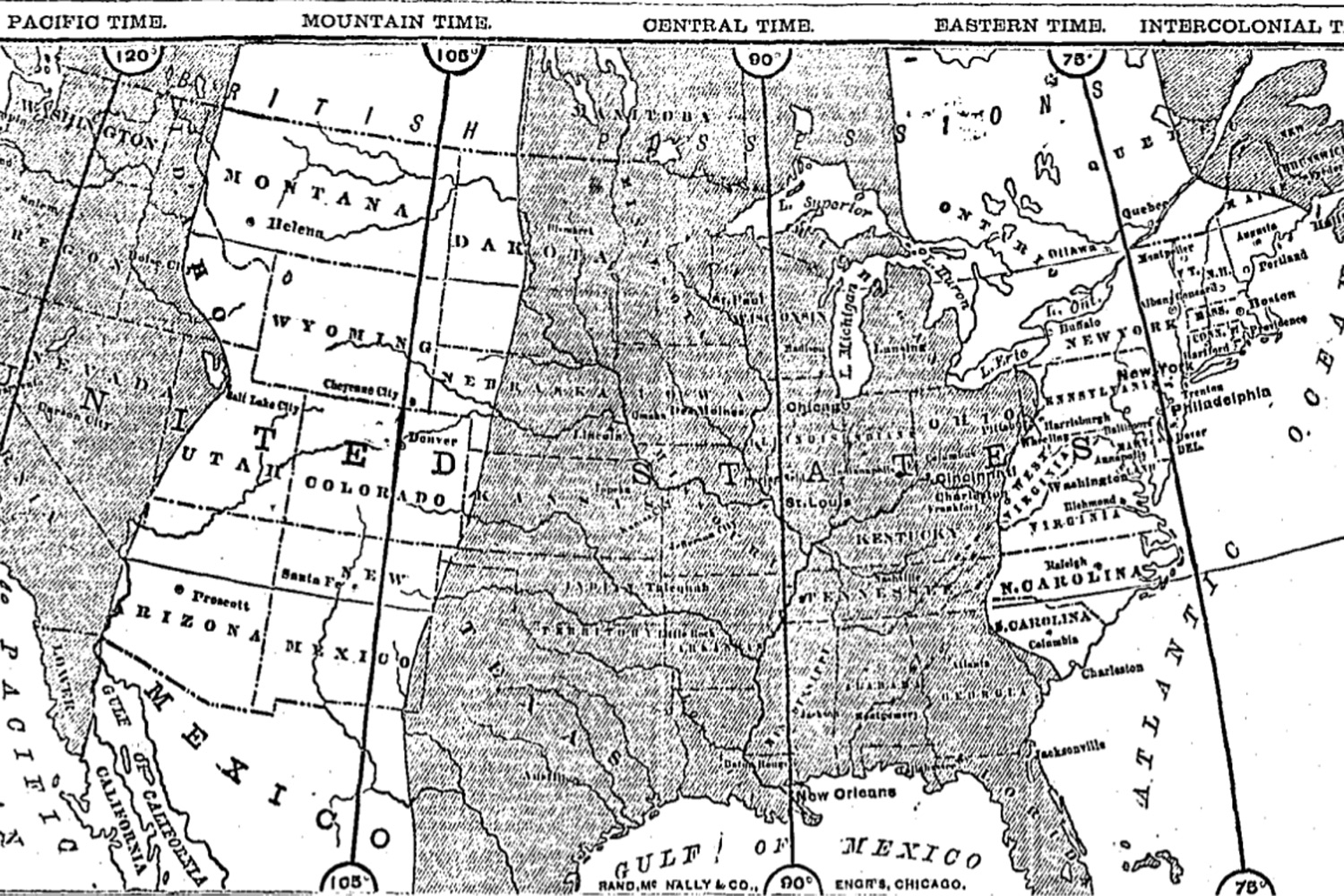
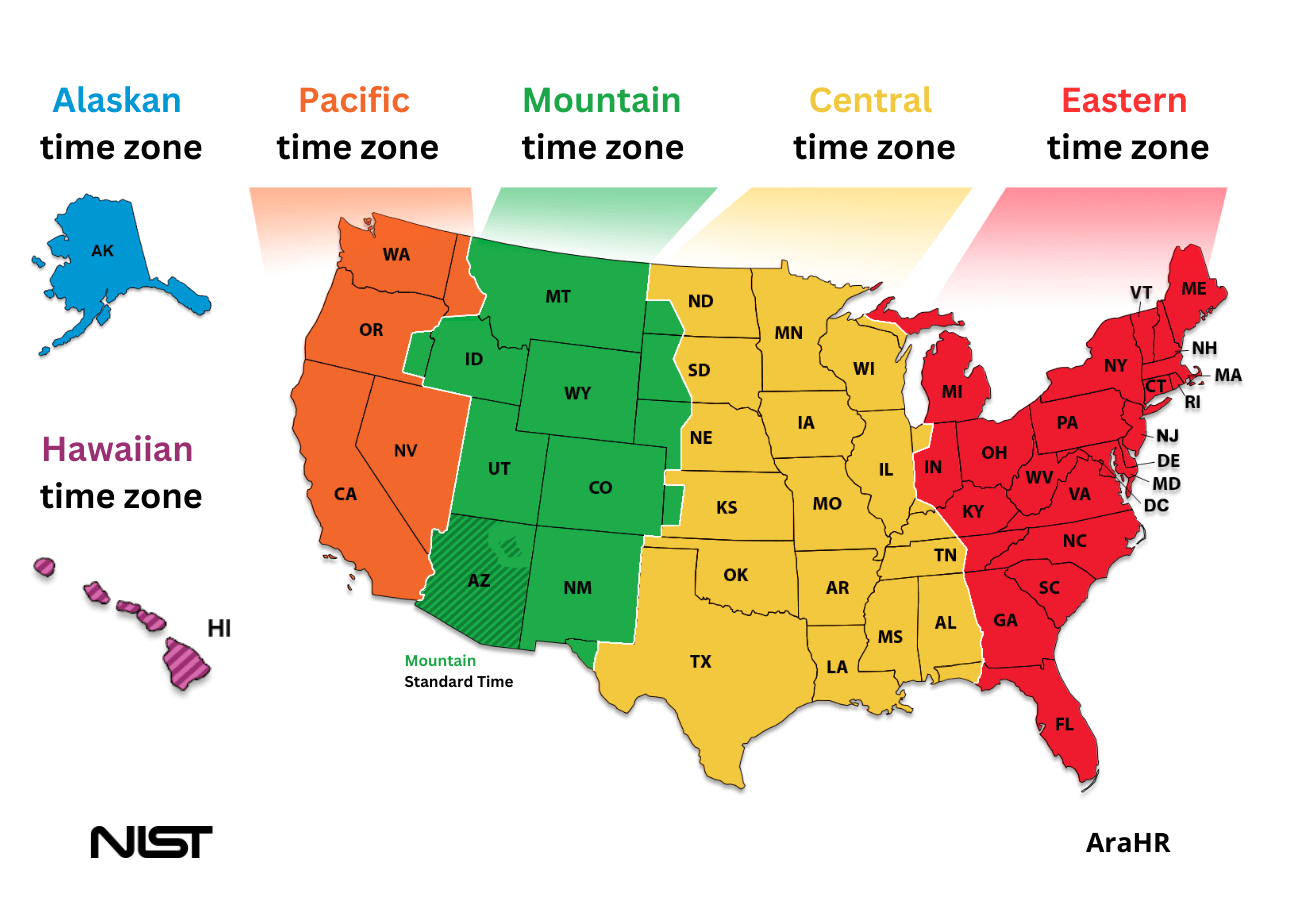
Within the United States, the Central Time Zone encompasses all or parts of numerous states, creating a shared rhythm across a significant portion of the country. These states include Illinois (where Chicago is located), Wisconsin, Michigan (western parts), Indiana (western parts), Missouri, Iowa, Minnesota, Arkansas, Louisiana, Mississippi, Alabama, Tennessee (western parts), Kentucky (western parts), Kansas, Nebraska, Oklahoma, Texas, North Dakota, and South Dakota (eastern parts). This broad geographical spread means that many domestic travelers from neighboring states will experience no time change when visiting Chicago, simplifying their journey.
In Canada, the Central Time Zone is observed in the entire province of Manitoba and parts of Saskatchewan, Ontario, and Nunavut. Mexico also has a large section of its country observing Central Time. Further south, nations like Belize, Costa Rica, El Salvador, Guatemala, Honduras, and Nicaragua also align with CT, though some do not observe Daylight Saving Time. This broad alignment underscores Chicago’s central position within a significant time zone.
Daylight Saving Time in Chicago: A Seasonal Shift
Like most of the United States, Chicago observes Daylight Saving Time. This means that on the second Sunday in March, clocks “spring forward” by one hour, shifting from CST to CDT. Conversely, on the first Sunday in November, clocks “fall back” one hour, returning to CST.
This seasonal shift has a noticeable impact on daily life and tourism. During CDT (roughly March to November), Chicago enjoys longer daylight hours in the evenings, which is perfect for extended sightseeing, outdoor dining, and leisurely strolls along Lake Michigan. Sunsets occur later, allowing visitors to enjoy rooftop bars, evening boat tours on the Chicago River, and outdoor concerts well into the night. Conversely, in the winter months under CST, days are shorter, and while the city is still magical, especially with holiday lights, travelers should plan their daytime activities accordingly. Always confirm the current time, especially if your visit spans one of these transition dates, to avoid any scheduling mishaps.
Time-Sensitive Travel: Planning Your Chicago Itinerary
For travelers, understanding Chicago’s Central Time Zone is fundamental to a smooth journey. Whether you’re flying in from the East Coast or the West Coast, or even internationally, factoring in the time difference will enhance your experience from arrival to departure.
Seamless Flight and Accommodation Bookings
When booking flights to Chicago, whether you’re landing at O’Hare International Airport or Midway International Airport, all arrival and departure times will be listed in local Central Time. It’s easy to overlook this detail, but miscalculating can lead to missed connections or unexpected waits. Double-check your flight details against your departure city’s time zone to accurately gauge your travel duration and arrival time.
Similarly, accommodation providers throughout Chicago, from luxury hotels like the Hyatt Regency Chicago and The Langham Chicago to boutique apartments, operate on Central Time. Standard check-in times are usually in the afternoon (e.g., 3:00 PM CT), and check-out times in the morning (e.g., 11:00 AM CT). If you’re arriving from the Eastern Time Zone, you’ll gain an hour, potentially allowing for an earlier check-in or more immediate exploration of the city. Conversely, if you’re traveling from the Pacific Time Zone or Mountain Time Zone, you’ll lose two or three hours, respectively, making a late arrival feel even later. Always confirm these details with your hotel and communicate any anticipated early arrivals or late departures to manage expectations.
Minimizing Jet Lag and Maximizing Your Experience
Jet lag can significantly impact the first day or two of any trip, especially when crossing multiple time zones. For travelers coming from the Eastern Time Zone, the one-hour difference to Chicago’s Central Time is usually manageable. However, those arriving from the West Coast (Pacific Time) will experience a two-hour difference (or three from Alaska/Hawaii), which can be more noticeable.
To combat jet lag, start adjusting your sleep schedule a few days before your trip. Hydrate well during your flight and try to align with Chicago’s local time as soon as you land. Exposure to natural light during the day can help reset your body clock, so consider planning outdoor activities for your first afternoon. Even if you feel tired, try to stay awake until a reasonable local bedtime. Many travelers find that a brisk walk through Millennium Park or along the Magnificent Mile upon arrival can be an invigorating way to get accustomed to the new time and absorb some initial sights.
Experiencing Chicago: Time Zone’s Impact on Tourism and Lifestyle
The time zone shapes not only travel logistics but also the entire experience of being in Chicago. From the operating hours of world-renowned landmarks to the rhythm of its culinary scene and the demands of business travel, Central Time is an integral part of the city’s identity.
Exploring Chicago’s Iconic Landmarks and Attractions
Chicago’s rich array of landmarks and attractions all operate on Central Time. This includes institutions like the Art Institute of Chicago, the scientific wonders at the Museum of Science and Industry, and the aquatic delights of the Shedd Aquarium. Observation decks, offering breathtaking views, such as Skydeck Chicago at Willis Tower and the 360 Chicago Observation Deck at 875 North Michigan Avenue (formerly known as the John Hancock Center), publish their opening and closing times in CT.
When planning your day, factor in travel time between attractions and their specific operating hours. For instance, if you’re visiting during the shorter days of winter (CST), you might prioritize indoor museums for the late afternoon when daylight fades earlier. Conversely, during Daylight Saving Time, you can comfortably schedule an architectural boat tour on the Chicago River or a visit to Navy Pier later in the evening, enjoying the cityscape under a lingering sunset. Always check the official websites for the most current times, as hours can vary seasonally or for special events.
Dining, Entertainment, and Local Culture
Chicago’s culinary scene is legendary, from Michelin-starred establishments like Alinea to beloved local spots like Girl & The Goat. Restaurant reservation times, showtimes for Broadway in Chicago productions at venues like the CIBC Theatre, and the general rhythm of the city’s nightlife are all dictated by Central Time.
Travelers arriving from the Eastern Time Zone might find themselves feeling hungry or ready for dinner an hour earlier than usual, which can be an advantage for securing coveted early reservations. Those from the West Coast might feel like dining later. Adjusting to the local meal schedule, typically with dinner peaking between 6:30 PM and 8:30 PM, is part of immersing yourself in the local lifestyle. For entertainment, be mindful of curtain times for plays or concerts; a 7:30 PM CT show might feel like 10:30 PM if you’re still on Pacific Time, potentially leading to fatigue. Plan your evening activities with your internal clock in mind, or embrace the opportunity to shift your schedule.
Business and Professional Travel
Chicago’s status as a major business hub, home to the Chicago Board of Trade and a frequent host of large conventions at McCormick Place, means that a significant portion of its visitors are on business. For these professionals, the Central Time Zone has critical implications for communication and scheduling.
When working with colleagues or clients on the East Coast, there’s only a one-hour difference, making synchronous communication relatively easy. An 8:00 AM CT meeting is a manageable 9:00 AM ET. However, connecting with the West Coast involves a two-hour difference (e.g., 8:00 AM CT is 6:00 AM PT), requiring careful consideration to avoid scheduling calls too early or too late for either party. Using virtual meeting platforms that display participants’ local times can be invaluable for coordinating across time zones. For business travelers based in Chicago but conducting work globally, the six-hour difference to Greenwich Mean Time (GMT/UTC) means that early morning calls or late-night communications are often necessary to bridge the divide with Europe or Asia. Understanding and respecting these differences are key to effective professional interactions in a globally connected world.
Practical Tips for a Time-Optimized Chicago Visit
With Chicago firmly in the Central Time Zone, a few practical strategies can help you maximize your time and ensure a stress-free trip.
Always Confirm Local Time
It sounds obvious, but relying solely on your internal clock or forgetting to update your devices can lead to issues. Most smartphones automatically adjust to the local time zone, but it’s always wise to double-check upon arrival. Look at the clock in your hotel room, on public screens, or simply ask a local. This vigilance is especially important for time-sensitive activities such as:
- Public Transportation: The CTA trains and buses run on a schedule that you’ll need to align with.
- Tours and Excursions: Missing a pre-booked architectural boat tour or a guided neighborhood walk because of a time miscalculation can be disappointing and costly.
- Appointments: Whether it’s a salon appointment or a business meeting, punctuality is valued in Chicago.
Leveraging Technology
Modern technology is your best friend when managing time zones.
- World Clock Apps: Many free apps allow you to track multiple time zones simultaneously, making it easy to see the time difference between Chicago and your home city or other destinations you’re coordinating with.
- Calendar Tools: Utilize digital calendars like Google Calendar, which can automatically convert event times to your local time zone, or allow you to schedule events in a specific time zone.
- Airline and Hotel Apps: These often provide real-time updates for flights and bookings, ensuring you’re always informed of the current status in Chicago’s time.
Embracing the Local Rhythm
Ultimately, the best way to enjoy Chicago is to embrace its local rhythm. Wake up to the Central Time Zone sunrise, perhaps with a view over Lake Michigan, and let the city’s energy guide your day. Dine when the locals dine, explore attractions during their peak hours, and experience the nightlife as it naturally unfolds. Even if you’re adjusting from a different time zone, allowing yourself to sync with Chicago’s clock will make your visit feel more authentic and less rushed.
By being mindful of the time, you can perfectly time your visit to Cloud Gate (the “Bean”) in Millennium Park for the best photo opportunities, catch a sunset from the Skydeck Chicago without feeling rushed, or enjoy a late-night jazz club experience without worrying about early morning fatigue.
Conclusion
In conclusion, to answer the titular question definitively: yes, Chicago is firmly situated in the Central Time Zone. This fundamental piece of information is a cornerstone for any traveler or business professional planning a visit to the Windy City. Understanding CT’s relationship with Daylight Saving Time, its implications for flight and hotel bookings, and how it shapes the daily life of this bustling metropolis are all essential for a successful journey.
By taking a proactive approach to time zone awareness—confirming local times, utilizing technology, and gradually adjusting to the local rhythm—visitors can effortlessly navigate Chicago’s vibrant attractions, world-class dining, and dynamic cultural scene. So, set your watches to Central Time, and prepare to immerse yourself in the unparalleled charm and excitement that Chicago has to offer. Enjoy every moment of your time in this incredible city!