
Planning a trip to the vibrant metropolis of Chicago is an exciting endeavor. From its iconic architecture and world-class museums to its delicious culinary scene and lively entertainment, the Windy City promises an unforgettable experience. However, before you book your flights or reserve that luxurious suite, a fundamental question arises for travelers: what time zone is Chicago? This seemingly simple query is crucial for coordinating your itinerary, avoiding missed appointments, and ensuring you’re not a day early or late for your Chicago escapades.
Understanding Time Zones: A Global Necessity for Travelers
In our increasingly interconnected world, understanding time zones is an indispensable aspect of modern travel and communication. Whether you’re embarking on a cross-country road trip, planning an international getaway, or simply coordinating a virtual meeting with colleagues in different states, grasping the nuances of time differences prevents confusion and frustration. For Chicago, this means distinguishing between Eastern Standard Time (EST) and Central Standard Time (CST), two major time zones that significantly impact the eastern and central United States, respectively.
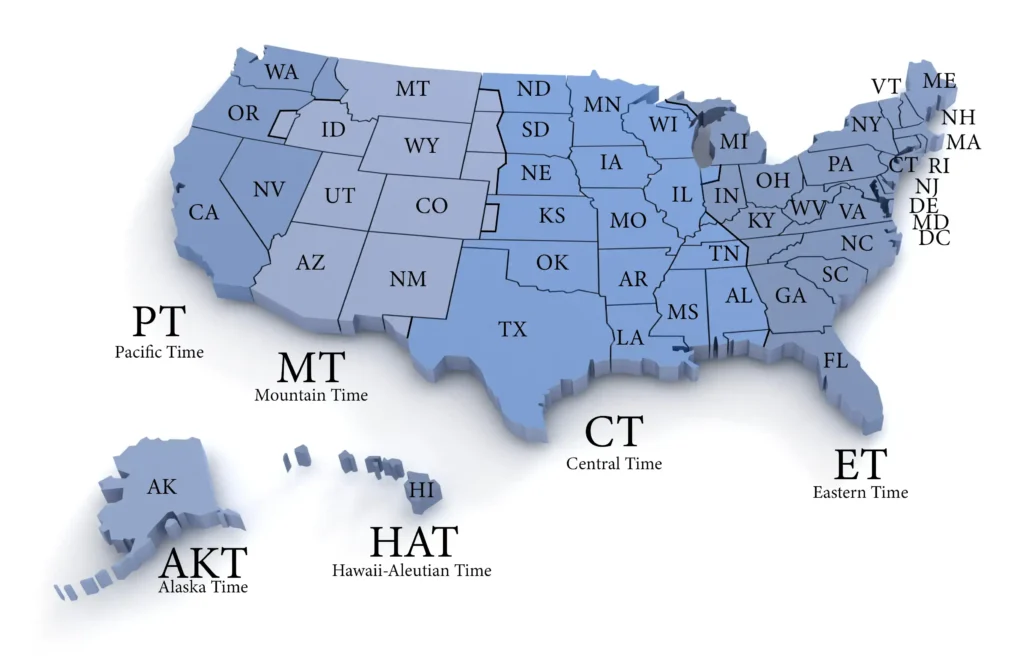
The Eastern Time Zone (EST) and Its Reach
The Eastern Time Zone (ET) generally covers the easternmost portion of the United States. During standard time, it is referred to as EST. This time zone is observed by states such as New York, Florida, Pennsylvania, and many others along the Atlantic coast. When Daylight Saving Time (DST) is in effect, this zone shifts to Eastern Daylight Time (EDT), which is UTC-4. EST, conversely, is UTC-5. Understanding this distinction is vital, especially when dealing with travel plans that might span across time zone boundaries or when communicating with individuals in EST regions. For instance, if you’re traveling from New York to Chicago, you’ll need to adjust your watch backward by one hour.
The Central Time Zone (CST) and Chicago’s Place Within It
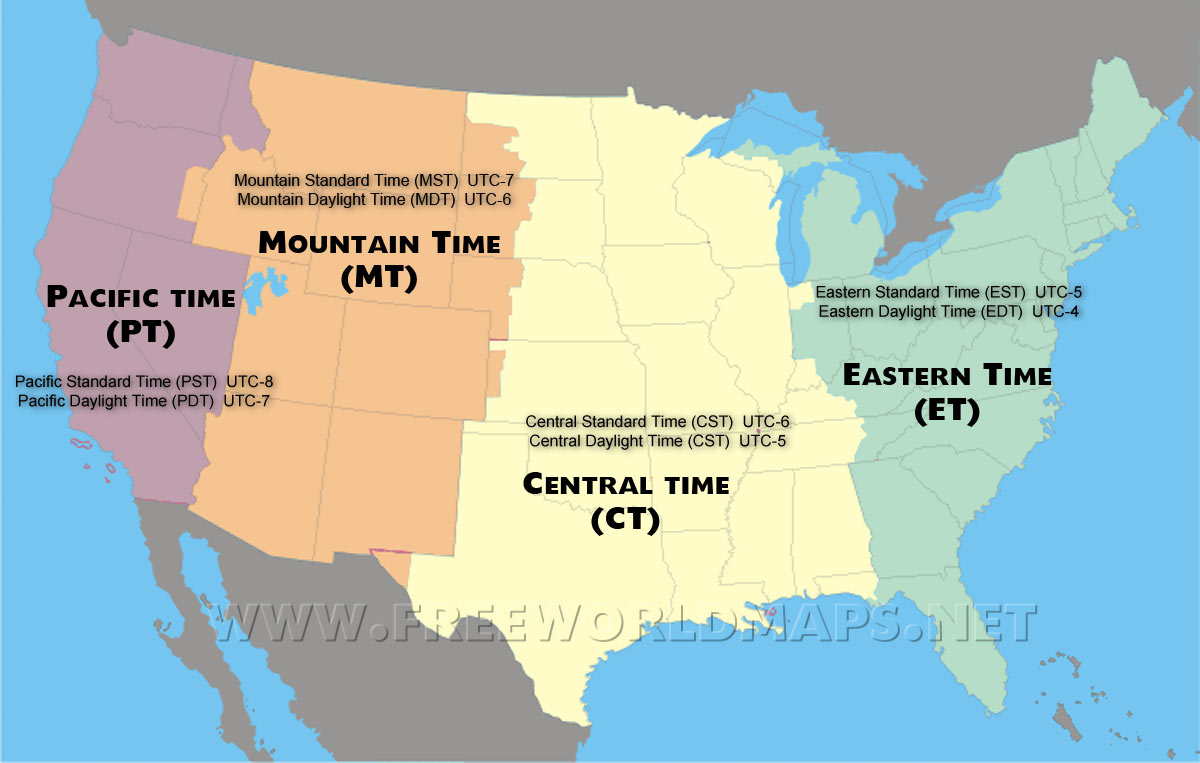
Now, let’s bring it back to our main subject: Chicago. The good news for travelers heading to the Windy City is that Chicago observes the Central Time Zone (CT). During standard time, this is known as CST, which is UTC-6. When Daylight Saving Time is active, it becomes Central Daylight Time (CDT), which is UTC-5. This means Chicago is one hour behind the Eastern Time Zone.
This geographical placement is a key factor for many travel considerations. If you’re flying from Los Angeles, which is in the Pacific Time Zone (PT), Chicago will be three hours ahead. Conversely, if you’re coming from a city like Cleveland or Atlanta, both of which are in EST, you’ll need to subtract an hour from the local time upon arrival in Chicago. This knowledge is fundamental for booking flights, scheduling tours, making dinner reservations, and even just calling family and friends back home.
Navigating Your Chicago Itinerary: Practical Time Zone Tips
Knowing that Chicago operates on CST (or CDT during DST) is more than just a trivia fact; it has practical implications for every aspect of your visit.
Planning Your Arrival and Departures

When booking flights to and from Chicago O’Hare International Airport (ORD) or Midway International Airport (MDW), always pay close attention to the listed departure and arrival times. Airlines will specify the local time for both. For example, a flight departing from New York at 2:00 PM EST will arrive in Chicago at 3:00 PM CST, even though the flight duration might be around two hours. This is because you gain an hour as you travel westward. Similarly, a flight departing Chicago at 5:00 PM CST will arrive in New York at 7:00 PM EST, accounting for the one-hour time difference and the flight time. Understanding this simple adjustment can prevent you from missing your flights or arriving at your hotel when the check-in desk is closed.
Coordinating Activities and Attractions
Chicago offers a wealth of attractions, from exploring the Art Institute of Chicago and marveling at the city’s stunning architecture on a river cruise to enjoying panoramic views from the Willis Tower or the Navy Pier. Many of these popular destinations have specific operating hours. If you’re reading a travel guide or a website listing opening times, always ensure you’re aware of which time zone those times are listed in. Most reputable sources will specify or assume local time for the destination in question. However, for clarity, especially when comparing information from different sources, it’s wise to confirm. For example, a popular restaurant on Magnificent Mile might have reservations available at 7:00 PM CST. If you’re coming from EST, this would be 8:00 PM your local time.
Experiencing Chicago’s Culinary Delights and Local Culture
Chicago is a foodie paradise, renowned for its deep-dish pizza, vibrant restaurant scene, and diverse culinary offerings. Booking a table at a sought-after restaurant requires advance planning, and knowing the local time is paramount. A 6:00 PM reservation in Chicago is precisely that – 6:00 PM CST (or CDT). This also applies to enjoying Chicago’s rich local culture. Whether you’re attending a show at the Chicago Theatre, catching a Chicago Cubs game at Wrigley Field, or exploring neighborhood festivals, adhering to the local time zone ensures you don’t miss a moment of the action.
Time Zone Considerations for Accommodation and Lifestyle Choices
Your choice of accommodation and the overall lifestyle approach to your Chicago trip can also be subtly influenced by time zone awareness.
Booking and Checking In/Out of Hotels
When booking your stay, whether it’s a luxury resort like the Ritz-Carlton, Chicago or a cozy apartment rental, be mindful of check-in and check-out times. These are almost universally listed in the local time zone of the accommodation. Most hotels have standard check-in times in the afternoon (e.g., 3:00 PM CST) and check-out times in the morning (e.g., 11:00 AM CST). If you’re arriving early or departing late, inquiring about luggage storage or late check-out options is a good idea, always keeping the local Chicago time in mind.
Adapting to Chicago’s Pace
Chicago has a dynamic rhythm, with its residents often embracing a busy lifestyle. Understanding the local time zone helps you align with this pace. Mornings might feel a bit earlier if you’re coming from EST, and evenings might feel slightly later if you’re coming from further west. This can influence when you plan your visits to popular breakfast spots or when you decide to enjoy Chicago’s nightlife. For budget travelers, knowing the local time can help maximize daylight hours for free activities like walking through Millennium Park or exploring the Lincoln Park Zoo, especially during seasons with longer daylight. Similarly, for business travelers, adhering to CST/CDT is crucial for meetings and conference calls, ensuring seamless professional engagements.
In conclusion, the answer to “Is Chicago EST or CST?” is definitively CST (or CDT during Daylight Saving Time). Embracing this knowledge is a small but significant step in ensuring a smooth, well-organized, and enjoyable trip to this magnificent American city. So, set your watches accordingly, and get ready to immerse yourself in all the wonders that Chicago has to offer.
LifeOutOfTheBox is a participant in the Amazon Services LLC Associates Program, an affiliate advertising program designed to provide a means for sites to earn advertising fees by advertising and linking to Amazon.com. Amazon, the Amazon logo, AmazonSupply, and the AmazonSupply logo are trademarks of Amazon.com, Inc. or its affiliates. As an Amazon Associate we earn affiliate commissions from qualifying purchases.