
Yes, Chicago, the bustling metropolis often referred to as the “Windy City,” is firmly situated within the Central Time Zone (CT). For anyone planning a visit, conducting business, or simply curious about this vibrant United States destination, understanding its time zone is a fundamental piece of information. The Central Time Zone operates on Coordinated Universal Time minus six hours (UTC-6) during Standard Time and shifts to UTC-5 during Daylight Saving Time. This seemingly simple fact holds significant implications for travelers, influencing everything from flight schedules and hotel check-ins to dining reservations and communication with friends and family across different regions.
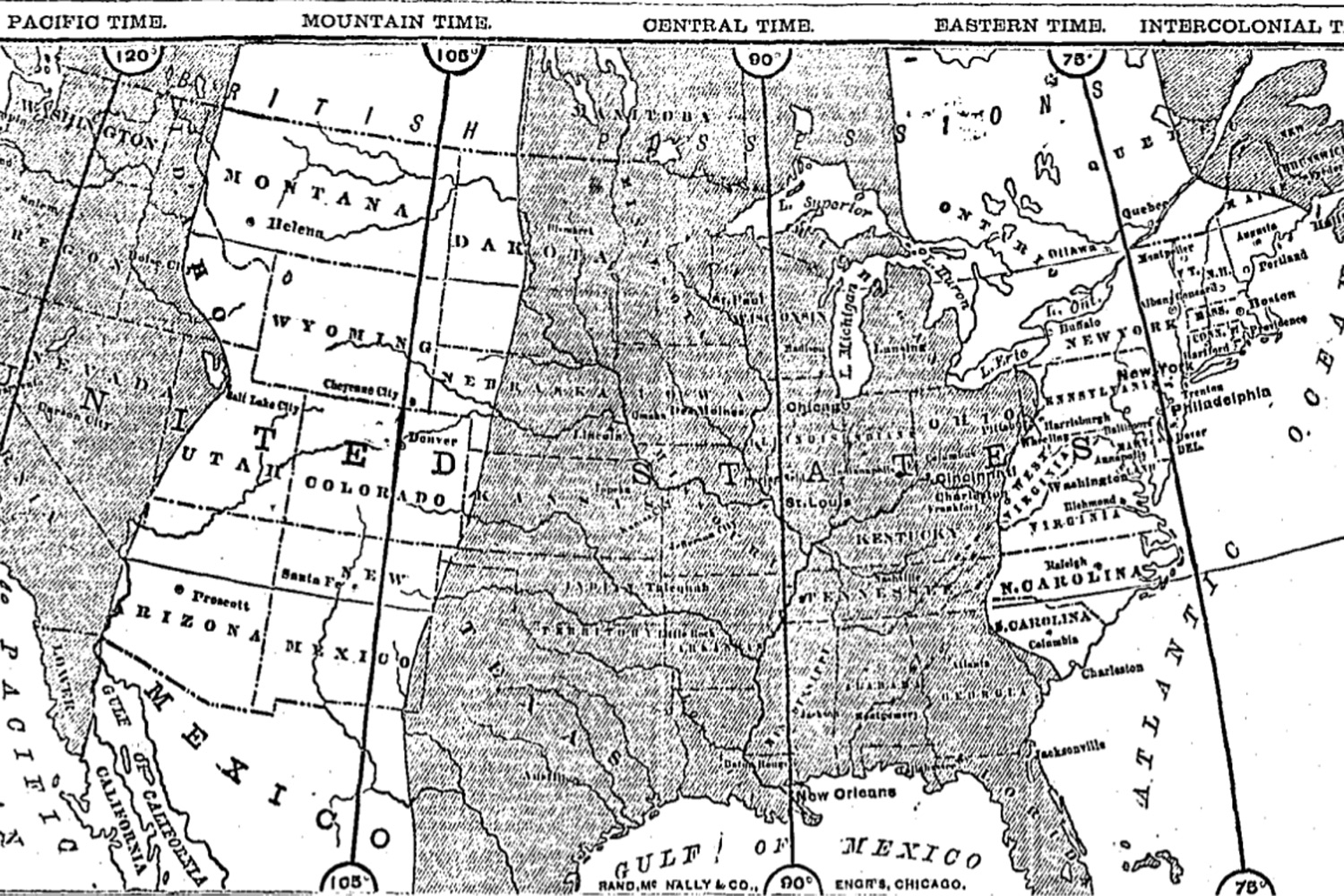
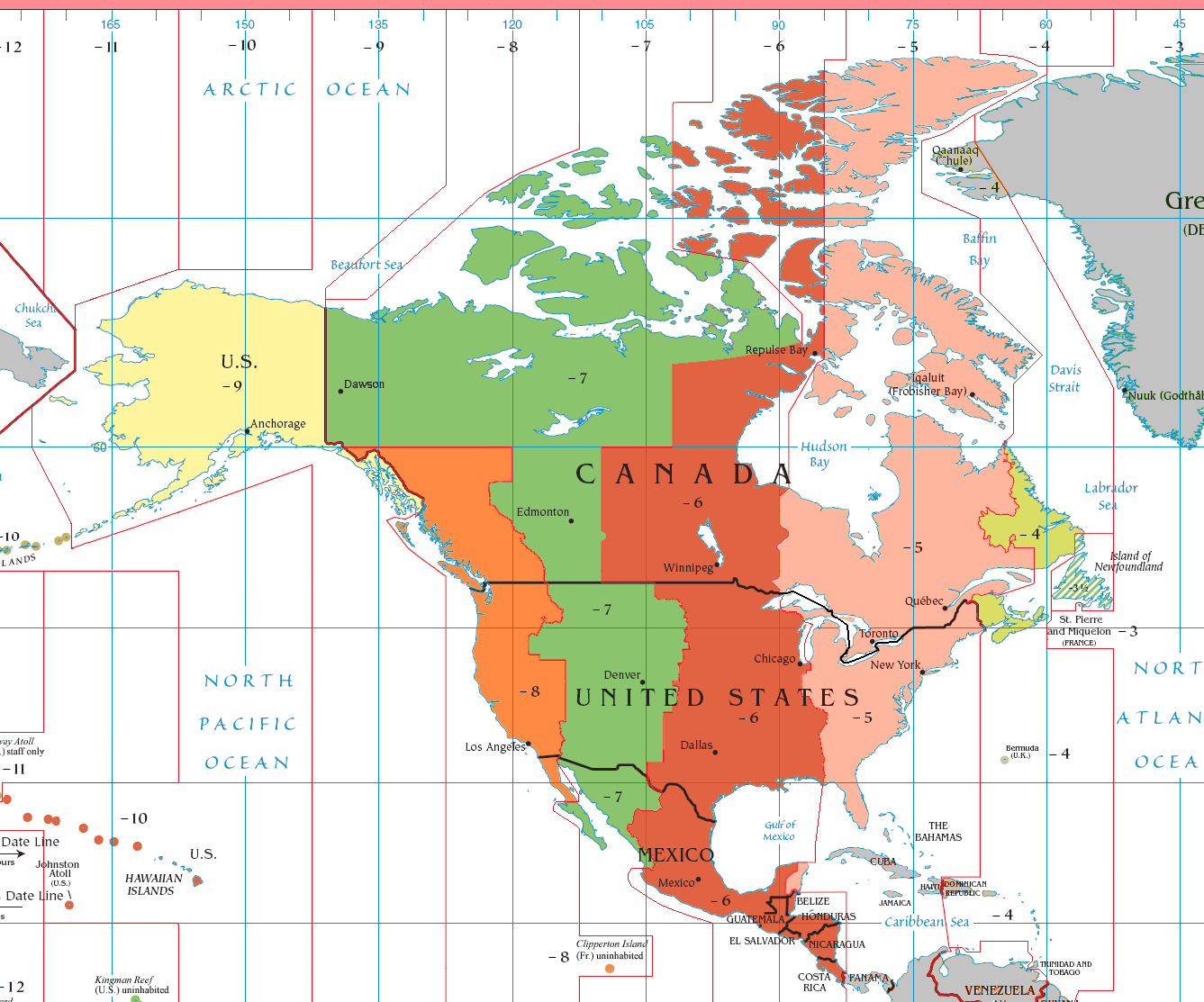
Chicago’s strategic location within the Central Time Zone places it at a unique crossroads for travel and commerce. It’s an hour behind the Eastern Time Zone (ET), which includes major cities like New York, and two hours ahead of the Mountain Time Zone and three hours ahead of the Pacific Time Zone, home to Los Angeles. This positioning makes Chicago a convenient hub for domestic travel and a key player in nationwide business operations. For the leisure traveler, it means adjusting your internal clock to fully immerse yourself in the city’s myriad attractions, from world-class museums to iconic architectural wonders and a culinary scene that truly reflects its diverse culture.
Understanding Time Zones and Their Impact on Travel
Navigating the complexities of time zones is an essential skill for any modern traveler. While seemingly straightforward, the global system of timekeeping has a profound effect on planning, experiencing, and even recovering from travel.
The Basics of Time Zones
Time zones are geographical regions that observe a uniform standard time. They were primarily established in the late 19th century to standardize railway schedules, replacing the confusing system of local solar time that varied from town to town. The system is based on the Prime Meridian (0 degrees longitude) in Greenwich, London, from which Coordinated Universal Time (UTC) is derived. Each time zone is then defined by an offset from UTC, typically in whole hours, but sometimes in half-hour or even quarter-hour increments in certain regions.
The United States is divided into six standard time zones, including the Eastern, Central, Mountain, and Pacific Time Zones, along with Alaska Time and Hawaii Standard Time. The concept of Daylight Saving Time further adds a layer of complexity. During DST, clocks are typically advanced by one hour in spring and reverted in autumn to make better use of daylight, meaning the UTC offset changes. Chicago, like most of the Central Time Zone, observes Daylight Saving Time, springing forward in March and falling back in November.
Why Chicago’s Time Zone Matters for Visitors
For travelers, understanding Chicago’s Central Time Zone is paramount for a seamless and enjoyable trip.
-
Travel Planning and Logistics: Air travel schedules, particularly for arrivals at O’Hare International Airport or Midway International Airport, are always based on local time. Missing a connection or arriving late for a pre-booked transfer due to a time zone miscalculation can be a stressful start to any journey. Similarly, train and bus schedules, car rental pick-up and drop-off times, and even ferry services on Lake Michigan are all tied to the local clock.
-
Communication: Whether you’re a business traveler needing to coordinate with colleagues on the East or West Coasts, or a leisure traveler wanting to check in with family back home, being aware of time differences is crucial. An 8 AM call in Chicago is 9 AM in New York and 6 AM in Los Angeles, requiring careful scheduling to avoid inconvenient disruptions.
-
Minimizing Jet Lag: While not as pronounced as crossing multiple international time zones, traveling across even one or two domestic time zones can cause mild jet lag, particularly when flying eastward. Arriving in Chicago from the Pacific Time Zone means gaining two hours, which might initially feel like an early morning wake-up. Conversely, traveling to Chicago from the Eastern Time Zone means losing an hour, potentially making you feel a bit tired earlier in the evening. Planning your first day with lighter activities and prioritizing good sleep can help mitigate these effects.
-
Event Scheduling and Activities: Concerts, sports events featuring teams like the Chicago Cubs or Chicago Bulls, theater shows, museum operating hours, and even restaurant reservation times are all stated in local Central Time. A visitor from the Eastern Time Zone might find a 7 PM dinner reservation feels like 8 PM, potentially influencing their energy levels and appetite. Double-checking event start times against your home time zone ensures you don’t miss out on Chicago’s vibrant cultural offerings.
Chicago Through the Lens of the Central Time Zone: A Traveler’s Guide
Experiencing Chicago to its fullest requires embracing its local rhythm, dictated by the Central Time Zone. From early morning strolls to late-night entertainment, the city operates on a schedule that, once understood, unlocks a world of exploration.
A Day in Central Time: Experiencing Chicago Culture and Attractions
Imagine a typical day as a tourist in Chicago, all unfolding according to Central Time:
-
Morning (7 AM – 12 PM CT): Start your day with a classic Chicago breakfast, perhaps at a charming cafe in Old Town or a trendy spot in the West Loop. By 9 AM, most major attractions are opening. This is a perfect time to head to Millennium Park to capture photos with Cloud Gate (the “Bean”) before the crowds, or immerse yourself in art at the renowned Art Institute of Chicago. Alternatively, a visit to the Lincoln Park Zoo offers a delightful experience, especially for families.
-
Afternoon (12 PM – 5 PM CT): Lunchtime in Chicago offers endless possibilities, from casual street food to upscale dining. Post-lunch, consider an architectural boat tour along the Chicago River, an activity truly unique to the city, providing stunning views of the skyline and its historic buildings like The Rookery. Shopping enthusiasts will find their paradise along the Magnificent Mile, home to flagship stores and luxury boutiques. For panoramic views, ascend the Willis Tower Skydeck or 360 Chicago at the John Hancock Center (now known as 875 North Michigan Avenue).
-
Evening (5 PM onwards CT): As evening approaches, Chicago’s culinary scene truly shines. Indulge in an authentic Chicago deep-dish pizza, or explore the diverse gastronomic offerings in neighborhoods like River North. After dinner, catching a Broadway-in-Chicago show in the theater district, enjoying live jazz or blues in a historic club, or visiting Navy Pier for nighttime views and entertainment are popular choices. Remember, these evening activities might start an hour earlier or later than what visitors from adjacent time zones are accustomed to, so planning is key to maximizing your Chicago nightlife experience.
Accommodation and Lifestyle in the Central Time Zone
The time zone also plays a practical role in your accommodation and overall lifestyle while visiting Chicago.
-
Hotels & Resorts: Check-in and check-out times at Chicago hotels are always in Central Time. If you’re arriving from a different time zone, it’s wise to communicate your expected arrival time with your hotel, especially if it’s outside standard hours. Many luxury accommodations, like The Langham, Chicago, Waldorf Astoria Chicago, The Peninsula Chicago, Four Seasons Hotel Chicago, and Park Hyatt Chicago, are well-equipped to assist guests with time zone adjustments, offering amenities like 24-hour room service or flexible dining options. Mid-range and boutique options such as Thompson Chicago, Virgin Hotels Chicago, Kimpton Hotel Monaco Chicago, Palmer House Hilton, Trump International Hotel & Tower Chicago, and Loews Chicago Hotel also follow these standards, ensuring a smooth stay.
-
Dining & Entertainment Reservations: Popular restaurants, especially in areas like the Gold Coast, Wicker Park, or Fulton Market District, often require reservations well in advance. These are always in Central Time. Be mindful of this when booking, particularly if you’re mentally converting to your home time zone, which can easily lead to missed bookings or late arrivals.
-
Business Travel: Chicago is a major global business hub, and its position in the Central Time Zone is a significant asset. For business travelers, adhering to local time for meetings, conferences, and networking events is non-negotiable. The city’s efficient public transport system and well-connected business districts like the Loop are designed to function seamlessly within this time framework.
-
Family Trips: When traveling with children, maintaining their sleep and eating schedules can be challenging, especially across time zones. Knowing Chicago’s time zone allows parents to gradually adjust their children’s routines before arrival, helping them enjoy attractions like the Shedd Aquarium, Field Museum, Museum of Science and Industry, or Adler Planetarium without overtired meltdowns.
Beyond Chicago: Central Time Zone Neighbors and Travel Considerations
Chicago’s place in the Central Time Zone extends its influence far beyond the city limits, impacting travel throughout a significant portion of the United States.
States and Cities Sharing Central Time
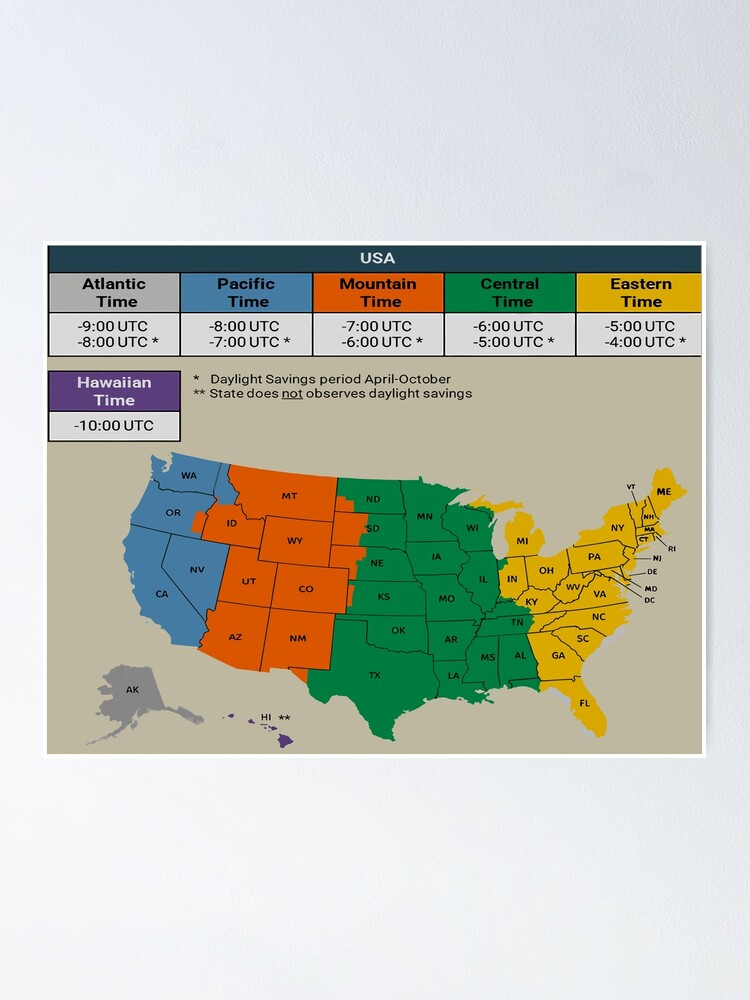
The Central Time Zone is the largest time zone by area in the United States, encompassing all or most of several states. In addition to Illinois, states entirely within or predominantly in Central Time include Wisconsin, Missouri, Arkansas, Iowa, Minnesota, Oklahoma, Mississippi, Louisiana, Alabama, Kansas, Nebraska, North Dakota, and South Dakota. Portions of Texas, Michigan, Indiana, Kentucky, and Tennessee also observe Central Time.
This vast geographical spread means that travel between Chicago and many other major cities is seamless in terms of time. Cities like St. Louis, Kansas City, New Orleans, Dallas, Houston, Minneapolis, and Milwaukee all share the same time zone as Chicago. This simplifies planning for multi-city trips or business travel within the region, as you won’t need to adjust your clock (or your mindset) when moving from one destination to another.
Transitioning Between Time Zones for Day Trips and Regional Exploration
While much of the surrounding region shares Central Time, it’s important to be aware of the borders where time zones shift. Indiana, for example, is primarily in the Eastern Time Zone, but a few counties in its northwest corner (near Chicago) and southwest corner observe Central Time. Similarly, parts of Michigan, Kentucky, and Tennessee also straddle the Central and Eastern Time Zones.
For travelers embarking on road trips or day excursions from Chicago to neighboring states, meticulously checking the time zone for your specific destination is crucial. A short drive from Chicago into certain parts of Indiana could suddenly put you an hour ahead, potentially causing you to miss a reservation or arrive late for an attraction. Websites and navigation apps usually account for time zone changes, but it’s always wise to confirm local times for any booked activities or accommodations. This diligence ensures that your regional explorations, whether to the beautiful state parks of Wisconsin or the charming towns of Michigan, remain as smooth and enjoyable as your stay in Chicago itself.
In conclusion, Chicago undeniably operates within the Central Time Zone. This fundamental piece of information is far more than a mere geographical fact; it’s a vital detail that underpins virtually every aspect of a travel experience in this magnificent city. By understanding and accounting for Chicago’s time, visitors can ensure seamless travel logistics, effective communication, and a richer, more relaxed immersion into the city’s vibrant culture and attractions. So, set your watch to Central Time, and prepare to discover all the wonders that Chicago has to offer, from the iconic skyline of Grant Park to the bustling markets and serene shores of Lake Michigan.