
When planning a trip to the bustling metropolis of Chicago, understanding local time zones is a seemingly minor detail that can have a surprisingly significant impact on your travel arrangements, from booking flights and hotels to scheduling tours and meeting up with friends. The question of whether Chicago observes Eastern Time is a common one, and the answer, while straightforward, is crucial for seamless navigation of your itinerary. Let’s delve into the geographical and temporal specifics that determine Chicago’s time zone.
Navigating Time Zones in the United States
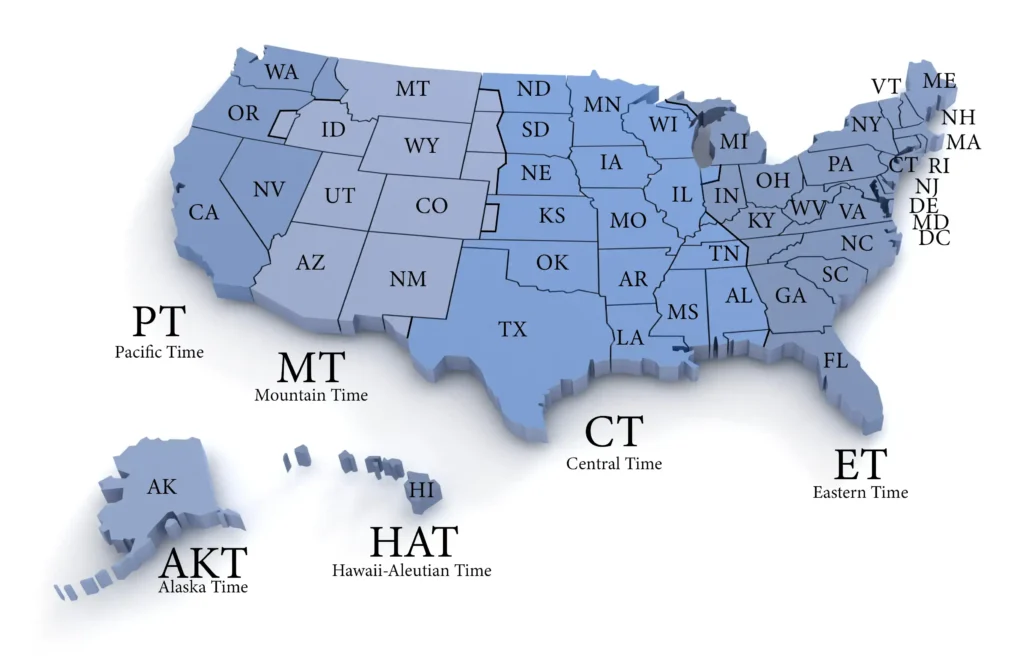
The United States is a vast country, spanning multiple time zones to account for the Earth’s rotation. This system ensures that local time generally corresponds to the position of the sun, with the day starting earlier in the east and progressing westward. The primary time zones in the contiguous United States are, from east to west: Eastern Time (ET), Central Time (CT), Mountain Time (MT), and Pacific Time (PT). Alaska and Hawaii have their own respective time zones.
The Geographic Divide: Eastern vs. Central Time
The boundary between the Eastern Time Zone and the Central Time Zone is not a perfectly straight line but rather follows state and sometimes county lines. The Central Time Zone generally encompasses the central part of the country, stretching from the Great Lakes region down to the Gulf of Mexico. The Eastern Time Zone covers states along the Atlantic coast and extends westward into states like Ohio, Michigan, and Indiana.
The defining characteristic of these zones, besides their geographic location, is their offset from Coordinated Universal Time (UTC). Both Eastern Time and Central Time observe daylight saving time, meaning their offsets from UTC change twice a year. During standard time, Eastern Time is UTC-5, and Central Time is UTC-6. During daylight saving time, which typically runs from the second Sunday in March to the first Sunday in November, Eastern Time becomes UTC-4, and Central Time becomes UTC-5. This means that during daylight saving time, there is still a one-hour difference between the two zones.
Chicago’s Temporal Home: Central Time
To definitively answer the question, Chicago is located in the Central Time Zone (CT). This means that when it is, for example, 3:00 PM in New York City (which is in the Eastern Time Zone), it is 2:00 PM in Chicago. This one-hour difference is consistent throughout the year, accounting for daylight saving time adjustments.
The city of Chicago is situated in the state of Illinois, which officially observes Central Time. This designation is not arbitrary; it’s a reflection of Chicago’s geographical position within the United States. While some areas near the border of time zones might experience fluctuations or have local ordinances that deviate, Chicago firmly falls within the Central Time Zone.
Understanding this distinction is vital for any traveler. If you’re flying into O’Hare International Airport or Midway International Airport from an Eastern Time Zone city, remember to adjust your watch backward by one hour upon arrival. Conversely, if you’re departing Chicago for an Eastern Time Zone destination, set your watch forward. This simple adjustment prevents missed connections, late arrivals, and general confusion.
Implications for Travel and Tourism in Chicago
The fact that Chicago operates on Central Time has several practical implications for visitors and locals alike, influencing everything from planning a culinary tour to booking a stay at a lakeside resort.
Booking Accommodations and Flights
When you are searching for hotels or flights to Chicago, the booking platforms will typically display times in the local time zone of the destination. Therefore, when you see a flight departing from, say, Boston at 9:00 AM EST, you know it will land in Chicago at 10:00 AM CST, which is equivalent to 8:00 AM EST in Boston. This means the flight duration itself is approximately two hours, but the local arrival time will be one hour later than if it were to land in another Eastern Time city.
Similarly, when booking a hotel room, check-in and check-out times are listed in Central Time. If you are accustomed to the Eastern Time Zone, you might need to mentally convert these times to avoid arriving too early or leaving too late. For instance, a 3:00 PM check-in in Chicago is actually 4:00 PM in New York City, giving you an extra hour to perhaps enjoy a final meal or do some last-minute souvenir shopping in your departure city.
Scheduling Activities and Attractions
Chicago offers a plethora of attractions, from world-class museums like the Art Institute of Chicago to iconic landmarks such as the Willis Tower (formerly the Sears Tower) and the vibrant Navy Pier. Tour operators, theater schedules, and even restaurant reservations are all coordinated according to Central Time.
If you’re planning a busy day of sightseeing, it’s essential to be aware of this temporal distinction. For example, a river cruise departing from the Chicago Riverwalk at 7:00 PM CST will begin an hour later than a similar tour in Miami (which is in the Eastern Time Zone). This can affect how you plan your day, particularly if you have evening plans that involve multiple activities. You might be able to fit in an earlier dinner before a 7:00 PM CST cruise, whereas in an Eastern Time city, you might have to choose between a late dinner or an earlier cruise.
Connecting with Local Culture and Lifestyle
The rhythm of daily life in Chicago is set by Central Time. Local news broadcasts, business hours, and public transportation schedules all adhere to this zone. For travelers looking to immerse themselves in the local culture, understanding this temporal framework is part of understanding the city’s pulse.
For those interested in experiencing Chicago’s renowned culinary scene, from deep-dish pizza at places like Lou Malnati’s Pizzeria to Michelin-starred dining experiences, reservations will be in Central Time. This means that a 7:00 PM reservation is an hour earlier in absolute time compared to a 7:00 PM reservation in New York City. This can be a pleasant surprise for visitors from the east coast, allowing for more relaxed evening dining or the possibility of catching a later show after dinner.
Practical Tips for Time Zone Travelers
When traveling to or from Chicago, keeping the Central Time Zone in mind can save you from a host of potential travel mishaps. Here are a few practical tips:
Double-Check All Timings
Before finalizing any bookings or making plans, always double-check the time zone indicated. While most travel websites will automatically adjust for local time, it’s always wise to be certain. Look for abbreviations like CST (Central Standard Time) or CDT (Central Daylight Time) and compare them with EST (Eastern Standard Time) or EDT (Eastern Daylight Time) for cities you are departing from or traveling to.
Synchronize Your Devices
Most smartphones and smart devices automatically update their time based on location. However, it’s a good practice to ensure this feature is enabled and that your device is connecting to the local network. This will prevent you from relying on an incorrect time displayed on your phone or watch.
Communicate Clearly
When arranging meetups with friends, family, or business associates, always specify the time zone. Instead of saying “Let’s meet at 2 PM,” say “Let’s meet at 2 PM Central Time.” This clarity can avoid confusion, especially if your companions are not familiar with the time zone difference.

Factor in Jet Lag and Time Zone Adjustment
Traveling across time zones can lead to jet lag. While the one-hour difference between Eastern Time and Central Time is relatively minor compared to larger transcontinental or international jumps, it can still affect your sleep patterns and energy levels. Allow yourself some flexibility in your schedule upon arrival to adjust to the new time. This might mean scheduling less strenuous activities for your first day or ensuring you get adequate rest.
For those planning a stay in Chicago, whether for leisure exploring iconic landmarks like Millennium Park and its famous Cloud Gate sculpture, or for business, understanding that it operates on Central Time is a fundamental piece of information. It ensures that your visit is smooth, efficient, and enjoyable, allowing you to fully appreciate everything this vibrant city has to offer without the hassle of temporal confusion. So, to reiterate, Chicago is firmly in the Central Time Zone, and while not in the Eastern Time Zone, its proximity means that awareness is key for travelers coming from the east.
LifeOutOfTheBox is a participant in the Amazon Services LLC Associates Program, an affiliate advertising program designed to provide a means for sites to earn advertising fees by advertising and linking to Amazon.com. Amazon, the Amazon logo, AmazonSupply, and the AmazonSupply logo are trademarks of Amazon.com, Inc. or its affiliates. As an Amazon Associate we earn affiliate commissions from qualifying purchases.