
As we look ahead to 2025, the political landscape of a state like Colorado often sparks curiosity, frequently encapsulated in the question of whether it leans “blue” or “red.” While this distinction is primarily political, its implications extend far beyond ballots and legislatures, deeply influencing the travel, tourism, and lifestyle experiences that define a destination. For visitors planning a trip, or those considering a long-term stay, understanding the prevailing cultural currents – often reflected in political leanings – can offer valuable insights into the types of attractions, local culture, accommodation options, and overall atmosphere they can expect.

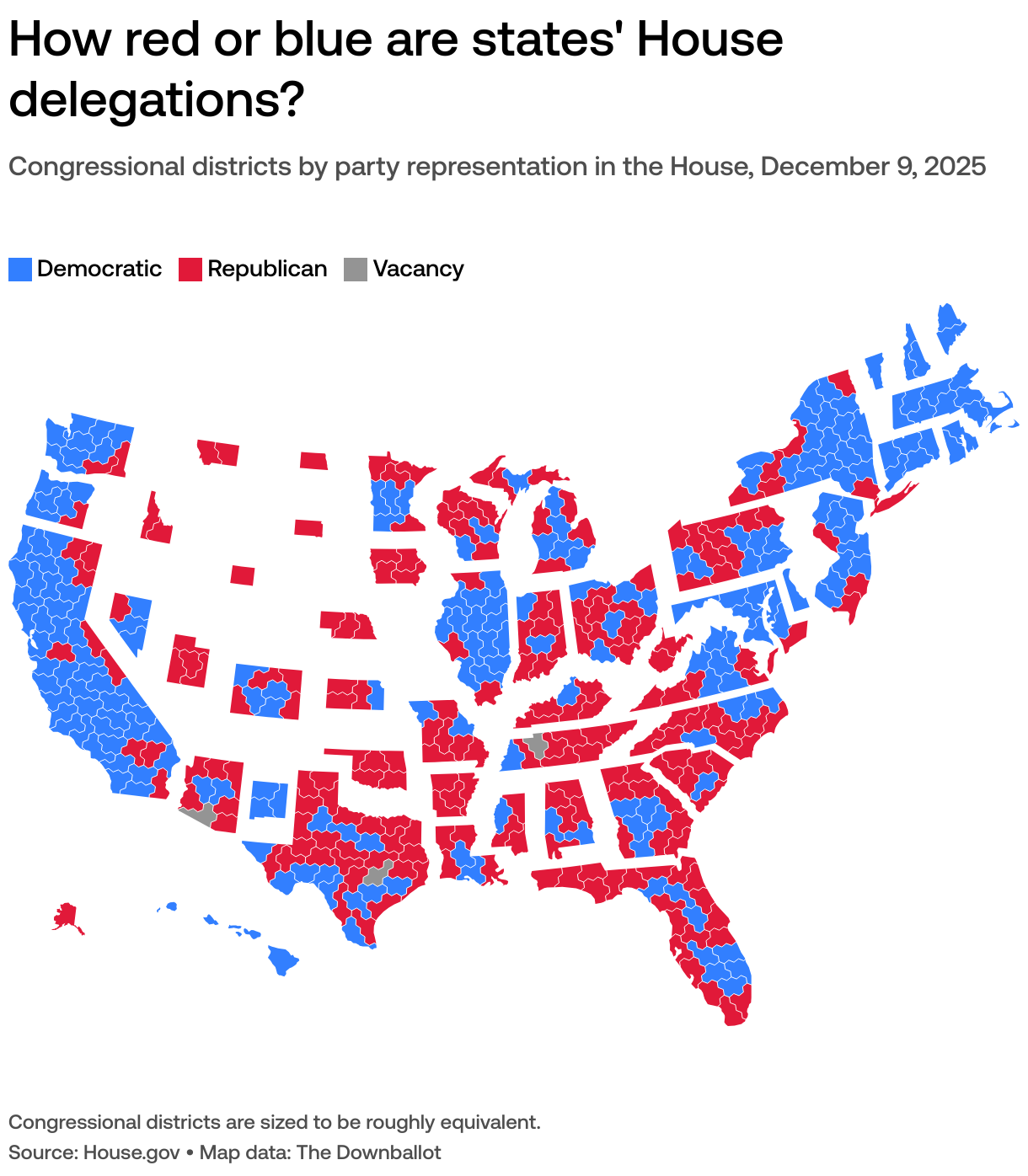
Colorado is renowned for its breathtaking natural beauty, from the majestic peaks of the Rocky Mountains to its vibrant urban centers. But beneath this picturesque surface, a complex interplay of demographics, economic drivers, and social values shapes its character. Historically, Colorado has been considered a swing state, but recent trends suggest a noticeable shift, particularly in its populous Front Range corridor. However, to truly answer whether Colorado is “blue” or “red” in 2025, especially from a lifestyle and travel perspective, requires a nuanced approach that acknowledges its diverse regions and the unique experiences each offers.
Colorado’s Shifting Demographics and Their Impact on Travel
The political identity of Colorado is intrinsically linked to its evolving population centers. A significant influx of new residents over the past decades has reshaped the state’s socio-economic fabric, leading to shifts that are tangible for anyone exploring its cities and towns. This demographic evolution is a primary driver in how the “blue” versus “red” narrative plays out across its various regions, directly impacting the types of tourism and lifestyle offerings.
The Urban Core: A Hub of Progressive Lifestyles and Modern Attractions
The major metropolitan areas along the Front Range, including Denver, Boulder, Fort Collins, and increasingly Colorado Springs, largely trend “blue.” These cities are magnets for younger populations, tech industries, diverse cultures, and a lifestyle that emphasizes innovation, sustainability, and a strong sense of community. For travelers, this translates into a wealth of experiences:
- Diverse Culinary Scenes: Cities like Denver boast a vibrant farm-to-table movement, numerous craft breweries, international cuisine, and trendy cafes. This reflects a progressive palate and a demand for ethical sourcing, often associated with “blue” demographics.
- Arts and Culture: A thriving arts scene, including numerous galleries, live music venues, theaters, and museums, is characteristic of these urban centers. The Denver Art Museum, Red Rocks Amphitheatre, and Boulder’s independent bookstores exemplify the rich cultural tapestry.
- Outdoor and Wellness Focus: While outdoor activities are central to the entire state, “blue” areas often emphasize sustainable recreation, yoga studios, health-conscious dining, and community-driven environmental initiatives. Destinations like Boulder are prime examples of this lifestyle, seamlessly blending urban amenities with easy access to hiking and biking trails.
- Accommodation Trends: In these urban areas, you’ll find a wide array of modern accommodations, from luxury boutique hotels like The Source Hotel + Market Hall in Denver’s RiNo Art District to eco-friendly resorts and stylish apartment rentals that cater to discerning travelers seeking contemporary amenities and a vibrant social scene. These establishments often reflect the progressive values of their clientele, offering amenities such as charging stations for electric vehicles, locally sourced toiletries, and curated experiences.
Rural Colorado: Traditional Values and Untamed Wilderness
Venturing outside the Front Range into much of eastern and western Colorado reveals a different story, where “red” leanings are often more prevalent. These areas are characterized by smaller towns, agricultural communities, ranching traditions, and a deep appreciation for the state’s rugged heritage. This doesn’t mean a lack of appeal for tourists; rather, it signifies a different kind of authentic experience:
- Authentic Western Heritage: Towns like Durango and Silverton in southwestern Colorado offer a glimpse into the state’s mining past and cowboy culture, complete with historic narrow-gauge railways and rodeos.
- Agritourism and Open Spaces: The eastern plains and many mountain valleys are prime for agritourism, offering experiences like farm stays, local produce markets, and hunting/fishing excursions. This appeals to those seeking tranquility, wide-open spaces, and a connection to traditional rural life.
- Community-Focused Events: These regions often host traditional county fairs, harvest festivals, and local sporting events that celebrate small-town values and a strong sense of local identity.
- Accommodation Types: Here, accommodations tend to be more rustic and traditional, ranging from charming bed-and-breakfasts in historic downtowns to sprawling ranch resorts, cozy cabin rentals in the mountains, and family-owned motels. These options often emphasize comfort, hospitality, and a connection to the natural surroundings rather than high-tech luxury, catering to a lifestyle that values simplicity and outdoor adventure.
Tourism and Lifestyle Through a Political Lens
While it’s crude to simply label entire regions as “blue” or “red,” these generalizations do inform the character of various destinations within Colorado and influence the types of tourism they attract. The state’s political leanings, therefore, indirectly shape its tourism strategies, local culture, and the overall lifestyle it offers to both temporary visitors and prospective residents.
Impact on Local Culture and Experiences
The political and demographic makeup of a region profoundly impacts its local culture, which is a key component of any travel experience.
- Progressive Urban Culture: In “blue” areas, you’ll find a stronger emphasis on diversity, inclusion, environmental protection, and a generally more liberal social atmosphere. This fosters unique cultural offerings such as LGBTQ+-friendly establishments, vegan and vegetarian dining options, and public art initiatives. This cultural milieu attracts travelers looking for progressive values and diverse experiences.
- Conservative Rural Culture: In “red” areas, traditional values often hold sway, emphasizing community, patriotism, and self-reliance. This translates into a strong appreciation for local history, a focus on outdoor pursuits like hunting and fishing, and a more classic American small-town feel. These areas attract visitors seeking authenticity, quiet retreats, and a connection to the frontier spirit.
- Recreational Activities: The prevalence of “blue” or “red” can even influence the type of recreational activities promoted. While skiing and hiking are universal, specific resort towns might cater to different demographics. For example, Aspen and Vail, while attracting a global elite, often lean towards environmental stewardship and progressive social policies, reflecting a “blue” tint, whereas smaller, more rugged ski areas might appeal to a more traditional “red” crowd. Similarly, the focus on sustainable tourism and conservation is often more pronounced in “blue” leaning areas, while traditional outdoor sports might be more prevalent in “red” areas.
Accommodation and Booking Choices
For travelers, the political leanings of a region can subtly guide accommodation choices and overall travel planning.
- Luxury and Boutique Accommodations: “Blue” urban and resort areas are more likely to feature luxury resorts with extensive amenities, boutique hotels emphasizing unique design and local art, and high-end vacation rentals. These often cater to a demographic that values bespoke experiences and modern conveniences. Examples might include properties in Denver or the exclusive mountain towns of Telluride and Aspen.
- Family-Friendly and Traditional Stays: “Red” leaning areas, particularly those focused on family tourism or outdoor adventure, often provide a range of family-friendly accommodations, including larger chain hotels, well-equipped cabin rentals, and rustic lodges near natural landmarks. These options prioritize comfort, accessibility, and value, appealing to travelers seeking a more straightforward and perhaps budget-conscious experience.
- Long-Term Stays: For those considering a long-term stay, the prevailing political climate can influence everything from local regulations (e.g., short-term rental policies) to the availability of certain services or community amenities. “Blue” areas might offer more co-working spaces and diverse dining, while “red” areas might emphasize strong local schools and community support networks.
- Booking and Reviews: Online booking platforms and review sites often reflect the experiences of diverse travelers. While reviews rarely mention politics directly, sentiments about local friendliness, openness, or types of available services can implicitly suggest the cultural leanings of an area.
Navigating Colorado in 2025: Beyond the Labels
In conclusion, predicting whether Colorado will be a definitive “blue” or “red” state in 2025 is less important for a traveler or lifestyle enthusiast than understanding the rich tapestry of experiences it offers. The state’s political identity, like its geography, is highly varied. The dominant trend in 2025 will likely continue to lean “blue” in the densely populated urban corridor, driven by ongoing demographic shifts and the growth of industries that attract a progressive workforce. However, the vast expanse of rural Colorado will undoubtedly retain its “red” character, preserving a distinct way of life and a different kind of charm.
Discovering Colorado’s Diverse Charms
For travelers, this political mosaic means that Colorado truly offers something for everyone. Whether you seek the vibrant, progressive pulse of a city like Denver or Boulder, the serene beauty and traditional values of a mountain town like Estes Park near Rocky Mountain National Park, or the rugged individualism of the Western Slope around Grand Junction, the state delivers. Landmarks like Pikes Peak, Garden of the Gods, Mesa Verde National Park, and Great Sand Dunes National Park and Preserve remain timeless attractions, their appeal transcending political affiliations.

Tailoring Your Colorado Experience
Ultimately, planning a trip to Colorado in 2025 involves choosing the type of experience you desire, which may implicitly align with the cultural nuances of its “blue” or “red” leaning regions. From luxury travel experiences in Aspen and Vail to budget-friendly adventures in a Glenwood Springs hot springs retreat or a family trip to Steamboat Springs, the accommodation options are as diverse as the landscapes. Visitors can book anything from high-end suites and resorts to cozy apartments and villas, ensuring their stay perfectly matches their lifestyle and expectations.
Colorado in 2025 will continue to be a state of contrasts and compelling attractions. Its political identity might lean more “blue” overall, especially in its population centers, but its enduring appeal lies in its ability to offer a rich spectrum of experiences, embracing both progressive innovation and traditional heritage. Whether you’re drawn by the promise of vibrant city life, serene mountain escapes, or historic Western adventures, Colorado invites you to explore its unique blend of cultures, lifestyles, and unparalleled natural beauty.