
Colorado, often celebrated as the “Centennial State,” beckons with its majestic Rocky Mountains, vibrant cities, and unparalleled outdoor adventures. From the bustling streets of Denver and the innovative hub of Boulder to the picturesque ski slopes of Aspen and Vail, Colorado offers a lifestyle that many dream of. For those considering a move to this enchanting state, whether for a temporary work assignment, a long-term relocation, or to immerse themselves in its thriving tourism and hospitality sectors, understanding the nuances of its employment laws is as crucial as picking the perfect hiking trail in Rocky Mountain National Park. The question often arises: “Is Colorado an at-will employment state?” The straightforward answer is yes. However, delving deeper into what this means, its implications for both employers and employees, and how it intersects with Colorado’s unique economic landscape—heavily influenced by travel, tourism, and lifestyle choices—is essential for anyone looking to make their mark in this captivating destination.
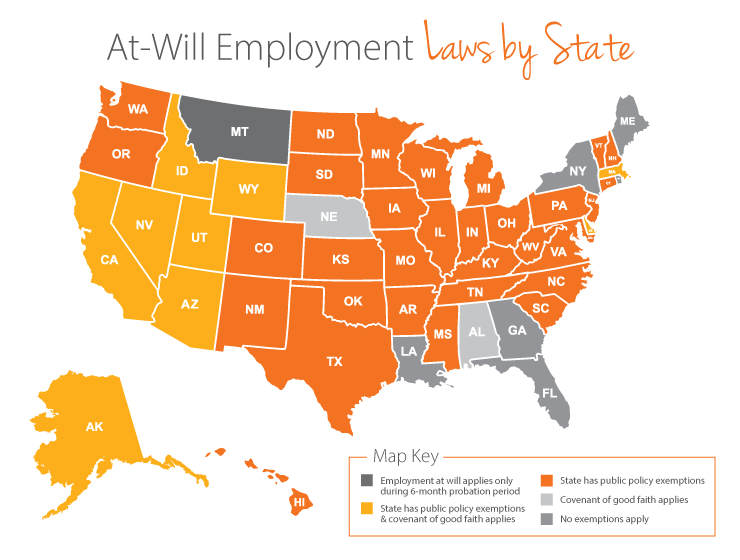
Understanding At-Will Employment in the Centennial State
At-will employment is a fundamental principle governing the employer-employee relationship in many parts of the United States, and Colorado is no exception. It’s a concept that carries significant weight for anyone working in or planning to relocate to the state, impacting everything from job security to workplace rights. For a state that thrives on its tourism appeal, drawing in countless professionals to its hotels, resorts, and myriad attractions, grasping this legal framework is paramount.
The Basics of At-Will Employment
In an at-will employment state like Colorado, the general rule is that either an employer or an employee can terminate the employment relationship at any time, for any reason, or for no reason at all, as long as the reason is not illegal. This means an employer doesn’t need to show “just cause” to fire an employee, and an employee doesn’t need to give notice (though it’s generally professional to do so) to quit. This principle provides considerable flexibility for both parties. For a traveler who might consider a seasonal job at a resort in Breckenridge or a temporary position at a hotel in Colorado Springs, understanding this flexibility can be empowering. Conversely, for the employers operating the numerous ski resorts, luxury hotels, and quaint bed-and-breakfasts scattered across the state, it offers flexibility in managing their workforce to meet fluctuating demands, a common scenario in the tourism industry.
However, “at-will” does not mean “anything goes.” It’s a common misconception that employers have carte blanche to terminate anyone for anything. There are crucial limitations and exceptions that protect employees from unfair or discriminatory practices, ensuring that while the framework is flexible, it remains equitable.
Key Exceptions to At-Will Employment
While Colorado upholds the at-will doctrine, several significant exceptions provide a safety net for employees. These exceptions are critical for anyone considering working in the state, whether at a landmark property like The Broadmoor or a boutique hotel in Estes Park.
- Implied or Express Contracts: If an employer and employee have a written employment contract that specifies the terms and duration of employment, or outlines specific termination procedures (e.g., “for cause” only), then the at-will doctrine generally does not apply. Similarly, an implied contract can sometimes be formed through an employer’s statements, promises, or an employee handbook that creates a legitimate expectation of continued employment or specific disciplinary steps before termination. For instance, a manager at a Grand Hyatt Hotel might have an employment contract that supersedes at-will terms.
- Public Policy Exception: This is a widely recognized exception in Colorado. An employer cannot terminate an employee for reasons that violate a clear mandate of public policy. This often includes instances where an employee is fired for:
- Refusing to commit an unlawful act.
- Performing a public service (like jury duty).
- Exercising a statutory right (e.g., filing a workers’ compensation claim or reporting workplace safety violations).
- “Whistleblowing,” or reporting illegal activities of the employer.
- Promissory Estoppel: This exception applies when an employer makes a clear and unambiguous promise to an employee, and the employee reasonably relies on that promise to their detriment. For example, if an employer promises long-term employment to an individual who then moves across the country, incurring significant costs, only to be fired shortly after starting without cause.
- Discrimination and Retaliation: Federal and state laws strictly prohibit termination based on protected characteristics. The Colorado Anti-Discrimination Act (CADA) is particularly robust, prohibiting discrimination based on race, color, religion, creed, national origin, ancestry, sex, sexual orientation (including transgender status), age, disability, and marital status. Furthermore, employers cannot retaliate against employees for exercising their rights under these anti-discrimination laws or for engaging in protected activities, such as requesting accommodations. This is highly relevant for a diverse workforce, often found in popular tourist destinations catering to global visitors.
- Lawful Off-Duty Activities: Colorado has a unique protection under C.R.S. § 24-34-402.5, which states that employers cannot discharge an employee for engaging in any lawful activity off the premises of the employer during nonworking hours. This is particularly relevant in a state known for its vibrant lifestyle, where employees might enjoy recreational marijuana (which is legal in Colorado), participate in political activities, or pursue various hobbies outside of work, so long as it doesn’t directly conflict with the employer’s business interests or reasonable bona fide occupational requirements.
These exceptions highlight that while at-will employment is the default, it’s not absolute. Employees in Colorado still have significant protections under both state and federal law, making it vital for both parties to understand their rights and responsibilities.
The Impact on Colorado’s Tourism and Hospitality Sector
Colorado’s economy is significantly bolstered by its thriving tourism and hospitality industries. From luxury resorts in Vail and Telluride to boutique hotels in Boulder and historic lodges near Rocky Mountain National Park, these sectors create countless employment opportunities. The at-will employment doctrine plays a crucial role in how these businesses operate and how employees navigate their careers.
Navigating Employment for Hotels and Resorts
For hotels, resorts, and other accommodation providers, at-will employment offers flexibility in managing staff levels, which can be critical in an industry prone to seasonal fluctuations and unpredictable demand. A ski resort in Keystone or Winter Park, for example, might need to rapidly scale up staffing during peak winter months and scale down during the off-season. At-will employment can facilitate these adjustments without lengthy “just cause” litigation, provided terminations are not discriminatory or in violation of other legal protections. This flexibility allows businesses to remain agile and competitive, ensuring they can continue to offer world-class service to visitors and maintain profitability.
However, this flexibility also places a greater responsibility on employers to foster a positive work environment, offer competitive benefits, and maintain transparent communication to retain good talent. High employee turnover can be costly, even in an at-will state, particularly in specialized roles that require specific training or deep knowledge of the local tourism landscape.

Attracting and Retaining Talent in a Tourist Hotspot
Colorado’s reputation as a desirable place to live and work means it often attracts a skilled and enthusiastic workforce. Many individuals relocate to the state specifically to work in its burgeoning hospitality and outdoor recreation industries, drawn by the promise of an active lifestyle and proximity to landmarks like Red Rocks Amphitheatre or Garden of the Gods. For these prospective employees, understanding at-will employment is part of their overall decision-making process. While job security might not be contractually guaranteed, the abundance of opportunities in a growing market can offset some of the perceived risks.
To attract and retain top talent, employers in Colorado’s tourism sector often go beyond the basic at-will framework. They implement robust employee handbooks, clear performance review processes, and comprehensive benefits packages. Many hotels and resorts invest heavily in training and professional development, recognizing that a well-supported and knowledgeable staff is crucial for delivering exceptional guest experiences and maintaining Colorado’s reputation as a premier travel destination. This commitment to employee well-being helps build trust and loyalty, mitigating the potential for high turnover that the at-will doctrine might otherwise facilitate.
Lifestyle, Relocation, and Working in the Centennial State
The allure of Colorado extends far beyond its economic opportunities; it’s a lifestyle destination. People move here for the skiing, hiking, cultural scene in Denver, and the overall quality of life. For those making the leap to the Centennial State, understanding the employment landscape is an integral part of planning their new life, whether they are digital nomads, families relocating, or individuals seeking new adventures.
Considerations for Digital Nomads and Remote Workers
Colorado has become a magnet for digital nomads and remote workers, drawn by its blend of urban amenities and natural beauty. For these individuals, whose employment might be with companies outside of Colorado or who work as independent contractors, the direct implications of Colorado’s at-will employment might seem less immediate. However, if their employer has a physical presence in Colorado or they eventually seek local employment, these laws become highly relevant. Many choose to base themselves in vibrant communities like Denver, near landmarks like Union Station, or in scenic mountain towns, necessitating an awareness of local labor laws, even if their current contract isn’t strictly at-will. Moreover, for those who eventually transition to local employment, knowing their rights and the default legal framework provides a solid foundation for their professional life in the state.
Enjoying Colorado’s Attractions While Employed
One of the greatest appeals of working in Colorado is the immediate access to its incredible attractions and outdoor activities. The aforementioned “lawful off-duty activities” exception to at-will employment is particularly significant here. It means that an employee generally cannot be fired for engaging in a legal activity during their non-working hours and off company premises. This provides a level of freedom that aligns perfectly with the Colorado lifestyle. Whether it’s enjoying an evening concert at Red Rocks Amphitheatre, exploring the trails around Garden of the Gods, or indulging in Colorado’s renowned craft beer scene, employees can pursue their passions outside of work without fear of unjust termination. This legal protection reinforces the state’s commitment to individual liberty and enhances the overall quality of life for its residents, making it an even more attractive place to live and work.
Best Practices for Employers and Employees in Colorado
Navigating an at-will employment state successfully requires diligence and clear communication from both employers and employees. While the legal framework provides a baseline, best practices can foster a more stable and productive work environment, especially within the dynamic context of Colorado’s travel and tourism-centric economy.
For Employers: Clear Policies and Fair Practices
For businesses operating in Colorado, particularly those in the hospitality and service industries, adhering to best practices can mitigate risks and enhance employee relations.
- Comprehensive Employee Handbooks: These documents should clearly outline company policies, expectations, conduct rules, and disciplinary procedures. While they might not create an implied contract if carefully worded, they provide clarity and consistency, which can be invaluable in defending against wrongful termination claims.
- Consistent Application of Policies: Employers should apply rules and disciplinary actions consistently across all employees. Inconsistent application can lead to claims of discrimination or unfair treatment.
- Documentation: Maintain thorough records of performance reviews, disciplinary actions, and any discussions related to employee conduct or performance. Good documentation is crucial if an employer needs to demonstrate that a termination was for a legitimate, non-discriminatory reason.
- Legal Counsel: Regularly consult with legal professionals specializing in Colorado employment law to ensure compliance with the latest state and federal regulations, particularly concerning anti-discrimination and lawful off-duty activities.
- Fair and Respectful Treatment: Beyond legal compliance, treating employees with respect and fairness fosters a positive workplace culture, reduces turnover, and enhances a company’s reputation, which is vital in a competitive job market like Colorado.

For Employees: Knowing Your Rights and Documenting Everything
Employees in Colorado also have a responsibility to understand their rights and take proactive steps to protect themselves.
- Review Employment Documents: Carefully read and understand any employment contracts, offer letters, or employee handbooks provided by your employer. Pay attention to clauses regarding termination, dispute resolution, and company policies.
- Understand Legal Protections: Be aware of your rights under state and federal anti-discrimination laws, as well as Colorado’s unique protections for lawful off-duty activities.
- Document Everything: Keep records of important communications, performance reviews, and any incidents that you believe could be relevant to your employment. This documentation can be critical if you ever need to challenge a termination or make a claim.
- Seek Clarification: If you are unsure about a company policy or a request from your employer, seek clarification. Open communication can often prevent misunderstandings.
- Consult Legal Advice: If you believe your employment rights have been violated, or you have questions about a potential termination, consulting with an employment law attorney in Colorado can provide invaluable guidance and clarify your options.
In conclusion, Colorado is indeed an at-will employment state, a principle that shapes the employer-employee relationship across its diverse industries, from the bustling hospitality sector in Denver to the seasonal resorts of Aspen and Breckenridge. However, this framework is balanced by significant exceptions and strong anti-discrimination laws, ensuring that employees are protected from unfair practices. For anyone considering moving to or working in the Centennial State, understanding these laws is not just a legal formality but a crucial element in navigating a fulfilling professional and personal life amidst Colorado’s stunning landscapes and vibrant culture. Whether you’re planning a long-term stay, a seasonal adventure, or simply considering the state for your next career move, being informed will empower you to make the most of all that Colorado has to offer.