
The question “Is Colorado Blue Or Red?” transcends simple political affiliation, inviting a deeper exploration into the very essence of the Centennial State. While it often refers to electoral maps and political leanings, to truly understand Colorado is to appreciate a landscape of vibrant contrasts, where “blue” might symbolize its progressive urban centers, endless blue skies, and pristine alpine lakes, and “red” might evoke its rugged red rock formations, conservative rural heartlands, and fiery sunsets over the plains. This unique blend creates a dynamic destination, rich in culture, diverse in geography, and offering a spectrum of experiences for every traveler.
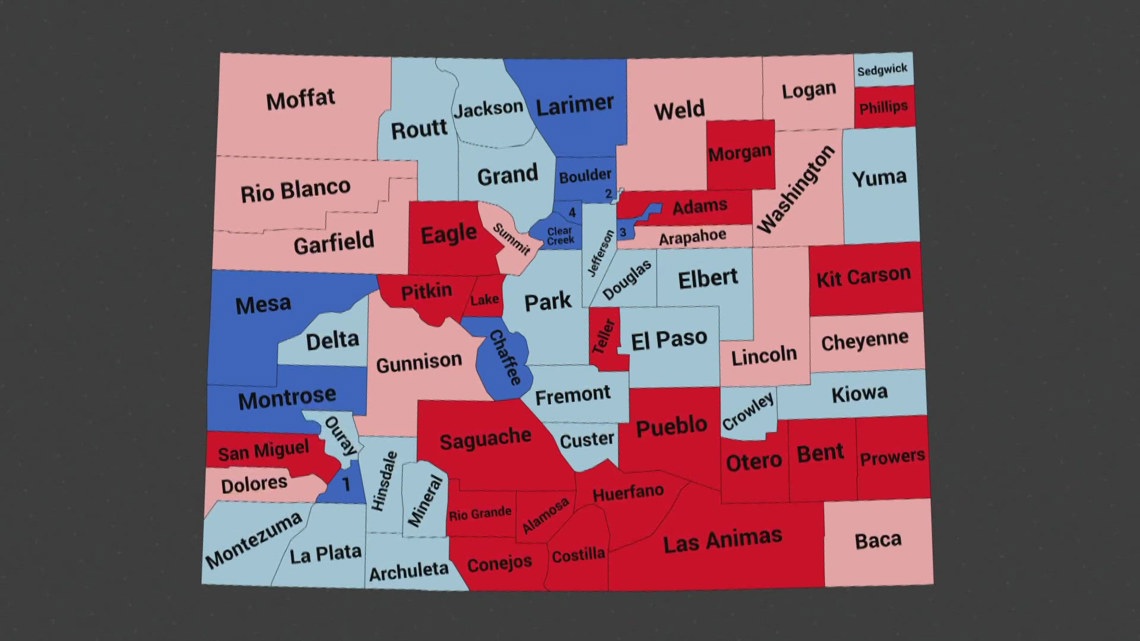
For those planning to immerse themselves in Colorado’s multifaceted charm, understanding these underlying currents enriches the journey. It’s about recognizing the shifting demographics that influence local culture and the geographical divides that dictate lifestyle and attractions. From the bustling streets of Denver to the serene canyons of the Western Slope, Colorado offers a tapestry woven with threads of innovation, tradition, adventure, and tranquility. Whether you’re seeking luxury accommodations in a world-class ski resort or a budget-friendly long-term stay near a national park, the state’s “blue” and “red” elements contribute to an unforgettable travel experience.
The Political Spectrum: A State in Transition
Politically, Colorado has historically been a swing state, but in recent decades, it has shown a discernible lean towards “blue” in presidential and statewide elections. This shift is a complex interplay of demographic changes, economic diversification, and evolving cultural values, making it a fascinating case study within the United States political landscape. Understanding this political evolution is crucial for comprehending the state’s contemporary identity and the diverse perspectives you’ll encounter during your travels.
Shifting Tides and Urban Cores
The “blue” hue of Colorado’s political map is largely concentrated in its burgeoning urban corridors and their surrounding suburbs. Cities like Denver, the state capital and largest city, along with Boulder, Fort Collins, Aurora, and Lakewood, are anchors of progressive thought and Democratic support. These areas are characterized by a youthful, educated, and increasingly diverse population drawn to the vibrant job markets in technology, aerospace, and renewable energy sectors. The presence of major universities, such as the University of Colorado Boulder and Colorado State University, further contributes to a liberal intellectual environment.
These urban hubs are not just political strongholds but also cultural melting pots. Denver, for instance, boasts a thriving arts scene, diverse culinary experiences, and a strong emphasis on outdoor recreation. Visitors exploring these cities will find a plethora of modern hotels, boutique accommodations, and an array of lifestyle options catering to various tastes, from luxury travel to budget-conscious explorations. The Denver Art Museum, Union Station with its revitalized food hall, and the bustling Pearl Street Mall in Boulder are landmarks that reflect this progressive, outward-looking spirit.
Rural Roots and Enduring Values
Conversely, the “red” portions of Colorado are predominantly found in the state’s vast rural areas, particularly on the Eastern Plains and in many Western Slope counties. These regions often uphold more conservative values, rooted in agriculture, ranching, mining, and a strong sense of community tradition. Towns like Pueblo and Grand Junction, while having their own unique blend of political leanings, often lean more conservative than the Front Range. The residents here often prioritize individual liberties, limited government, and traditional ways of life, forming a critical counterpoint to the urban liberalism.
For travelers venturing into these areas, the experience offers a different facet of Colorado. It’s an opportunity to engage with local culture that emphasizes community events, local produce, and a slower pace of life. While luxury resorts are less common, you’ll find charming bed and breakfasts, rustic cabins, and independently owned motels that offer a glimpse into authentic rural hospitality. Landmarks here might include historic ranches, agricultural museums, or natural formations like the Colorado National Monument near Grand Junction, showcasing the state’s geological grandeur away from the popular mountain resorts. This duality ensures that whether your lifestyle preference is bustling city life or tranquil country living, Colorado has something to offer.
Beyond Politics: Interpreting Colorado’s Colors Through Geography and Culture
Beyond the political map, the terms “blue” and “red” also vividly describe the geographical and cultural tapestry of Colorado. This interpretation offers a richer understanding of the state’s diverse landscapes, the activities it offers, and the unique experiences awaiting visitors. From the towering, snow-capped peaks against a cerulean sky to the ochre-toned deserts and ancient rock formations, Colorado is a visual spectacle of contrasting colors.
The “Blue” of Mountain Metropolises and Progressive Hubs
When we think of “blue” in Colorado from a geographical and cultural perspective, it often conjures images of the majestic Rocky Mountains under expansive clear skies, the serene azure of alpine lakes, and the deep blue of the high-altitude wilderness. This “blue” embodies the spirit of outdoor adventure, environmental consciousness, and a modern, active lifestyle. Cities nestled in the foothills or mountain valleys, such as Boulder, Aspen, Vail, and Breckenridge, often carry this “blue” identity. They are known for their vibrant outdoor recreation scenes, from world-class skiing and snowboarding in winter to hiking, mountain biking, and fly fishing in summer.
These “blue” areas are also synonymous with health-conscious living, progressive cultural movements, and sustainable tourism practices. Boulder, for instance, is a hub for wellness and outdoor gear innovation, while Aspen and Vail are renowned for their luxury travel experiences, high-end hotels like the St. Regis Aspen Resort, and sophisticated dining. Landmarks like Rocky Mountain National Park symbolize this blue facet, drawing millions seeking pristine natural beauty and unparalleled adventure. These destinations offer a wide range of accommodation options, from luxurious resorts to cozy cabins, perfect for both short visits and long-term stays, making them ideal for family trips or an adventurous escape.
The “Red” of Arid Plains and Ancient Landscapes
The “red” aspect of Colorado is expressed in its striking geological formations and the vast, open spaces of its eastern plains and southwestern deserts. This includes the dramatic red rock canyons, mesas, and desert landscapes that characterize much of the Western Slope and parts of Southern Colorado. Landmarks such as Red Rocks Amphitheatre near Morrison, the surreal formations of Garden of the Gods in Colorado Springs, and the ancient cliff dwellings of Mesa Verde National Park in the southwest exemplify this “red” identity. These areas tell tales of ancient history, rugged individualism, and a deep connection to the land.
Culturally, these “red” regions often preserve traditional values, ranching heritage, and the spirit of the Old West. Durango, while also an outdoor adventure hub, carries a strong sense of its historical roots, evident in its narrow-gauge railroad and Victorian architecture. The Eastern Plains showcase endless agricultural fields and a slower, more deliberate pace of life. Tourism here often involves exploring national monuments, engaging in agricultural experiences, or visiting smaller, historic towns. Accommodation might include charming inns, RV parks, or independently owned hotels that offer a more intimate, local flavor. Whether it’s tracing dinosaur footprints at Dinosaur National Monument or marveling at the vibrant canyons of Black Canyon of the Gunnison National Park, the “red” side of Colorado offers a profound connection to nature and history.
A Spectrum of Experiences: How Colorado’s Diversity Shapes Travel and Tourism

The vibrant “blue and red” spectrum of Colorado directly translates into an incredibly diverse range of travel and tourism opportunities, catering to every imaginable preference and lifestyle. This dynamic interplay means visitors can craft itineraries that seamlessly blend different facets of the state, moving from bustling urban adventures to serene wilderness retreats, often within a short drive. The choice of where to stay, what to see, and how to experience Colorado is as varied as its political and geographical hues.
Blue Sky Adventures and High-Altitude Luxury
The “blue” side of Colorado is a magnet for adventure seekers and those desiring a luxurious mountain escape. The state’s renowned ski resorts like Aspen, Vail, Telluride, and Breckenridge epitomize high-altitude luxury, offering world-class skiing, gourmet dining, and opulent accommodations. Here, you can find five-star hotels, such as the St. Regis Aspen Resort, lavish villas, and full-service resorts boasting amenities like spas, ski-in/ski-out access, and concierge services tailored for discerning travelers. Even outside of ski season, these mountain towns transform into havens for hiking, mountain biking, white-water rafting on rivers like the Arkansas River, and exploring pristine natural landmarks such as the iconic Maroon Bells near Aspen.
Urban centers like Denver and Boulder also embody this “blue” vibrancy, offering a blend of cultural attractions, innovative cuisine, and a lively nightlife. Denver provides a wide array of hotels from towering suites at the Hyatt Regency Denver at Colorado Convention Center to boutique experiences at Hotel Teatro, catering to business stays, luxury travel, and family trips alike. The progressive atmosphere extends to vibrant arts districts, craft breweries, and an emphasis on farm-to-table dining. Travelers can participate in unique experiences such as exploring street art, attending concerts at Red Rocks Amphitheatre (a bridge between blue and red!), or embarking on scenic drives along routes like the Mount Evans Scenic Byway.
Red Rock Wonders and Rustic Retreats
The “red” side of Colorado appeals to those drawn to history, geology, and a more rugged, authentic sense of place. Destinations like Mesa Verde National Park offer a profound journey into ancient Native American culture and history, while the Great Sand Dunes National Park and Preserve presents a unique desert landscape perfect for sandboarding and stargazing. The Garden of the Gods in Colorado Springs and the Colorado National Monument near Grand Junction provide stunning examples of the state’s iconic red rock scenery, inviting visitors for hiking, photography, and geological exploration.
Accommodation in these “red” areas often leans towards more rustic or historically rich options. You might find charming inns, family-run motels, or even opportunities for long-term stays in cabins or vacation apartments in towns like Durango or Pueblo. Colorado Springs offers a mix, from the historic grandeur of The Broadmoor Hotel to more budget-friendly options that serve as excellent bases for exploring nearby natural landmarks. Local culture in these regions often features cowboy heritage, agricultural fairs, and a strong sense of community, providing a contrast to the bustling urban centers. These areas are ideal for family trips focused on education and outdoor exploration, or for budget travel where nature takes center stage.
Navigating Colorado: Accommodation, Landmarks, and Lifestyle Choices
Navigating Colorado effectively means appreciating its unique blend of “blue” and “red” influences, particularly when considering accommodation, iconic landmarks, and the diverse lifestyles it caters to. Every decision, from where to book your stay to which destinations to prioritize, can be informed by this rich duality, ensuring your travel experience is as vibrant and varied as the state itself.
From Boutique Stays to Mountain Resorts
Colorado’s accommodation landscape is as diverse as its scenery, offering options that perfectly align with either its “blue” progressive spirit or its “red” traditional charm. In the “blue” urban centers like Denver and Boulder, you’ll find a plethora of modern hotels, sleek boutique properties, and luxury resorts. Denver boasts options like The Ritz-Carlton, Denver for those seeking opulent suites and premium amenities, or historic gems like the Brown Palace Hotel and Spa which blends classic elegance with modern comfort. These are ideal for business stays, luxury travel, or family trips looking for urban convenience. For longer visits, serviced apartments offer the comforts of home.
As you venture into the “blue” mountain towns, the accommodation often shifts towards ski resorts and luxurious mountain lodges, designed for an immersive outdoor lifestyle. Places like the St. Regis Aspen Resort or The Stanley Hotel in Estes Park (gateway to Rocky Mountain National Park) cater to discerning guests with high-end services and unparalleled access to nature. Conversely, the “red” regions of Colorado offer more rustic and authentically local options. Here, you might find cozy bed and breakfasts, family-owned motels, or unique vacation rentals that allow for a deeper connection with the local culture and landscape. For budget travel or long-term stays, particularly for those exploring national parks or participating in outdoor activities, these choices offer affordability without sacrificing charm. The Broadmoor Hotel in Colorado Springs, though luxurious, embodies a more classic “red” aesthetic, nestled against the natural wonders of the region.
Iconic Landmarks Across the Colorful Divide
Colorado’s landmarks are powerful symbols of its “blue” and “red” identity. The “blue” side celebrates its natural beauty and modern achievements:
- Rocky Mountain National Park: An iconic destination for its alpine lakes, towering peaks, and abundant wildlife, representing pristine natural beauty and outdoor adventure.
- Denver Art Museum: A symbol of Denver’s progressive art scene and architectural innovation.
- Pearl Street Mall in Boulder: A vibrant pedestrian mall showcasing the city’s unique lifestyle, shops, and eateries.
The “red” side highlights the state’s historical depth and rugged geological formations:
- Red Rocks Amphitheatre: While a popular music venue, its stunning red sandstone formations embody the state’s geological grandeur, bridging both “blue” (modern entertainment) and “red” (natural wonder).
- Mesa Verde National Park: A UNESCO World Heritage Site, this landmark preserves the incredible cliff dwellings of the Ancestral Puebloans, showcasing ancient culture and history.
- Garden of the Gods: Majestic red rock formations near Colorado Springs that offer stunning vistas and opportunities for hiking and photography.
- Great Sand Dunes National Park and Preserve: Featuring the tallest dunes in North America, this destination is a surreal natural wonder, offering a unique “red” desert experience.
- Four Corners Monument: While a simple geographical marker, it represents a connection to the broader Southwestern United States and its distinct cultural and geological identity.
Whether your lifestyle leans towards urban sophistication and adventure or rugged exploration and historical immersion, Colorado’s tapestry of landmarks ensures that every traveler can find their ideal destination. The strategic choice of accommodation – be it a luxury downtown hotel or a charming countryside inn – will only enhance your journey through this wonderfully colorful state.

Embracing Colorado’s Vibrant Blend
Ultimately, the question “Is Colorado Blue Or Red?” reveals far more than just political leanings. It uncovers a state defined by its stunning geographical diversity, rich cultural tapestries, and a dynamic interplay of urban progressivism and rural tradition. Colorado is not simply one color or the other; it is a magnificent spectrum, a harmonious blend of “blue” alpine skies, progressive urban centers, and innovative lifestyles, juxtaposed with “red” geological wonders, resilient rural communities, and a deep reverence for history and the land.
For the traveler, this vibrant blend translates into an unparalleled array of experiences. From skiing on world-class slopes and exploring cosmopolitan cities like Denver and Boulder, to hiking among ancient red rock formations and immersing oneself in the timeless culture of historic towns, Colorado promises something for everyone. Whether your ideal trip involves luxury travel at an Aspen resort, a budget travel adventure through Rocky Mountain National Park, a family trip exploring Mesa Verde National Park, or a business stay in a downtown Denver hotel, the state’s multifaceted identity is its greatest attraction.
When planning your visit, embrace the entirety of Colorado’s palette. Consider a multi-faceted itinerary that allows you to witness both the innovative spirit of its “blue” cities and the rugged beauty of its “red” landscapes. Explore the diverse accommodation options, from high-end suites to charming villas and cozy mountain cabins, each offering a unique perspective on the local culture and environment. By understanding and celebrating this colorful dichotomy, you’ll gain a richer, more profound appreciation for what makes Colorado truly exceptional. It is, in essence, a masterpiece painted with all the colors of the rainbow, inviting you to discover its every hue.
LifeOutOfTheBox is a participant in the Amazon Services LLC Associates Program, an affiliate advertising program designed to provide a means for sites to earn advertising fees by advertising and linking to Amazon.com. Amazon, the Amazon logo, AmazonSupply, and the AmazonSupply logo are trademarks of Amazon.com, Inc. or its affiliates. As an Amazon Associate we earn affiliate commissions from qualifying purchases.