
Colorado, often dubbed the “Centennial State,” presents a fascinating mosaic of landscapes, cultures, and political leanings. From the towering peaks of the Rocky Mountains to the expansive plains, and from bustling urban centers to serene rural communities, the state offers a journey through diverse experiences. The question “Is Colorado Red Or Blue?” transcends simple political affiliation, echoing a broader spectrum of lifestyles, values, and travel opportunities that beckon visitors from around the globe. For those planning a trip, understanding this nuanced blend can help tailor an unforgettable Colorado adventure, whether seeking progressive urban exploration, rugged outdoor escapades, or a dive into the state’s rich history and traditional charm.
The Political Spectrum & Its Travel Tapestry
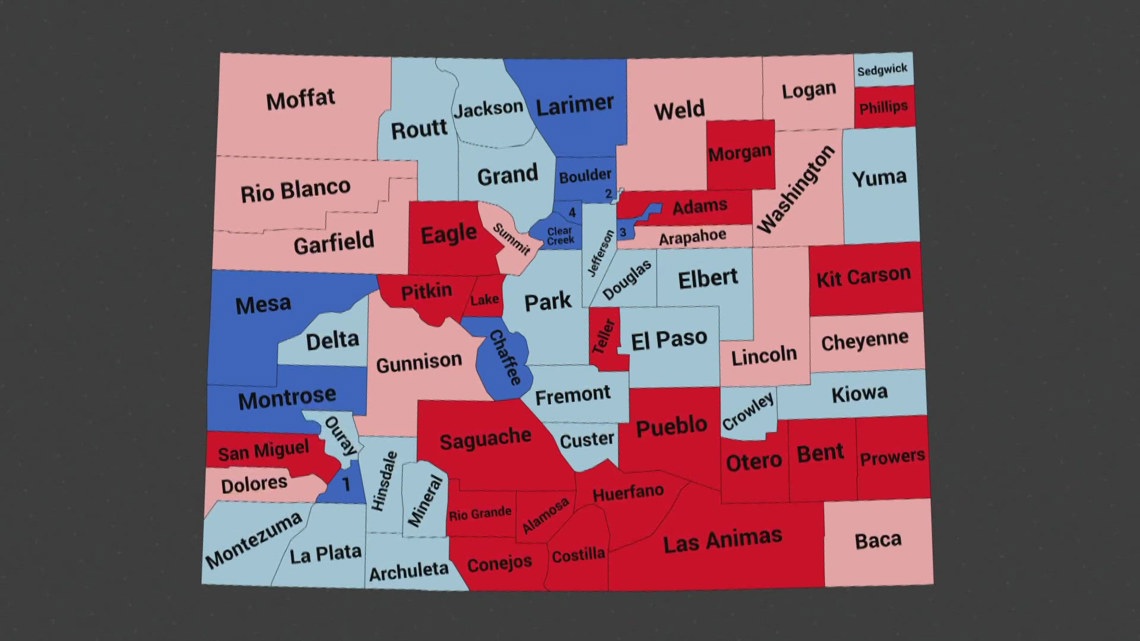
Colorado’s political identity is as varied as its topography. While major metropolitan areas like Denver and Boulder often lean “blue,” representing a progressive, environmentally conscious, and culturally diverse demographic, many rural areas and some significant cities like Colorado Springs tend towards “red,” embracing more conservative values, traditional industries, and a strong sense of community rooted in frontier spirit. This blend isn’t merely a political statistic; it profoundly shapes the local culture, available attractions, types of tourism experiences, and even the lifestyle one encounters.
Urban Blue: Progressive Hubs and Modern Amenities
The “blue” heart of Colorado pulsates in its vibrant urban centers. Denver, the state capital and largest city, is a prime example. Known for its thriving arts scene, numerous craft breweries, innovative culinary landscape, and a strong emphasis on outdoor recreation, Denver offers a modern, dynamic travel experience. Visitors to Denver can explore world-class museums such as the Denver Art Museum and the Molly Brown House Museum, stroll through the revitalized Union Station district, or catch a concert at the iconic Red Rocks Amphitheatre just outside the city. The emphasis here is on sustainable living, progressive policies, and a culture that values diversity and forward-thinking ideas.
Boulder, nestled at the foothills of the Rocky Mountains, epitomizes the “blue” Colorado lifestyle with its focus on health, wellness, and environmentalism. Home to the University of Colorado Boulder, the city boasts a vibrant intellectual atmosphere, a plethora of organic eateries, yoga studios, and direct access to hundreds of miles of hiking and biking trails. The Pearl Street Mall is a famous pedestrian area offering unique shops, street performers, and diverse dining options. These “blue” regions attract travelers seeking upscale accommodation in boutique hotels, luxury resorts, and eco-friendly lodgings, all while enjoying a cosmopolitan yet nature-infused experience.
Rural Red: Frontier Spirit and Enduring Traditions
On the other side of the spectrum, much of rural Colorado and some larger towns embody a more “red” identity. Colorado Springs, for example, is home to the United States Air Force Academy and a significant military presence, fostering a culture of patriotism, community service, and traditional values. Its proximity to natural wonders like the Garden of the Gods and Pikes Peak offers ample opportunities for family-friendly outdoor activities, historical exploration, and a more grounded travel experience.
The Western Slope and southeastern plains of Colorado reflect a distinct “red” character, characterized by ranching, agriculture, and a strong sense of independence. Towns like Grand Junction, Pueblo, and those dotting the agricultural heartland offer a glimpse into a more rustic and historically significant side of the state. Here, visitors can explore national monuments, delve into the history of mining and pioneers, and experience genuine local culture through rodeos, county fairs, and hearty, traditional cuisine. Accommodation options often include charming bed and breakfasts, rustic cabins, or reputable chain hotels that cater to a value-conscious traveler seeking authenticity over opulence. This side of Colorado appeals to those interested in history, nature, and a connection to America’s frontier heritage.
Exploring Colorado’s Diverse Landscapes and Landmarks
Colorado’s vast geographical diversity naturally aligns with its “red” and “blue” cultural leanings, offering a rich tapestry of landmarks and destinations that cater to every type of traveler.
Iconic Blue-Leaning Destinations: Mountains, Arts, and Innovation
The majestic Rocky Mountains themselves often feel “blue” in their pristine, wild beauty, attracting environmentally conscious adventurers and those seeking high-end recreational pursuits. World-renowned ski resorts like Vail, Aspen, and Telluride are synonymous with luxury travel, offering not only unparalleled skiing and snowboarding but also sophisticated dining, high-end shopping, and vibrant cultural scenes, including film festivals and art galleries. These destinations cater to a demographic that values premium experiences, sustainable practices, and access to breathtaking natural beauty.
Beyond skiing, areas like Rocky Mountain National Park attract millions of visitors annually, drawn by its stunning alpine landscapes, diverse wildlife, and extensive hiking trails. The ethos here is one of preservation and respectful engagement with nature, aligning with “blue” environmental values. Boulder’s Flatirons and the many state parks around Denver provide accessible opportunities for outdoor recreation that are highly valued by the state’s progressive populations. These regions often feature modern architecture, public art installations, and a general atmosphere of creativity and innovation, reflecting a forward-looking societal perspective.
Timeless Red-Leaning Regions: History, Nature, and Adventure
Conversely, the “red” regions of Colorado are often characterized by their deep historical roots, rugged natural beauty, and a focus on traditional outdoor activities. The aforementioned Colorado Springs area, with its proximity to Pikes Peak and the dramatic rock formations of the Garden of the Gods, offers a blend of military history and natural wonder. Visitors can explore the Cave of the Winds Mountain Park, or ride the historic Pikes Peak Cog Railway.
Further south and west, destinations like Mesa Verde National Park provide an immersive journey into the ancient history of the Ancestral Pueblo people, with incredible cliff dwellings and archaeological sites. The “Four Corners” region, bordering New Mexico, Arizona, and Utah, is rich in Native American heritage and vast, unspoiled landscapes that speak to a timeless, enduring spirit. Mining towns such as Leadville and Creede offer a glimpse into Colorado’s boom-and-bust past, with well-preserved historical buildings and museums. These areas appeal to history buffs, adventurers seeking authentic experiences like white-water rafting on the Arkansas River, hunting, or fishing, and families looking for educational and wholesome trips that connect them to the land and its stories.
Accommodation and Lifestyle Choices Across the Divide
The “red” and “blue” characteristics of Colorado are also reflected in its diverse accommodation options and the prevalent lifestyle choices travelers encounter. Whether seeking urban sophistication or rustic charm, Colorado caters to a wide array of preferences and budgets.
From Boutique Stays to Mountain Resorts: Blue Amenities
In the “blue” urban centers and upscale mountain towns, the accommodation landscape is dominated by modern amenities and curated experiences. Denver boasts a selection of chic boutique hotels like The Maven at Dairy Block or the Halcyon, a Hotel in Cherry Creek, offering contemporary designs, gourmet dining, and personalized service. These hotels often feature rooftop bars, trendy restaurants, and easy access to vibrant nightlife and cultural attractions. Boulder offers options like the Hotel Boulderado, a historic gem with modern comforts, or more contemporary choices near the university.
The premier ski resorts in destinations like Aspen and Vail are home to some of the most luxurious resorts in the country. The St. Regis Aspen Resort or The Little Nell in Aspen offer unparalleled service, ski-in/ski-out access, opulent suites, and world-class spas, embodying the pinnacle of luxury travel. These properties cater to guests looking for an indulgent and seamless vacation, often incorporating wellness programs, fine dining, and exclusive experiences. Booking these types of accommodations typically requires advance planning, especially during peak seasons, and they represent a significant investment in a premium lifestyle experience.
Rustic Retreats and Family-Friendly Lodging: Red Hospitality
In Colorado’s “red” areas, the accommodation emphasis shifts towards affordability, comfort, and a more down-to-earth experience. Colorado Springs has a mix of established chain hotels that cater to family trips and business travelers, alongside unique historic options like The Broadmoor, which, while luxurious, carries a strong sense of tradition and timeless elegance. Many independent motels and cozy bed and breakfasts can be found in smaller towns like Ouray or Durango, offering a more personal and often more budget-friendly stay.
For those venturing into the Western Slope or the plains, options range from charming cabins and rustic lodges near national parks to campgrounds and RV parks, ideal for budget travel and immersive outdoor experiences. Working ranches often offer guest stays, providing a unique opportunity to participate in an authentic Colorado lifestyle rooted in the state’s agricultural heritage. These accommodations often prioritize practicality and access to nature, allowing visitors to disconnect and enjoy the simpler pleasures of the outdoors. They typically provide a warm, hospitable atmosphere, reflecting the strong community values often found in “red” regions. Online reviews and comparison sites are invaluable for finding the perfect blend of comfort and authenticity in these areas.
Culinary Journeys and Local Culture: A Spectrum of Tastes
Just as Colorado’s political landscape varies, so too does its culinary scene and local culture, offering a diverse array of experiences that reflect the “red” and “blue” divide. From innovative gastronomy to hearty, traditional fare, the state’s food and cultural offerings are a journey in themselves.
Farm-to-Table and Craft Scene: The Blue Palate
In Colorado’s “blue” urban centers, the culinary scene is vibrant, innovative, and often driven by sustainable practices. Denver and Boulder are renowned for their farm-to-table restaurants, which prioritize locally sourced ingredients and seasonal menus. Eateries like Acreage by Bryan & Katie or Frasca Food and Wine in Boulder exemplify this commitment to fresh, high-quality cuisine. The focus is often on organic, vegetarian, and vegan options, catering to a health-conscious and adventurous palate.
Beyond fine dining, the craft beverage scene flourishes in these progressive areas. Colorado is a national leader in craft breweries, with Denver being a particular hotspot. Breweries such as Great Divide Brewing Co. and New Belgium Brewing Company offer tours and tasting rooms, reflecting a culture of artisanal production and local entrepreneurship. Craft distilleries and wineries are also gaining prominence, providing visitors with a taste of Colorado’s evolving agricultural and culinary identity. The cultural scene is equally dynamic, with live music venues, independent art galleries, and diverse festivals celebrating everything from jazz to film.
Hearty Fare and Local Flavors: The Red Table
In Colorado’s “red” regions, the culinary experience often leans towards hearty, traditional American fare, influenced by ranching, farming, and the state’s historical roots. Steakhouses, BBQ joints, and diners serving classic comfort food are prevalent. In Colorado Springs, for instance, you’ll find a range of family-friendly restaurants offering substantial meals.
The Western Slope and areas like Pueblo are famous for their green chile, a beloved regional specialty that features prominently in various dishes, from stews to breakfast burritos. Festivals celebrating agriculture, like the Palisade Peach Festival, highlight the bounty of the land and the importance of farming communities. Local diners and independent restaurants often serve up generously portioned, unpretentious meals that embody the straightforward, no-frills lifestyle of these regions. Culturally, these areas are often characterized by events such as rodeos, county fairs, and celebrations of local heritage, offering a glimpse into a more traditional and community-oriented side of Colorado. This focus on authentic, regional flavors and community events provides a distinct contrast to the more experimental and cosmopolitan offerings of the “blue” areas.
Planning Your Colorado Adventure: Navigating the Spectrum
Understanding Colorado’s “red” and “blue” nuances is key to planning a travel itinerary that perfectly matches your desires. The state’s political and cultural spectrum translates into a rich array of destinations, attractions, and experiences.
Tailoring Your Trip: Matching Preferences to Regions
If your ideal vacation involves vibrant city life, cutting-edge cuisine, a thriving arts scene, and immediate access to world-class outdoor recreation with a progressive twist, then focus your travel on “blue” areas. Spend time in Denver exploring its diverse neighborhoods, art galleries, and craft breweries. Head to Boulder for hiking, healthy eating, and a relaxed, intellectual atmosphere. For a luxurious ski getaway with high-end hotels, gourmet dining, and a sophisticated social scene, destinations like Aspen and Vail are unparalleled. These areas offer a modern, often more upscale lifestyle experience.
Conversely, if you’re seeking a journey through history, a connection with rugged natural beauty, family-friendly attractions, and a more traditional, perhaps slower-paced lifestyle, then the “red” regions will resonate more deeply. Colorado Springs provides an excellent base for exploring Pikes Peak and the Garden of the Gods, along with its military heritage. The Western Slope offers access to Mesa Verde National Park, stunning canyons, and charming historic towns like Durango, where you can ride the historic Durango & Silverton Narrow Gauge Railroad. Accommodation here might involve a cozy cabin, a stay at a historic inn, or a budget-friendly travel option that prioritizes access to nature and local culture.

Experiences Beyond the Binary: Colorado’s Unified Appeal
Ultimately, while the “red” and “blue” labels provide a useful framework for understanding Colorado’s multifaceted identity, the state’s true appeal lies in its ability to offer experiences that transcend these distinctions. Many travelers find themselves drawn to a blend of both. You might start your trip in progressive Denver, enjoying its urban amenities and cultural scene, then venture west to the more conservative and historically rich mining towns of the San Juan Mountains, eventually finding yourself in the natural splendor of a remote national park that speaks to universal human appreciation for beauty.
Colorado is a state where outdoor adventure is a unifying force, from world-class skiing and snowboarding in the winter to hiking, mountain biking, and white-water rafting in the summer. Its stunning landmarks and natural wonders—whether they reside in a “blue” or “red” county—are accessible to all. The genuine warmth and hospitality of its residents, irrespective of their political leanings, often leave a lasting impression. Whether you seek vibrant city energy, serene mountain escapes, or a deep dive into history and heritage, Colorado offers a rich and rewarding travel experience that embraces the full spectrum of its unique character. It’s a state that proves its charm is truly in its incredible diversity, making the question “Is Colorado Red Or Blue?” less about division and more about a wealth of choices waiting to be explored.
LifeOutOfTheBox is a participant in the Amazon Services LLC Associates Program, an affiliate advertising program designed to provide a means for sites to earn advertising fees by advertising and linking to Amazon.com. Amazon, the Amazon logo, AmazonSupply, and the AmazonSupply logo are trademarks of Amazon.com, Inc. or its affiliates. As an Amazon Associate we earn affiliate commissions from qualifying purchases.