
The allure of California is undeniable. From the sun-drenched beaches of Southern California to the majestic redwood forests of the north, it’s a state that beckons travelers seeking a diverse range of experiences. Whether you’re dreaming of a luxurious escape to a Beverly Hills resort, an adventurous exploration of Yosemite National Park, or a cultural immersion in the vibrant streets of San Francisco, California offers a tapestry of attractions. For those planning a trip, understanding the legalities surrounding relationships can sometimes add an unexpected layer of complexity, especially if you’re contemplating the concept of common law marriage. This article aims to clarify the status of common law marriage in California, providing essential information for travelers and residents alike, ensuring your visit or stay is as smooth and legally sound as possible.
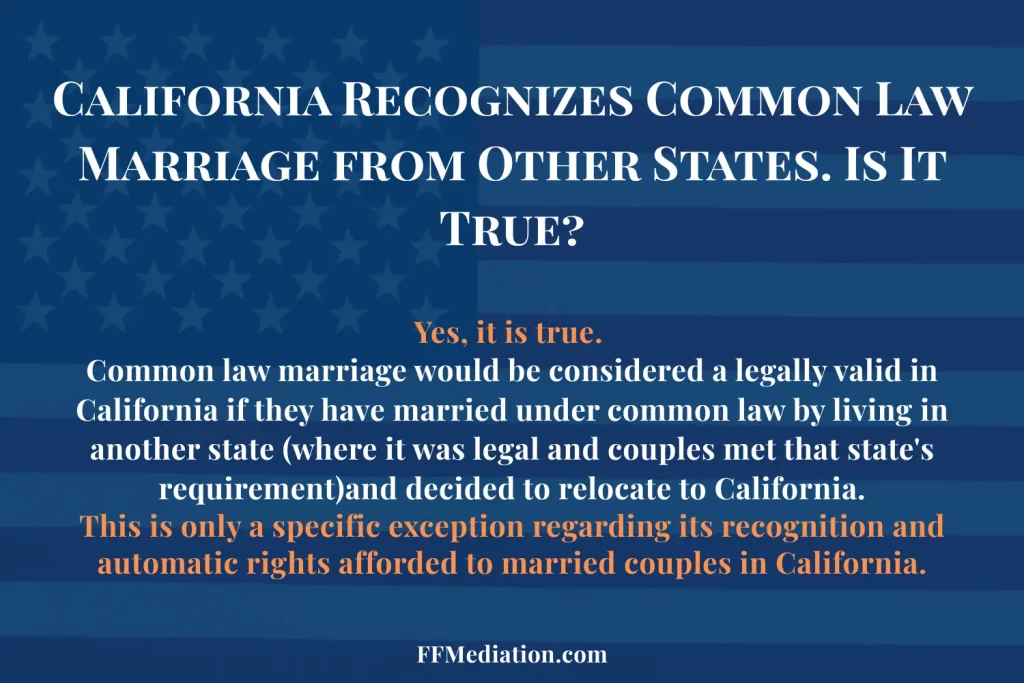
While California is a popular destination for honeymoons, romantic getaways, and family vacations, it does not recognize common law marriage within its borders. This is a crucial distinction for couples who may have formed a union in a state that does permit common law marriage and are now wondering about its validity in the Golden State. The principles of marriage in California are quite specific, and adherence to them is necessary for a union to be legally recognized.
Understanding Marriage Laws in California
In California, a marriage is legally recognized when a marriage license is obtained and a ceremony is performed by an authorized officiant. This ceremony must be followed by the filing of the marriage certificate with the county clerk. There are no exceptions for couples who believe they have established a marriage through cohabitation and mutual agreement without these formal steps. This is often referred to as “holding out” as married.
The Formalities of a Legal Marriage
To be legally married in California, couples must meet several requirements:
- Age and Consent: Both individuals must be at least 18 years old and have the mental capacity to consent to marriage. Minors can marry with parental consent and court permission.
- Marriage License: A marriage license must be obtained from a county clerk’s office in California. This involves presenting identification and declaring intent to marry. The license is typically valid for 90 days.
- Ceremony: A marriage ceremony must be conducted by an authorized person, such as a judge, priest, minister, or rabbi. Civil ceremonies are commonly performed at county courthouses.
- Witnesses: At least one witness must be present at the ceremony.
- Filing of Certificate: After the ceremony, the marriage license must be signed by the couple, the officiant, and the witness, and then returned to the county clerk’s office for official recording.
These steps are fundamental and non-negotiable for establishing a legal marriage in California. The absence of any of these formal requirements means that, in the eyes of California law, a marriage has not been legally created.
Common Law Marriage: What It Is and Where It’s Recognized
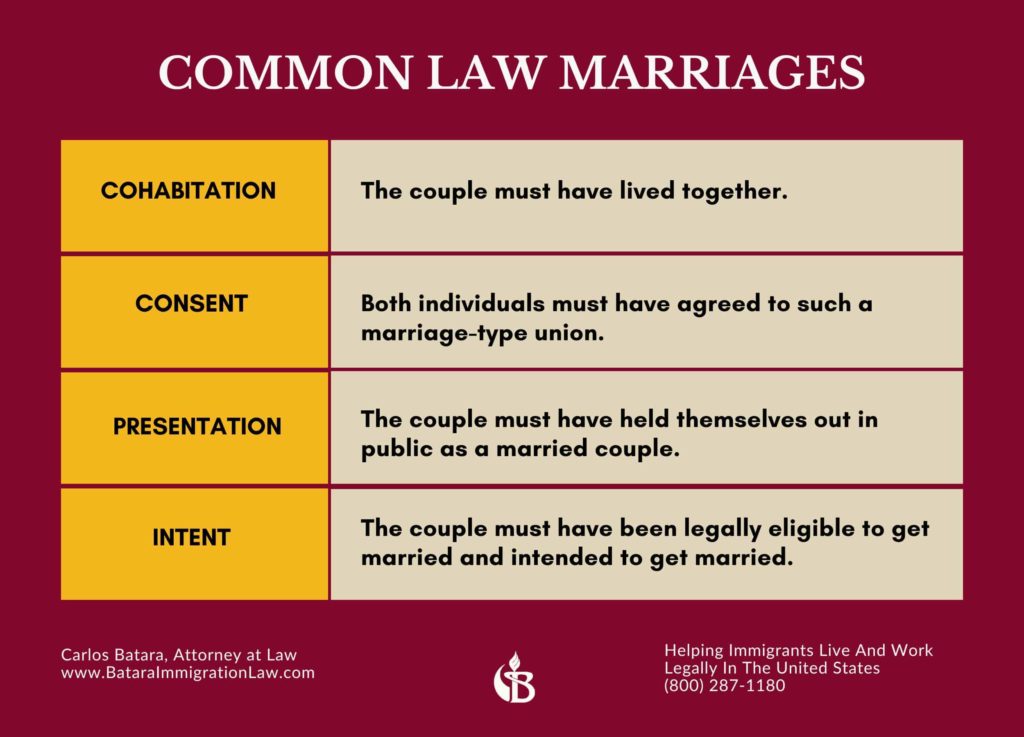
Common law marriage, also known as informal marriage, is a legal framework in some jurisdictions where a couple can be considered legally married without obtaining a marriage license or having a formal ceremony. The requirements for establishing a common law marriage vary by state, but generally involve:
- Agreement to be married: Both parties must intend to be married.
- Cohabitation: The couple must live together.
- Holding out to the public: The couple must represent themselves to others as being married.
While this concept might seem straightforward, it’s important to note that the number of states that recognize common law marriage is shrinking. As of now, only a limited number of states and the District of Columbia still allow new common law marriages to be formed within their borders. These typically include states like Colorado, Iowa, Kansas, Montana, New Hampshire (for inheritance purposes only), Oklahoma, Rhode Island, South Carolina, Texas, and Utah.
The “Full Faith and Credit” Clause and Out-of-State Marriages
This is where the distinction becomes particularly important for travelers and those relocating. The United States Constitution’s Full Faith and Credit Clause requires states to recognize the public acts, records, and judicial proceedings of every other state. This means that if a couple validly entered into a common law marriage in a state that does permit it, California will recognize that marriage as legal, even though California itself does not allow for the formation of new common law marriages.
For example, if a couple legally established a common law marriage in Texas and then moves to California, their marriage will be considered valid in California. This recognition is based on the marriage being legally formed according to the laws of the state where it was established, not on California‘s own marriage laws. The same principle applies to formal marriages. A marriage legally performed in New York is recognized in California, and vice versa.
The critical element is where and how the marriage was established. If the couple lives in California and attempts to create a common law marriage there, it will not be recognized. However, if they lived in a state that allows common law marriage, met all its requirements, and then moved to California, their union is legally valid.
Implications for Couples in California
The absence of common law marriage recognition in California has significant implications for couples who are not formally married. While they may consider themselves married and share a life together, they do not have the legal protections and rights afforded to married couples.
Rights and Protections Denied Without Formal Marriage
Without a formal marriage, couples in California lack the legal standing to:
- Inherit from each other: If one partner dies without a will, the surviving partner may not inherit any of the deceased’s assets. Property would pass to blood relatives.
- Make medical decisions: In cases of emergency, an unmarried partner may not have the legal right to make medical decisions for the other. This can often be addressed through advanced healthcare directives, but without them, the situation can become legally complicated.
- Claim spousal support: There is no legal basis for spousal support (alimony) in the event of a breakup.
- Share in property acquired during the relationship: While community property laws generally apply to married couples, they do not extend to unmarried partners. Property acquired during the relationship would typically belong to the individual who purchased it, unless there are specific contractual agreements like a cohabitation agreement.
- File joint tax returns: Unmarried couples cannot file joint tax returns.
- Receive benefits: Many employer-provided benefits, such as health insurance or retirement plans, are often limited to legal spouses.
Cohabitation Agreements as an Alternative
For couples choosing not to formalize their union through marriage, or for those who have lived together in California without meeting the criteria for a common law marriage (which is impossible in California anyway), a cohabitation agreement can be a valuable tool. This legally binding contract outlines how assets and debts will be divided in the event of a breakup or the death of one partner. It can address issues such as:
- Ownership of real estate and personal property.
- Responsibility for debts.
- Division of shared expenses.
- Support obligations (though these are generally limited and not as comprehensive as spousal support).
A well-drafted cohabitation agreement can provide a degree of financial security and clarity for both partners, mitigating potential disputes and legal battles down the line. It’s highly recommended that couples seeking to create such an agreement consult with an experienced family law attorney in California to ensure it is legally sound and covers all their specific needs and concerns. This is particularly important when considering the diverse legal landscape of relationships and property division in California.
Navigating Relationship Status While Traveling or Living in California
Understanding the nuances of marital recognition is crucial, whether you’re planning a trip to experience the iconic sights of the Golden Gate Bridge, enjoy a leisurely stay at a luxury hotel like the Beverly Wilshire, A Four Seasons Hotel, or embark on a road trip along the stunning Pacific Coast Highway.
For Tourists and Visitors
If you are visiting California from a state that recognizes common law marriage, your valid marriage will be recognized. However, if you are simply cohabiting in California without having legally established a common law marriage in another state prior to your arrival, California law will not consider you married. This distinction is important for matters that might arise during your stay, though for most tourist activities and hotel bookings, your relationship status typically won’t be a direct concern. Nevertheless, for any legal matters, understanding California‘s stance is paramount.
For Residents
For California residents, the message is clear: if you want your relationship to be legally recognized as a marriage, you must go through the formal process of obtaining a marriage license and having a ceremony. Relying on cohabitation alone will not create a legally recognized union in California. Couples who are serious about their commitment and wish to secure legal protections should plan for a formal wedding or, at the very least, consider a domestic partnership, which offers some, but not all, of the rights of marriage.

Conclusion
In summary, California does not recognize common law marriage formed within its own state boundaries. For a marriage to be legally valid in California, it must be solemnized through a formal ceremony and the proper filing of a marriage license. However, California will recognize common law marriages that were legally established in other states that permit them, thanks to the Full Faith and Credit Clause. Understanding this distinction is vital for both visitors and residents to ensure legal clarity and to access the rights and protections that come with a legally recognized marital union. For those who choose not to marry formally, exploring options like cohabitation agreements can provide a framework for managing shared lives and assets.