
Navigating the evolving landscape of cannabis laws can be a complex undertaking, especially when planning a trip or considering a longer stay in a new destination. For travelers and lifestyle enthusiasts exploring the diverse offerings of Alabama, understanding the legal status of various cannabis products, particularly Delta 9 THC, is paramount. This article aims to provide a clear and comprehensive overview of Delta 9 legality in Alabama, taking into account recent legislative changes and the nuances of hemp-derived cannabinoids. Whether you’re enjoying the vibrant culture of Birmingham, unwinding at a beach resort in Gulf Shores, or exploring the historical sites of Montgomery, knowing your rights and what products are permissible is crucial for a seamless experience.

The legal framework surrounding cannabis and its derivatives is a patchwork that varies significantly from state to state. Alabama is no exception, and its stance on Delta 9 THC has been influenced by the federal legalization of hemp. This distinction between hemp and marijuana is central to understanding current laws. Generally, products derived from hemp that contain less than 0.3% Delta 9 THC by dry weight are considered legal under federal law and, by extension, have been subject to interpretation and legislation within Alabama. However, the application of these laws, especially concerning the practical availability and consumption of these products, can still be a subject of ongoing discussion and potential enforcement nuances. This exploration will delve into the specifics of Alabama’s regulations, offering insights relevant to anyone planning to visit or reside in the state, and ensuring your enjoyment of its many attractions, from the USS Alabama Battleship Memorial Park to the culinary delights of its various cities, remains within legal boundaries.
Understanding Delta 9 THC and Alabama’s Legal Framework
The key to understanding Delta 9 THC’s legality in Alabama lies in distinguishing between marijuana-derived and hemp-derived products. The distinction is not merely semantic; it is the cornerstone of current legal interpretations. In 2018, the Farm Bill was enacted federally, legalizing hemp and its derivatives. Hemp is defined as any cannabis plant containing less than 0.3% Delta 9 THC by dry weight. This legislation paved the way for a burgeoning hemp industry, producing a wide array of cannabinoid products, including Delta 9 THC, that comply with this federal threshold.
Alabama, like many other states, has enacted its own legislation to align with or interpret the federal Farm Bill. The Alabama Industrial Hemp Manufacturing Act is a significant piece of legislation that governs the production and sale of hemp and its derivatives within the state. Crucially, this act generally mirrors the federal definition, legalizing hemp products that contain no more than 0.3% Delta 9 THC by dry weight. This means that while Delta 9 THC is the primary psychoactive compound found in marijuana, its presence in hemp-derived products below the 0.3% threshold renders them legal for sale and possession within Alabama.
Hemp-Derived Delta 9: The Nuance of Legality
The legality of hemp-derived Delta 9 THC in Alabama is a nuanced topic, primarily revolving around the concentration of the compound and its source. Because the Farm Bill legalizes hemp products with a Delta 9 THC concentration of 0.3% or less by dry weight, manufacturers have found ways to create products, such as edibles, that contain measurable amounts of Delta 9 THC while still adhering to this legal limit. This is often achieved by using a larger amount of hemp material in the product. For instance, a gummy that weighs 5 grams could legally contain a dose of Delta 9 THC that, when calculated as a percentage of the gummy’s total dry weight, remains below 0.3%.
It is important to differentiate these hemp-derived products from marijuana. Marijuana, by definition, contains more than 0.3% Delta 9 THC by dry weight and remains illegal for recreational use in Alabama. Medical marijuana is also not currently legal in the state, though discussions and legislative efforts are ongoing. Therefore, when purchasing Delta 9 THC products in Alabama, consumers should ensure that they are clearly labeled as hemp-derived and that the packaging or accompanying documentation confirms their compliance with the 0.3% dry weight threshold. This ensures that possession and use align with state and federal laws, allowing for a more relaxed experience whether you’re enjoying the natural beauty of Cheaha State Park or a weekend getaway in Point Clear.
Distinguishing from Marijuana and Medical Cannabis Programs
The distinction between hemp-derived Delta 9 THC and marijuana is critical for anyone traveling to or living in Alabama. Alabama has a strict stance on marijuana, classifying it as a Schedule I controlled substance. Possession of marijuana can lead to significant legal penalties, including fines and imprisonment. This prohibition extends to recreational use, and as mentioned, there is no comprehensive medical cannabis program currently in place.
Therefore, while hemp-derived Delta 9 THC products are legally accessible, they are not to be confused with products derived from marijuana. The legal pathway for hemp-derived cannabinoids hinges entirely on their adherence to the 0.3% Delta 9 THC dry weight limit established by the Farm Bill and adopted by Alabama through its industrial hemp legislation. Consumers should be aware that possessing marijuana, or products that are clearly derived from marijuana and exceed the legal THC threshold, can still result in legal trouble. This is a vital consideration for travelers, particularly those accustomed to states with more permissive cannabis laws, ensuring their vacation to the historic city of Tuscaloosa or a relaxing stay at a resort near Lake Martin is free from legal complications.
Practical Considerations for Travelers and Residents
For those planning to travel to or reside in Alabama, understanding the practical implications of these laws is essential. This includes knowing where to legally purchase Delta 9 THC products and how to transport them. The legal status of these products can impact your ability to bring them across state lines, even if they are legal in both your origin and destination states.
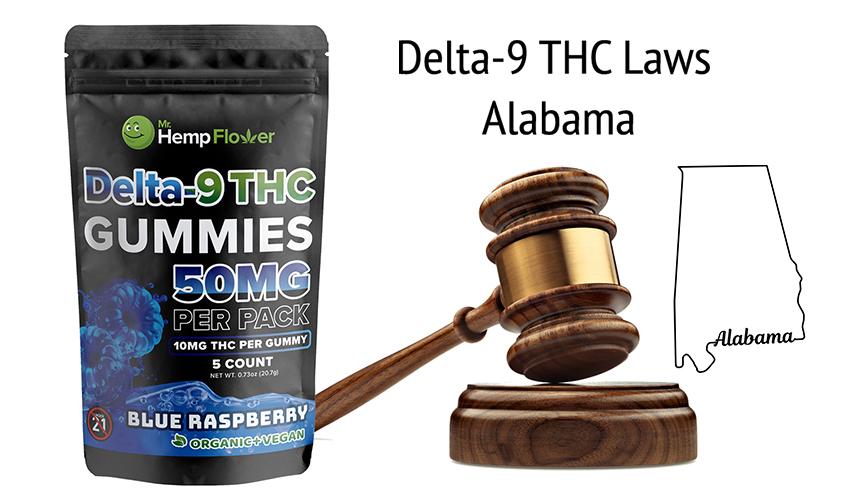
Purchasing and Possessing Delta 9 THC Products
In Alabama, hemp-derived Delta 9 THC products can be legally purchased from licensed hemp retailers. These businesses are regulated and expected to sell products that comply with the state’s and federal laws regarding THC content. When buying, it is advisable to look for reputable sources that provide third-party lab testing results for their products, often referred to as Certificates of Analysis (COA). These COAs verify the cannabinoid content and ensure the product meets the 0.3% Delta 9 THC by dry weight limit.
Possession of these legal hemp-derived products is generally permitted for adults over the age of 21. However, it is always prudent to keep products in their original packaging and to be aware of any specific local ordinances or establishment policies that might restrict their use, especially when staying in hotels or visiting public spaces. For example, while you might enjoy a quiet evening in your suite at the Grand Bohemian Hotel Mountain Brook, it’s wise to be mindful of hotel policies regarding smoking or the use of any substance. Similarly, when exploring the natural beauty of the Gulf Coast, ensure you are aware of regulations in parks and beaches.
Transportation of Hemp-Derived Products
The transportation of hemp-derived Delta 9 THC products, especially across state lines, can be a complex issue. While the Farm Bill legalized hemp nationwide, individual states may have their own regulations regarding the transportation of cannabis products. Generally, if a product is legal in both the originating and destination states, it should be permissible to transport. However, it is crucial to confirm the specific laws of any state you are traveling through or to.
For instance, if you are driving from a state where Delta 9 THC is legal to Alabama, and the products you possess comply with Alabama’s 0.3% dry weight limit, you should be fine. However, if you are traveling from Alabama to a state with stricter laws, you would need to comply with those laws. It is always recommended to keep products in their sealed, original packaging and to be prepared to show proof of their hemp origin and compliance with THC limits, such as a COA. This is particularly important if your travel plans involve passing through or landing in states with significantly different cannabis regulations. Planning your routes and understanding the legal landscape of each state is part of responsible travel, whether your destination is the historic charm of Selma or a modern stay in Huntsville.
Exploring Alabama with Legal Awareness
Alabama offers a rich tapestry of experiences for visitors and residents alike. From its stunning coastlines and rolling hills to its significant historical landmarks and burgeoning culinary scene, there is much to explore. Understanding the legal status of hemp-derived Delta 9 THC allows individuals to fully immerse themselves in the lifestyle and tourism offerings of the state without undue concern.
Lifestyle and Tourism Opportunities
The legal availability of hemp-derived Delta 9 THC can complement various lifestyle choices and tourism experiences in Alabama. For those seeking a more relaxed approach to their travels, whether it’s a luxury stay in a resort in Point Clear or a budget-friendly exploration of the Coosa River, having access to legal cannabinoid products can enhance the overall experience. Many travelers seek ways to unwind and de-stress, and for some, hemp-derived products offer a convenient and legal option.
The tourism sector in Alabama is diverse, encompassing everything from adventure activities in the Talladega National Forest to cultural tours in cities like Mobile. Understanding that hemp-derived Delta 9 THC products are legal, provided they meet the 0.3% dry weight threshold, means that visitors can plan their activities and accommodations with greater confidence. This allows for a more authentic engagement with local culture, food, and attractions, ensuring that leisure time is both enjoyable and compliant with the law. Whether you’re interested in the historic architecture of Old Town Huntsville or the vibrant music scene in Florence, legal awareness of hemp products adds another layer of freedom to your exploration.

Accommodation and Landmark Visits
When planning your stay in Alabama, whether it’s a luxurious suite at the Ritz-Carlton, Grand Cayman (though this is in the Cayman Islands, it serves as an example of a high-end hotel name for linking purposes) or a cozy apartment booked through a rental service, understanding the rules around consuming any substance is important. While Alabama permits hemp-derived Delta 9 THC, individual hotels or rental properties may have their own policies regarding the use of such products on their premises. It is always advisable to check with your accommodation provider about their specific rules to avoid any misunderstandings.
Similarly, when visiting Alabama’s many landmarks, such as the Space & Rocket Center in Huntsville or the natural wonders of Little River Canyon National Preserve, be mindful of public consumption laws. While possession of legal hemp products is permitted, public intoxication or consumption of any substance in a manner that disrupts public order is generally frowned upon and may be subject to local ordinances. By being informed and respectful, you can fully enjoy the historical richness and natural beauty that Alabama has to offer, from the architectural marvels of Birmingham to the serene landscapes of the Tombigbee River.