
Dorchester, the largest and most populous neighborhood in Boston, often sparks questions regarding its safety, especially among prospective travelers, new residents, and those seeking to explore beyond the city’s most well-known tourist hubs. Like many expansive urban areas, Dorchester is a tapestry of diverse communities, rich history, and evolving dynamics. Its reputation can sometimes precede its reality, painted with broad strokes that fail to capture the nuances of its various sub-neighborhoods and the vibrant local culture that thrives within.
For visitors considering a trip to Boston and thinking of venturing into or even staying in Dorchester, understanding its safety profile is paramount. This article aims to provide a comprehensive guide, dispelling myths, offering practical safety tips, and highlighting the many attractions that make Dorchester a compelling destination. We’ll delve into its transformation, explore its unique character, and discuss how to navigate it confidently, ensuring a rewarding and secure experience. Whether you’re drawn by its historical landmarks, its burgeoning food scene, or its authentic Boston charm, a thoughtful approach can unlock the best of what Dorchester has to offer.

Understanding Dorchester: A Neighborhood in Transition
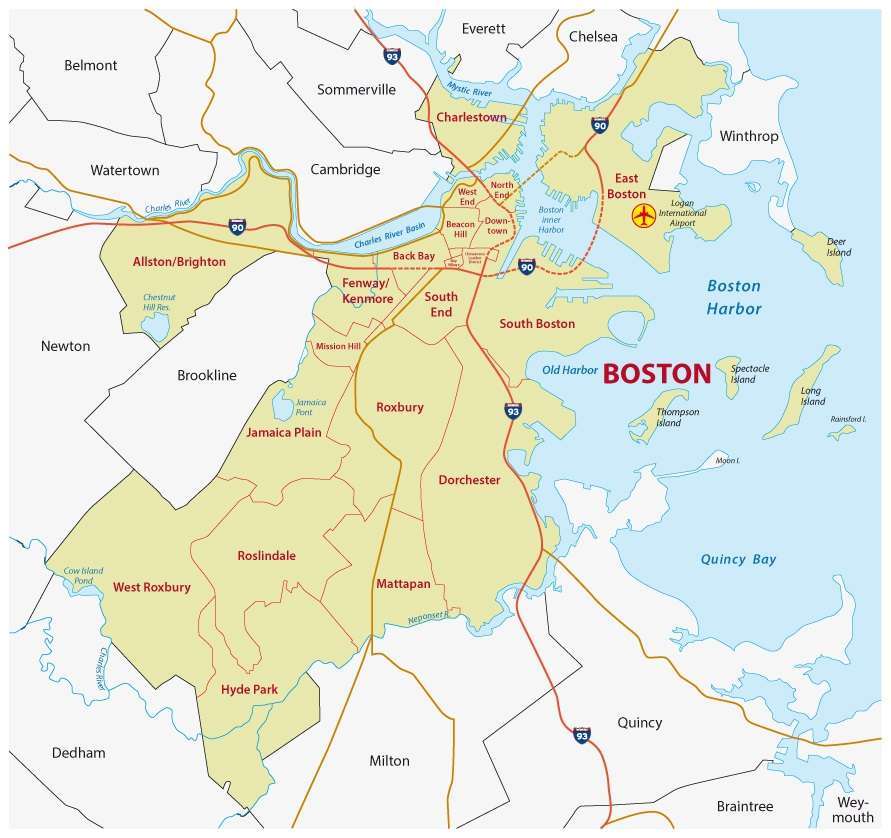
Dorchester’s narrative is one of continuous evolution, a reflection of its deep historical roots intertwined with the modern challenges and triumphs of urban development. Spanning a significant portion of Boston’s southern landscape, it’s a mosaic of residential streets, bustling commercial districts, and serene green spaces. Its sheer size means that experiences can vary dramatically from one block to the next, much like any major city.
Historically, Dorchester was an independent town, founded in 1630, and only annexed by Boston in 1870. This long and distinct past has imbued it with a unique character, separate yet integral to the larger metropolitan identity. Over the centuries, it has been a haven for successive waves of immigrants, each group contributing to its vibrant cultural tapestry. From Irish and Italian communities in earlier eras to more recent arrivals from Vietnam, Cape Verde, and the Caribbean, Dorchester remains one of Boston’s most ethnically diverse neighborhoods.
A Rich History and Diverse Character
The fabric of Dorchester is woven with stories and landmarks that speak to its enduring legacy. Its residential architecture ranges from elegant Victorian homes to more modest triple-deckers, reflecting its growth through different periods. This architectural diversity is a tangible link to its past, offering glimpses into the lives of generations of Boston residents. Culturally, the neighborhood thrives with local businesses, community centers, and a palpable sense of local pride. This community spirit is often cited by residents as one of Dorchester’s greatest assets, fostering a supportive environment despite its urban setting. For travelers, this means an opportunity to experience an authentic side of Boston, far removed from the more polished tourist zones. The sheer scale of Dorchester — it’s larger than many entire cities – necessitates understanding its various sections, as each possesses its own distinct personality and atmosphere.
Demographics and Perception vs. Reality
The perception of safety in Dorchester has often been influenced by historical crime rates and media portrayals. For many years, certain areas experienced higher crime, contributing to a reputation that still lingers for some. However, it’s crucial to look at current trends. Like Boston as a whole, Dorchester has seen a significant decrease in violent crime over the past few decades. The Boston Police Department consistently reports overall crime reductions across the city, and Dorchester has been a beneficiary of these city-wide efforts towards community policing and urban revitalization.
While no urban neighborhood is entirely without crime, particularly petty theft, the general safety profile of Dorchester has improved considerably. The key for visitors is to recognize that safety can be quite localized. Areas around public transit hubs, for example, might have more transient populations and occasional issues, while quiet residential streets offer a completely different feel. It’s less about a blanket “safe” or “unsafe” label and more about situational awareness and understanding the specific block or area you’re in. Many parts of Dorchester, especially those bordering Milton or along the Neponset River, are considered quite desirable and peaceful.
Exploring Dorchester: Attractions and Experiences
Venturing into Dorchester offers a wealth of experiences, from historical deep dives to natural escapes, and a vibrant culinary scene. For travelers seeking more than just the typical tourist attractions, Dorchester provides an authentic glimpse into Boston’s diverse character. Its landmarks, green spaces, and local eateries reflect the myriad cultures and stories that have shaped this expansive neighborhood.
Historical Gems and Green Spaces
Dorchester is a treasure trove for history buffs. The Dorchester Historical Society is an excellent starting point, offering insights into the neighborhood’s colonial past and its evolution. Visitors can explore the William Lloyd Garrison House, a National Historic Landmark that once housed the prominent abolitionist, providing a tangible connection to the fight against slavery. Other notable historical sites include the James Blake House, one of Boston’s oldest standing houses, offering a unique peek into 17th-century colonial life.
Beyond history, Dorchester boasts impressive natural attractions and recreational areas. Franklin Park Zoo, a major regional attraction, provides a fantastic family-friendly experience with a wide array of animals from around the world. The zoo is nestled within Franklin Park, part of Frederick Law Olmsted’s Emerald Necklace, offering vast green spaces perfect for picnics, walks, or a leisurely afternoon. For those who enjoy outdoor activities, the Neponset River Greenway offers miles of scenic paths for walking, running, and biking along the tranquil Neponset River, connecting Dorchester to neighboring communities like Quincy and Milton. These green spaces not only provide recreational opportunities but also enhance the quality of life and safety perception within the areas they serve.
Culinary Delights and Local Culture
Dorchester’s diverse population translates into an incredibly rich and varied food scene. From authentic Vietnamese pho on Fields Corner to vibrant Cape Verdean restaurants offering traditional stews and seafood, the neighborhood is a culinary adventurer’s paradise. There are also numerous Irish pubs, classic American diners, and contemporary cafes, reflecting the blend of cultures. Exploring these local eateries is not just about the food; it’s an immersion into the community’s heart and soul. Many of these establishments are family-run, embodying the entrepreneurial spirit of Dorchester.
Beyond dining, Dorchester hosts various community events, farmers’ markets, and cultural festivals throughout the year, especially during warmer months. These events are fantastic opportunities to engage with locals, experience traditional music and dance, and purchase unique crafts. Checking local event listings or community calendars before your visit can help you uncover these hidden gems and plan your trip around specific cultural experiences. These activities not only enrich your travel but also provide a sense of security through community engagement.
Navigating the Neighborhood

Getting around Dorchester is relatively straightforward thanks to Boston’s public transportation system. The MBTA Red Line runs through the heart of Dorchester, with multiple stations such as Andrew, JFK/UMass, Savin Hill, Fields Corner, and Ashmont, providing easy access to downtown Boston and other popular areas. Buses also crisscross the neighborhood, filling in gaps where the subway doesn’t reach. For those who prefer driving, ample street parking can often be found, though it may be challenging in denser commercial zones. Cycling is also a popular option, with dedicated bike lanes in certain areas and the picturesque Neponset River Greenway offering a safe and scenic route. When navigating, especially at night, it’s always advisable to stick to well-lit, populated streets and utilize ride-sharing services if public transport routes feel unfamiliar.
Staying Safe in Dorchester: Practical Tips for Visitors
While Dorchester has made significant strides in improving safety, common sense and preparedness remain your best allies. Urban environments, by their nature, require a degree of vigilance. By adopting a few practical strategies, visitors can confidently explore the neighborhood and minimize any potential risks, ensuring a positive and memorable experience.
General Safety Practices for Urban Environments
Many safety guidelines for Dorchester are universal for any large city. Situational awareness is key: pay attention to your surroundings, avoid distractions like constantly looking at your phone, and be mindful of who is around you. Try to project confidence – walking with purpose and making eye contact can deter potential opportunistic crime.
It’s wise to keep valuables out of sight. Avoid openly displaying expensive jewelry, cameras, or large amounts of cash. If carrying a bag, wear it across your body or keep it close. When using ATMs, be discreet and ensure your surroundings are clear. At night, it’s always safer to travel in groups or use ride-sharing services rather than walking alone, especially in unfamiliar or poorly lit areas. If you must walk at night, stick to main roads and well-populated areas. Familiarize yourself with emergency numbers and know where the nearest police station or public assistance points are located. Remember that Boston is generally a friendly city, and most locals are happy to help with directions or advice if you seem lost.
Choosing Accommodation Wisely
If you’re considering staying in Dorchester, careful research into your accommodation location is essential. The neighborhood offers a range of options, from charming bed and breakfasts to more modern apartment rentals, but hotel chains are less common within the core of Dorchester itself, often being found closer to major transportation hubs or bordering areas.
When booking, look for properties in well-established residential areas or close to main commercial streets known for activity. Areas like Savin Hill, Pope’s Hill, or sections near JFK/UMass often have a more settled feel. Read recent reviews on platforms like TripAdvisor or Airbnb to get a sense of the immediate surroundings and the host’s reputation. Don’t hesitate to contact the property directly with questions about security measures, neighborhood characteristics, and transportation links. For long-term stays, visiting the area during the day and evening before committing can provide invaluable insight. Some travelers might opt for accommodations in bordering neighborhoods like South Boston or Quincy if they prefer to be closer to other attractions while still having easy access to Dorchester.
Leveraging Local Knowledge and Resources
One of the best ways to enhance your safety and overall experience in any new destination is to tap into local knowledge. Don’t be afraid to ask hotel staff, restaurant servers, or shopkeepers for advice on areas to explore or areas to avoid, especially after dark. Many Dorchester residents are proud of their community and happy to share insights.
Online forums and community groups dedicated to Dorchester can also be excellent resources for up-to-date information and tips from people who live and work there. Checking local news outlets for any specific neighborhood advisories can also be beneficial, though this is rarely necessary for casual tourism. The Boston Police Department website often provides crime statistics broken down by district, which can offer an objective perspective, showing the overall downward trend in crime rates across the city. By combining these resources with your own common sense, you can navigate Dorchester safely and confidently.
Dorchester for Every Traveler: Lifestyle Considerations
Dorchester’s diverse character and evolving landscape make it a compelling choice for various types of travelers, each seeking a unique Boston experience. From budget-conscious families to those yearning for an authentic cultural immersion, Dorchester presents a distinctive alternative to the more conventional tourist paths. Understanding how it caters to different lifestyle preferences can help you decide if it’s the right destination for your next trip.
Family Trips and Budget Travel
For families, Dorchester offers several appealing aspects. Attractions like the Franklin Park Zoo and numerous local parks provide ample opportunities for children to play and explore. The Neponset River Greenway is perfect for family bike rides or strolls. Many restaurants are family-friendly, offering diverse menus that cater to various tastes and budgets. Furthermore, staying in Dorchester can often be more cost-effective than booking accommodations in downtown Boston or the more tourist-heavy neighborhoods. Vacation rentals and guesthouses can provide more space and amenities, such as kitchens, which are ideal for families looking to save on dining costs. The excellent public transport links via the MBTA Red Line mean that while you might be outside the immediate city center, access to all of Boston’s major attractions is still convenient and affordable.
Experiencing Authentic Boston
Travelers seeking a deeper, more authentic cultural experience will find Dorchester particularly rewarding. Unlike areas heavily geared towards tourism, Dorchester is a living, breathing neighborhood where locals work, live, and create. This means you’ll encounter genuine local businesses, community gatherings, and a sense of daily life that offers a truer reflection of Boston’s diverse population. The rich mix of cultures, from Vietnamese to Cape Verdean and Irish influences, translates into unique culinary experiences, vibrant festivals, and a palpable community spirit not always found in more sanitized tourist zones.
For these travelers, Dorchester provides an opportunity to step off the well-trodden path and engage with the city on a more personal level. It’s an ideal choice for those who appreciate history, enjoy exploring diverse food scenes, and value interacting with local communities. This type of travel, while requiring a bit more independent research and awareness, often leads to the most memorable and enriching journeys. By choosing Dorchester, visitors aren’t just seeing Boston; they’re experiencing its heart and soul, contributing to local economies, and gaining a unique perspective on one of America’s most historic cities.
In conclusion, the question of whether Dorchester is safe is best answered with nuance. It is a large, dynamic urban neighborhood that, like many, has its safer and less safe pockets. However, general crime rates have decreased significantly, and most areas are perfectly safe for informed and aware visitors. By understanding its unique character, leveraging practical safety tips, and approaching your visit with an open mind and a spirit of exploration, Dorchester can be a wonderfully enriching and secure destination for any traveler.