
The allure of uncovering hidden treasures, scoring free meals, or simply practicing a more sustainable lifestyle often leads individuals to explore the contents of discarded bins. This practice, known as dumpster diving, can evoke images of resourceful individuals navigating urban landscapes. However, when it comes to the Golden State, a critical question arises: is dumpster diving illegal in California? The answer, much like the contents of a dumpster itself, is multifaceted and depends on a variety of factors. While not explicitly outlawed across the board, a complex web of local ordinances, property rights, and health regulations can render certain dumpster diving activities illegal. Understanding these nuances is crucial for anyone considering this practice in California.
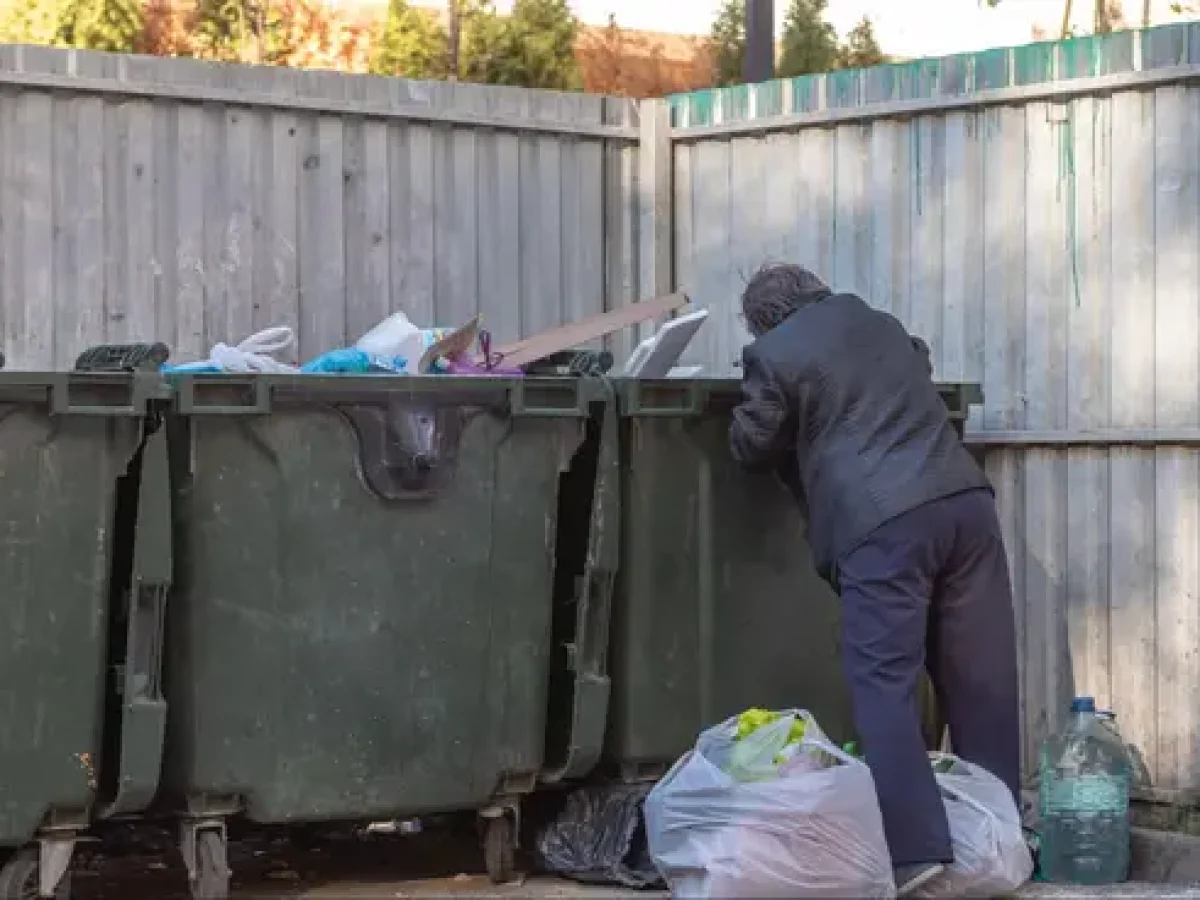
The Shifting Legal Landscape of Dumpster Diving
The legality of dumpster diving in California has been a subject of much debate and legal evolution. Historically, many viewed discarded items as abandoned property, freely available to anyone who wished to claim them. This perspective, however, has been challenged by property owners and municipalities seeking to maintain order, reduce health hazards, and protect their interests.
Understanding Property Rights and Trespassing
At its core, the legality of dumpster diving often hinges on the concept of property rights. When a dumpster is located on private property, such as a grocery store parking lot or behind a restaurant, accessing it without permission can be considered trespassing. This is particularly true if the dumpster is within a fenced area or if there are clear signs prohibiting unauthorized entry. Trespassing is a civil offense in California, and can sometimes escalate to criminal charges depending on the circumstances and intent.
For instance, imagine a dumpster situated behind a restaurant in Los Angeles. Even if the food within is clearly discarded, the bin itself is on private property. If the restaurant owner or property manager discovers someone rummaging through their bins, they have the right to ask the individual to leave. If the individual refuses, or if they damage property in the process, they could face charges for trespassing. This is a common scenario in many urban areas across California, from San Francisco to San Diego.
Federal Court Rulings and Their Impact
A significant development in the legal landscape of dumpster diving came with a Ninth Circuit Court of Appeals ruling. This ruling, concerning the practice in California, has had a notable impact. The court affirmed that individuals have a reasonable expectation of privacy in their trash while it remains on their private property. However, once trash is placed in a publicly accessible area, such as a curbside bin for collection, the expectation of privacy diminishes significantly.
This distinction is crucial. If a dumpster is placed on the public sidewalk for regular trash collection, and the lid is easily accessible, the legal standing for dumpster diving might be less clear-cut. However, this does not grant an unfettered right to scavenge. Local ordinances can still impose restrictions. The rationale behind this is that once trash is placed out for collection, it is essentially entering the public domain, albeit for the purpose of disposal. Yet, this interpretation is not universally applied, and local laws can override broader federal interpretations in certain contexts.
Navigating Local Ordinances and City-Specific Regulations
While a federal court ruling might offer some guidance, the ground reality of dumpster diving legality in California is often dictated by local ordinances. Many cities and counties have enacted specific laws that can either prohibit or restrict dumpster diving, even when trash is placed in publicly accessible areas. These ordinances are typically enacted to address concerns such as public health, safety, and sanitation.
City Ordinances: A Patchwork of Rules
Cities like Oakland, Sacramento, and San Jose may have their own unique regulations regarding the collection and disposal of waste. Some ordinances might prohibit the unauthorized scavenging of trash for public health reasons, citing potential exposure to hazardous materials. Others may focus on preventing the accumulation of debris or ensuring that waste disposal is handled by authorized services.
For example, a city might have an ordinance that states all waste placed for collection is the property of the municipal waste management service until it is officially collected. This would effectively make dumpster diving illegal, regardless of where the bin is located. Conversely, some cities might have more permissive stances, as long as the dumpster diving does not create a public nuisance or pose a health risk.
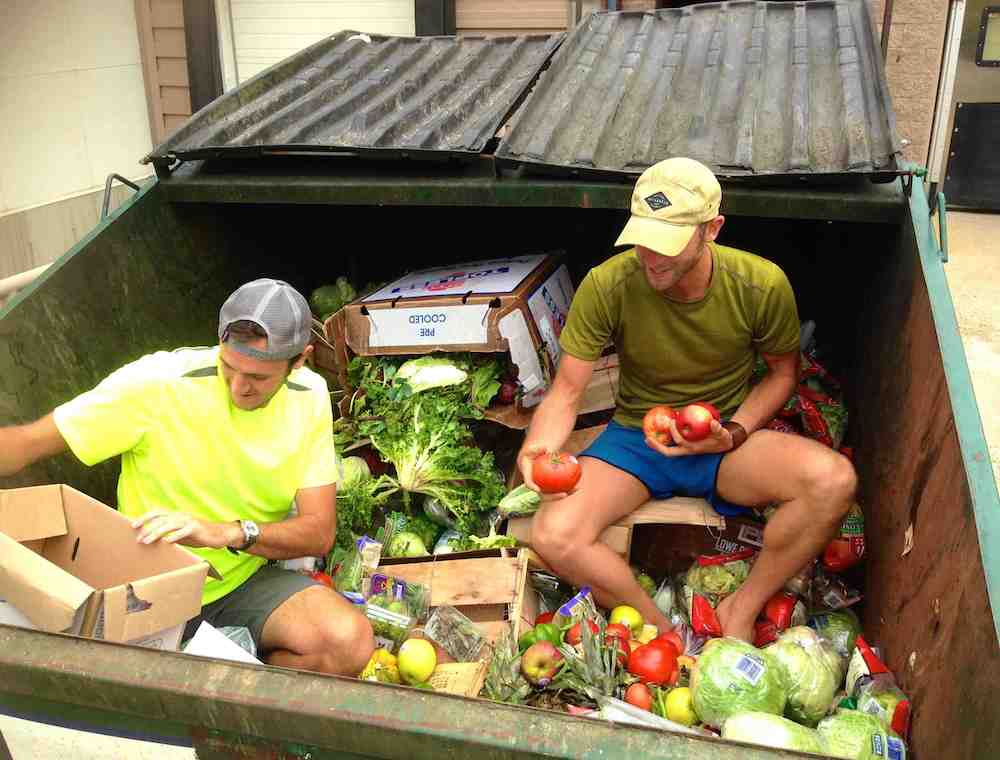
It is imperative for anyone interested in dumpster diving in California to research the specific ordinances of the city or county they intend to explore. This research can often be done by visiting the official website of the city’s public works department or by contacting local law enforcement or code enforcement agencies.
The Role of Private Property and Business Policies
Beyond municipal laws, businesses and private property owners can also prohibit dumpster diving on their premises through posted signs or explicit policies. Even if a dumpster is on property accessible to the public, such as a shopping mall or a large commercial complex, the property owner has the right to set rules for its use. Ignoring these rules can lead to being asked to leave, or even facing citations for trespassing or violating business policies.
Consider a large shopping center like The Americana at Brand in Glendale. While the public can walk through the common areas, the businesses within have their own operational rules. Dumpsters are typically located in service areas, and accessing them without permission would likely be prohibited by the mall’s management and individual store owners.
Public Health and Safety Considerations
The legality of dumpster diving is not solely a matter of property rights and ordinances; it is also deeply intertwined with public health and safety concerns. Discarded materials can harbor dangerous pathogens, sharp objects, and hazardous chemicals, posing significant risks to individuals who come into contact with them.
Risks Associated with Dumpster Diving
The act of sifting through refuse can expose individuals to a wide range of health hazards. Bacteria like E. coli and Salmonella can be present in food waste, leading to severe gastrointestinal illnesses. Used needles and broken glass can cause cuts and infections. Furthermore, improperly disposed of chemicals, such as cleaning agents or batteries, can be toxic.
These risks are a primary reason why many municipalities have regulations that discourage or prohibit dumpster diving. The rationale is to protect the public from potential harm. Even if the legal barriers seem low in certain areas, the inherent dangers of dumpster diving remain a critical consideration.
The “Food Scraps” Exception and its Limitations
In some instances, there have been discussions and even some legislative efforts to create exceptions for the retrieval of edible food from dumpsters, particularly in the context of reducing food waste. The idea is to divert perfectly good food from landfills to those in need. However, even with such considerations, the health risks remain.
While some organizations advocate for policies that facilitate the safe donation of food, this is distinct from general dumpster diving. Food banks and other charitable organizations have established protocols for handling and distributing food safely. The unregulated retrieval of food from dumpsters, even with good intentions, can still carry significant health implications.
Conclusion: A Cautious Approach is Key
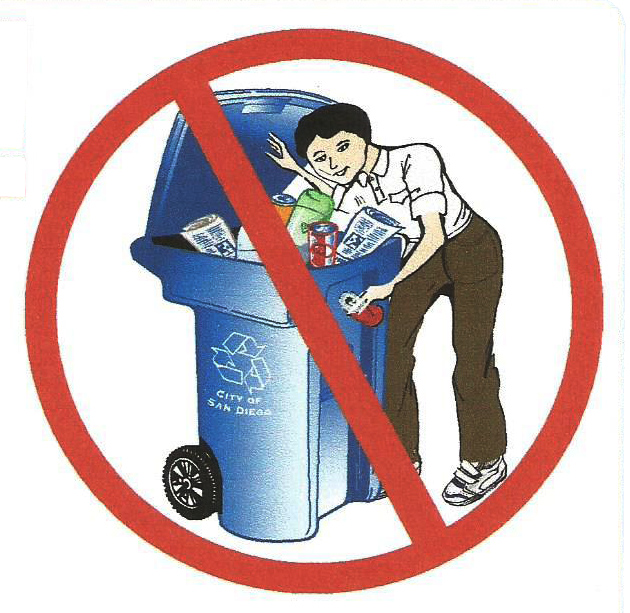
In summary, the question of whether dumpster diving is illegal in California does not have a simple “yes” or “no” answer. While the Ninth Circuit Court of Appeals ruling has provided some legal precedent regarding the expectation of privacy in trash, the reality on the ground is heavily influenced by local ordinances and property rights.
Trespassing on private property to access dumpsters is generally illegal. Furthermore, numerous cities and counties in California have enacted specific ordinances that restrict or prohibit dumpster diving due to public health and safety concerns. These regulations aim to prevent the spread of disease, reduce hazards, and maintain sanitation standards.
For anyone considering dumpster diving in California, a thorough understanding of these legal complexities is essential. It requires diligent research into the specific laws of the city or county of interest, awareness of private property boundaries, and a realistic assessment of the inherent health and safety risks involved. While the pursuit of discarded goods might seem like a straightforward act, it is a practice that is legally and practically fraught with potential complications. A cautious and informed approach is always the most advisable course of action.
LifeOutOfTheBox is a participant in the Amazon Services LLC Associates Program, an affiliate advertising program designed to provide a means for sites to earn advertising fees by advertising and linking to Amazon.com. Amazon, the Amazon logo, AmazonSupply, and the AmazonSupply logo are trademarks of Amazon.com, Inc. or its affiliates. As an Amazon Associate we earn affiliate commissions from qualifying purchases.