
The question “Is England bigger than Texas?” is a fantastic starting point for a conversation that goes far beyond mere geographical dimensions. While a straightforward answer exists, the deeper comparison uncovers fascinating insights into how size influences culture, travel experiences, and the very essence of a destination. For any avid traveler or armchair explorer, understanding the scale of a place is crucial for planning memorable trips, whether you’re seeking ancient history or vast open spaces.
At first glance, the two couldn’t seem more different: one a historic nation steeped in tradition, part of the United Kingdom; the other, a sprawling, proud state in the American South, famed for its larger-than-life persona. This article will not only settle the size debate but also delve into what makes each destination uniquely appealing, exploring their respective attractions, cultures, and how they cater to various travel styles and accommodation preferences.

The Geographical Showdown: Square Miles vs. Landmass
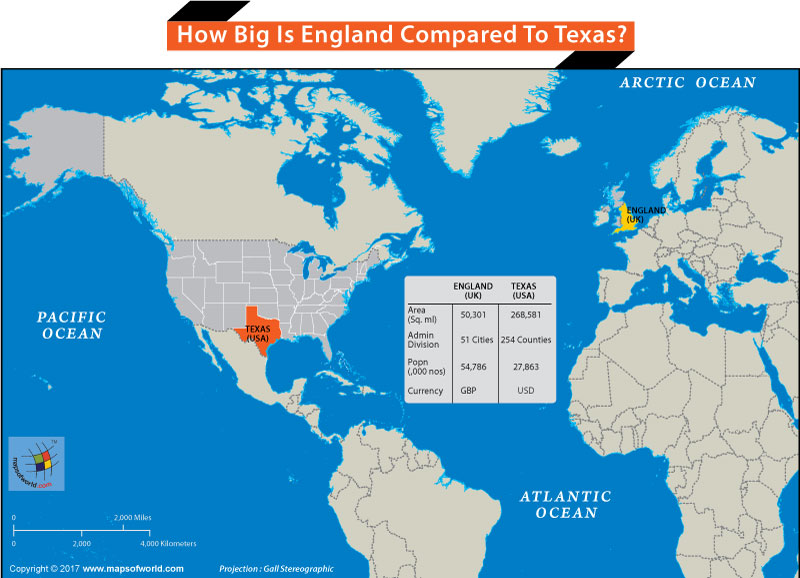
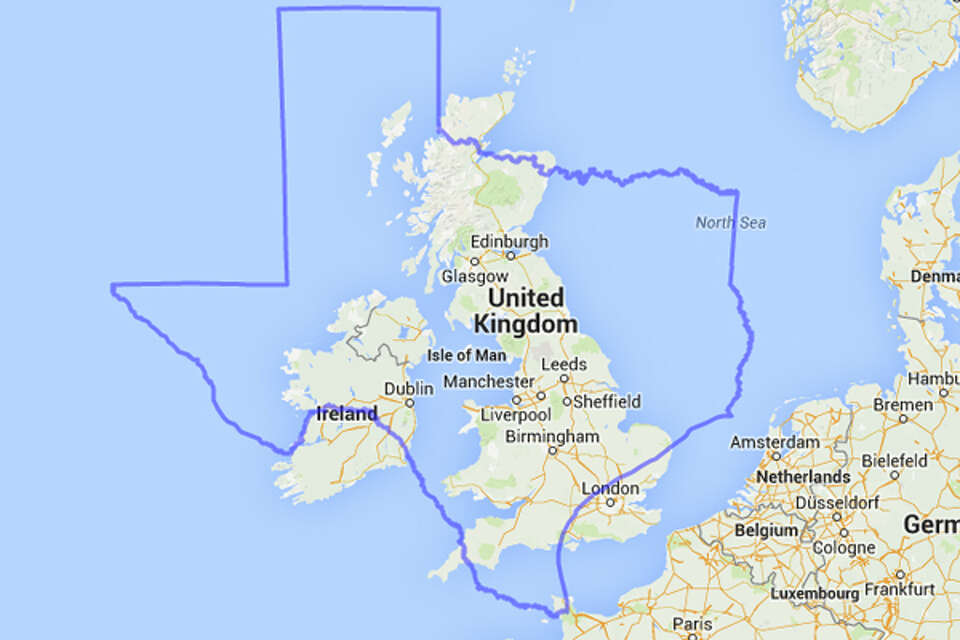
Let’s get straight to the definitive answer regarding pure land area. No, England is not bigger than Texas. In fact, Texas is significantly larger, almost twice the size. This stark difference in physical footprint sets the stage for distinct travel experiences, influencing everything from road trips to the density of landmarks and the pace of local life.
England: A Compact Powerhouse
England, with its rich tapestry of history, diverse landscapes, and vibrant cities, covers an area of approximately 50,301 square miles (130,279 square kilometers). Despite its relatively modest size, it packs an extraordinary amount of cultural and natural heritage within its borders. From the bustling metropolis of London to the serene beauty of the Lake District and the ancient mysteries of Stonehenge, every corner of England tells a story.
Its geography is surprisingly varied, featuring rolling hills, dramatic coastlines, and fertile plains. Major urban centers like Manchester, Birmingham, and Liverpool offer world-class attractions, dynamic arts scenes, and diverse culinary experiences. The country’s compact nature means that travelers can often experience multiple distinct regions within a single trip, making it an ideal destination for those who prefer to minimize travel time between attractions. The dense network of historic towns, charming villages, and natural parks means there’s always something new to discover just a short journey away, whether by train or car. This accessibility greatly enhances the appeal of exploring England’s many facets, from historical landmarks to contemporary cultural hotspots.
Texas: The Lone Star Giant
Texas, the second-largest state in the United States, boasts a massive land area of roughly 268,596 square miles (695,662 square kilometers). This immense scale dictates a completely different kind of travel experience. Spanning diverse ecosystems, Texas stretches from the piney woods of its eastern border with Louisiana and Arkansas, across vast plains, into the arid deserts and mountains of West Texas, and down to the subtropical beaches of the Gulf of Mexico. Its northern border touches Oklahoma and New Mexico, while the Rio Grande defines its southern boundary with Mexico.
The sheer size of Texas means that exploring its entirety often requires extensive road trips, traversing vast distances between its major cities. Houston, Dallas, Austin, and San Antonio each present unique urban landscapes and cultural offerings, but they are often hundreds of miles apart. This sprawling nature offers a sense of boundless freedom and adventure, appealing to those who relish long drives, expansive natural parks like Big Bend National Park, and the wide-open spaces synonymous with the American West. The Texas landscape is a testament to its “everything’s bigger” reputation, providing a backdrop for grand adventures and diverse outdoor activities.
A Tale of Two Travel Paradises: Destinations and Attractions
When comparing England and Texas for travel, it becomes clear that size dictates not just distance, but also the types of attractions, cultural experiences, and accommodation options available. Both destinations offer rich opportunities for tourism, but their approaches are distinct, reflecting their unique histories and geographical realities.
Exploring England’s Rich Tapestry
For those drawn to history, culture, and charming landscapes, England is a treasure trove of destinations and attractions. The capital, London, is a world-class hub brimming with iconic landmarks. From the regal splendor of Buckingham Palace and the historic depths of the Tower of London to the vast collections of the British Museum and the architectural marvels of Westminster Abbey and the Houses of Parliament (home to Big Ben), the city alone could fill weeks of exploration. Travelers often find themselves enchanted by the seamless blend of ancient history and modern dynamism that defines London.
Beyond the capital, the country offers an incredible diversity of experiences. The mystical stone circle of Stonehenge transports visitors to a prehistoric era, while the perfectly preserved Roman Baths in Bath offer a glimpse into Roman Britain. The picturesque villages of the Cotswolds are ideal for idyllic retreats, offering quintessentially English charm with their honey-colored stone cottages and rolling hills. Nature lovers flock to the Lake District, a national park renowned for its stunning mountains, glacial lakes, and inspiration for poets like William Wordsworth. History buffs can explore ancient castles, stately homes, and the formidable remnants of Hadrian’s Wall.
Accommodation in England ranges from luxurious five-star hotels in London and charming boutique inns in market towns to cozy bed-and-breakfasts and elegant country estates. Many travelers opt for traditional pubs that offer rooms upstairs, providing an authentic taste of local culture and hospitality. Whether seeking budget travel options or indulging in luxury travel, the choices are abundant. Lifestyle experiences include enjoying afternoon tea, exploring vibrant street markets, catching a West End show, or simply savoring a pint in a historic pub. The emphasis on local culture and food, from hearty roasts to diverse international cuisines, ensures a rich gastronomic journey as well.
Unveiling the Diversity of Texas
Texas, on the other hand, beckons with its expansive landscapes, a blend of Southern charm and rugged independence, and a unique array of attractions. Its major cities are cultural epicenters, each with its own distinct personality. Houston, a hub for space exploration and energy, is home to Space Center Houston, offering an awe-inspiring look at NASA’s missions. Dallas showcases its rich history, particularly at the Sixth Floor Museum at Dealey Plaza, and boasts a thriving arts district. Austin, the “Live Music Capital of the World,” pulsates with a vibrant, eclectic energy, known for its live music venues, thriving food truck scene, and outdoor activities around Lady Bird Lake. San Antonio captivates visitors with its Spanish colonial heritage, most famously the iconic Alamo, and the picturesque San Antonio Riverwalk, lined with shops, restaurants, and vibrant nightlife.
Beyond the urban centers, Texas’s natural landmarks offer grand adventures. Big Bend National Park, in the far western part of the state, provides stunning desert landscapes, dramatic mountain ranges, and incredible stargazing opportunities. The Texas Hill Country offers rolling hills, sparkling rivers, and charming small towns known for their wineries and German heritage. Along the Gulf Coast, destinations like South Padre Island provide sun-drenched beaches and water sports.
Accommodation in Texas caters to a wide range of tastes, from sprawling luxury resorts in major cities to rustic dude ranches offering authentic cowboy experiences. Boutique hotels, modern apartments, and family-friendly suites are readily available. For those seeking unique experiences, booking a long-term stay in a Texas Hill Country cabin or a beachside villa on Padre Island offers a different perspective. The local culture is steeped in rich traditions of barbecue, Tex-Mex cuisine, country music, and a strong sense of community. Whether on a business trip or a family trip, the vastness of Texas ensures diverse activities and experiences that emphasize its independent spirit and natural beauty.
Beyond Borders: Cultural Nuances and Travel Styles
The difference in size between England and Texas profoundly influences the travel styles and cultural nuances one can expect. These distinctions are crucial for travelers seeking specific types of experiences, whether they prioritize historical immersion, outdoor adventure, or a blend of both.
The English Experience: History and Charm
Travel in England often revolves around its deep-seated history and charming, often compact, landscapes. Given its smaller size and excellent public transport infrastructure, travelers can easily hop between cities, explore historic towns, and visit national parks without the need for extensive driving. Train travel is a popular and scenic way to traverse the country, connecting major urban centers with smaller, picturesque villages. Walking tours are highly popular, especially in cities like London, Oxford, and Cambridge, allowing visitors to soak in the architecture and atmosphere at a leisurely pace.
The English lifestyle, though diverse, often conjures images of afternoon tea, traditional pub culture, and a reverence for heritage. Local culture is evident in everything from world-class theatre in London to local festivals and village fetes. Culinary experiences range from comforting traditional British fare like fish and chips or a Sunday roast to an incredibly vibrant international food scene, particularly in larger cities. Many visitors find the blend of ancient landmarks and contemporary artistic expressions to be particularly compelling. England is a fantastic destination for family trips seeking educational and culturally enriching experiences, with numerous castles, museums, and historical sites designed to engage all ages. For those seeking luxury travel, stately homes converted into opulent hotels, and exclusive experiences abound. Budget travel is also highly accessible, with hostels, guesthouses, and a myriad of free attractions available.
The Texan Adventure: Boldness and Wide-Open Spaces
In stark contrast, travel in Texas is often defined by its sheer scale and the freedom of the open road. Road trips are quintessential to the Texas experience, as distances between attractions can be considerable. Renting a car is almost a necessity for those who wish to explore beyond the immediate vicinity of its major cities. This allows for spontaneous detours to small towns, national parks, and lesser-known gems that are scattered across its vast terrain.
The Texan lifestyle embodies a spirit of independence and a love for the outdoors. Local culture is heavily influenced by its cowboy heritage, Tex-Mex roots, and a strong sense of regional pride. Activities often lean towards outdoor adventures, from hiking and camping in Big Bend to fishing and boating along the coast. Food is a serious affair in Texas, with legendary barbecue joints, authentic Tex-Mex restaurants, and a burgeoning fine-dining scene in cities like Austin and Houston. Music, especially country and blues, plays a significant role in the social fabric, with live music venues aplenty. Texas is an excellent choice for family trips focused on adventure, nature, and experiencing a unique blend of American cultures. Luxury travel can include stays at high-end resorts with extensive amenities, while budget travel might involve camping under starry skies or exploring charming, affordable roadside motels. Its wide-open spaces also make it an ideal destination for business stays that seek to combine work with unique recreational opportunities.
Conclusion: Bigger Isn’t Always Better
So, to definitively answer the question: Texas is indeed much larger than England in terms of geographical area. Texas covers nearly 268,600 square miles, while England encompasses approximately 50,300 square miles. The sheer difference in size is undeniable.
However, the comparison extends far beyond square miles. Each destination offers a “bigness” that transcends physical dimensions. England offers a “big” history, a “big” cultural impact, and a “big” diversity of experiences packed into a smaller, more accessible package. Its ancient landmarks, vibrant cities, and picturesque countryside provide a concentrated dose of charm and heritage, making it ideal for those who prefer to immerse themselves deeply in a rich, storied environment without extensive travel between points of interest. It’s a destination where you can uncover centuries of history around every corner and enjoy a seamless blend of urban sophistication and rural tranquility.
Texas, conversely, offers a “big” sense of freedom, “big” skies, and a “big” range of natural wonders and cultural influences. Its vastness invites grand adventures, road trips across diverse landscapes, and experiences that celebrate its independent spirit and unique blend of American, Mexican, and cowboy traditions. It’s a place where you can feel the expanse of the continent, explore rugged wilderness, and immerse yourself in distinct regional identities, from Gulf Coast beaches to desert mountains.
Ultimately, neither is “better” than the other; they are simply different. Your choice depends entirely on your travel preferences, the type of experience you seek, and your personal lifestyle. Whether you are drawn to the historical depth and charming compactness of England or the expansive adventures and diverse landscapes of Texas, both offer unforgettable journeys that will enrich any traveler’s life. Both destinations promise unique adventures, captivating landmarks, rich local cultures, and a wide array of accommodation options from luxury resorts to charming boutique hotels, ensuring a memorable trip for every visitor.
LifeOutOfTheBox is a participant in the Amazon Services LLC Associates Program, an affiliate advertising program designed to provide a means for sites to earn advertising fees by advertising and linking to Amazon.com. Amazon, the Amazon logo, AmazonSupply, and the AmazonSupply logo are trademarks of Amazon.com, Inc. or its affiliates. As an Amazon Associate we earn affiliate commissions from qualifying purchases.