
The Sunshine State is renowned for its sun-drenched beaches, vibrant theme parks, and a dynamic tourism industry. Visitors flock to Florida year-round for a diverse range of experiences, from the thrill of theme park adventures in Orlando to the relaxed, upscale ambiance of Miami’s South Beach. The state’s appeal extends to its rich history, evident in landmarks like St. Augustine, the oldest continuously inhabited European-established settlement in the United States. Beyond the major attractions, Florida offers a tapestry of local culture, delectable culinary scenes, and a plethora of outdoor activities, making it a top-tier destination for all kinds of travelers, whether they seek luxury resorts or budget-friendly accommodations.
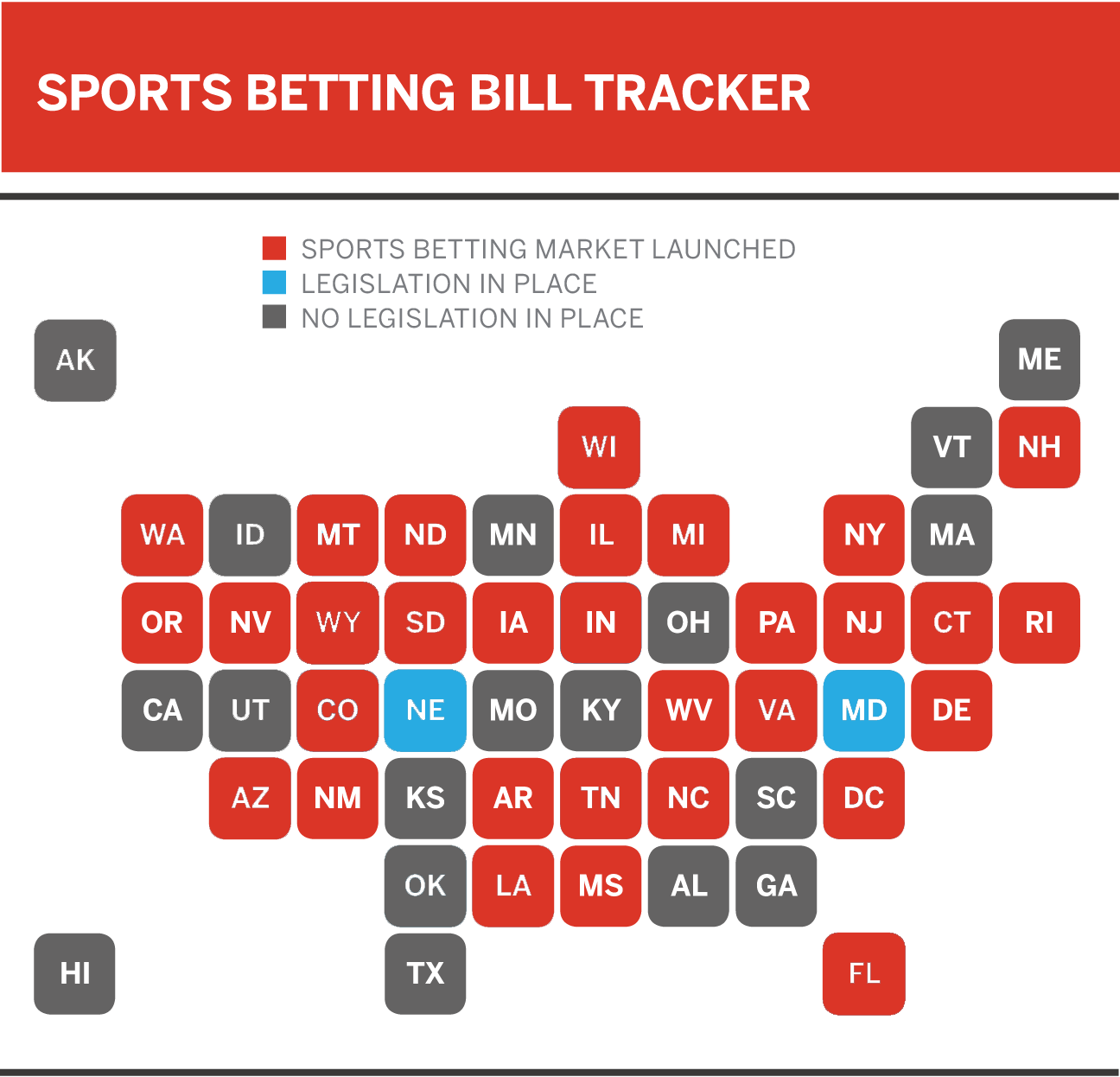
However, amidst this kaleidoscope of travel opportunities, a question that often surfaces, particularly for sports enthusiasts, is the legality of sports betting within the state. The emergence of platforms like ESPN Bet has intensified this inquiry. This article delves into the current legal landscape of sports betting in Florida, addressing the specific status of ESPN Bet and its implications for residents and visitors eager to place wagers on their favorite sporting events.
The Evolving Landscape of Sports Betting in Florida
For many years, the discussion surrounding sports betting in Florida has been complex and subject to significant legal and political debate. Unlike some states that have swiftly embraced legalized sports wagering, Florida has navigated a more intricate path. This has led to periods of uncertainty and a fluctuating legal framework that can be difficult to decipher.
Historical Context and Legal Challenges
The history of gambling in Florida is intertwined with tribal gaming compacts and state legislation. For a long time, the state’s gambling laws were primarily focused on pari-mutuel wagering and casino operations run by Native American tribes. The legalization of sports betting was a more recent development, and even then, it faced considerable hurdles.
One of the most significant challenges came from the landmark deal between the Seminole Tribe of Florida and the state government. This compact, initially approved in 2021, granted the Seminole Tribe exclusive rights to offer sports betting through their Hard Rock brand, including online operations. However, this agreement was quickly met with legal challenges, primarily from the owners of Magic City Casino and the Bonita Springs Poker Room. These challenges questioned the legality of the compact, particularly the “hub and spoke” model which allowed bets placed off tribal lands to be deemed as occurring on tribal lands.
The legal battles that ensued created a period of limbo for sports betting in Florida. While the Seminole Tribe briefly launched their Hard Rock Bet app, it was subsequently halted due to court injunctions. This legal back-and-forth underscored the complexities of tribal gaming compacts and their intersection with state law. The outcome of these lawsuits had a direct impact on whether any sports betting operator, including ESPN Bet, could legally operate within the state.
ESPN Bet’s Status in Florida
The question of whether ESPN Bet is legal in Florida is directly tied to the overarching legal status of sports betting in the state. ESPN Bet, a relatively new entrant into the sports betting market, is a product of a partnership between ESPN, the leading sports media network, and Penn Entertainment. Penn Entertainment operates a portfolio of casino properties and online sportsbooks in various states.
The Current Legal Standing
As of the most recent developments, sports betting is not yet fully legalized and operational in Florida for all operators. The legal framework that would allow widespread sports betting, beyond the specific compact with the Seminole Tribe, has not been definitively established. This means that platforms like ESPN Bet, which typically require state-level licensing and regulatory approval, are currently unable to offer their services to Florida residents in a fully legal capacity.

The Seminole Tribe’s Hard Rock Bet platform is the only entity that has received approval to operate sports betting in Florida under the terms of their compact. However, the accessibility and legality of even this platform have been subject to the aforementioned legal challenges. The ongoing legal disputes and potential legislative actions mean that the landscape can change, but as of now, a broad, state-wide legalization that would include multiple operators like ESPN Bet has not materialized.
Implications for Players
For individuals residing in or visiting Florida, this means that attempting to place sports bets through ESPN Bet or similar platforms that are not licensed and regulated by the state is currently not permissible. Engaging in such activities could expose individuals to legal risks. It is crucial for residents to stay informed about the latest legislative updates and court rulings concerning sports betting in Florida.
The absence of widespread legal sports betting also impacts the tourism industry. While Florida is a massive draw for its entertainment and leisure offerings, the inability to legally bet on sporting events means a missed opportunity for a segment of its visitors. Many tourists who enjoy sports may be accustomed to the convenience of sportsbooks in other states and find the absence in Florida a notable drawback. This is particularly relevant for those who might be considering a trip that combines experiencing attractions like Walt Disney World or a cruise from Port Canaverni with an interest in sports betting.
What the Future Might Hold
The legal status of sports betting in Florida remains a dynamic issue. While the path has been fraught with legal challenges, there is a clear indication of interest from various stakeholders, including potential operators like ESPN Bet, as well as from the significant population of sports fans within the state.
Potential for Broader Legalization
The legal battles surrounding the Seminole Tribe’s compact have highlighted the potential for a more comprehensive approach to sports betting legalization in Florida. If these legal challenges are resolved in a way that clarifies the state’s ability to regulate sports betting more broadly, it could open the door for other operators, including ESPN Bet, to seek licenses and begin operations.
Legislators in Florida have, at various times, explored different avenues for expanding gambling, including sports betting. The economic arguments for legalization are often compelling, with proponents pointing to the potential tax revenue that could be generated for the state. This revenue could then be reinvested in public services, infrastructure, or even used to further enhance the tourism sector, perhaps by funding new attractions or improving existing ones.

How ESPN Bet Could Enter the Market
For ESPN Bet to become legally accessible in Florida, several key steps would need to occur. First, Florida would need to enact legislation that explicitly legalizes and regulates sports betting for multiple operators. This legislation would typically involve a licensing process, where companies like ESPN Bet would apply for a license and agree to adhere to the state’s regulations.
Second, ESPN Bet would likely need to establish a partnership with a licensed entity in Florida, possibly a pari-mutuel facility or a casino. This is a common model in many states where sportsbooks operate in conjunction with existing gambling establishments. Given Penn Entertainment’s existing footprint in the gaming industry, they might already have potential partners in mind, should the regulatory environment become favorable.
Finally, once licensed and partnered, ESPN Bet would need to comply with all state regulations, including those related to responsible gaming, data security, and financial transactions. This regulatory framework ensures that the sports betting market operates fairly and safely for consumers.
In conclusion, while the allure of Florida as a premier travel destination is undeniable, the current legal status of sports betting means that platforms like ESPN Bet are not yet available to residents and visitors. The state’s journey towards widespread sports betting legalization is ongoing, marked by legal complexities and legislative considerations. As these issues are resolved, the landscape for sports wagering in Florida may well evolve, potentially paving the way for new opportunities for fans to engage with their favorite sports. Travelers planning a trip to the Sunshine State, whether for the theme parks of Orlando, the beaches of Miami, the historical charm of St. Augustine, or the allure of its many resorts and hotels, should stay updated on these developments.