
The sunshine state, known for its vibrant beaches, world-class theme parks, and lush natural landscapes, also presents a complex picture for the nursing profession. Understanding the nuances of nursing licensure, especially in relation to the Nurse Licensure Compact (NLC), is crucial for nurses considering a move to or a travel assignment in Florida. This article delves into the question of whether Florida is a compact nursing state, exploring its current status, the implications for nurses, and how it aligns with the broader travel and tourism landscape of the state.
Navigating Nursing Licensure: The Nurse Licensure Compact Explained
The Nurse Licensure Compact (NLC) is an interstate agreement that allows nurses to have one multistate license, allowing them to practice in any other compact member state. This streamlined approach significantly eases the process for nurses who wish to practice in multiple states, whether for travel nursing assignments, career advancement, or personal relocation.
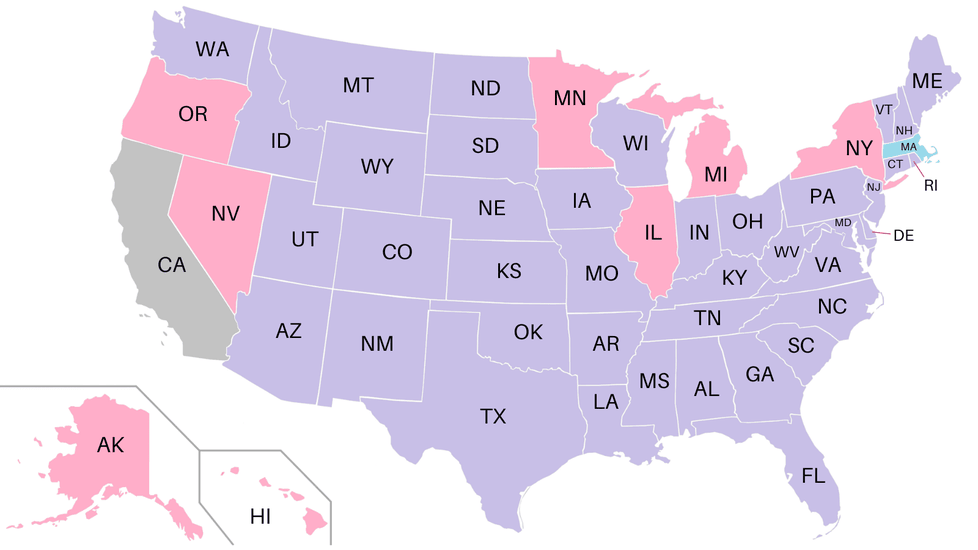
What is the Nurse Licensure Compact (NLC)?
At its core, the NLC aims to standardize and simplify the licensure process for registered nurses (RNs), licensed practical nurses (LPNs), and advanced practice registered nurses (APRNs). Prior to the NLC, nurses had to obtain a separate license in each state where they intended to practice, a process that could be time-consuming, expensive, and a barrier to mobility. The NLC addresses this by establishing a uniform set of licensure requirements and allowing nurses to hold a single multistate license.
This multistate license is issued by a nurse’s primary state of residence. With this single license, nurses can practice in any other NLC member state without needing to apply for an additional license in those states. This is particularly beneficial for travel nurses, who frequently move between states for temporary assignments. It also simplifies things for nurses who might want to work in a neighboring state or for those who are retired but wish to volunteer their services in different locations.
The “Home State” Rule and Multistate Licenses
The NLC operates on the principle of a “home state.” A nurse’s home state is defined as the state of their declared legal residence. Once a nurse establishes residency in an NLC state and obtains a multistate license there, they can practice in any other NLC state. Conversely, if a nurse moves from one NLC state to another, they must apply for licensure in the new state of residence within a specified timeframe (usually 60 days) and surrender their multistate license from their former home state.
This system ensures that nurses are licensed and regulated by their primary state of residence, maintaining accountability and simplifying disciplinary actions. It also means that a nurse cannot hold a multistate license from more than one state simultaneously.
Benefits of the NLC for Nurses and Healthcare Employers
The advantages of the NLC are substantial for both nurses and healthcare facilities. For nurses, the NLC offers:
- Increased Mobility: The ability to practice in multiple states with a single license significantly enhances career flexibility and opportunities, especially for travel nurses.
- Reduced Costs and Time: Eliminates the need to pay for and process multiple state licenses, saving both money and time.
- Streamlined Employment: Makes it easier for healthcare employers to hire nurses from other NLC states, addressing staffing shortages more efficiently.
For healthcare employers, the NLC facilitates:
- Faster Hiring: Reduces the administrative burden and time associated with verifying out-of-state licenses.
- Wider Talent Pool: Grants access to a larger pool of qualified nursing professionals across NLC states.
- Improved Staffing Flexibility: Allows for easier deployment of nurses during emergencies or for specialized assignments in different NLC states.
The NLC promotes a more cohesive and responsive healthcare system by removing geographical barriers to nursing practice.
Florida’s Journey Towards NLC Membership
Florida has been a prominent destination for both tourists and professionals, including nurses. The question of its participation in the NLC has been a subject of discussion and development for several years. Historically, Florida did not hold a multistate license, meaning nurses wishing to practice in Florida had to obtain a separate Florida nursing license, even if they held a multistate license from another NLC state. This created a hurdle for nurses who were considering relocating to Florida for work or who were interested in travel nursing assignments within the state.
The Road to Joining the NLC
The process for a state to join the NLC involves legislative action and alignment with the NLC’s established standards. States must pass legislation that authorizes their participation and ensures their nursing laws and regulations meet the requirements of the compact. This typically involves a thorough review by the state legislature and the Florida Board of Nursing.
For a long time, Florida remained a non-compact state, requiring nurses to obtain a single-state license for practice within its borders. This meant that nurses from other compact states who wanted to practice in Florida had to go through the standard application process for a Florida license, which included fees, background checks, and verification of education and experience. This was a significant consideration for travel nurses considering assignments in cities like Miami, Orlando, or Tampa, as well as for nurses looking to establish a permanent career in the state.
The Significance of Florida’s NLC Status
The decision for Florida to join the NLC carries substantial weight. Given Florida‘s large population, its extensive healthcare system, and its appeal as a retirement and tourist destination, its participation in the NLC has been highly anticipated by the nursing community. The absence of Florida from the NLC meant that nurses licensed in Florida could not automatically practice in other NLC states, and vice versa. This created an inequity for nurses practicing in or looking to practice in Florida.
The implications extend beyond individual nurses. Healthcare facilities in Florida, from major hospital systems like HCA Healthcare to smaller clinics and rehabilitation centers, would benefit from easier access to a broader pool of licensed nurses. This is particularly relevant in areas experiencing high demand for healthcare services. Furthermore, the tourism industry, which relies heavily on a robust hospitality and service sector, also benefits indirectly from a more accessible and mobile nursing workforce, especially in the context of specialized medical tourism or in providing care for visitors who may have health needs during their stay.
Florida’s Current NLC Status and What it Means for Nurses
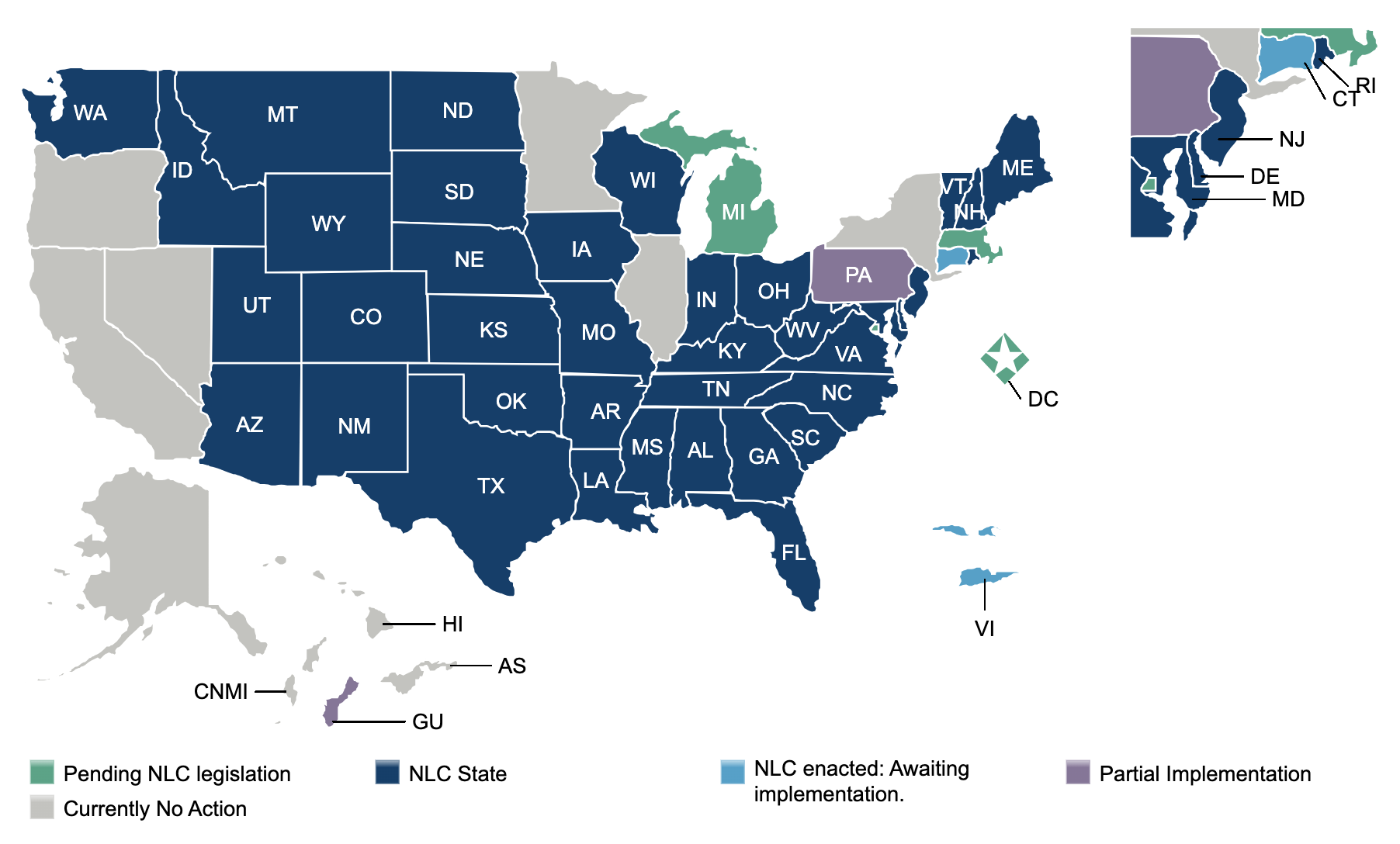
As of recent developments, Florida has officially joined the Nurse Licensure Compact. This is a monumental shift for nursing licensure in the state and has far-reaching implications for nurses across the country.

Florida as a Compact State: The New Reality
With Florida‘s entry into the NLC, nurses who have established Florida as their primary state of residence can now obtain a multistate license. This means they can practice in any other NLC member state without the need for additional state licenses. Conversely, nurses whose primary state of residence is another NLC state can now practice in Florida using their existing multistate license, provided Florida is listed as an NLC state on their license.
This change simplifies the process for nurses looking to relocate to Florida for work. Instead of navigating the potentially lengthy process of obtaining a new single-state license, they can often practice immediately in Florida with their multistate license, assuming they meet the NLC’s residency requirements. This is a significant advantage for individuals seeking career opportunities in a state with a high demand for healthcare professionals.
Implications for Travel Nursing and Career Opportunities
The inclusion of Florida in the NLC is a game-changer for the travel nursing industry. Florida is a popular destination for travel nurses due to its diverse healthcare settings, from large urban hospitals in Jacksonville and St. Petersburg to specialized facilities in areas like Naples and the Florida Keys. With Florida now a compact state, travel nurses can more easily accept assignments in Florida if their primary state of residence is also an NLC state.
This increased mobility opens up a wealth of opportunities. Nurses who hold a multistate license and wish to work in Florida no longer face the administrative hurdle of acquiring a separate Florida license. This can expedite their deployment, allowing them to start working and contributing to patient care sooner. For those who dream of experiencing the Florida lifestyle, from the beaches of Clearwater to the cultural attractions of Palm Beach, while advancing their nursing careers, the NLC membership makes this dream more attainable.
What Nurses Need to Do
For nurses currently holding a Florida nursing license and residing in Florida:
- Check Your License Status: You will need to apply for a multistate license through the Florida Board of Nursing. This typically involves verifying your primary state of residence and meeting the NLC’s qualifications. Once granted, your existing single-state license will be converted to a multistate license.
For nurses residing in other NLC states and wishing to practice in Florida:
- Verify Your License: Ensure your current multistate license clearly indicates Florida as one of the compact states you are authorized to practice in. If you are moving to Florida and establishing residency, you will need to notify your current licensing board and apply for a Florida multistate license as your new primary state of residence.
For nurses who previously held a Florida single-state license and now reside in another NLC state:
- No Action Required (Generally): If you have moved out of Florida and established residency in another NLC state, your Florida single-state license is no longer your primary license. Your practice in Florida would be covered by your new multistate license from your current state of residence.
It is always recommended to consult the official Florida Board of Nursing website for the most up-to-date information and specific application procedures regarding the NLC. The transition period may involve specific deadlines or application processes that need to be followed closely to ensure compliance.
Florida: A Destination for Nursing and Leisure
The integration of Florida into the NLC significantly enhances its appeal as a place for nurses to live and work. This aligns perfectly with the state’s robust tourism and lifestyle offerings, creating a compelling environment for healthcare professionals seeking a fulfilling career alongside an enriching personal life.
Tourism, Accommodation, and Lifestyle in the Sunshine State
Florida is renowned globally for its diverse tourism landscape. From the theme parks of Orlando, including Walt Disney World Resort and Universal Orlando Resort, to the pristine beaches of the Emerald Coast and the vibrant nightlife of South Beach in Miami, there is an experience for every traveler. The state boasts a wide array of accommodations, catering to all preferences and budgets. Whether one seeks luxury resorts, family-friendly hotels, private villas, or comfortable apartments for long-term stays, Florida offers an abundance of options.
Beyond the major attractions, Florida‘s local culture, culinary scene, and endless activities provide ample opportunities for exploration and enjoyment. Visitors can immerse themselves in the historic charm of St. Augustine, explore the natural beauty of the Everglades National Park, or discover the arts and culture in cities like Sarasota. The lifestyle in Florida is diverse, encompassing everything from laid-back beach living to the sophisticated allure of its urban centers. For nurses, this means that a career in Florida can be complemented by a rich tapestry of leisure activities and a desirable quality of life.
Landmarks, Attractions, and Natural Wonders
Florida is dotted with iconic landmarks and natural wonders that draw millions of visitors each year. The architecturally stunning Vizcaya Museum & Gardens in Miami, the historic Kennedy Space Center Visitor Complex on the Space Coast, and the diverse ecosystems found within numerous state parks offer a glimpse into the state’s rich history, scientific achievements, and natural beauty.
For those interested in nature, destinations like Dry Tortugas National Park offer unparalleled snorkeling and diving opportunities, while the Ocala National Forest provides a haven for hiking and camping. The architectural marvels of Miami Beach, particularly the Art Deco Historic District, showcase a unique style that has become synonymous with the city. The presence of such diverse attractions ensures that life in Florida, whether for a short visit or a permanent residence, is anything but monotonous.
The Synergy Between Nursing and the Florida Lifestyle
The fact that Florida is now a compact nursing state creates a powerful synergy. Nurses can now more easily transition into and out of the Florida workforce, allowing them to take advantage of career opportunities in this popular state without the traditional licensure barriers. This is particularly beneficial for those considering travel nursing assignments, where flexibility and ease of relocation are paramount.
Imagine a nurse working a travel assignment in Tampa for six months, enjoying the city’s vibrant dining scene and proximity to the beaches, then easily moving to a new assignment in Orlando to be closer to family or explore new career challenges. This level of professional and personal freedom is precisely what the NLC aims to provide. Furthermore, the booming tourism and hospitality sectors in Florida often require specialized healthcare services, creating consistent demand for skilled nursing professionals. The NLC status ensures that Florida can readily access this talent pool.
In conclusion, Florida‘s entry into the Nurse Licensure Compact marks a significant advancement for the nursing profession within the state and across the nation. It simplifies licensure, enhances mobility, and opens up a wider array of career opportunities for nurses. Coupled with Florida‘s world-class tourism, diverse accommodation options, and appealing lifestyle, the sunshine state is now an even more attractive proposition for nurses seeking both professional fulfillment and a high quality of life.
LifeOutOfTheBox is a participant in the Amazon Services LLC Associates Program, an affiliate advertising program designed to provide a means for sites to earn advertising fees by advertising and linking to Amazon.com. Amazon, the Amazon logo, AmazonSupply, and the AmazonSupply logo are trademarks of Amazon.com, Inc. or its affiliates. As an Amazon Associate we earn affiliate commissions from qualifying purchases.