
For couples dreaming of a sunny escape, a permanent relocation, or investing in the vibrant real estate market of the Sunshine State, understanding Florida’s property laws is as crucial as planning the perfect itinerary. While the allure of pristine beaches, world-class attractions, and a relaxed lifestyle makes Florida a top destination for travelers and prospective residents alike, a common question often arises, especially for those considering shared investments or long-term commitments: “Is Florida a marital property state?” The answer, surprisingly, is not a simple yes or no, but rather points to a system designed to ensure fairness for couples.
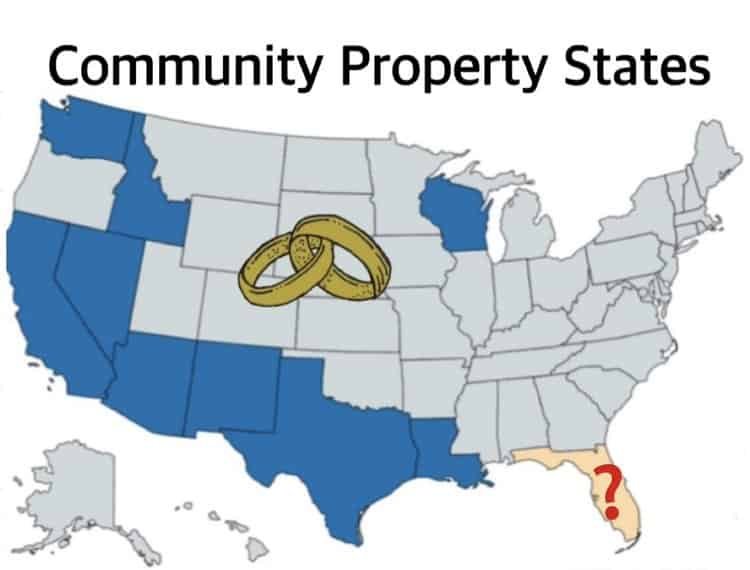
Florida operates under the principle of equitable distribution, not community property. This fundamental distinction means that while assets acquired during a marriage are generally considered marital property and subject to division upon divorce, the division isn’t necessarily a strict 50/50 split. Instead, a court will aim for a fair and equitable distribution, taking into account various factors that reflect each spouse’s contributions and circumstances. This nuanced approach has significant implications for everything from purchasing a vacation home in Naples, investing in a rental property in Orlando, or simply accumulating assets during a life lived together in places like Miami or Key West.
Understanding equitable distribution is vital for any couple planning to build a life, a vacation portfolio, or a retirement nest egg in Florida. It influences how jointly owned properties, shared bank accounts, investments in local tourism businesses, and even luxury items acquired during trips are treated. For those drawn to Florida for its diverse lifestyle offerings, from the bustling city life of Fort Lauderdale to the serene shores of Sarasota, grasping these legal frameworks is essential for informed decision-making and safeguarding financial futures. This article delves into the specifics of Florida’s equitable distribution laws, exploring how they define marital property, impact real estate and investments, and how couples can proactively plan to protect their shared and individual assets in this beautiful and sought-after state.
Understanding Florida’s Equitable Distribution Law
Florida’s approach to marital property is a departure from the community property system adopted by a handful of other U.S. states. In a community property state, marital assets are generally assumed to be owned equally by both spouses, regardless of whose name is on the title, and are typically divided 50/50 in a divorce. Florida, however, employs the principle of equitable distribution. This means that while assets acquired during the marriage are considered marital property, a court will divide them in a “fair” rather than necessarily “equal” manner. The goal is to achieve an outcome that is just and reasonable, considering the unique circumstances of each couple. This judicial discretion allows for a more personalized approach, recognizing that not all contributions to a marriage are financial, and that spouses may have different needs post-divorce.
The concept of equitable distribution is particularly relevant for couples who invest in Florida’s robust real estate market, whether it’s a primary residence, a seasonal getaway in St. Petersburg, or a rental income property near Walt Disney World Resort in Orlando. It also extends to other financial holdings, from bank accounts and retirement funds to businesses and luxury purchases made during the marriage. For those planning a long-term stay or even a permanent move, understanding this framework from the outset can save significant complications down the line. It encourages couples to have open discussions about financial planning and asset ownership, especially when considering large investments in the state’s popular destinations.
What is Marital Property in Florida?
In Florida, marital property generally encompasses all assets and liabilities acquired by either spouse, individually or jointly, during the course of the marriage, up to the date of filing for divorce. This broad definition covers a wide array of holdings that a couple might accumulate while enjoying the Florida lifestyle or pursuing investment opportunities. Examples often include:
- Real Estate: This is perhaps the most significant category for many couples. It includes the family home, vacation properties in destinations like Key West or Amelia Island, investment properties generating rental income, and even timeshares purchased for annual Florida getaways. If a couple buys a charming Art Deco Historic District apartment in Miami Beach during their marriage, it would typically be considered marital property.
- Bank Accounts and Investments: Joint savings accounts, individual checking accounts, stocks, bonds, mutual funds, and cryptocurrency investments accumulated during the marriage fall under this umbrella. If a couple starts a shared investment portfolio to fund their retirement in Jacksonville, those assets are marital.
- Retirement Accounts: Pensions, 401(k)s, IRAs, and other retirement benefits accrued by either spouse during the marriage are also usually classified as marital property. This is particularly relevant for couples moving to Florida for retirement, as their accumulated nest egg will be subject to these rules.
- Personal Property: This includes vehicles (cars, boats for navigating the Intracoastal Waterway), furniture, artwork purchased to adorn their Florida home, jewelry, and other tangible assets. Even a luxury watch or designer bag purchased during a shopping spree in Palm Beach could be considered marital property.
- Businesses and Professional Practices: Any business started or acquired during the marriage, including those related to Florida’s thriving tourism or hospitality industry, would be considered a marital asset.
- Debts: Importantly, marital property also includes marital debts, such as mortgages on Florida properties, credit card balances, and loans acquired during the marriage.
The key determinant is the timing of acquisition: if it was obtained between the wedding date and the divorce filing, it’s generally marital. This broad scope ensures that courts can consider the full financial picture of a couple when seeking an equitable division.
Differentiating Marital and Non-Marital Assets
While the definition of marital property is extensive, it’s equally important to understand what constitutes non-marital property in Florida. Non-marital assets, also known as separate property, are generally not subject to division in a divorce. This distinction is crucial for individuals who bring significant assets into a marriage or receive them independently during the marital period.
Typically, non-marital property includes:
- Assets Acquired Before Marriage: Any property, real or personal, owned by either spouse prior to the marriage remains their separate property. For instance, if one spouse owned a beach bungalow in Destin before getting married, that property would typically retain its non-marital status.
- Assets Acquired by Gift or Inheritance: Property received by one spouse as a gift or through inheritance, even if received during the marriage, is usually considered non-marital property. This applies unless the gift was made by one spouse to the other (interspousal gift), which might then become marital property. For example, if a spouse inherits a substantial sum that they keep in a separate account, it remains their non-marital asset.
- Income from Non-Marital Assets: If non-marital property generates income (e.g., rent from a pre-marital investment property), and that income is kept separate, it can also remain non-marital. However, if that income is commingled with marital funds or used to benefit the marriage, it could potentially lose its non-marital status.
- Assets Excluded by a Valid Agreement: Property specifically designated as non-marital in a prenuptial or postnuptial agreement is treated as separate property. These agreements are powerful tools for couples to define their assets and avoid future disputes, especially when one or both partners have significant pre-existing wealth or wish to protect specific family legacies, such as a multi-generational Florida Keys vacation home.
The concept of “commingling” is particularly important. If non-marital assets are mixed with marital assets – for example, an inheritance is deposited into a joint bank account, or funds from a pre-marital investment are used to make improvements to a marital home – they can lose their non-marital character and become subject to equitable distribution. This often happens inadvertently, highlighting the importance of clear financial record-keeping and, in some cases, professional legal advice when managing assets as a couple in Florida.
The Impact on Your Florida Lifestyle and Investments
Florida’s equitable distribution laws have a profound impact on how couples plan their lives, acquire property, and make investments within the state. Whether you’re a young couple starting out, a family seeking a vibrant environment, or retirees enjoying the golden years, understanding these implications can shape your financial strategies and protect your assets. The state’s diverse economy, driven by tourism, real estate, and a growing tech sector, offers myriad opportunities for investment, but each comes with legal considerations, especially when shared with a spouse. From owning a quaint bungalow in Gainesville to a luxury condominium in South Beach, the way property is acquired and managed as a couple is intrinsically linked to Florida’s legal framework.
Consider the thriving short-term rental market in areas surrounding attractions like Universal Studios Florida in Orlando or the residential developments flourishing along the Emerald Coast. Couples often pool resources to purchase such properties, viewing them as both an investment and a personal getaway. However, the legal implications of this joint ownership extend far beyond the excitement of closing the deal. Similarly, for couples planning to make Florida their permanent home, particularly in retirement havens like The Villages, their entire accumulated wealth and future acquisitions fall under the scope of marital property laws. Therefore, a proactive and informed approach to financial planning and asset management is not merely advisable but essential for couples navigating their Florida lifestyle.
Vacation Homes and Investment Properties: A Couple’s Guide
For many couples, the dream of owning a piece of Florida paradise manifests in the form of a vacation home or an investment property. Whether it’s a beachfront condo in Clearwater, a charming villa near the golf courses of Palm Beach Gardens, or a rental unit capitalizing on the tourist influx in Kissimmee, these significant assets are almost always considered marital property if purchased during the marriage. This means that if the marriage were to dissolve, the property’s value, including any appreciation, would be subject to equitable distribution.
Couples often choose to title properties jointly, typically as “tenants by the entirety” for married couples in Florida, which offers certain protections, including the right of survivorship (meaning the property automatically passes to the surviving spouse upon death). However, even with this titling, the property remains a marital asset in the event of divorce. Issues can arise when one spouse uses non-marital funds (e.g., an inheritance) to make a down payment or significant renovations on a marital vacation home. While the property itself is marital, the spouse who contributed separate funds may argue for a special equity interest or claim to the extent of their non-marital contribution during divorce proceedings. This complex scenario underscores the importance of transparent financial discussions and, potentially, formal agreements when purchasing real estate in Florida as a couple. For those looking at properties in diverse regions, from the urban landscape of Tampa to the natural beauty around Everglades National Park, careful consideration of these factors is paramount.
Long-Term Stays and Retirement in the Sunshine State
Florida has long been a magnet for retirees and those seeking long-term stays, often referred to as “snowbirds,” from colder climates like Canada or the northern United States. For couples moving to Florida for retirement, the equitable distribution laws become central to their financial planning. All assets accumulated over their working lives and brought into the state, if acquired during the marriage, are subject to these rules. This includes retirement accounts, pensions, investment portfolios, and any real estate purchased, whether it’s a primary residence in Ocala or a second home near Ponte Vedra Beach.
For couples transitioning into retirement in Florida, proper estate planning takes on added importance. Understanding how assets are classified and distributed ensures that their wishes regarding their legacy are met. For “snowbirds” who maintain residences in two states, the legal jurisdiction for divorce can become complicated, potentially involving the laws of both states. This adds another layer of complexity to asset division, making it even more critical for couples to define their primary residence and understand the legal implications of their multi-state living arrangements. The charm of Florida’s year-round sunshine and vibrant communities makes it an ideal place for long-term stays and retirement, but it also necessitates a clear understanding of how marital property laws will shape their financial future and peace of mind in the Sunshine State.
Navigating Property Ownership for Couples in Florida
Navigating property ownership as a couple in Florida requires more than just picking the perfect destination or a beautiful home. It involves a strategic understanding of the state’s equitable distribution laws and how they apply to your specific financial situation. Whether you’re buying your first home in Tallahassee, investing in a commercial venture in Miami, or simply planning your financial future together, proactive measures can clarify ownership, prevent potential disputes, and provide peace of mind. The dynamic nature of Florida’s real estate market, from the bustling vacation rentals to serene residential communities, means that couples must be well-informed and prepared for the legal intricacies that come with shared assets.
For couples embarking on their Florida journey, the discussion of property ownership and asset protection should be an ongoing dialogue, rather than a reactive measure. From the outset, considering the various ways to title property, understanding the implications of commingling funds, and exploring formal agreements can lay a strong foundation for a harmonious financial partnership. This forward-thinking approach is especially beneficial in a state like Florida, where a diverse array of properties – from luxury condos overlooking Biscayne Bay to quaint beach houses on Sanibel Island – often represent significant portions of a couple’s wealth.
Protecting Your Assets: Prenuptial and Postnuptial Agreements
One of the most effective tools for couples to define and protect their assets in Florida is through prenuptial or postnuptial agreements. These legal documents allow couples to deviate from the default equitable distribution laws and establish their own terms for asset division in the event of divorce or death.
- Prenuptial Agreements (Prenups): Entered into before marriage, prenups are particularly valuable for individuals who bring significant pre-marital assets into the relationship. For instance, if one spouse owns a successful business in Tampa or has inherited substantial wealth, a prenup can designate these as non-marital property, ensuring they remain separate in a divorce. They can also outline how future earnings, investments in Florida real estate, or business ventures (such as a shared venture in the Kennedy Space Center tourism industry) will be treated. This clarity can prevent lengthy and costly disputes down the line, allowing couples to enjoy their Florida lifestyle with greater financial security.
- Postnuptial Agreements (Postnups): These agreements are similar to prenups but are entered into after the marriage has taken place. Postnups are useful for couples who decide later in their marriage to clarify asset ownership, perhaps after a significant financial event like an inheritance, the sale of a major asset, or the purchase of a new vacation property in Pensacola. They can also be used to address specific assets, such as a jointly purchased rental property or a luxury yacht that frequently sails the Gulf of Mexico, ensuring that both parties understand their rights and obligations regarding the asset.
Both prenuptial and postnuptial agreements must be carefully drafted and executed according to Florida law to be enforceable. They provide a clear roadmap for asset division, reducing ambiguity and emotional stress during challenging times, and allowing couples to proactively manage their financial destinies in the Sunshine State.

Estate Planning and Florida Property
For couples who own property in Florida, effective estate planning is an indispensable component of financial security. Beyond just addressing what happens in a divorce, estate planning ensures that your assets are distributed according to your wishes upon your death, minimizing taxes and avoiding probate wherever possible. Florida’s homestead exemption laws, for example, offer unique protections for primary residences, but understanding how they interact with marital property rules and inheritance is crucial.
Key estate planning tools relevant for couples with Florida property include:
- Wills: A will dictates how your individually owned assets will be distributed. For marital property, your share can be willed to beneficiaries. Without a will, Florida’s intestacy laws will determine distribution, which may not align with your desires, especially concerning vacation homes or specific investments.
- Trusts: Living trusts are popular in Florida because they allow assets to bypass probate, a potentially lengthy and public court process. Couples can place marital property, such as their primary residence in Sarasota or a family vacation home in Destin, into a trust, ensuring a smooth and private transfer of ownership to their designated beneficiaries, such as children or grandchildren. This is particularly useful for properties meant to stay within the family for generations.
- Deed Titling: How a deed is titled can significantly impact estate planning. As mentioned, “tenancy by the entirety” for married couples in Florida automatically transfers full ownership to the surviving spouse, bypassing a will. Other forms of co-ownership, like “tenants in common,” allow each spouse to will their share to someone else, offering more flexibility but potentially creating shared ownership with non-spouses.
Careful estate planning for Florida property is essential for couples, especially those with significant assets like multiple properties or investments in the state’s burgeoning tourism sector. It provides the framework to manage shared wealth, protect loved ones, and ensure that the legacy built together in the Sunshine State endures as intended. Consulting with a Florida estate planning attorney is highly recommended to tailor a plan that meets a couple’s specific needs and goals, aligning their financial vision with the legal realities of the state.
In conclusion, while Florida is not a community property state, its equitable distribution laws mean that property acquired during a marriage is considered marital property and subject to fair division upon divorce. For couples planning to enjoy the myriad travel opportunities, establish long-term accommodations, or make significant investments in the state, understanding these nuances is critical. From vacation homes in Naples to retirement havens in Ocala, and from thriving businesses in Miami to luxury experiences across Florida, the legal framework impacts every shared financial decision. By proactively engaging in discussions about asset ownership, considering prenuptial or postnuptial agreements, and undertaking comprehensive estate planning, couples can confidently navigate Florida’s legal landscape, ensuring their lifestyle and investments are protected for a sunny future.
LifeOutOfTheBox is a participant in the Amazon Services LLC Associates Program, an affiliate advertising program designed to provide a means for sites to earn advertising fees by advertising and linking to Amazon.com. Amazon, the Amazon logo, AmazonSupply, and the AmazonSupply logo are trademarks of Amazon.com, Inc. or its affiliates. As an Amazon Associate we earn affiliate commissions from qualifying purchases.