
Yes, Florida is unequivocally a peninsula. This geographical truth is not merely a trivial fact, but a defining characteristic that profoundly shapes the state’s climate, ecosystems, history, and, most notably, its identity as a premier travel and tourism destination. Understanding Florida’s peninsular nature is key to appreciating its unique allure, from its sun-drenched beaches and vibrant cities to its diverse natural landscapes and dynamic cultural tapestry. For travelers, hoteliers, and anyone interested in the myriad facets of this extraordinary state, its distinctive shape is the foundational element around which countless experiences are built.
Understanding the Peninsular Identity of Florida
The term “peninsula” refers to a landform that is almost entirely surrounded by water but is connected to the mainland on one side. This geological configuration creates a distinct boundary between land and sea, influencing everything from weather patterns to human settlement. Florida’s classic peninsular shape is one of the most recognizable on world maps, making it a textbook example of this geographical feature.
Defining a Peninsula: The Geographic Context
A peninsula is typically defined as a piece of land projecting out into a body of water, connected to the mainland by a narrow strip of land known as an isthmus. Imagine the boot shape of Italy or the vast expanse of the Iberian Peninsula that encompasses Spain and Portugal. These landforms share the common trait of being largely embraced by the sea, dictating unique environmental conditions and historical developments. For Florida, this means being perpetually intertwined with the oceanic forces that sculpt its shores and temper its climate. Its elongated form, stretching gracefully southward from the contiguous United States, sets the stage for a realm where land and sea converge in spectacular fashion. This embrace of water on multiple sides is not just a visual characteristic but a fundamental aspect of its geological and ecological makeup.
Florida’s Unique Shape and Surrounding Waters
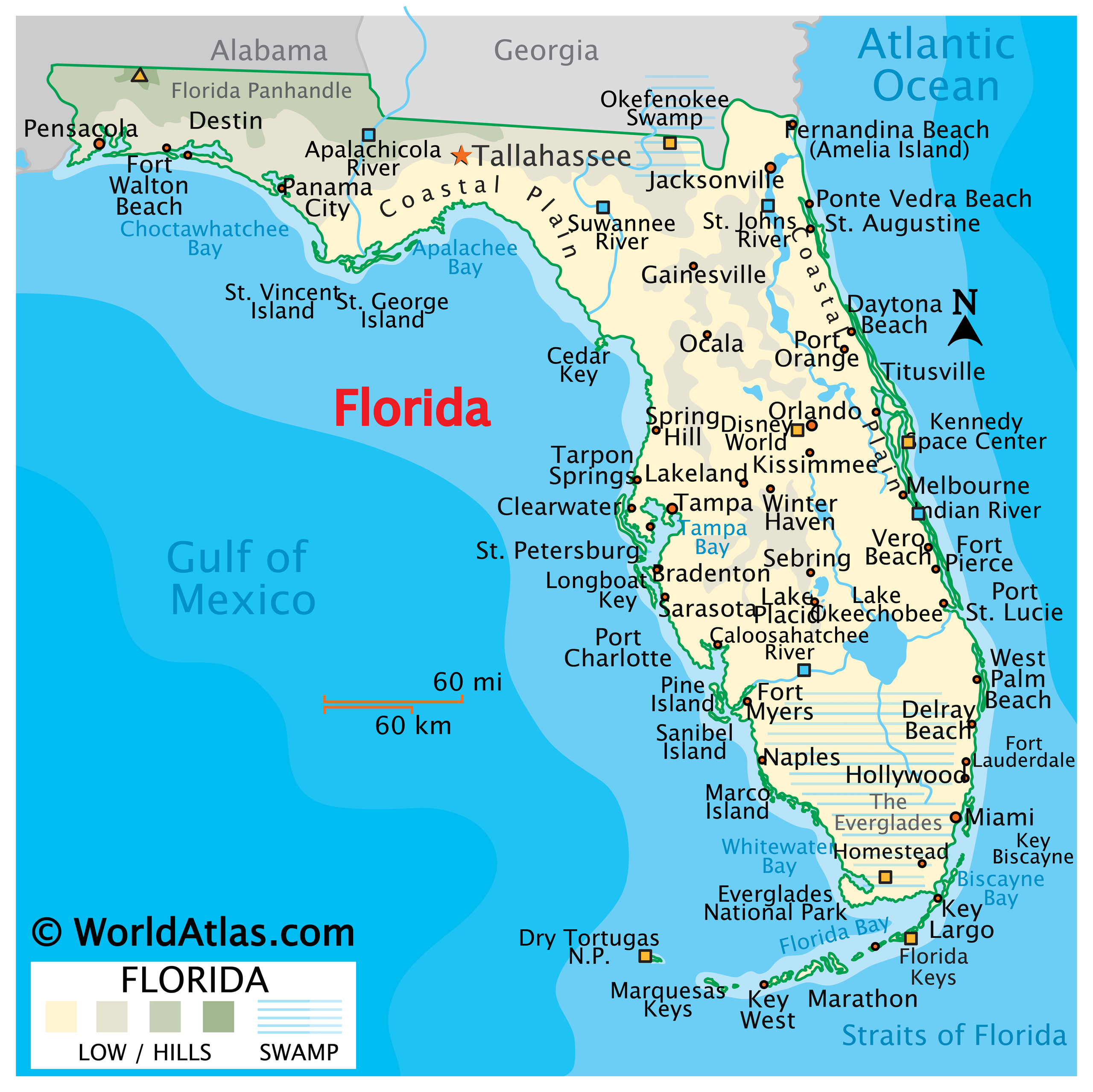
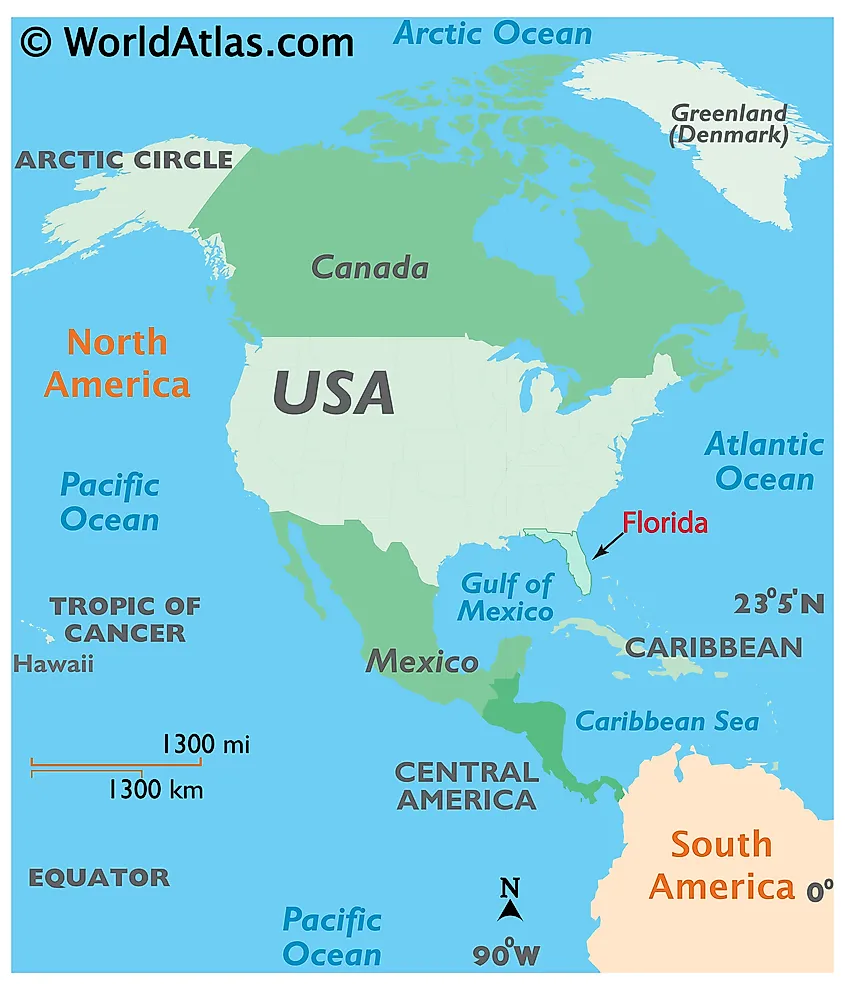
Florida’s peninsular shape is elegantly defined by the vast bodies of water that cradle its shores. To its east lies the magnificent Atlantic Ocean, with its warm currents and expansive stretches of coastline. To the west, the gentle, turquoise waters of the Gulf of Mexico offer calmer seas and breathtaking sunsets. To the south, the Straits of Florida and Florida Bay serve as a watery boundary, separating the state from its southern neighbor, Cuba, and linking it to the wider Caribbean Sea. The only connection to the North American mainland is its northern border, shared with Georgia and Alabama. This distinctive geography means that no point in Florida is more than 60 miles from saltwater, a fact that permeates every aspect of life and travel within the state. From the bustling port cities that thrive on maritime trade to the remote barrier islands that protect its coast, the presence of the ocean is an undeniable, constant force. This intimate relationship with the surrounding seas has fostered a unique environment that appeals to explorers, relaxation seekers, and adventure enthusiasts alike, making the state a vibrant hub for tourism and a desirable locale for diverse lifestyles.
The Peninsular Influence on Florida’s Ecosystems and Climate
The profound impact of Florida’s peninsular geography extends deep into its natural world, shaping its diverse ecosystems and dictating its distinctive climate. Being almost entirely surrounded by water has cultivated an unparalleled biodiversity and a subtropical to tropical weather pattern that significantly influences travel and daily life.
A Biodiversity Hotspot: From Reefs to Wetlands
Florida‘s peninsular position places it at a unique biological crossroads, resulting in an extraordinary array of ecosystems. The shallow, warm waters of the Gulf of Mexico and the Atlantic Ocean host a vibrant underwater world, particularly around the Florida Keys, which boast the only living coral barrier reef in the continental United States. This delicate ecosystem is a haven for diverse marine life, attracting snorkelers, divers, and marine biologists from around the globe. Further inland, yet still profoundly influenced by the state’s low elevation and abundant water, lies the iconic Everglades National Park. This vast wetland, often referred to as a “river of grass,” is a critically important ecosystem, home to an astonishing variety of wildlife, including alligators, crocodiles, manatees, and countless species of wading birds. The interplay of freshwater from the mainland and saltwater from the coasts creates unique brackish environments, fostering dense mangrove forests that serve as crucial nurseries for fish and protect coastal areas from storm surges. Barrier islands, estuaries, and diverse coastal habitats further contribute to this ecological mosaic, providing sanctuary for migratory birds and offering stunning natural beauty for visitors. This richness in biodiversity makes Florida not just a tourist destination, but also a vital area for ecological study and conservation.
Climate Patterns and Their Impact on Travel
The peninsular shape of Florida is the primary driver of its famous climate. The vast expanses of surrounding water moderate temperatures, leading to a largely subtropical climate across most of the state, transitioning to a truly tropical climate in the southern regions, including Miami and the Florida Keys. This maritime influence ensures warm temperatures year-round, making Florida a perpetually popular escape from colder climates. The state experiences two primary seasons: a hot, humid wet season (typically from late May to October) characterized by frequent afternoon thunderstorms, and a drier, milder, and sunnier dry season (November to April).
While the warm climate is a major draw for tourism, particularly during the winter months, the peninsular geography also makes Florida particularly susceptible to tropical weather systems. The notorious hurricane season, which runs from June 1st to November 30th, is a direct consequence of its warm coastal waters and geographic exposure. Travelers planning trips during this period need to be aware of the potential for severe weather, though the state has robust systems in place for monitoring and responding to storms. Despite this, the overwhelming majority of days even within hurricane season are sunny and pleasant, offering ample opportunity for enjoyment. The consistently pleasant temperatures, especially outside the peak summer months, make it an ideal destination for outdoor activities, from golfing and tennis to exploring nature preserves and enjoying its world-renowned beaches, contributing to its reputation as a year-round vacation spot.
Florida as a Premier Travel Destination: A Peninsular Perspective
Florida’s peninsular identity isn’t just a geographical footnote; it’s the very foundation of its appeal as a global travel destination. The extensive coastline, coupled with its unique position between major bodies of water, has sculpted a landscape rich in attractions and experiences that cater to every type of traveler. From pristine beaches to vibrant urban centers, the state’s geography informs its character and charm.
Coastal Charms and Beachfront Experiences
With thousands of miles of coastline, Florida offers an unparalleled array of beachfront experiences. The peninsular shape ensures that incredible beaches are never far away, making coastal activities a cornerstone of the Florida lifestyle and tourist draw. On the Atlantic coast, iconic destinations like Miami Beach and its famous South Beach beckon with vibrant nightlife, Art Deco architecture, and powdery white sands. Further north, Fort Lauderdale offers a sophisticated blend of beaches and waterways, often called the “Venice of America.” On the Gulf of Mexico side, the tranquil, emerald waters are home to some of the most highly rated beaches in the United States, including the sugar-soft sands of Clearwater Beach, the quartz crystal beaches of Siesta Key, and the serene beauty of St. Pete Beach.
These coastal havens provide endless opportunities for water sports, from surfing the Atlantic waves to paddleboarding, kayaking, and kitesurfing in the calmer Gulf waters. The rich marine life also makes Florida a prime spot for snorkeling and diving, particularly in the clear waters surrounding the Florida Keys, where colorful coral reefs teem with tropical fish. Fishing, both deep-sea and inshore, is another hugely popular activity, with charters readily available from virtually any coastal town. The presence of these extensive coastlines also drives the development of luxurious beachfront resorts, charming boutique hotels, and countless vacation rentals, all designed to maximize proximity to the sun and sea.
Inland Wonders and Unique Attractions
While the coastline is undeniably a major draw, Florida’s peninsular geography also contributes to its unique inland attractions. The flat terrain and abundant natural springs are a direct result of its geological history, offering refreshing freshwater oases that are perfect for swimming, tubing, and wildlife viewing. Places like Silver Springs State Park and Weeki Wachee Springs State Park offer clear waters and unique natural experiences.
Beyond natural beauty, Florida’s peninsular appeal is amplified by world-famous man-made attractions, many strategically located to take advantage of the state’s accessibility and consistent tourism. Orlando, though centrally located and not directly on the coast, has become the theme park capital of the world, home to the sprawling Walt Disney World Resort and Universal Orlando Resort. Other major attractions include Busch Gardens Tampa Bay, offering thrilling rides and wildlife encounters, and the historic charm of St. Augustine, the oldest continuously inhabited European-established settlement in the United States, showcasing centuries of Spanish colonial heritage. Furthermore, the Kennedy Space Center Visitor Complex on Florida’s Space Coast capitalizes on its eastern location, making it an ideal launch site for rockets, a testament to the state’s strategic position. These diverse attractions ensure that Florida offers a comprehensive travel experience beyond just its beautiful beaches.
Major Cities Shaped by the Coastline
The state’s major cities have developed in direct response to its peninsular geography, serving as crucial hubs for commerce, culture, and tourism. Miami, situated at the southeastern tip, is a vibrant metropolis and a major international gateway, particularly to Latin America and the Caribbean. Its proximity to these regions has fostered a rich Cuban culture and a dynamic arts scene, embodied in neighborhoods like Little Havana. As a major cruise port, it highlights the state’s maritime importance.
On the Gulf Coast, Tampa stands as a bustling port city with a rich history, particularly evident in its historic Ybor City district. Nearby Sarasota and Naples cater to a more luxurious lifestyle, with pristine beaches, upscale shopping, and a flourishing arts scene, all benefiting from their stunning Gulf-front locations. Even the southernmost city of Key West, at the very end of the Florida Keys chain, thrives on its unique island culture and breathtaking sunsets, a testament to its isolated yet connected peninsular position. Jacksonville, in Northeast Florida, stands as the largest city by land area in the contiguous United States, benefiting from its strategic location on the St. Johns River and proximity to the Atlantic Ocean. These cities not only serve as centers for economic activity but also as major tourist destinations, each offering a distinct flavor of the Florida experience, intrinsically linked to their coastal or near-coastal settings.

Maximizing Your Florida Experience: Accommodation, Tourism, and Lifestyle
The peninsular nature of Florida doesn’t just define its geography and natural wonders; it also profoundly influences the diverse range of accommodation options, tourism activities, and lifestyle choices available to visitors and residents alike. From luxurious beachfront resorts to immersive cultural experiences, Florida caters to every preference, all enhanced by its unique coastal environment.
Diverse Accommodation Options for Every Traveler
Florida’s thriving tourism industry has led to an incredible array of accommodation options, ensuring that every traveler, regardless of budget or style, can find their ideal stay. Its peninsular shape means that many premier properties are designed to maximize ocean or Gulf views, offering direct access to the state’s most coveted natural assets. Luxury travelers can indulge in world-class resorts like The Breakers Palm Beach, offering opulent amenities, private beach access, and gourmet dining experiences. In cities like Clearwater, numerous beachfront resorts provide stunning views and direct access to pristine sands.
For families flocking to Orlando’s theme parks, a vast selection of family-friendly resorts offers sprawling pools, kid-centric activities, and convenient shuttle services. Beyond traditional hotels and resorts, Florida also excels in providing vacation rentals, from charming apartments in historic districts to expansive villas perfect for longer stays or group travel. The “snowbird” phenomenon, where individuals escape colder northern winters for months at a time, has further solidified the market for long-term stay options. Unique accommodations, such as houseboat rentals in the Florida Keys or eco-friendly glamping sites near the Everglades, cater to niche interests, allowing visitors to truly immerse themselves in the state’s distinctive environments. Robust online platforms for booking, reviews, and comparison make it easy to find the perfect match for any trip.
Embracing Florida’s Tourism and Local Culture
The state’s peninsular geography has created a unique blend of tourism offerings and local cultures. The constant influx of visitors, coupled with diverse historical migrations, has fostered a vibrant and eclectic cultural scene. In Miami, the rich Cuban culture of Little Havana offers a sensory feast of authentic Cuban sandwiches, strong coffee, and lively music, reflecting the city’s role as a gateway to the Caribbean. St. Augustine’s Spanish colonial heritage is preserved in its ancient streets, historic fortresses, and charming architecture, providing a captivating journey back in time.
Florida’s cuisine is heavily influenced by its coastal bounty, with fresh seafood being a staple across the state. Stone crab, caught primarily off its coasts, is a local delicacy, and the tangy sweetness of Key lime pie is an iconic dessert that originated in the Florida Keys. Beyond food, the state hosts numerous festivals, art shows, and cultural events throughout the year, celebrating everything from jazz and blues to film and fine art. Tips for tourists often include exploring beyond the main attractions to discover hidden gems, engaging with local communities, and appreciating the diverse ecosystems through eco-tourism activities like airboat tours through the Everglades or snorkeling with manatees in crystal-clear springs. Given the state’s sprawling nature, a car is often the most convenient way to explore its varied landscapes and attractions, offering the freedom to discover both popular hotspots and serene, secluded spots.
Lifestyle Choices: From Luxury Escapes to Family Adventures
Florida’s peninsular attributes mean it can accommodate virtually any travel lifestyle. For those seeking luxury travel, the state offers an abundance of high-end experiences, from five-star resorts and private yacht charters along its pristine coasts to world-class dining and exclusive shopping districts in Miami and Palm Beach.
Conversely, budget travel is entirely feasible, with countless opportunities for affordable adventures. Camping in state parks, enjoying free access to its abundant public beaches, and exploring numerous natural preserves offer enriching experiences without breaking the bank. The extensive network of natural springs also provides cost-effective and refreshing recreation options.
Family trips are perhaps where Florida shines brightest, largely due to the magnetic pull of its theme parks but also thanks to its safe beaches, interactive museums, and educational eco-tours suitable for all ages. The variety ensures that every family member finds something to love, creating unforgettable shared memories.
For business stays, major cities like Miami, Orlando, and Tampa boast state-of-the-art convention centers and an abundance of business-friendly hotels. Many professionals combine business with leisure, extending their trips to enjoy the state’s recreational offerings.
Finally, adventure travel thrives in Florida’s unique environment. Kayaking through mangrove tunnels, diving in underwater caves, exploring the vastness of the Everglades by airboat, or hiking through diverse nature trails offers adrenaline-pumping experiences for the active traveler. The state’s peninsular configuration, with its constant interplay of land and water, makes it a dynamic playground for all types of adventurers, solidifying its reputation as a multifaceted destination that truly has something for everyone.
LifeOutOfTheBox is a participant in the Amazon Services LLC Associates Program, an affiliate advertising program designed to provide a means for sites to earn advertising fees by advertising and linking to Amazon.com. Amazon, the Amazon logo, AmazonSupply, and the AmazonSupply logo are trademarks of Amazon.com, Inc. or its affiliates. As an Amazon Associate we earn affiliate commissions from qualifying purchases.