
When planning a trip to the sun-drenched beaches of Florida, exploring its vibrant cities, or settling into a long-term stay, travelers often focus on the obvious: where to go, what to see, and the best accommodations. However, an often-overlooked aspect of responsible tourism and everyday life in the Sunshine State involves understanding local laws – particularly those concerning privacy and recording conversations. In a world increasingly documented through smartphones and digital devices, knowing whether Florida operates under “two-party consent” or “one-party consent” for recordings is crucial, not just for legal compliance but for fostering respectful interactions. This comprehensive guide will delve into Florida’s legal framework for recording, offering insights for tourists, residents, and businesses navigating the nuances of privacy in this popular destination.
Understanding Florida’s Recording Laws: The “All-Party Consent” Rule
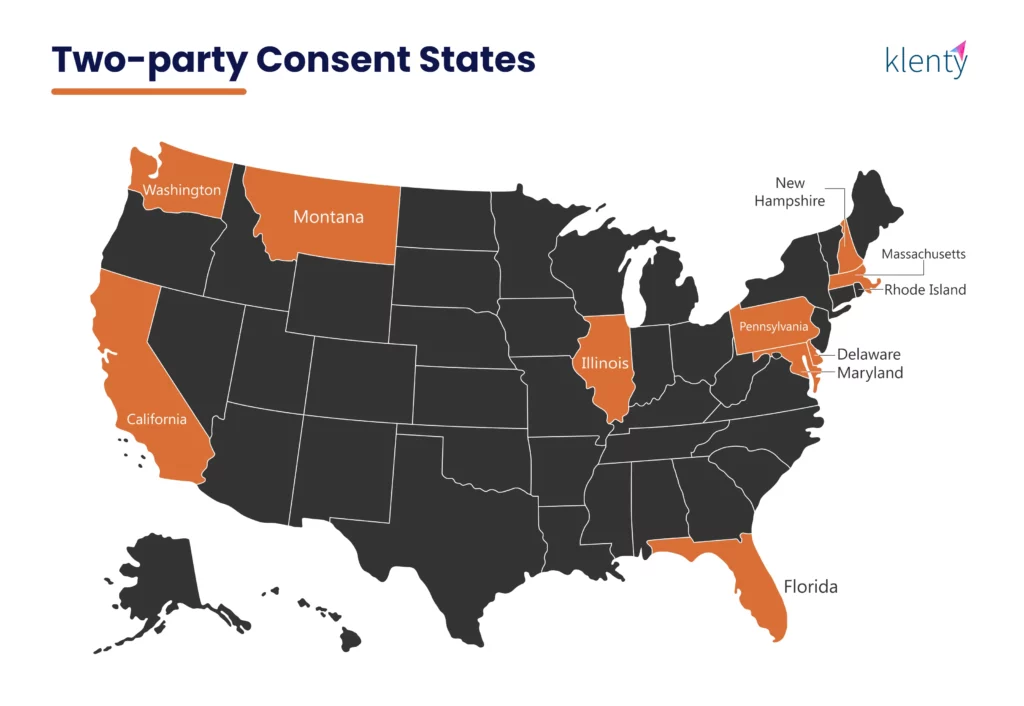
The legal landscape surrounding the recording of conversations varies significantly across the United States. Some states permit “one-party consent,” meaning only one person involved in a conversation needs to agree to its recording, even if that person is the recorder themselves. Other states, like Florida, uphold “all-party consent,” which requires every participant in a private conversation to give their explicit permission before it can be legally recorded. This distinction is paramount for anyone visiting, working, or living in Florida.
What “All-Party Consent” Truly Means
At its core, Florida’s “all-party consent” law dictates that you cannot record an oral communication, whether in-person or via telephone, unless all parties involved are aware of and consent to the recording. This legal principle is enshrined in Florida Statute 934.03, which broadly prohibits the interception and disclosure of wire, oral, or electronic communications without the consent of all parties to the communication. The purpose of this law is to protect individuals’ reasonable expectation of privacy, ensuring that private conversations remain private unless everyone involved agrees otherwise.
It’s important to differentiate between audio recording and visual recording. While Florida is strict about audio recordings of private conversations, visual recording in public spaces generally operates under different rules. If you’re openly filming a public square, a landmark like the St. Augustine fort, or a parade in Miami, and individuals are within public view with no reasonable expectation of privacy, visual recording is typically permissible. However, if that visual recording also captures private conversations without consent, you could still be in violation of the “all-party consent” rule. The key often lies in the “oral communication” aspect and the “expectation of privacy.”
The Expectation of Privacy: Public vs. Private Spaces
The concept of a “reasonable expectation of privacy” is central to understanding how Florida’s recording laws are applied. This isn’t about whether you feel private, but whether society generally recognizes a location or situation as one where privacy is reasonably expected.
- Private Spaces: This category includes locations such as a private home, a hotel room or suite, a private office, or even a quiet corner of a restaurant where people are having an intimate conversation. In these settings, individuals generally have a strong expectation of privacy. Recording conversations here without unanimous consent is almost certainly illegal. This extends to private tours, especially if discussions are personal or sensitive.
- Public Spaces: This includes areas like public parks, busy streets in Orlando or Tampa, beaches (e.g., South Beach), and common areas of landmarks like Walt Disney World Resort or Universal Studios Florida. In these environments, the expectation of privacy is significantly diminished. If a conversation is loud enough to be overheard by others in a public setting, it may not be considered “private” and therefore might not require consent for recording. However, even in public spaces, discretion is advised. If you are specifically targeting an individual’s conversation and they clearly desire privacy, recording could still lead to legal issues or, at the very least, uncomfortable situations.
Understanding this distinction is vital for travelers seeking to document their experiences and for businesses operating within the state.
Navigating Florida’s Consent Laws as a Traveler
Florida is a top travel destination, attracting millions with its diverse attractions, pristine natural beauty, and vibrant lifestyle. From family trips to Orlando’s theme parks to luxurious escapes in Key West, visitors are constantly capturing memories. However, integrating the “all-party consent” rule into your travel habits is essential for a smooth and lawful visit.
Recording Your Vacation Memories: When to Be Mindful
For many tourists, recording isn’t about espionage; it’s about preserving precious vacation moments. This might involve filming a child’s reaction to a character at Walt Disney World Resort, documenting the wildlife in Everglades National Park, or capturing the lively atmosphere of a street festival.
- General Filming in Public: Filming wide shots of landscapes, landmarks, or crowds in public areas is generally acceptable. People in public view have a low expectation of privacy regarding their image.
- Interactions with Staff: If you’re interacting with hotel staff, restaurant servers, or tour guides, remember that any private conversation you have with them might fall under the “all-party consent” rule if you intend to record the audio. While you might film a tour guide describing an attraction, directly recording a private discussion about a service issue, for instance, without their explicit permission could be problematic. Best practice is always to ask.
- Conversations with Locals or Fellow Tourists: Engaging in conversation with a local artisan, a fellow traveler, or even your own travel companions while in a private setting means that if you wish to record the audio of that conversation, you must obtain their consent. A simple, “Do you mind if I record this for my travel vlog?” can save you from potential legal issues and awkwardness.
- Amusement Parks and Resorts: Large resorts and theme parks like Walt Disney World Resort and Universal Studios Florida often have policies regarding photography and video, usually permitting personal use but prohibiting commercial use without permission. They also often use CCTV in public areas for security purposes, which is generally disclosed. However, your personal recording of private conversations with staff or other guests within these parks still falls under Florida’s consent laws.

Business and Accommodation: What Guests and Hosts Need to Know
The “all-party consent” rule has significant implications for both guests and operators in the accommodation and tourism sectors.
- Hotels, Resorts, and Rental Properties:
- Hotel Surveillance: Hotels often employ security cameras (CCTV) in public areas like lobbies, hallways, and parking lots. This is generally permissible as there’s a diminished expectation of privacy in these common areas, and it’s for security. Such systems usually have signage indicating their presence.
- Guest Recordings: Guests recording their own conversations within their private hotel room or suite with other consenting parties is fine. However, recording conversations with hotel staff without their consent, especially within a private meeting or interaction, is not. Similarly, if a guest suspects wrongdoing and records staff without consent, they could face legal repercussions.
- Airbnb and Vacation Rentals: For short-term rental hosts, Airbnb (and similar platforms) have strict policies requiring hosts to disclose any recording devices (e.g., security cameras, noise monitors) inside or outside the property, prior to booking. Undisclosed recording devices, especially those in private areas (like bedrooms or bathrooms), are strictly prohibited and can lead to account suspension and legal action. For guests, the same Florida laws apply regarding recording conversations with hosts or other guests within the private rental space – consent is always required.
- Business Travelers: For individuals traveling to Florida for work, this law is particularly relevant. Recording business meetings, presentations, or conference calls, even if you are a participant, requires the consent of all other participants if the conversation is considered private. This is crucial for maintaining professional integrity and avoiding legal disputes. It’s always best practice to verbally confirm “Is everyone okay with me recording this for notes?” before proceeding.
Broader Implications for Lifestyle and Tourism in the Sunshine State
Beyond the immediate legalities, Florida’s “all-party consent” law contributes to the state’s overall lifestyle and the way tourism is experienced. It reflects a societal value placed on privacy and respectful communication.
Protecting Privacy and Fostering Respectful Interactions
The existence of “all-party consent” laws inherently fosters an environment where individuals can expect their private conversations to remain private. This creates a certain level of trust and comfort in personal and professional interactions. For tourists, this means that while exploring the diverse attractions of Florida, from the bustling streets of Miami to the serene shores of the Gulf Coast, they can engage in conversations with locals or service providers without the underlying concern that their words might be secretly recorded. This protection contributes to a more relaxed and authentic interaction, aligning with the laid-back, welcoming lifestyle Florida often embodies.
It also encourages ethical behavior. Rather than relying on clandestine recordings, individuals are prompted to openly seek permission, which strengthens communication and mutual understanding. This can be particularly beneficial in delicate situations, such as resolving a customer service issue at a resort or discussing personal experiences with a tour guide.
Comparing Florida to Other States and International Destinations
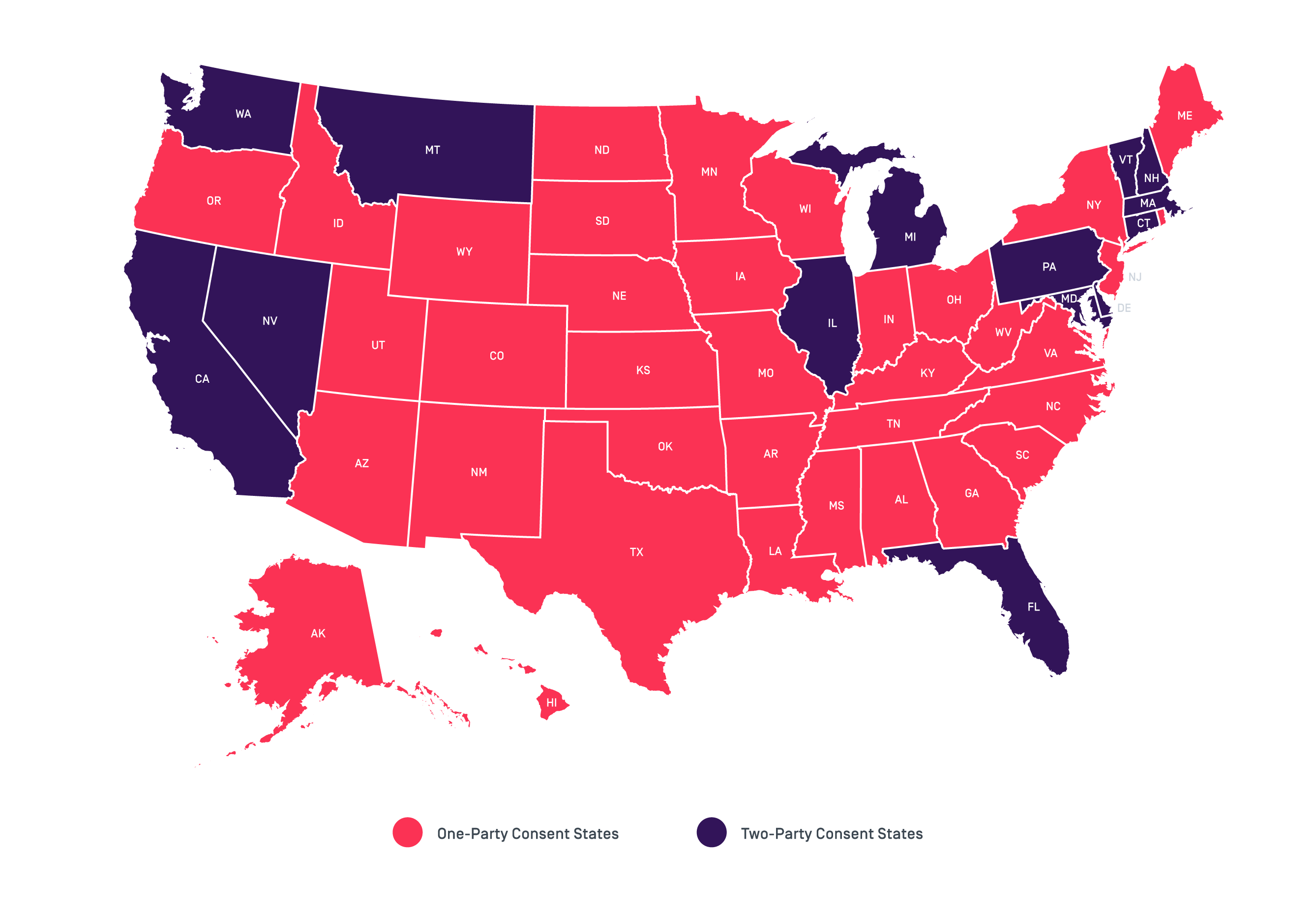
Understanding Florida’s stance becomes even clearer when compared to other jurisdictions. For instance, states like New York and Texas are “one-party consent” states. This means that in those locations, you could legally record a conversation as long as you are a participant in it, without informing the other parties. This stark contrast highlights the higher bar for recording in Florida.
Travelers often move between different states or even internationally, making it essential to be aware that recording laws are not universal. What is permissible in Texas may lead to legal trouble in Florida. Similarly, international destinations have their own unique legal frameworks concerning privacy and recording. Some countries might have even stricter laws, while others may be more lenient. The key takeaway for a global traveler is that local laws always supersede, and it’s always prudent to research the specific regulations of any destination before engaging in recording activities. This awareness contributes to being a responsible and respectful global citizen, whether you’re enjoying luxury travel or a budget-friendly family trip.
Practical Tips for Responsible Recording in Florida
Given Florida’s “all-party consent” rule, adopting a cautious and respectful approach to recording is the smartest strategy. This applies equally to residents conducting daily affairs and tourists making memories.
Best Practices for Travelers and Residents
Here are actionable tips to ensure you stay on the right side of the law and maintain positive interactions while in Florida:
- Always Ask for Consent: This is the golden rule. If you are participating in a private conversation and wish to record it, verbally ask everyone involved if they consent. A clear “Is it okay if I record this conversation?” is usually sufficient. This establishes transparency and respects the privacy of others. For recorded phone calls, many automated systems will inform you if a call is being recorded; if not, ask.
- Err on the Side of Caution: When in doubt, don’t record. If you’re unsure whether a conversation falls under the “expectation of privacy” or if you can obtain explicit consent from all parties, it’s safer to refrain from recording. This minimizes your legal risk and avoids potential conflicts.
- Be Aware of Your Surroundings: Distinguish between genuinely public spaces where conversations are audible to many, and more private settings where individuals expect discretion. While filming a general crowd at a public event is usually fine, zooming in on and recording a private discussion between two individuals at a park bench without their knowledge is not advisable.
- Focus on Visuals in Public: If your goal is to capture the ambiance and sights of Florida, prioritize visual recording in public areas. Capture the stunning architecture of Miami, the natural beauty of Everglades National Park, or the excitement of a theme park ride. If people’s voices are incidentally captured as background noise in a truly public setting, it’s less likely to be an issue than deliberately recording a private conversation.
- Understand Your Rights if You Are Being Recorded: Conversely, if you suspect you are being recorded without your consent in a private setting in Florida, you have rights. You can object to the recording and demand that it cease. If someone records you without your consent in a private setting, they could be facing serious legal penalties, including felony charges and civil lawsuits for damages.
In conclusion, Florida is indeed an “all-party consent” state for recording oral communications. This legal framework is a critical aspect of the lifestyle and tourism experience in the state, emphasizing privacy and requiring mutual agreement before private conversations can be documented. Whether you’re planning an adventurous trip, seeking a luxurious resort stay, or considering a long-term accommodation, understanding and respecting these laws will ensure your visit to the Sunshine State is not only memorable but also legally compliant and socially harmonious. By adopting responsible recording practices, you can fully enjoy all that Florida has to offer, from its famous landmarks to its vibrant local culture, while contributing to a respectful environment for everyone.