
The Sunshine State, a perennial favorite for vacationers and snowbirds alike, conjures images of sun-drenched beaches, thrilling theme parks, and vibrant city life. From the Everglades to the Keys, Florida offers an unparalleled diversity of experiences. When planning a trip to this beloved destination, however, a seemingly simple question can arise and cause a moment of confusion: “Is Florida Central Standard Time?”. The answer, like many things about Florida, is not as straightforward as one might initially assume. It’s a question that touches upon geography, state policy, and the practicalities of travel and accommodation.
Navigating Florida’s Time Zones: A Tale of Two Zones
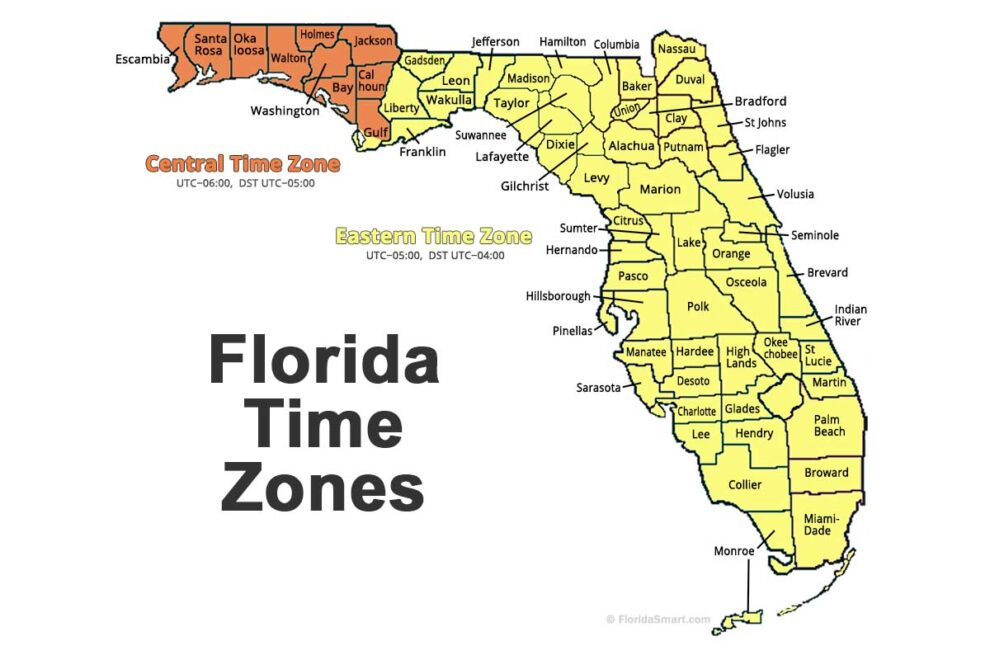
Florida, due to its elongated shape and diverse regions, is not a monolithic entity when it comes to time. The state is divided between two distinct time zones: Eastern Standard Time (EST) and Central Standard Time (CST). This division is a crucial piece of information for anyone planning travel, booking a hotel, or coordinating activities across the state. Understanding which part of Florida falls into which time zone is essential for a seamless and stress-free experience, whether you’re looking for a luxurious resort in Miami or an adventurous excursion in the Florida Panhandle.
The Vast Majority: Eastern Standard Time
The lion’s share of Florida observes Eastern Standard Time. This encompasses the entire eastern half of the state, including major metropolitan areas like Miami, Fort Lauderdale, Orlando, and Jacksonville. If your travel itinerary involves iconic attractions such as Walt Disney World Resort, Universal Orlando Resort, Epcot, Magic Kingdom, Hollywood Studios, Animal Kingdom, SeaWorld Orlando, or exploring the historic charm of St. Augustine, you will be operating on EST. This is the time zone most people associate with the Eastern Seaboard and aligns with many major U.S. cities like New York City and Washington D.C. This consistency can be reassuring for travelers coming from these regions, simplifying their transition into Florida time.
For those seeking beachfront luxury, destinations like South Beach with its iconic Art Deco architecture, or the tranquil shores of Clearwater Beach, also fall under EST. Similarly, if you’re planning a visit to the scientific marvels of the Kennedy Space Center Visitor Complex, or indulging in the culinary delights of Tampa and St. Petersburg, you’ll be adhering to Eastern Standard Time. The operational hours of attractions, the availability of tours, and the check-in/check-out times at hotels and resorts across these bustling tourist hubs are all synchronized with EST.
The sheer density of popular tourist destinations within the EST zone means that for the average visitor, EST will be their primary temporal reference point. This familiarity makes planning easier, as schedules and expectations align with what many are accustomed to. However, it also means that the regions observing CST might be overlooked or misunderstood by those unfamiliar with Florida’s unique temporal geography.
The Western Stretch: Central Standard Time
The western portion of the Florida Panhandle, from roughly the Apalachicola River westward to the border with Alabama, observes Central Standard Time. This area includes cities like Pensacola and Destin. While geographically part of Florida, this region operates on a different clock than the rest of the state. This distinction is vital for travelers planning to explore the pristine beaches of the Emerald Coast or delve into the military history of Pensacola, home to the National Naval Aviation Museum.
The choice for Florida to adopt CST in this specific region is largely due to its geographic proximity and historical ties to neighboring Alabama, which also observes CST for its western counties. For residents and businesses in these western Panhandle communities, aligning with CST facilitates easier communication and economic interaction with their closest neighbors. This geographical anomaly means that a short drive across the state line from Panama City, which is in the EST zone, to Pensacola will result in a one-hour time difference.
This temporal shift can be particularly significant for travelers who are not aware of it. Imagine booking a flight into Pensacola International Airport and assuming it’s the same time as your departure city in Orlando. You could easily miss a flight, be late for a hotel check-in, or miscalculate the timing for an eagerly anticipated activity. It’s a detail that, while minor in the grand scheme of planning a Florida vacation, can have practical implications for your travel experience.
Practical Implications for Travel and Accommodation
The existence of two time zones within Florida has direct and practical implications for every aspect of your visit, from booking your accommodation to enjoying local attractions and dining. Understanding this division is not just a matter of geographical curiosity; it’s a necessity for efficient travel planning.
Booking Hotels and Resorts: Timing is Everything
When searching for hotels, resorts, apartments, or villas, the time zone of the property is a critical factor. Websites that compare accommodation options or facilitate booking will typically display the local time. However, if you are browsing from a different time zone, or if the booking platform doesn’t clearly highlight the time zone difference, it can lead to confusion. For instance, if you are looking at a beachfront resort in Destin, which is in CST, and you are used to EST, you need to mentally adjust your timings for check-in, check-out, and any scheduled services.

Many luxury travelers opt for exclusive resorts like The Breakers Palm Beach or boutique hotels in charming towns. Regardless of the level of luxury or the type of accommodation, adhering to the local time zone is paramount. If you book a late-night arrival at a hotel in Miami, you need to be aware of EST. Conversely, if your booking is for a secluded villa in the western Panhandle, CST will be your governing time. This is also true for long-term stays, where maintaining a consistent understanding of local time is crucial for daily routines and appointments.
Exploring Attractions and Experiences: Don’t Be Late!
Florida is brimming with world-class attractions and unique experiences. From the thrills of Busch Gardens Tampa Bay to the serene beauty of the Dry Tortugas National Park, understanding the local time zone ensures you don’t miss a moment. Theme park opening and closing hours, showtimes, and guided tour schedules are all based on the local time. A simple miscalculation could mean missing the electrifying fireworks display at Magic Kingdom or the start of a dolphin-watching tour off the coast of Clearwater.
For those interested in the natural wonders of Florida, such as exploring the Big Cypress National Preserve or taking an airboat ride through the Everglades, timing is often crucial for optimal viewing opportunities, especially for wildlife. Similarly, if you plan to visit historical landmarks like Fort Zachary Taylor Historic State Park in Key West, or architectural marvels in cities like Miami Beach, checking their operating hours against the correct time zone is essential.
Dining and Local Culture: Embracing the Rhythm
The vibrant culinary scene in Florida, from fresh seafood in coastal towns to international cuisine in its cosmopolitan cities, is best enjoyed on time. Restaurant reservations, happy hour specials, and the general rhythm of dining are all dictated by the local clock. Experiencing local culture, whether it’s attending a festival in New Orleans (a common misconception for those thinking of the southern US, but relevant for understanding regional cultural influences) or a local music event in Ybor City, requires an awareness of the time. Even something as simple as catching the sunset on the beach requires knowing when that will happen in your specific time zone.
For budget travelers, timing can also be key to finding deals on flights and accommodation. Being flexible with travel dates and times, and understanding the temporal nuances of different regions, can lead to significant savings. Similarly, business travelers need to be acutely aware of time zones for meetings and appointments, especially if they are moving between different parts of the state.
Understanding the “Why” and “How”
The division of Florida into two time zones is a product of historical decisions, geographical realities, and federal regulations. The Uniform Time Act of 1966 established daylight saving time and authorized states to opt out or adopt standard time zones. Florida, like many other states, has largely followed the federal guidelines, with specific counties or regions making their own decisions based on practical considerations.
Daylight Saving Time: A Shared Experience (Mostly)
For the most part, both the Eastern and Central Time Zones in Florida observe Daylight Saving Time (DST). This means that for a significant portion of the year, the clocks are advanced by one hour, shifting EST to EDT (Eastern Daylight Time) and CST to CDT (Central Daylight Time). This shared observance simplifies things during those months, as the one-hour difference between the two zones remains constant. However, the exact dates for the beginning and end of DST are determined by federal law, ensuring a synchronized shift across the participating zones.
Navigating with Technology: Your Digital Compass
In today’s digital age, navigating time zones is significantly easier. Smartphones, smartwatches, and GPS devices are typically configured to automatically display the local time based on your location. This means that as you travel across Florida, your devices will generally update to reflect the correct time zone. However, it’s always prudent to double-check, especially when making critical arrangements. Booking platforms, airline apps, and mapping services are usually reliable in providing accurate local times. When in doubt, a quick search for “time in [city name]” will provide instant clarification.
For example, if you are planning a multi-city trip, starting in Orlando (EST) and then heading to Pensacola (CST), your phone will automatically adjust as you enter the new time zone. However, if you are relying on information gathered before your trip, such as printed itineraries or memory, it’s wise to confirm the time zone of each destination. This is particularly important for older travelers or those who may not be as reliant on digital devices.

Conclusion: Embrace the Temporal Diversity
So, to answer the initial question: “Is Florida Central Standard Time?”. The answer is a resounding “yes, but only in a part of it.” Florida is a state of temporal duality, with the majority adhering to Eastern Standard Time and a western sliver observing Central Standard Time. This unique characteristic, while sometimes causing a moment’s hesitation, adds another layer to the rich tapestry of Florida’s geography and culture.
When planning your next escape to the Sunshine State, whether it’s for an extended stay in a luxurious villa in Naples, a family adventure at LEGOLAND Florida Resort, or exploring the vibrant nightlife of Miami, remember to factor in Florida’s time zone division. A little forethought and awareness will ensure that your journey is filled with sunshine and smooth sailing, without any temporal turbulence. By understanding and respecting the temporal boundaries, you can fully immerse yourself in the diverse experiences Florida has to offer, from the sunrise on the Atlantic coast to the sunset over the Gulf of Mexico, all on the correct time.
LifeOutOfTheBox is a participant in the Amazon Services LLC Associates Program, an affiliate advertising program designed to provide a means for sites to earn advertising fees by advertising and linking to Amazon.com. Amazon, the Amazon logo, AmazonSupply, and the AmazonSupply logo are trademarks of Amazon.com, Inc. or its affiliates. As an Amazon Associate we earn affiliate commissions from qualifying purchases.