
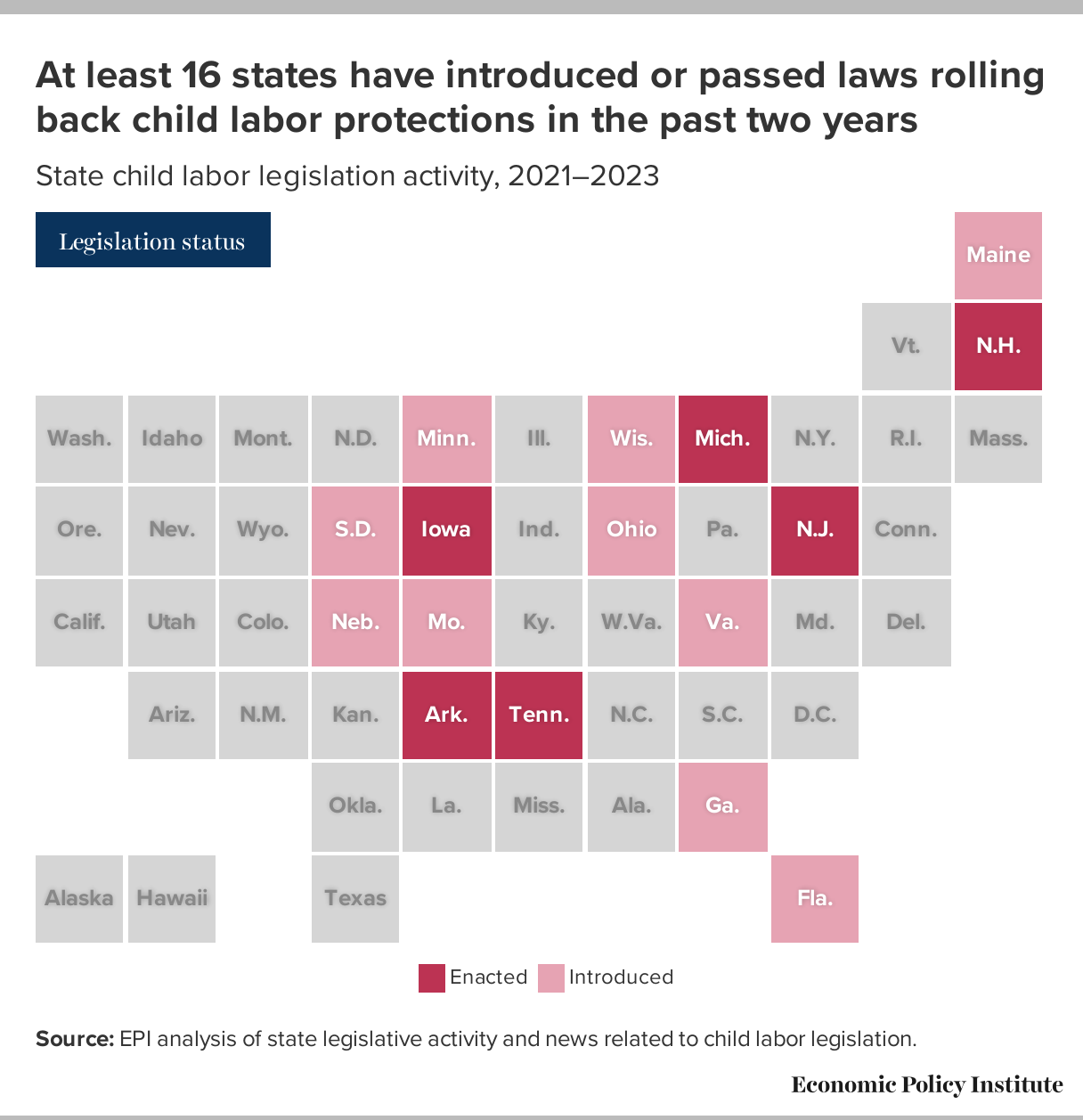
The Sunshine State, a perennial favorite for family vacations and a beacon for those seeking sun-drenched adventures, is currently navigating a complex and evolving landscape concerning its child labor laws. While the allure of Florida as a premier tourist destination remains as strong as ever, with its world-renowned theme parks like Walt Disney World Resort and Universal Orlando Resort, its bustling hospitality sector and agricultural industries are also at the forefront of a significant debate. The question of whether Florida is indeed changing its child labor laws is not a simple yes or no answer, but rather a nuanced discussion influenced by legislative proposals, economic pressures, and the inherent need to protect young workers while acknowledging the contributions they make to various sectors.
The Shifting Sands of Child Labor Legislation
Child labor laws, in their essence, are designed to safeguard children from exploitation and to ensure their access to education and healthy development. These laws typically dictate the hours, types of work, and conditions under which minors can be employed. In Florida, as in many other states, these regulations have been in place for decades, evolving over time to reflect societal changes and economic realities. However, recent legislative sessions have seen renewed discussions and proposed amendments that could potentially alter the existing framework.
Proposed Changes and Their Implications
The core of the current debate revolves around proposed bills that aim to relax certain restrictions on youth employment. Proponents of these changes often argue that they are necessary to address labor shortages, particularly in sectors like hospitality and agriculture, which are vital to Florida’s economy. The idea is that by offering more flexibility, businesses can tap into a larger pool of young talent, and in turn, young people can gain valuable work experience earlier.
One of the key areas of discussion involves extending the permissible working hours for minors, especially during non-school periods. The argument is that older teenagers, for instance, could benefit from longer shifts or weekend work, allowing them to earn more money, potentially for college or other post-secondary education pursuits. Furthermore, some proposals might seek to broaden the range of industries or specific job roles that are accessible to younger workers, provided that safety regulations are rigorously maintained.
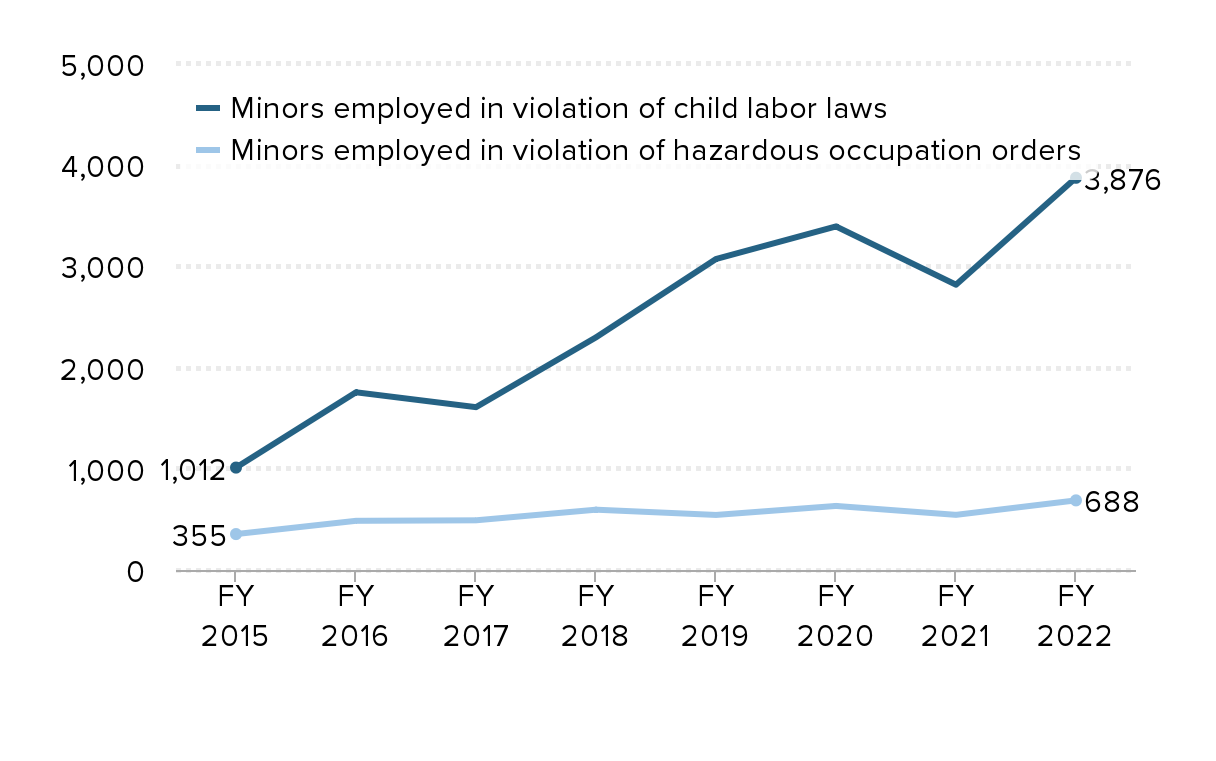
However, these proposed changes have also drawn significant concern from labor advocates, child welfare organizations, and educators. Their primary focus remains on the potential negative impacts on children’s well-being, education, and safety. Critics worry that loosening restrictions could lead to increased fatigue, reduced academic performance, and even exposure to hazardous work environments. The specter of child exploitation, where young workers might be subjected to unfair treatment or excessive demands, is a constant underlying concern. The delicate balance between providing opportunities for young workers and ensuring their protection is at the heart of this ongoing legislative dialogue.
The Tourism and Hospitality Sector: A Key Stakeholder

The Florida tourism industry, a colossal economic engine, relies heavily on a diverse workforce, and this includes young individuals in various roles. From theme park attendants and restaurant staff to hotel concierges and activity coordinators, the presence of young workers is felt across numerous establishments. The changes, or potential changes, to child labor laws have direct and immediate implications for this sector.
Balancing Workforce Needs with Child Protection
For businesses in the tourism and hospitality sector, particularly during peak seasons and major events like the Miami Open or during holiday periods at destinations like Key West, finding reliable staff can be a challenge. Proponents of relaxed laws suggest that allowing younger individuals to work more hours or in a slightly wider array of roles could alleviate some of these staffing pressures. Imagine a busy summer at a Florida beach resort, or during the festive season at the Gaylord Palms Resort & Convention Center in Orlando. These venues often experience surges in demand, and a more flexible labor pool could be seen as beneficial.
However, the nature of hospitality work, which can involve long hours, standing for extended periods, and interacting with the public, raises questions about its suitability for all young people, especially those below a certain age. The debate also touches upon the types of jobs that are appropriate for minors. For example, operating certain machinery, working late at night, or handling significant amounts of cash might be subject to stricter scrutiny under any revised laws. The goal, for many, is to ensure that any work undertaken by minors is enriching and safe, rather than exploitative or detrimental to their overall development. The experiences at family-friendly destinations like Busch Gardens Tampa Bay highlight the need for a well-staffed yet responsible approach to employment.
Education vs. Employment: A Critical Consideration
A fundamental aspect of child labor laws is their role in ensuring that education remains a priority for young people. The potential for increased working hours or more demanding job roles raises concerns about the impact on academic performance and the overall educational journey of children and teenagers.
The Impact on Academic Performance and Well-being
The educational well-being of children is a cornerstone of society, and any legislative changes that could jeopardize this are met with significant scrutiny. Critics of relaxed child labor laws often emphasize the importance of homework, extracurricular activities, and adequate rest for academic success. They argue that allowing minors to work longer hours, particularly during the school year, could lead to exhaustion, reduced concentration in the classroom, and a decline in grades. This is particularly relevant for students preparing for standardized tests like the SAT or ACT, or those enrolled in advanced placement courses.
On the other hand, proponents might suggest that part-time work can instill valuable life skills such as time management, responsibility, and financial literacy, which can complement, rather than detract from, a child’s education. The experience gained at a local restaurant in a town like St. Augustine, or assisting at a family-run business near the iconic Everglades National Park, can be incredibly formative. The challenge lies in striking a balance that allows for such beneficial experiences without compromising the primary focus on education. The debate extends to ensuring that any work undertaken by minors does not interfere with their ability to participate in school events, sports, or other crucial developmental activities. The state’s commitment to a well-rounded education for its youth remains a central tenet in this complex discussion, whether one is discussing the educational opportunities in a major city like Miami or in a more rural agricultural community. The aim is to ensure that future generations of Floridians are both educated and well-prepared for the workforce, but in a manner that prioritizes their health and safety.
In conclusion, the question of whether Florida is changing its child labor laws is a dynamic one. While legislative proposals have emerged that could lead to modifications, the ultimate direction remains subject to ongoing debate and deliberation. The state is tasked with the crucial responsibility of balancing the economic needs of its industries, particularly its vital tourism sector, with the paramount importance of protecting the well-being, education, and safety of its youngest workers. The outcome of these discussions will shape the future of youth employment in Florida for years to come.
LifeOutOfTheBox is a participant in the Amazon Services LLC Associates Program, an affiliate advertising program designed to provide a means for sites to earn advertising fees by advertising and linking to Amazon.com. Amazon, the Amazon logo, AmazonSupply, and the AmazonSupply logo are trademarks of Amazon.com, Inc. or its affiliates. As an Amazon Associate we earn affiliate commissions from qualifying purchases.