
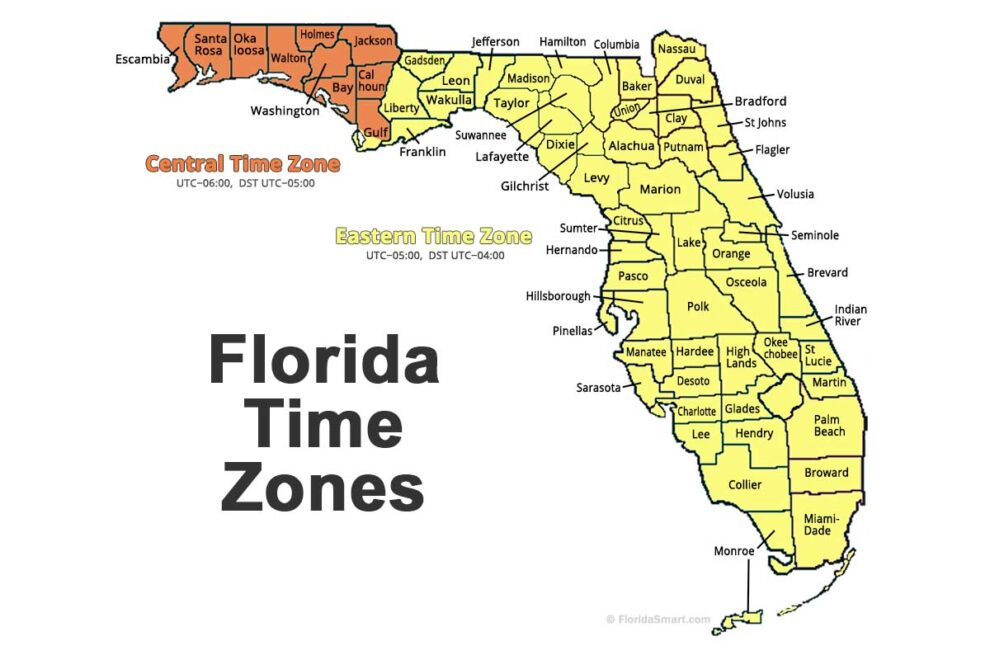
The question “Is Florida Eastern Time?” might seem straightforward, but the answer, much like the Sunshine State itself, holds a delightful nuance. While the vast majority of Florida, including its most iconic destinations and bustling urban centers, operates on Eastern Time (ET), a significant portion of its western Panhandle region observes Central Time (CT). This unique geographical split means that understanding Florida’s time zones is not just a trivial detail but a crucial piece of information for any traveler, business professional, or resident looking to navigate the state seamlessly.
Florida is a magnet for travelers worldwide, drawn to its pristine beaches, world-class theme parks, vibrant cities, and rich cultural tapestry. From the magical enchantment of Orlando to the Art Deco glamour of Miami, and the historic charm of St. Augustine to the laid-back vibe of the Florida Keys, the state offers an unparalleled array of experiences. For those planning a luxurious escape, a budget-friendly family adventure, or a long-term stay, knowing how time zones impact everything from flight schedules to hotel check-ins and attraction opening hours is paramount. This guide will delve into the intricacies of Florida’s time zones, highlight key destinations, and provide essential tips to ensure your visit to the Sunshine State is as smooth and enjoyable as possible.
Navigating Florida’s Time Zones: A Comprehensive Guide
Understanding the geographical divide of Florida’s time zones is the first step in mastering travel within the state. While most of the population and the state’s most famous attractions fall within one zone, the westward extension into the Panhandle introduces the need for awareness.
The Dominance of Eastern Time
The overwhelming majority of Florida, stretching from its southernmost tip at Key West all the way north to its border with Georgia, and east to the Atlantic Ocean and west to the Apalachicola River, observes Eastern Time (ET). This includes major metropolitan areas and top tourist destinations such as Miami, Fort Lauderdale, Orlando, Jacksonville, Tampa, St. Petersburg, Sarasota, Naples, and Tallahassee, the state capital. When most people think of Florida, they are instinctively thinking in Eastern Time. This zone is GMT-5 during standard time and GMT-4 during Daylight Saving Time.
Unpacking the Western Panhandle’s Central Time Zone
The exception to the Eastern Time rule lies in the western part of Florida’s Panhandle. Specifically, five counties – Escambia County, Santa Rosa County, Okaloosa County, Walton County, and Holmes County – operate on Central Time (CT). This means they are one hour behind the rest of Florida. These counties border Alabama, which is predominantly in the Central Time Zone, making this a logical geographical and operational alignment.
A unique situation arises in Bay County and Gulf County. Historically, a small western sliver of Bay County and most of Gulf County were in Central Time, with the main population centers remaining in Eastern Time. However, for simplicity and uniformity, both Bay County and Gulf County generally observe Eastern Time in practice, aligning with their larger economic and population hubs. This can be a point of confusion, so it’s always best to double-check local times, especially if traveling through these specific areas. For most travelers, the primary consideration is the clear division between the five westernmost counties and the rest of the state. Central Time is GMT-6 during standard time and GMT-5 during Daylight Saving Time.
Daylight Saving Time in the Sunshine State
Like most of the United States, Florida observes Daylight Saving Time (DST). This means that on the second Sunday in March, clocks “spring forward” one hour, and on the first Sunday in November, they “fall back” one hour. This practice applies to both the Eastern Time Zone and the Central Time Zone within Florida, maintaining the one-hour difference between them.
Interestingly, Florida has made legislative attempts to make Daylight Saving Time permanent. In 2018, the Florida Legislature passed the Sunshine Protection Act, which would keep the state on DST year-round. This initiative was driven by the desire for more daylight hours in the evening, benefiting tourism and outdoor activities. However, for this change to take effect, it requires approval from the United States Congress, which has yet to grant it to any state. As such, for now, Florida continues to adjust its clocks twice a year, like most of the nation.

Why Time Zones Matter for Your Florida Travel Plans
For travelers, ignoring Florida’s dual time zones can lead to missed flights, late check-ins, or confusion regarding scheduled activities. Thoughtful planning, especially when traversing the state, is essential for a seamless experience.
Seamless Itinerary Planning
Imagine you’ve booked a flight departing from Pensacola (CT) to Miami (ET). If you forget the one-hour time difference, you might mistakenly arrive at the airport an hour late, missing your flight. Similarly, if you’re driving from Tallahassee to Destin for a resort check-in, being aware of the time change ensures you arrive promptly and avoid any late check-in fees or complications. For families planning a packed itinerary including theme parks, knowing the local time is crucial for making FastPass reservations, showtimes, and dining experiences without stress. Booking accommodation, whether it’s a luxury suite, a family-friendly resort, or a charming apartment, requires precision, and time zone awareness is part of that.
Business and Communication Considerations
For business travelers, the time zone difference can have a significant impact. Coordinating meetings, conference calls, or presentations between colleagues in Jacksonville and clients in Panama City Beach requires careful consideration. A 9 AM meeting in Miami would mean an 8 AM start for someone in Pensacola, highlighting the need for explicit communication of time zones in all professional correspondences. This also extends to businesses with operations spanning across the state, where logistical planning, supply chain management, and employee scheduling must account for the time shift.
Avoiding Travel Day Surprises
Nothing can derail a travel day faster than a time zone mishap. Missing a scheduled tour of the Art Deco Historic District in Miami because you miscalculated the time after driving from the Panhandle can be frustrating. For those enjoying a cruise departing from Port Canaveral or Fort Lauderdale, strict boarding times necessitate absolute punctuality. Even simple things like restaurant reservations or sunset cruises on Biscayne Bay can be affected. Always set your phone to automatically update its time zone, but never assume – a quick double-check of local times upon arrival can save a lot of hassle.
Iconic Florida Destinations and Their Time Zones
Florida’s diverse landscape offers something for everyone, from vibrant city life to tranquil natural escapes. Here’s a look at some of its most famous spots and where they fall within the time zones.
East Coast Gems: Miami, Orlando, and Beyond
The entirety of Florida’s bustling east coast operates on Eastern Time, making planning trips between these destinations straightforward.
- Miami: The vibrant heart of South Florida is firmly in ET. Explore the pastel-hued buildings of South Beach, savor Cuban coffee in Little Havana, or discover the thriving arts scene in Wynwood. Everything from hotel check-ins at luxury resorts to tours of the Art Deco Historic District and boat trips on Biscayne Bay will adhere to ET.
- Orlando: Home to world-renowned theme parks, Orlando is a major draw for families and adventurers, all operating on ET. Spend your days at Walt Disney World Resort, Universal Orlando Resort, or explore the wonders of space at the Kennedy Space Center Visitor Complex nearby. Your schedules for attractions, dining, and character meet-and-greets will all follow Eastern Time.
- Fort Lauderdale: Known as the “Venice of America” with its intricate canal system, Fort Lauderdale is also in ET. Enjoy strolls along Las Olas Boulevard, relax on its beautiful beaches, or take an airboat ride through the nearby Everglades National Park.
- Florida Keys & Key West: This string of tropical islands, including the iconic Key West with its Southernmost Point Buoy and access to the pristine Dry Tortugas National Park, is entirely in ET. Embrace the laid-back island lifestyle without worrying about time changes here.
Gulf Coast Wonders: Tampa, Sarasota, and the Eastern Time Zone
Moving west to Florida’s Gulf Coast, you’ll find an abundance of stunning beaches, cultural attractions, and vibrant cities, all of which remain within the Eastern Time Zone.
- Tampa: A dynamic city offering a mix of history, culture, and modern attractions, Tampa is on ET. Visit Busch Gardens Tampa Bay for thrilling rides, explore the vibrant Ybor City historic district, or stroll along the picturesque Riverwalk.
- St. Petersburg: Just across Tampa Bay, St. Petersburg is also in ET. It’s renowned for its arts scene, including the magnificent Dali Museum, and its award-winning beaches like those at Fort De Soto Park.
- Sarasota: A hub for arts and culture, coupled with breathtaking beaches, Sarasota is another ET locale. Relax on the powdery white sands of Siesta Key Beach or immerse yourself in the grandeur of The Ringling museum complex.
- Naples: Epitomizing luxury travel on the Gulf Coast, Naples operates on ET. Enjoy upscale shopping and dining on Fifth Avenue South, explore the unique shops at Tin City, or simply soak in the opulent lifestyle.
Panhandle Pearls: Pensacola, Destin, and the Central Time Line
As you venture into the western Florida Panhandle, the time changes to Central Time. This region offers stunning white-sand beaches, historical sites, and a more laid-back atmosphere.
- Pensacola: As Florida’s westernmost major city, Pensacola is firmly in CT. Discover its rich history at Historic Pensacola Village, enjoy the pristine shores of Pensacola Beach, or visit the fascinating National Naval Aviation Museum.
- Destin: Often called the “World’s Luckiest Fishing Village,” Destin is a popular vacation spot in CT. Its emerald waters and sugar-white sands, notably at Henderson Beach State Park, and the lively waters of Crab Island are all enjoyed on Central Time.
- Panama City Beach: While technically Bay County spans both time zones, Panama City Beach typically operates on Central Time for most tourism-related activities, aligning with its western Panhandle neighbors. Enjoy the family-friendly attractions at Pier Park or the natural beauty of St. Andrews State Park, keeping the CT in mind. Self-correction: Panama City Beach is in Bay County, which technically has a time zone line, but the city itself is officially in ET. For travel simplification for the user, it is safer to state that it aligns with its western neighbours in the panhandle or that it’s important to check, rather than firmly stating it’s CT. Given the context of a general travel article, I will lean on the general understanding that many in the area mentally switch, but will rephrase slightly to be more accurate or advise checking.
Revised point for [Panama City Beach]:
- Panama City Beach: Located in Bay County, which observes Eastern Time for the majority of its populated areas, travelers visiting Panama City Beach should primarily adhere to Eastern Time. While historically there might have been a subtle internal divide, for all practical purposes including attractions like Pier Park and natural gems like St. Andrews State Park, planning for ET is recommended. However, when traveling further west from Panama City Beach into the clearly defined CT counties, be prepared for the time shift.
Making the Most of Your Florida Experience Across Time Zones
A little preparation goes a long way in ensuring your Florida adventure is free from time-related stress.
Tips for a Smooth Time Zone Transition
- Set Your Devices to Automatic: Most smartphones, smartwatches, and GPS devices can automatically adjust to local time zones. Ensure this feature is enabled before you begin your journey.
- Confirm All Bookings: When making reservations for hotels, flights, tours, or dining, always confirm the local time. If you’re booking from a different time zone, clarify whether the listed time is local to the destination or your current location.
- Use a Time Zone Converter: A quick search for “time zone converter” online can provide a clear comparison between Eastern Time and Central Time to help you visualize the difference.
- Allow Buffer Time: If your itinerary involves crossing the time zone boundary, build in extra buffer time. This is especially important for flights, car rentals, and any scheduled appointments, giving you leeway in case of confusion or unexpected delays.
- Inform Your Travel Companions: If traveling with a group, make sure everyone is aware of the time zone change, particularly children, who might find the concept confusing.
Embracing the Best of Both Time Zones
The time zone split isn’t just a logistical hurdle; it can also be an interesting aspect of your Florida trip. Imagine starting your day with an early Eastern Time sunrise on the Atlantic coast, enjoying the vibrant morning energy, and then traveling west to catch a breathtaking sunset over the Gulf of Mexico in Central Time, effectively gaining an hour to enjoy the evening. This unique geographical feature allows for diverse travel experiences within a single state. Whether you’re a nature enthusiast exploring the Everglades, a history buff delving into St. Augustine’s ancient streets, or a beach lover hopping from South Beach to Siesta Key, Florida’s varying time zones add another layer to its charm.
Beyond the Clock: Florida’s Irresistible Allure
While understanding Florida’s time zones is undoubtedly practical, it’s just one small piece of what makes the state an extraordinary travel destination. The real magic lies in its unparalleled array of experiences that cater to every lifestyle and budget. From luxurious beachfront resorts offering world-class amenities to charming boutique hotels in historic districts, Florida offers diverse accommodation options. Tourism in Florida thrives on its local culture, incredible food scenes, and endless activities, from thrilling water sports to serene nature walks. Iconic landmarks dot the landscape, offering glimpses into its rich history and natural beauty.
Whether you’re seeking a high-end luxury trip, a budget-conscious family getaway, or an extended stay that allows you to truly immerse yourself in the local rhythm, Florida delivers. Its unique combination of sun-kissed beaches, thrilling attractions, and vibrant communities ensures that every visit is memorable. So, while it’s important to remember that not all of Florida operates on Eastern Time, this minor detail simply adds to the intriguing tapestry of a state that consistently tops the list of dream destinations for travelers worldwide. Armed with this knowledge, you are now ready to explore every corner of the Sunshine State with confidence and ease.
