
The question “Is Florida In A State Of Emergency?” often arises from travelers and residents alike, particularly during specific seasons or in response to breaking news. As one of the world’s most popular destinations for travel, tourism, and various lifestyles, Florida’s status has significant implications for everything from planned vacations to daily life. While the state is renowned for its sunny beaches, vibrant cities, and world-class attractions, it also faces unique challenges, predominantly its vulnerability to tropical storms and hurricanes. Understanding what a “state of emergency” entails in Florida, its potential impacts, and how to navigate such situations is crucial for anyone considering a visit or residing in the Sunshine State.
Generally, a state of emergency in Florida is declared by the Governor to mobilize state resources, coordinate emergency response efforts, and ensure public safety in anticipation of, or in response to, a significant threat. These threats are most commonly severe weather events like hurricanes or tropical storms, but can also include public health crises, environmental disasters, or other situations requiring extraordinary measures. For travelers, such declarations can mean disruptions to plans, but also underscore the importance of preparation and staying informed. This article will delve into the nuances of emergency declarations in Florida, their implications for various aspects of life and tourism, and offer practical advice for those planning to experience all that the state has to offer.
Understanding States of Emergency in the Sunshine State
Florida’s geographic location makes it particularly susceptible to severe weather, especially during hurricane season, which officially runs from June 1st to November 30th. This period often brings a heightened awareness of potential emergencies. A state of emergency is not a permanent condition but a temporary measure designed to safeguard residents and visitors.
What Constitutes an Emergency?
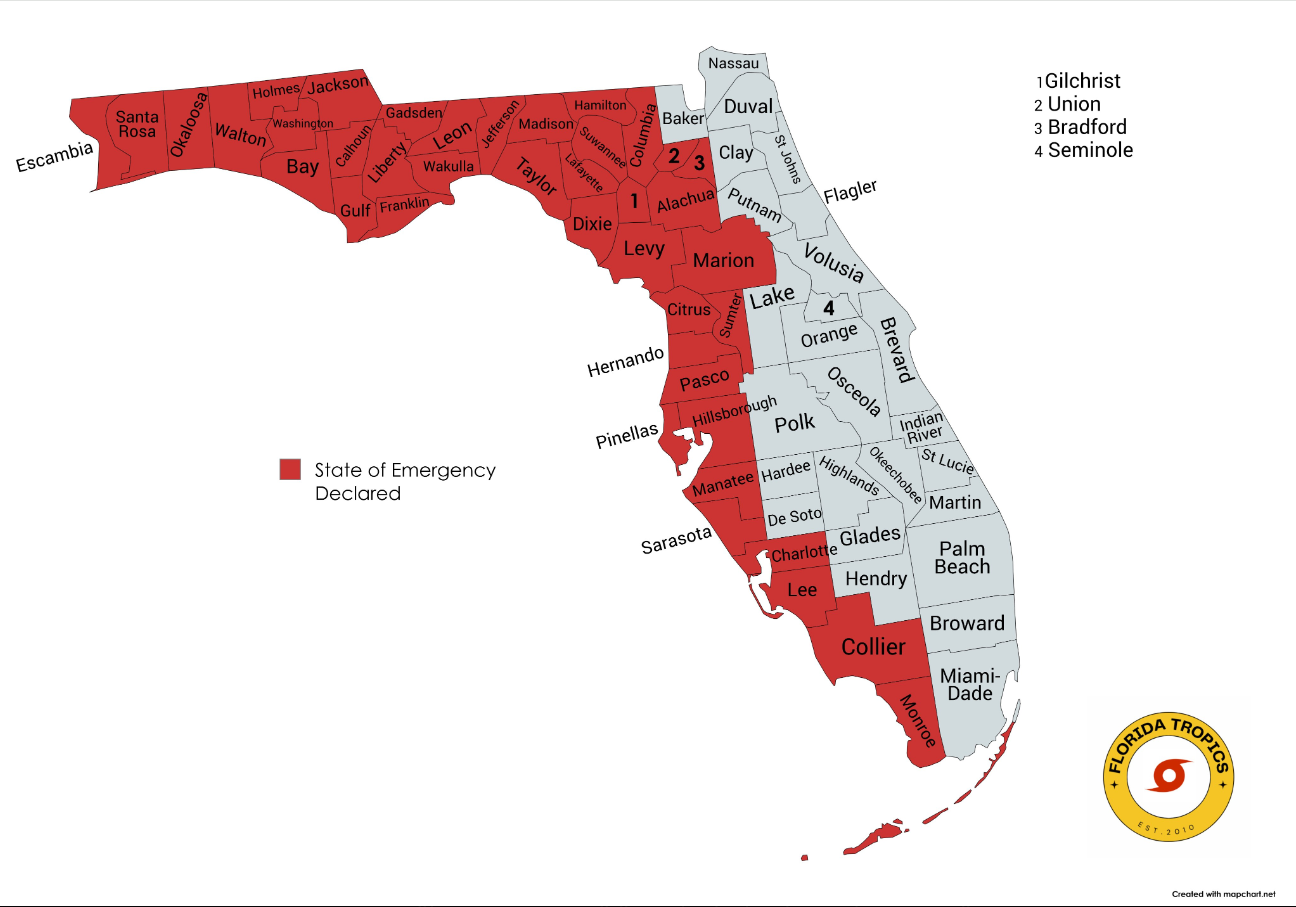
A state of emergency declaration is a serious administrative action that grants the Governor extraordinary powers to direct state agencies, personnel, and resources to respond effectively to a crisis. This could involve deploying the National Guard, suspending certain laws or regulations to expedite aid, or implementing evacuation orders. The primary goal is always to protect life and property. For instance, when a major hurricane like Hurricane Ian or Hurricane Irma threatened or struck, states of emergency were declared for widespread areas, enabling authorities to clear roads, prepare shelters, and coordinate relief efforts efficiently. These declarations are typically county-specific or cover a broader region, depending on the anticipated path and intensity of the threat. It is vital for both residents and visitors to understand the scope and duration of any such declaration.
Beyond hurricanes, other scenarios can trigger an emergency declaration. Public health crises, such as widespread outbreaks of disease, or significant environmental incidents, like large-scale oil spills impacting coastal areas, could also lead to similar declarations. The declaration itself is a signal that public safety is paramount and that specific protocols are being activated to manage the situation. It’s not necessarily an indicator that the entire state is unsafe or closed for tourism, but rather that certain areas or aspects of daily life may be impacted. Travelers should always check official sources, such as the Florida Division of Emergency Management, local county emergency services, and reputable news outlets, to understand the current situation and how it might affect their travel plans.
Florida’s Proactive Approach to Preparedness
Florida has one of the most robust emergency preparedness and response systems in the United States, a necessity born from its frequent encounters with natural disasters. This proactive approach involves extensive planning, regular drills, and public education campaigns aimed at making residents and businesses resilient. Infrastructure is often built to higher standards, and building codes are regularly updated to withstand severe weather. Evacuation routes are clearly marked, and a network of public shelters is established well in advance of hurricane season.
For the tourism sector, this preparedness is particularly important. Hotels, resorts, and attractions throughout the state, from Miami to Orlando and the Florida Keys, have their own comprehensive emergency plans. These plans often include protocols for guest communication, safe sheltering, and evacuation assistance if necessary. Many businesses work closely with local emergency management offices to ensure their procedures align with broader community efforts. This commitment to preparedness helps minimize disruption and facilitates quicker recovery, allowing Florida to bounce back quickly after adverse events and continue to welcome visitors. This resilience is a testament to the state’s dedication to maintaining its status as a premier global destination, even in the face of natural challenges.

The Impact on Travel and Tourism in Florida
When a state of emergency is declared in Florida, particularly due to a hurricane threat, the immediate concern for many is the impact on travel and tourism. While such declarations are designed to ensure safety, they can inevitably lead to significant disruptions for visitors and locals alike.
Navigating Travel Disruptions During an Emergency
The most common and immediate effect of an emergency declaration, especially for weather-related events, is widespread travel disruption. Airports across the state, including major hubs like Miami International Airport, Orlando International Airport, and Tampa International Airport, may experience numerous flight cancellations and delays. Airlines prioritize passenger safety and will often ground flights when severe weather is expected or present. Similarly, cruise lines operating from ports in Fort Lauderdale, Miami, and Port Canaveral may alter itineraries, divert ships to safer waters, or cancel sailings altogether. Passengers with upcoming travel plans should always contact their airline or cruise line directly for the most up-to-date information.
Road travel can also be severely affected. Major interstates and highways, particularly those designated as evacuation routes, can become congested. In some cases, authorities may implement contraflow traffic patterns to facilitate faster evacuations. Local roads might be subject to closures due to flooding, downed trees, or power lines. If you are planning a road trip through Florida during an emergency, it is crucial to monitor traffic conditions and heed any official warnings or mandatory evacuation orders. Staying off the roads during severe weather is always the safest option. For those relying on public transportation, services may also be curtailed or suspended. These disruptions highlight the importance of flexibility and having contingency plans when traveling to Florida during vulnerable periods.

Accommodation and Attraction Closures: What to Expect
Beyond travel, states of emergency often lead to the temporary closure of accommodation and popular attractions. Hotels, resorts, and vacation rentals in affected areas may close their doors to new arrivals, or even require existing guests to evacuate. Some hotels, particularly those designated as hurricane shelters, may remain open to accommodate essential personnel or those seeking refuge, but their services might be limited. It is imperative to confirm your reservation status directly with your accommodation provider and understand their cancellation and refund policies. Properties like the Hyatt Regency Grand Cypress or the Marriott Orlando World Center, while typically robust, will prioritize guest safety during severe weather.
Florida is home to world-famous theme parks, including Walt Disney World Resort, Universal Orlando Resort, Busch Gardens Tampa Bay, and SeaWorld Orlando. During a state of emergency, especially for hurricane threats, these attractions often announce temporary closures to ensure the safety of their guests and staff. For example, Walt Disney World Resort has a well-established protocol for hurricane preparedness, often closing its parks (Magic Kingdom, Epcot, Hollywood Studios, Disney’s Animal Kingdom) ahead of anticipated severe weather. Similarly, Universal Orlando Resort (Universal Studios Florida, Islands of Adventure, Volcano Bay) will follow suit. Other popular destinations like the Kennedy Space Center Visitor Complex or various state and national parks (Everglades National Park, Biscayne National Park, Dry Tortugas National Park) will also close to the public. Prospective visitors should consult the official websites or social media channels of specific attractions for the latest operational updates.
Essential Guidance for Florida Travelers
Visiting Florida promises unforgettable experiences, but knowing how to prepare for and react to potential emergencies is key to a smooth and safe trip. Thoughtful planning can mitigate stress and ensure your safety.
Prioritizing Safety: Before and During Your Trip
The first step in any travel plan, especially to a region prone to specific natural events, is to stay informed. Before departing for Florida, monitor long-range weather forecasts, particularly during hurricane season. Once in the state, keep an eye on local news, weather alerts, and official emergency management advisories. Websites like the Florida Division of Emergency Management and county emergency operations centers provide real-time updates and critical instructions. Sign up for local emergency alerts if available in your destination city, such as Miami, Orlando, or Tampa.
Have a clear emergency plan. Discuss with your travel companions what you would do in various scenarios. Identify evacuation routes from your accommodation and know the location of designated public shelters if an evacuation order is issued. Pack a small emergency kit with essential items: non-perishable food, water, a first-aid kit, medications, a flashlight, batteries, and a battery bank for charging devices. Keep important documents (identification, insurance policies, booking confirmations) in a waterproof bag. If an evacuation order is given for your area, comply immediately. Emergency services prioritize the safety of everyone, and their directives are for your protection. Remember that safety always takes precedence over sightseeing.
Travel Insurance and Flexible Bookings: Your Best Allies
One of the most valuable investments for any trip to Florida, particularly during the hurricane season, is comprehensive travel insurance. Many policies offer coverage for trip cancellations or interruptions due to natural disasters, medical emergencies, or unforeseen events. Read the fine print carefully to understand what is covered, as some policies may have specific exclusions or require purchasing coverage before a storm is named. Having robust travel insurance can provide peace of mind and protect your financial investment in your vacation should an emergency force changes to your plans.
Alongside travel insurance, opting for flexible booking options for flights, hotels, and car rentals can be incredibly beneficial. Many airlines and accommodation providers offer flexible change or cancellation policies, sometimes for an additional fee. This flexibility allows you to adjust your plans without significant financial penalties if a state of emergency arises. Before booking, check the cancellation policies of resorts like The Ritz-Carlton, Amelia Island or Hard Rock Hotel Daytona Beach or any other specific accommodation you intend to book. This proactive approach ensures that if a state of emergency affects your chosen destination like Key West, St. Petersburg, or Daytona Beach, you have the freedom to postpone or reroute your trip without incurring major losses.
Beyond the Headlines: Florida’s Enduring Allure
Despite the occasional challenges posed by states of emergency, Florida’s appeal as a premier travel destination remains undiminished. Its unique blend of natural beauty, cultural richness, and entertainment options ensures its enduring popularity.
The Resilience of Florida’s Tourism Industry
The tourism industry in Florida is remarkably resilient. After natural disasters, there is a collective effort from state and local governments, businesses, and communities to rebuild and recover swiftly. Many iconic landmarks and attractions are meticulously maintained and quickly restored to their pristine condition. For instance, the beautiful beaches of the Gulf Coast in areas like Naples and Sarasota, or the historic streets of St. Augustine with its impressive Castillo de San Marcos, quickly welcome visitors back once safe. This resilience is fueled by a strong desire to continue sharing Florida’s wonders with the world and supported by a robust infrastructure designed to withstand and recover from adverse events.
The state’s proactive disaster preparedness and recovery efforts mean that disruptions are often localized and temporary. While a particular region might be recovering, other parts of the state may be entirely unaffected and operating as usual. This vast geographical diversity means that even during an emergency declaration in one area, much of Florida remains open and ready to welcome visitors. This continuous commitment to safety and recovery helps maintain Florida’s reputation as a trustworthy and enjoyable place to visit, ensuring that its vibrant tourism sector continues to thrive and provide unparalleled experiences year after year.
Discovering Florida’s Iconic Destinations and Experiences
From the thrilling rides of Orlando’s theme parks to the serene natural beauty of its national parks, Florida offers an incredibly diverse range of experiences. Beyond Walt Disney World Resort and Universal Orlando Resort, visitors can explore the vibrant art deco architecture of South Beach in Miami, delve into the unique ecosystem of Everglades National Park, or relax on the pristine sands of Clearwater Beach. The historic charm of St. Augustine, the laid-back atmosphere of the Florida Keys, and the family-friendly attractions of Tampa (home to Busch Gardens Tampa Bay) all contribute to the state’s magnetic draw.
For those seeking a more luxurious escape, exclusive resorts in places like Boca Raton or Naples offer world-class amenities and services. Budget travelers can find numerous options for affordable accommodation and free activities, ensuring Florida caters to every preference and budget. Whether it’s a family trip to see the marine life at SeaWorld Orlando or a quiet retreat to the barrier islands of Captiva Island and Sanibel Island, the state consistently delivers memorable moments. The variety of destinations and experiences ensures that even with the occasional need for emergency declarations, Florida remains a top-tier choice for travelers from around the globe.
In conclusion, while the question “Is Florida In A State Of Emergency?” can sometimes reflect a temporary reality for certain regions, it rarely defines the entire state’s status or its long-term appeal. Florida’s preparedness, resilience, and diverse offerings ensure that it continues to be a vibrant and welcoming destination. By staying informed, planning wisely, and prioritizing safety, visitors can confidently enjoy the endless sunshine and extraordinary experiences that the Sunshine State perpetually offers.