
Florida, often dubbed the Sunshine State, beckons millions of travelers each year with its pristine beaches, world-famous theme parks, vibrant cities, and unique cultural experiences. From the thrilling roller coasters of Orlando to the historic streets of St. Augustine and the lively nightlife of Miami, there’s an adventure for every type of explorer. However, amidst all the excitement of planning a trip to this popular destination in the United States, a common question arises that can impact itineraries and travel plans significantly: “Is Florida in the Eastern Time Zone?”
The answer, while seemingly straightforward, carries a nuance that is crucial for travelers, particularly those crossing state lines or exploring different regions within Florida itself. The majority of Florida indeed operates on Eastern Time, adhering to the standard Eastern Time Zone (ET). This encompasses most of the state’s major tourist hubs, bustling metropolitan areas, and iconic landmarks. However, a significant portion of its westernmost region, known as the Florida Panhandle, observes the Central Time Zone (CT). This geographical split can lead to confusion if not accounted for, potentially causing missed flights, late check-ins, or misinterpretations of scheduled activities.
Understanding these time zone distinctions is paramount for anyone planning a visit, ensuring a seamless and stress-free travel experience. Whether you’re flying into Miami International Airport, exploring the magic of Walt Disney World Resort, or relaxing on the white sands of Destin, knowing the local time will make all the difference in managing your travel logistics, hotel bookings, and attraction visits.
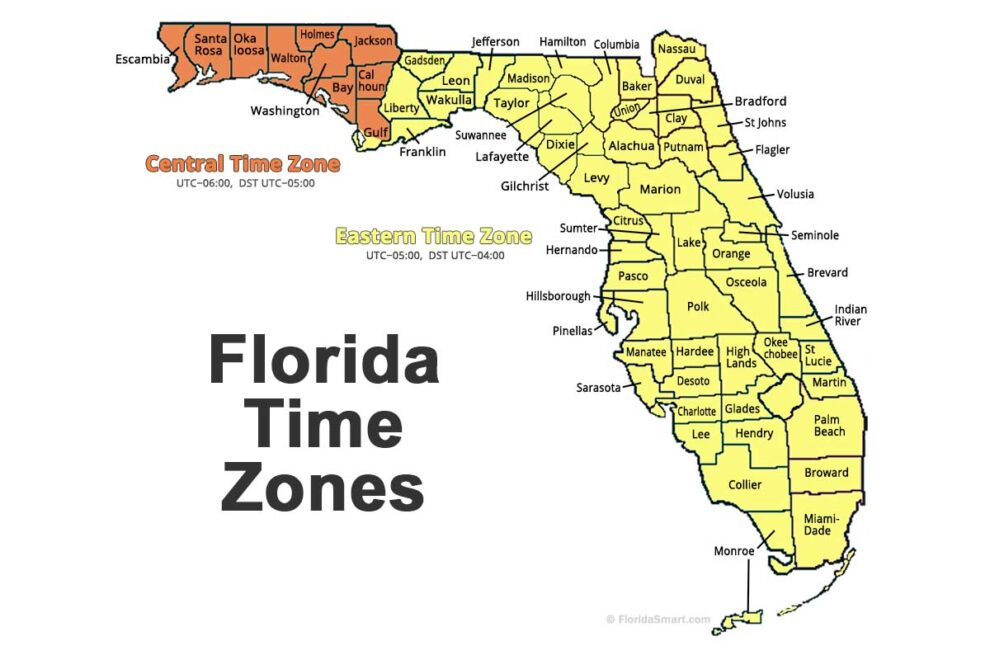
The Geographic Reality: Florida’s Dual Time Zones
Florida’s unique geographical shape, stretching far to the west along the Gulf of Mexico in its northern region, naturally lends itself to the existence of two distinct time zones. This division is not arbitrary but historically and practically determined by longitudinal lines and proximity to other states observing similar time standards.
Eastern Time Zone (ET) Dominance
The vast majority of Florida, covering its peninsula and extending up to the central part of the panhandle, falls within the Eastern Time Zone. This zone is typically five hours behind Coordinated Universal Time (UTC-5), transitioning to Eastern Daylight Time (EDT, UTC-4) during Daylight Saving Time from March to November.
This means that if you are planning a trip to any of Florida’s most famous destinations, you will almost certainly be operating on Eastern Time. This includes the major tourism powerhouses such as Orlando, home to Walt Disney World Resort and Universal Orlando Resort, and Miami, renowned for its South Beach and vibrant Art Deco Historic District. Other significant cities and regions observing Eastern Time include Tampa and St. Petersburg on the Gulf Coast, Jacksonville in Northeast Florida, Fort Lauderdale and Palm Beach along the Atlantic Ocean, and the entirety of the Florida Keys, stretching down to Key West.
For most visitors, this is the time zone they will encounter, simplifying arrangements for hotels like The Breakers Palm Beach or resorts in Amelia Island such as Ritz-Carlton, Amelia Island. The consistency across these popular regions ensures that travelers can easily coordinate activities, from morning excursions in Everglades National Park to evening shows at Disney Springs or Universal CityWalk.
The Panhandle Exception: Central Time Zone (CT)
While the majority of Florida adheres to Eastern Time, a distinct portion of the panhandle operates on Central Time Zone. This time zone is typically six hours behind Coordinated Universal Time (UTC-6), shifting to Central Daylight Time (CDT, UTC-5) during Daylight Saving Time. The dividing line largely follows the Apalachicola River.
Specifically, the counties west of the Apalachicola River observe Central Time. These include Escambia, Santa Rosa, Okaloosa, Walton, Holmes, Washington, and the western parts of Bay County. This means prominent cities and popular vacation spots like Pensacola, Destin, Fort Walton Beach, and most of Panama City Beach are one hour behind the rest of the peninsula.
Travelers exploring the stunning emerald coast beaches of the Florida Panhandle must be mindful of this time difference. For instance, if you’re driving from Tallahassee (ET) to Pensacola (CT), you will gain an hour as you travel west across the time zone boundary. Conversely, traveling east will mean losing an hour. This can significantly impact arrival times for flights into Pensacola International Airport or reservations for hotels and activities in Destin or Panama City Beach. While the Panhandle might offer a slightly different pace and distinct cultural influences compared to South Florida, its time zone remains an important practical consideration for visitors.
Navigating Time for Your Florida Adventure
Understanding Florida’s time zones isn’t just a matter of trivia; it’s a critical component of successful trip planning. Miscalculating local time can lead to a cascade of inconveniences, from missed appointments to altered travel schedules. For the savvy traveler, being aware of these distinctions ensures a smoother and more enjoyable journey.
Planning Your Itinerary and Bookings
When piecing together your dream Florida itinerary, pay close attention to the time zone of each location you plan to visit. This is especially vital for:
- Flights: Always confirm the time zone of your departure and arrival airports. A flight landing in Pensacola (CT) from Orlando (ET) might arrive an hour earlier than expected according to your body clock, or conversely, a flight departing from Panama City Beach to Atlanta could feel like it leaves later than anticipated from an ET perspective.
- Hotel Check-ins and Check-outs: Most hotels, from luxury resorts to budget-friendly apartments, strictly adhere to local check-in and check-out times. Confirming the time zone ensures you arrive within the designated window and avoid late fees or unexpected delays. Booking accommodations like those found on Accommodation websites requires meticulous attention to these details.
- Attraction and Tour Bookings: Whether you’re heading to EPCOT, planning a swamp tour in the Everglades, or a fishing charter off Key West, all scheduled activities operate on local time. Double-check your confirmation details to ensure you don’t miss out on pre-booked experiences.
- Restaurant Reservations: From fine dining in South Florida to casual seafood shacks in the Panhandle, restaurant reservations are time-sensitive. A one-hour difference can mean missing your table.
- Business Stays: For those traveling to Florida for work, aligning meeting schedules across different time zones, especially with colleagues located in the Panhandle or other parts of North America, is crucial for effective communication and productivity.
For road trips spanning both time zones, it’s particularly important to mentally (or physically, by adjusting your watch) “spring forward” or “fall back” as you cross the Apalachicola River. Modern smartphones and GPS devices typically update automatically, which is a blessing, but it’s always wise to be aware of the shift.
Daylight Saving Time (DST) in the Sunshine State
Like the majority of the United States, Florida observes Daylight Saving Time. This means that on the second Sunday in March, clocks “spring forward” one hour, and on the first Sunday in November, they “fall back” one hour. During this period, Eastern Time becomes Eastern Daylight Time (EDT), and Central Time becomes Central Daylight Time (CDT).
This annual change introduces another layer of consideration for travelers. While the relative one-hour difference between Eastern and Central Time in Florida remains constant, the absolute shift can affect perceptions of time, especially for outdoor activities, sunrise/sunset viewing, and travel to/from international destinations.
For instance, during summer, Daylight Saving Time means longer daylight hours in the evening, which is perfect for enjoying Clearwater Beach’s sunsets or evening strolls in Miami Beach. However, it also means later sunrises, which might impact early morning excursions like fishing trips or visits to wildlife parks. Always check the exact dates for DST transitions if your trip falls around these periods to ensure your internal clock and scheduled activities are perfectly aligned. Proposals to make Daylight Saving Time permanent in Florida have been discussed, but as of now, the state continues to observe the biannual clock change.
Beyond Time Zones: What Makes Florida a Premier Destination?
While understanding Florida’s time zones is a practical necessity, it’s just one small piece of what makes the Sunshine State an unparalleled travel destination. Its diverse offerings cater to virtually every type of traveler, making it a perennial favorite for both domestic and international visitors. The strategic planning, including time zone awareness, simply enhances the overall experience of enjoying all that Florida has to offer.
Travel and Destinations: Florida’s geographical diversity is a major draw. From the subtropical paradise of South Florida and the Florida Keys to the natural beauty of Central Florida’s springs and the historic charm of North Florida, each region offers a unique flavor. Travelers can explore the vibrant urban landscape of Miami, the family-friendly excitement of Orlando, the laid-back beach towns of the Panhandle, or the cultural richness of cities like Sarasota and Fort Myers.
Attractions: Florida is synonymous with world-class attractions. Beyond Walt Disney World Resort (Magic Kingdom, EPCOT, Hollywood Studios, Animal Kingdom) and Universal Orlando Resort (Universal Studios Florida, Islands of Adventure, Volcano Bay), visitors can marvel at space exploration at the Kennedy Space Center Visitor Complex, encounter marine life at SeaWorld Orlando or Busch Gardens Tampa Bay, or unleash their inner child at LEGOLAND Florida Resort. The state’s natural attractions are equally compelling, from the unique ecosystem of Everglades National Park to the underwater wonders of Biscayne National Park and the remote beauty of Dry Tortugas National Park.

Hotels and Accommodation: The lodging options in Florida are as varied as its landscapes. Travelers can indulge in luxury suites at five-star resorts, enjoy family-friendly amenities at expansive hotels, opt for charming boutique apartments in historic districts, or experience the privacy of a beachfront villa. From the iconic elegance of The Breakers Palm Beach to the tranquil luxury of Ritz-Carlton, Amelia Island, or the practical comfort of chain hotels near theme parks, there is a perfect stay for every budget and preference, easily discoverable through effective booking and comparison tools.
Tourism and Local Culture: Florida’s tourism goes beyond the theme parks. It’s a place where diverse cultures thrive. Explore the vibrant Cuban heritage in Little Havana in Miami, discover the Spanish colonial history of St. Augustine with landmarks like Castillo de San Marcos, or savor the fresh seafood culture along the coasts. Foodies will delight in the fusion of flavors, from fresh Florida stone crab to authentic Latin American cuisine. Local markets, art festivals, and music events offer glimpses into the state’s lively spirit.
Landmarks: Beyond man-made marvels, Florida boasts significant natural and historical landmarks. The breathtaking Everglades ecosystem, the historic lighthouses dotting its coastline, the springs of Central Florida, and the architectural gems of Miami Beach’s Art Deco Historic District all tell a story of natural wonder and human history. These sites offer profound experiences, whether you’re exploring ancient forts or spotting wildlife in their natural habitat.

Lifestyle: Florida caters to various travel lifestyles. It’s a haven for luxury travelers seeking exclusive resorts and high-end dining, a paradise for families looking for action-packed adventures, and a serene escape for those on a budget seeking beautiful beaches and natural parks. Its infrastructure also supports business stays with numerous conference facilities and executive accommodations, making it a versatile destination that blends leisure with professional opportunities.
In conclusion, while the question “Is Florida in the Eastern Time Zone?” is best answered with “mostly, but check the Panhandle,” this small detail pales in comparison to the grand tapestry of experiences awaiting visitors. With careful planning and an awareness of these time zone nuances, your journey through Florida will be as smooth and sun-drenched as the state itself. So set your watches, pack your bags, and get ready to discover why millions fall in love with the Sunshine State every year.
LifeOutOfTheBox is a participant in the Amazon Services LLC Associates Program, an affiliate advertising program designed to provide a means for sites to earn advertising fees by advertising and linking to Amazon.com. Amazon, the Amazon logo, AmazonSupply, and the AmazonSupply logo are trademarks of Amazon.com, Inc. or its affiliates. As an Amazon Associate we earn affiliate commissions from qualifying purchases.