
Florida, often dubbed the “Sunshine State,” holds a unique and increasingly prominent position in the American political landscape. While historically considered a quintessential swing state, particularly in presidential elections, Florida has in recent years cemented its identity as a strong Republican stronghold. This shift has profound implications, not just for national politics, but also for the state’s vibrant tourism industry, its diverse communities, and the overall lifestyle experienced by both residents and millions of annual visitors. Understanding this political leaning is crucial for anyone looking to truly grasp the essence of Florida, from its major metropolitan hubs to its quaint coastal towns and sprawling natural parks.
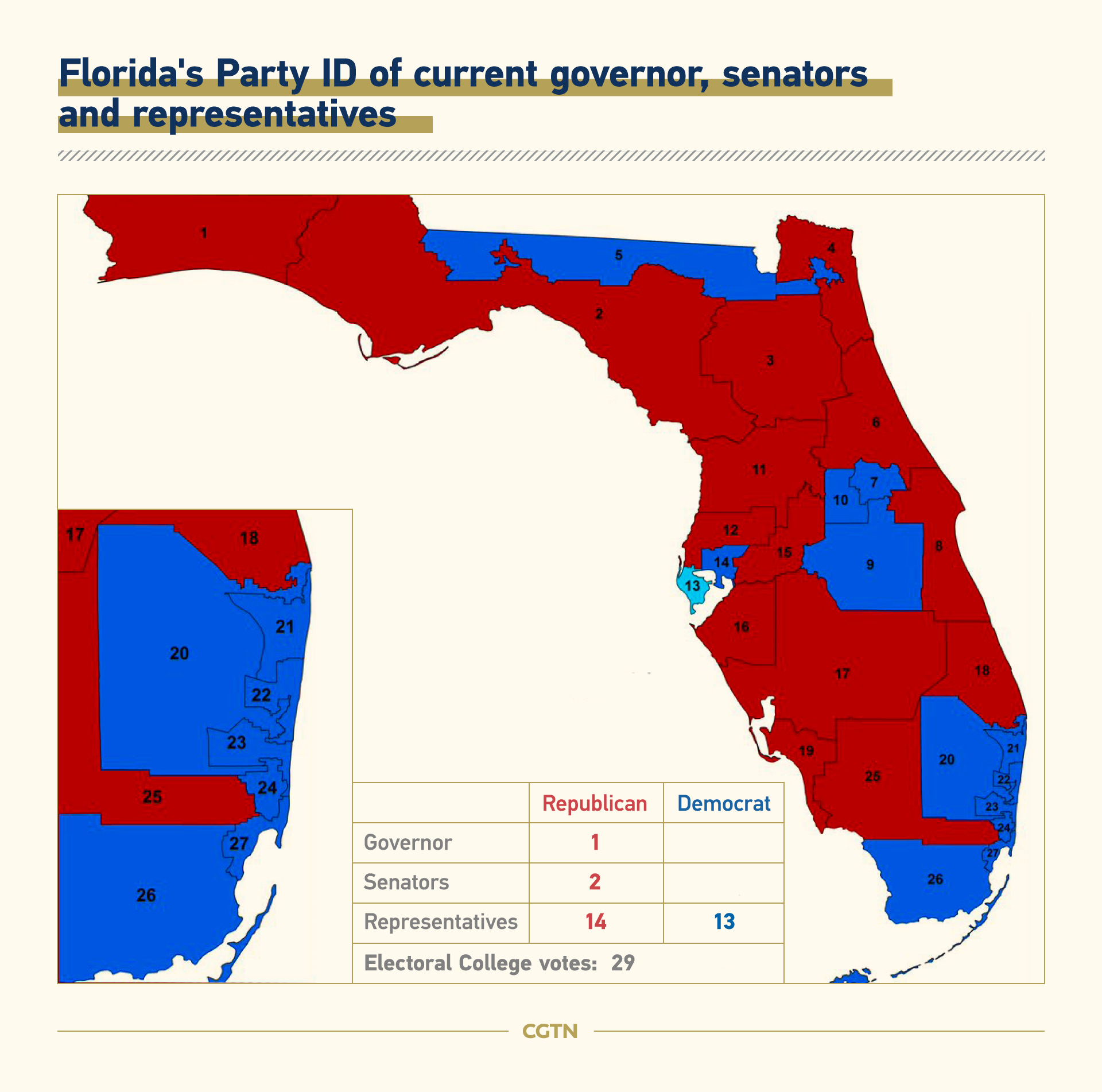
Understanding Florida’s Political Landscape
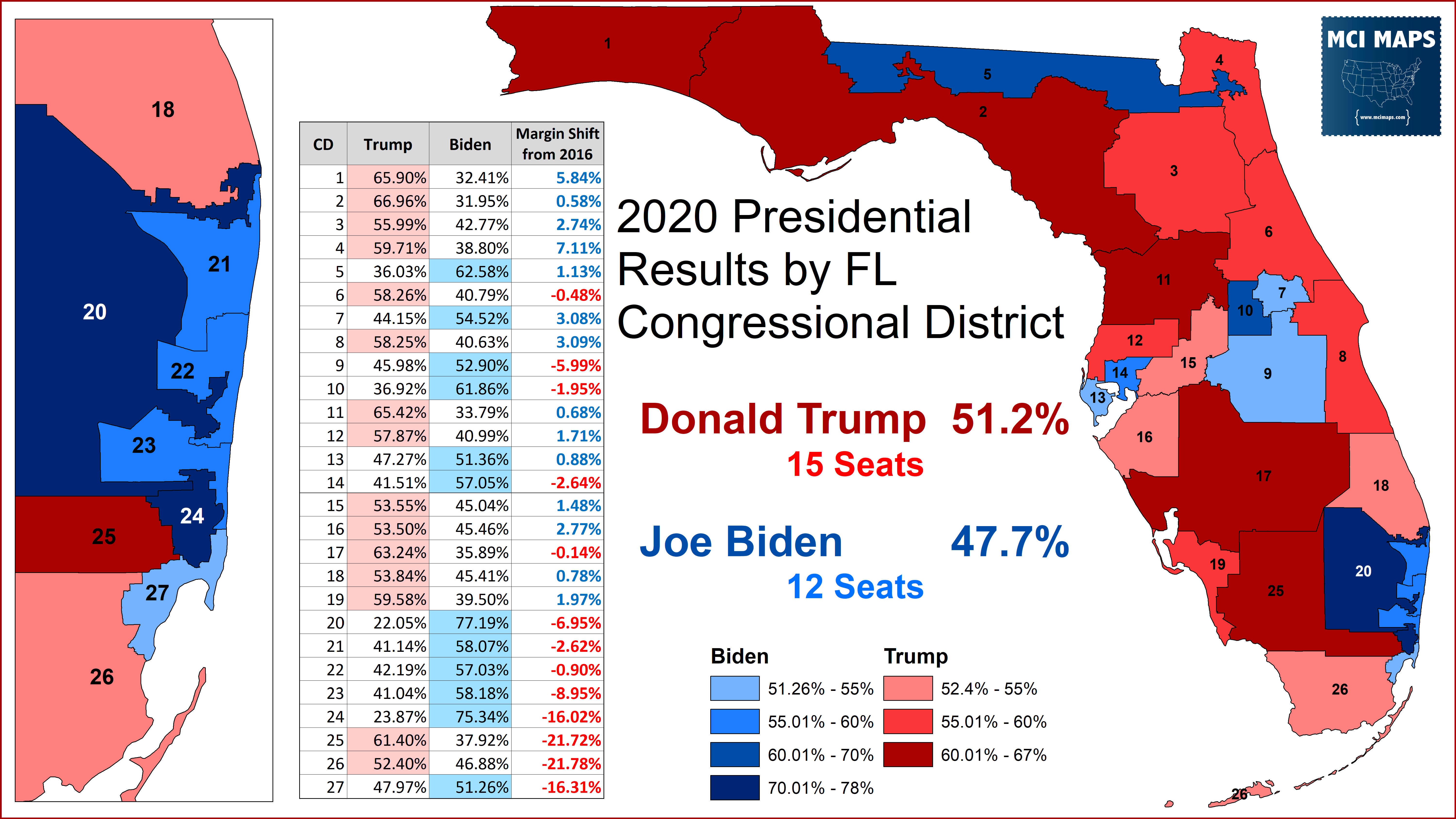
Florida’s political identity is complex, a tapestry woven from diverse demographics, economic interests, and historical trends. For decades, the state was the ultimate battleground, often deciding the fate of presidential elections with razor-thin margins. However, recent election cycles have seen a significant transformation, solidifying Florida’s status as a predominantly Republican state.
The Shifting Sands of Florida’s Electorate
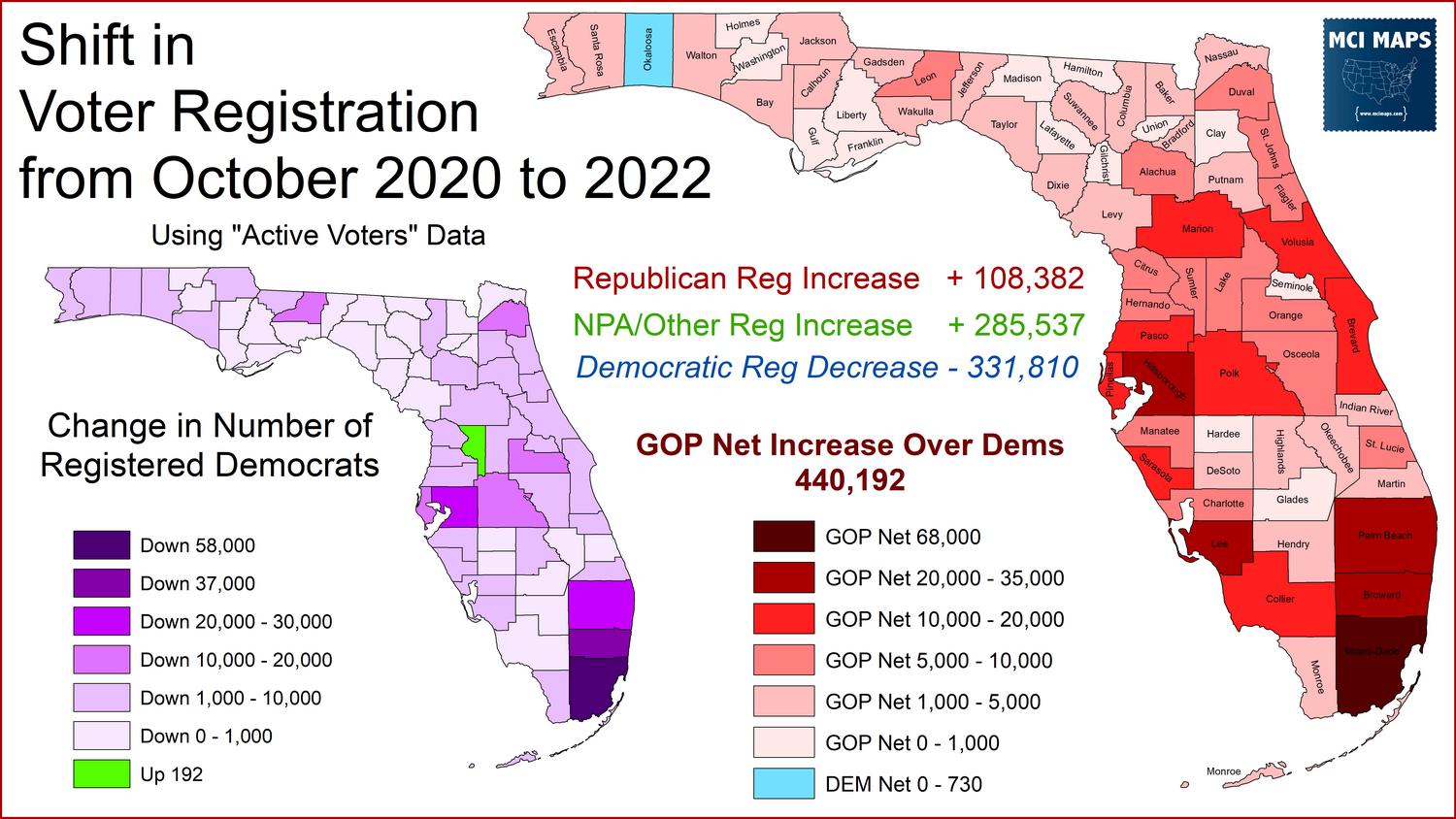
Historically, Florida’s politics were characterized by a robust Democratic presence, particularly in the south and among its large senior population. The influx of retirees from the Northeast and Midwest, often with varied political backgrounds, contributed to this swing state dynamic. However, several factors have contributed to the recent shift rightward. A substantial migration of people from other states, particularly those seeking a different economic or social climate, has brought in a significant number of new residents who often lean conservative. Furthermore, the growing Cuban-American population, historically anti-communist, has increasingly aligned with the Republican Party.
The state’s leadership, including its Governor and legislative bodies, is firmly Republican, leading to the enactment of policies that reflect conservative values. This dominance extends from Tallahassee, the state capital, down to many county and municipal governments. While areas like Miami-Dade County and parts of Broward County in South Florida still exhibit strong Democratic leanings, they are increasingly outnumbered by the conservative majorities found across the Florida Panhandle, the Gulf Coast, and much of Central Florida outside of the immediate Orlando area. This political landscape influences everything from local ordinances to major state-wide initiatives, subtly (and sometimes not so subtly) shaping the environment for both residents and visitors.
Key Political Hotbeds and Their Influence
Florida’s political leanings aren’t uniform across its vast geography. Understanding these regional differences can provide valuable insights for travelers and those considering relocation.
- South Florida (Miami, Fort Lauderdale, West Palm Beach): This region, particularly Miami and Fort Lauderdale, remains a Democratic stronghold, albeit with significant Republican pockets, especially among certain Latino communities. It’s a vibrant, diverse, and culturally rich area known for its nightlife, South Beach glamour, and the Art Deco Historic District. The political discourse here is often more progressive on social issues, reflecting its multicultural population and strong international ties.
- Central Florida (Orlando, Tampa, St. Petersburg): This dynamic region, anchored by the massive tourism industries of Orlando (home to Walt Disney World Resort and Universal Orlando Resort) and the growing metropolitan areas of Tampa and St. Petersburg, is a fascinating blend. While the urban centers lean more Democratic due to younger populations, service industry workers, and diverse communities, the surrounding suburban and rural areas tend to be strongly Republican. This blend makes Central Florida a microcosm of the state’s broader political shifts. Attractions like Busch Gardens Tampa Bay contribute to its appeal, attracting families and adventure seekers.
- North Florida and the Panhandle (Jacksonville, Pensacola): This area, geographically and culturally closer to the American South, is a Republican heartland. Cities like Jacksonville are growing rapidly and are key to the state’s conservative base. The lifestyle here is often more traditional, with a focus on outdoor activities, fishing, and a strong sense of community. The historic Castillo de San Marcos in St. Augustine offers a glimpse into this region’s rich past.
- The Southwest Coast (Naples, Sarasota): This region, including Naples and Sarasota, is another conservative stronghold, largely due to its affluent retiree population. It’s known for its pristine beaches, luxury living, and cultural attractions like the Salvador Dalí Museum in St. Petersburg. The political climate here often prioritizes economic growth, lower taxes, and community safety.
The Intersection of Politics and Lifestyle for Travelers
For visitors to Florida, the state’s political climate can subtly or overtly influence their experience. While many travelers focus solely on the sun, sand, and attractions, an awareness of the prevailing political winds can help shape expectations and inform choices, particularly for those looking for specific cultural or lifestyle experiences.
Diverse Lifestyles Across the Sunshine State
Florida is not monolithic. Its distinct regions offer varying lifestyles, often correlating with political leanings. For instance, the progressive, artsy vibe of Key West stands in contrast to the more traditional communities found inland or in the Panhandle. Travelers seeking vibrant LGBTQ+ scenes, diverse culinary experiences, or avant-garde arts will find them more concentrated in cities like Miami, Fort Lauderdale, or St. Petersburg. These areas tend to have more liberal local policies that foster such environments.
Conversely, those seeking a more family-centric, traditional vacation, perhaps focused on theme parks or quiet beach towns, might find the broader conservative ethos of the state aligns well with their preferences. The emphasis on parental rights in education, for example, can be seen by some families as a positive aspect of the state’s lifestyle. Luxury travelers might find the high-end resorts and exclusive communities in places like Naples or Palm Beach cater to a particular demographic that appreciates the state’s business-friendly, lower-tax environment.
Navigating Local Culture and Political Nuances
While the vast majority of tourism interactions in Florida are purely transactional and focused on enjoyment, some visitors may find themselves more attuned to the local cultural and political nuances. Recent legislation regarding education, LGBTQ+ rights, and environmental protection has garnered national attention and, for some travelers, become a factor in their destination choices.
For example, travelers who prioritize destinations with strong environmental protections might look more closely at areas surrounding Everglades National Park or the Florida Keys, where conservation efforts are critical, and sometimes subject to political debate. Similarly, individuals from marginalized communities might research local attitudes and policies in different cities to ensure a welcoming and inclusive experience. Most major tourist destinations in Florida, such as Orlando’s theme parks or Miami’s luxury hotels, are designed to be universally welcoming, often transcending local political sentiments to provide a diverse and inclusive experience for all guests. However, being aware of the broader state-level climate can help travelers choose destinations that best align with their personal values and expectations for a vacation.
Impact on Tourism and Hospitality
Florida’s economy is heavily reliant on tourism, making the relationship between politics and the hospitality sector particularly crucial. Government policies can directly affect visitor numbers, investment in infrastructure, and the overall appeal of the state as a travel destination.
Economic Policies and the Tourism Sector
The Republican-led government in Florida generally favors policies aimed at fostering economic growth, reducing regulations, and maintaining a business-friendly environment. For the hospitality industry, this often translates into lower taxes, streamlined permitting processes for new developments, and a focus on attracting investment. This approach has supported the continuous expansion of major tourist hubs, from new attractions at Walt Disney World Resort to the proliferation of luxury hotels and resorts along the coasts. Developers and major hotel chains, such as Hyatt, Marriott, and Hilton, often benefit from these policies, making Florida an attractive place for large-scale tourism projects.
However, certain policies have also sparked debate within the tourism sector. Labor laws, for instance, can impact the workforce serving the millions of tourists. Additionally, the state’s stance on various social issues, while appealing to some demographics, may deter others, leading to a complex calculus for tourism marketers trying to appeal to a broad national and international audience. Despite these nuances, Florida’s sheer volume of attractions, from its pristine beaches to its world-class theme parks, often outweighs political considerations for the majority of travelers focused purely on recreation and relaxation. The Kennedy Space Center, for example, continues to draw visitors regardless of political winds, as does the allure of deep-sea fishing in the Florida Keys or exploring the historic charm of St. Augustine.
Environmental Policies and Florida’s Natural Wonders
Florida is defined by its unique and fragile ecosystems, from the Everglades wetlands to its extensive coastline and coral reefs. Environmental policies, which often become political battlegrounds, directly impact the preservation of these natural wonders that are huge draws for tourism. A state’s approach to climate change, water quality, and land development can have significant long-term effects on its natural landmarks and outdoor activities.
Republican administrations in Florida have sometimes been criticized for policies that prioritize development over environmental protection, while also investing in specific conservation efforts. For eco-tourists and nature enthusiasts, understanding these policies can be paramount. The health of Florida’s springs, the biodiversity of its state parks, and the resilience of its coastal communities against rising sea levels are all tied to political decisions. Visitors coming to experience the manatees in Crystal River, or to explore the remote beauty of Dry Tortugas National Park, are directly impacted by the effectiveness of these environmental stewardship efforts. The ongoing balance between economic development and ecological preservation remains a critical political and social issue in Florida, shaping the future of its most cherished natural assets.
Choosing Your Florida Experience: Beyond the Political Divide
Ultimately, Florida offers an incredibly diverse range of experiences that cater to almost every type of traveler. While its political identity is increasingly defined, the state’s enduring appeal often transcends these distinctions, drawing visitors for its universal charm, natural beauty, and unparalleled entertainment options.
Embracing Florida’s Universal Allure
Regardless of political leanings, Florida’s fundamental attractions remain universally appealing. The miles of sun-drenched beaches along both the Atlantic and Gulf Coasts, the thrilling theme parks of Orlando, the vibrant cultural scene of Miami, and the serene beauty of its natural preserves continue to be magnetic draws. Families, couples, solo adventurers, and luxury seekers alike can find their perfect vacation. From budget-friendly motel stays to opulent Ritz-Carlton resorts, the state’s accommodation options are as varied as its landscapes.
Whether you’re looking to explore the historic Spanish architecture of St. Augustine, dive into the clear waters of the Florida Keys, or enjoy world-class shopping in Palm Beach, Florida’s hospitality industry is geared towards providing exceptional experiences for all. The state’s appeal lies in its ability to offer an escape, an adventure, or a relaxing retreat, often making political considerations secondary to the desire for sunshine and enjoyment.
Planning Your Politically-Aware Trip
For those who wish to consider the political climate in their travel planning, a nuanced approach is key. Researching specific cities and regions can provide a clearer picture of local sentiments and policies, which might differ significantly from the state-level narrative. For instance, a traveler seeking a particularly progressive environment might prioritize St. Petersburg or Key West, while someone prioritizing a conservative, family-friendly atmosphere might look towards the Panhandle or inland communities.
However, it’s also important to remember that the vast majority of service providers in Florida’s tourism sector are dedicated to providing excellent service to all guests, regardless of their background or political views. Hotels, restaurants, and attractions operate in a service-oriented economy where inclusivity and guest satisfaction are paramount. By focusing on the specific experiences desired – be it a wildlife safari in the Everglades, a thrilling ride at Universal Orlando Resort, or a quiet week on a Sarasota beach – travelers can ensure a fulfilling and memorable trip to the Sunshine State, navigating its complexities with awareness and appreciation for its diverse offerings. Florida’s vibrant spirit and countless attractions continue to beckon, promising an unforgettable journey for all who visit.
LifeOutOfTheBox is a participant in the Amazon Services LLC Associates Program, an affiliate advertising program designed to provide a means for sites to earn advertising fees by advertising and linking to Amazon.com. Amazon, the Amazon logo, AmazonSupply, and the AmazonSupply logo are trademarks of Amazon.com, Inc. or its affiliates. As an Amazon Associate we earn affiliate commissions from qualifying purchases.