
The allure of Florida is undeniable. From the sun-drenched beaches of the Gulf Coast to the vibrant theme parks of Orlando, the Sunshine State beckons millions of travelers each year. Its diverse offerings, ranging from the natural wonders of the Everglades to the historic charm of St. Augustine, cater to every kind of adventurer. Whether you’re seeking a luxurious escape at a Miami resort, a family-friendly vacation near Walt Disney World, or a budget-friendly exploration of its unique culture, Florida promises an unforgettable experience. However, as with any popular destination, questions about safety inevitably arise. This comprehensive guide aims to address those concerns, exploring the various facets of safety in Florida to help you plan your trip with confidence.

Navigating the Sunshine State: Understanding Safety Considerations
When embarking on a journey to Florida, understanding the general safety landscape is paramount. This involves being aware of common issues that can affect tourists, as well as recognizing the measures in place to ensure a secure visit. The state is a sprawling destination, and safety can vary slightly depending on the specific region you plan to explore. From bustling metropolitan areas like Miami and Tampa to quieter coastal towns and the expansive natural reserves, each area presents its own unique considerations.
Personal Safety and Crime
Like any populous state, Florida experiences crime. However, it’s crucial to distinguish between the overall crime rate and the likelihood of a tourist being a victim. Major tourist areas are typically well-policed, and law enforcement agencies are accustomed to handling large numbers of visitors. The most common crimes affecting tourists tend to be petty offenses such as pickpocketing, purse snatching, and car break-ins, particularly in crowded areas or unattended parking lots.
Florida has specific laws and initiatives aimed at protecting visitors. For instance, many tourist destinations have dedicated police patrols or partnerships with local law enforcement to enhance security. When visiting popular attractions like Universal Orlando Resort or Busch Gardens Tampa Bay, you’ll often find visible security personnel and advanced surveillance systems.
To mitigate risks, standard travel precautions are highly recommended. This includes:
- Awareness of Surroundings: Being mindful of your environment, especially in crowded places or at night, is crucial.
- Securing Valuables: Avoid displaying large amounts of cash or expensive jewelry. Utilize hotel safes for passports and significant sums of money.
- Locking Vehicles: Always lock your car doors and never leave valuables visible inside.
- Avoiding Risky Situations: Stick to well-lit and populated areas, particularly after dark. Be cautious of unsolicited offers or interactions that seem too good to be true.
- Staying Informed: Keep abreast of any local advisories or news that might affect your travel plans.
For those considering a stay in more residential areas or seeking a more in-depth exploration beyond the main tourist hubs, researching the specific safety of the neighborhoods you plan to visit is advisable. Resources like local police department websites or reputable travel forums can offer insights.
Natural Hazards and Environmental Safety
Florida‘s unique geography, characterized by its extensive coastline, low elevation, and subtropical climate, exposes it to certain natural hazards. Understanding these risks and taking appropriate precautions is an essential part of ensuring a safe and enjoyable trip.
Hurricanes and Tropical Storms
The most significant natural hazard in Florida is hurricanes. The Atlantic hurricane season runs from June 1st to November 30th, with the peak typically occurring from August to October. These powerful storms can bring high winds, heavy rainfall, storm surges, and widespread flooding, impacting travel, accommodation, and outdoor activities.
- Preparation is Key: If traveling during hurricane season, it’s vital to monitor weather forecasts closely. Many hotels and resorts, such as the Ritz-Carlton properties or Marriott hotels across the state, have robust hurricane preparedness plans. These often include evacuation procedures, back-up power, and communication protocols.
- Travel Insurance: Consider purchasing travel insurance that covers trip cancellations or interruptions due to weather events.
- Follow Official Guidance: In the event of a storm warning, always heed the advice of local authorities and emergency management agencies. Evacuation orders should be taken seriously.
Extreme Heat and Sun Exposure
Florida‘s sunshine is a major draw, but it also means intense heat and strong UV rays, especially during the summer months. Heat-related illnesses, such as heatstroke and dehydration, are a real concern.
- Stay Hydrated: Drink plenty of water throughout the day, even if you don’t feel thirsty.
- Seek Shade: Take breaks in air-conditioned environments or shaded areas, especially during the hottest parts of the day (typically 10 AM to 4 PM).
- Sun Protection: Wear sunscreen with a high SPF, a wide-brimmed hat, and sunglasses.
- Pace Yourself: If engaging in strenuous activities, such as hiking in the Everglades National Park or exploring Key West, do so during the cooler parts of the morning or late afternoon.
Water Safety
With its vast coastline, numerous lakes, and spring-fed rivers, water activities are central to the Florida experience. However, water safety is paramount.
- Ocean Swimming: Be aware of rip currents, especially on the Atlantic coast. Swim in designated areas with lifeguard presence whenever possible. Observe warning flags posted on beaches.
- Boating and Water Sports: If renting a boat or participating in activities like jet skiing or paddleboarding, ensure you are familiar with safety regulations and wear life vests. Many tour operators, such as those offering airboat rides in the Everglades, will provide safety briefings.
- Pool Safety: If staying at a hotel or rental with a pool, especially if traveling with children, always supervise them closely.
Wildlife Encounters

Florida is home to diverse wildlife, including alligators, snakes, and various marine life. While encounters are usually infrequent for most tourists, it’s important to be aware and respectful of the natural environment.
- Alligators: Avoid feeding alligators and maintain a safe distance. Never approach them, especially near waterways or in parks like Everglades National Park.
- Marine Life: When swimming or snorkeling, be aware of your surroundings. Certain marine creatures can be venomous or have sharp defenses.
Safety in Specific Tourist Hubs
Florida‘s diverse landscape means that safety considerations can differ between its famous cities and attractions. Understanding these regional nuances can help travelers prepare adequately.
Orlando: Theme Park Paradise and Family Fun
Orlando is synonymous with world-class theme parks like Walt Disney World Resort, Universal Orlando Resort, and SeaWorld Orlando. These destinations are designed with visitor safety as a top priority. They feature extensive security staff, controlled entry points, and well-maintained facilities.
- Within Theme Parks: Visitors are generally very safe within the parks themselves. The primary concerns are usually related to crowds, such as managing children in busy areas, and ensuring personal belongings are secure. Many parks offer child locator services and stroller rentals.
- Around Accommodation: When staying in the numerous hotels and resorts in the Orlando area, such as the Grand Floridian Resort & Spa or hotels along International Drive, standard hotel safety practices apply. This includes securing room doors, using hotel safes, and being aware of your surroundings in parking lots.
- Transportation: Ride-sharing services and taxis are readily available. It’s always wise to use reputable companies and confirm the driver’s identity before entering the vehicle.
Miami: Urban Vibrancy and Coastal Charm
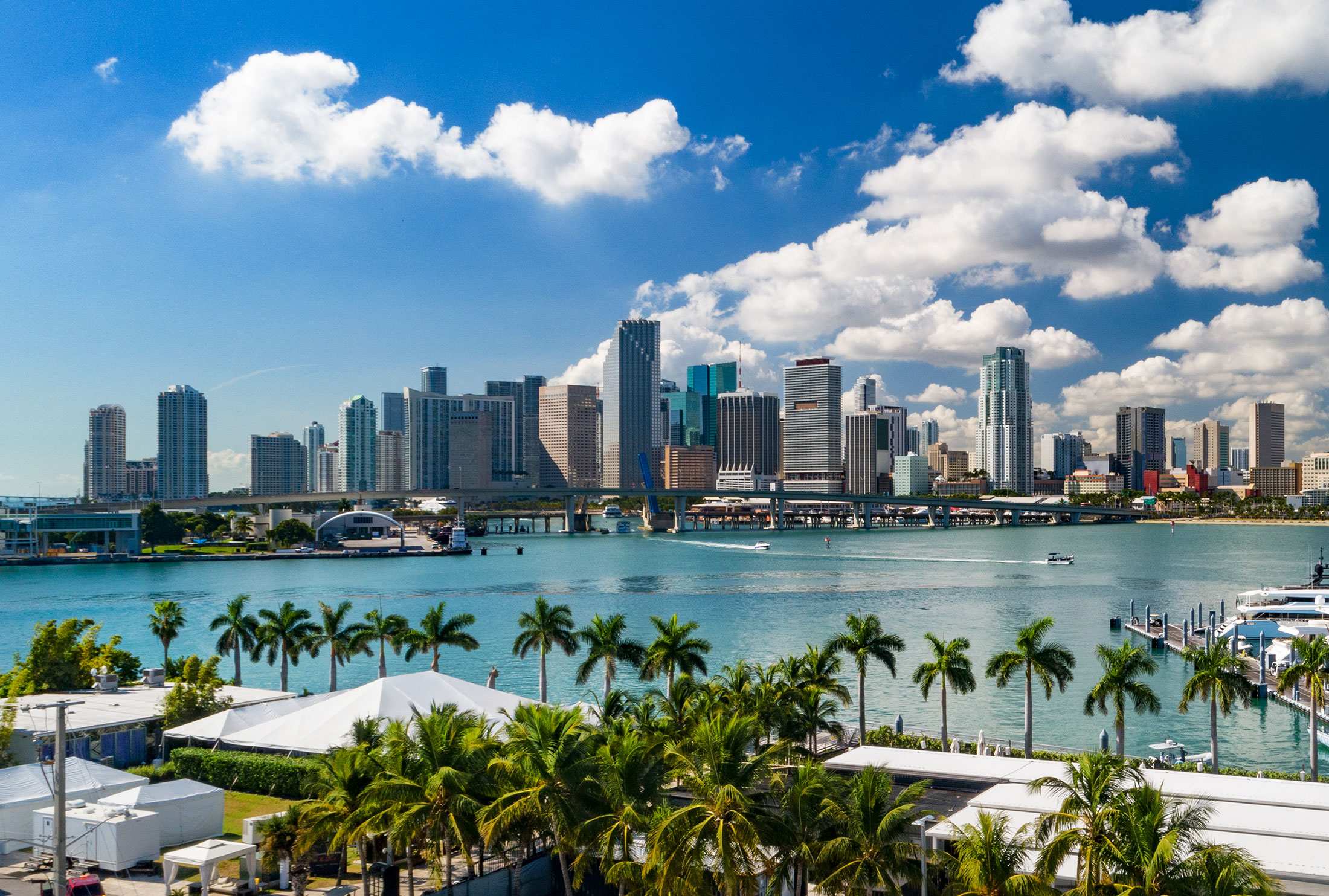
Miami offers a dynamic blend of urban excitement and beautiful beaches. Its safety profile is that of a major metropolitan city.
- South Beach and Miami Beach are generally safe and heavily patrolled, especially during peak tourist seasons. However, like any popular beach destination, petty theft can occur if valuables are left unattended.
- Downtown Miami and other urban areas are bustling and generally safe during the day, but it’s advisable to be more cautious at night and stick to well-lit, populated streets.
- Neighborhoods: While some neighborhoods are more affluent and safer than others, it’s always a good idea to research specific areas if you plan to venture outside the main tourist zones.
- Water Safety: Similar to the rest of Florida, be mindful of ocean currents when swimming in the Atlantic.
The Keys and Gulf Coast: Relaxation and Natural Beauty
The Florida Keys and the Gulf Coast regions, including cities like Key West, Sarasota, and Clearwater, are renowned for their laid-back atmosphere and stunning natural beauty.
- Lower Crime Rates: These areas generally experience lower crime rates compared to larger metropolitan centers. The focus here is often on enjoying the relaxed lifestyle, boating, fishing, and exploring nature.
- Water Activities: Safety in water activities is paramount, as mentioned earlier, with attention to rip currents, boating regulations, and marine life.
- Driving: The scenic drives, particularly the Overseas Highway connecting the Florida Keys, are generally safe. However, drivers should be aware of speed limits and potential wildlife on the road, especially at dawn and dusk.
Ensuring a Secure and Enjoyable Florida Experience
Ultimately, Florida is a safe and welcoming destination for millions of visitors each year. By combining awareness, common sense, and preparedness, travelers can significantly enhance their security and fully immerse themselves in the Sunshine State’s abundant attractions.
Proactive Planning and Information Gathering
The first step to a safe trip is thorough planning. This involves:
- Choosing Reputable Accommodation: Whether you opt for a luxury resort like the Fontainebleau Miami Beach, a family-friendly hotel, or a rental villa, always book through trusted platforms and read recent reviews. Consider amenities like 24-hour security.
- Researching Attractions: Understand the operating hours, security measures, and any specific safety guidelines for the attractions you plan to visit. For historical sites like Castillo de San Marcos National Monument in St. Augustine, research is equally important.
- Understanding Local Laws: Familiarize yourself with any local ordinances or laws that might differ from your home region, particularly regarding alcohol consumption or public conduct.
Staying Connected and Prepared
- Emergency Contacts: Keep a list of important emergency numbers readily accessible, including local law enforcement, your embassy or consulate, and your accommodation’s contact details.
- Mobile Devices: Ensure your mobile phone is charged and you have a plan that provides coverage in Florida. Consider purchasing a local SIM card if necessary for longer stays or extensive travel within the state.
- First Aid: Carry a basic first-aid kit for minor injuries. Many hotels also have readily available medical assistance or can direct you to the nearest facilities.
Embracing the Experience
With safety addressed, you can fully embrace the vibrant culture, breathtaking landscapes, and world-class entertainment that Florida has to offer. From the art deco architecture of Miami to the citrus groves of Central Florida, and the unique ecosystems of the Everglades, the Sunshine State provides a diverse and enriching travel experience. By staying informed and vigilant, your trip to Florida is sure to be memorable for all the right reasons.
LifeOutOfTheBox is a participant in the Amazon Services LLC Associates Program, an affiliate advertising program designed to provide a means for sites to earn advertising fees by advertising and linking to Amazon.com. Amazon, the Amazon logo, AmazonSupply, and the AmazonSupply logo are trademarks of Amazon.com, Inc. or its affiliates. As an Amazon Associate we earn affiliate commissions from qualifying purchases.