
The question of whether France is smaller than Texas is a fascinating one that often sparks debate, especially among travelers and those with a keen interest in geography. At first glance, the vastness of Texas, with its sprawling ranches and iconic cowboy culture, might lead one to assume it dwarfs the European nation. However, when we delve into the actual figures, the answer might surprise you. This article will explore the comparative sizes of France and Texas, considering not just land area but also the rich tapestry of experiences each offers, from iconic landmarks to culinary delights and diverse landscapes.
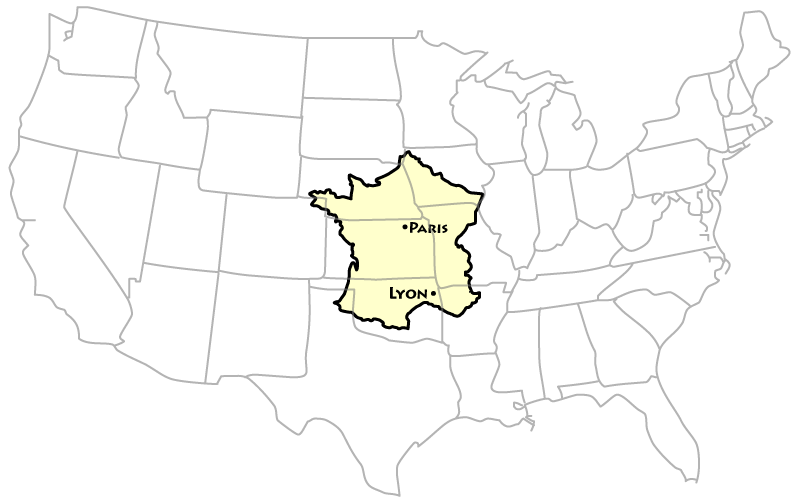
A Tale of Two Giants: Land Area and Proportions
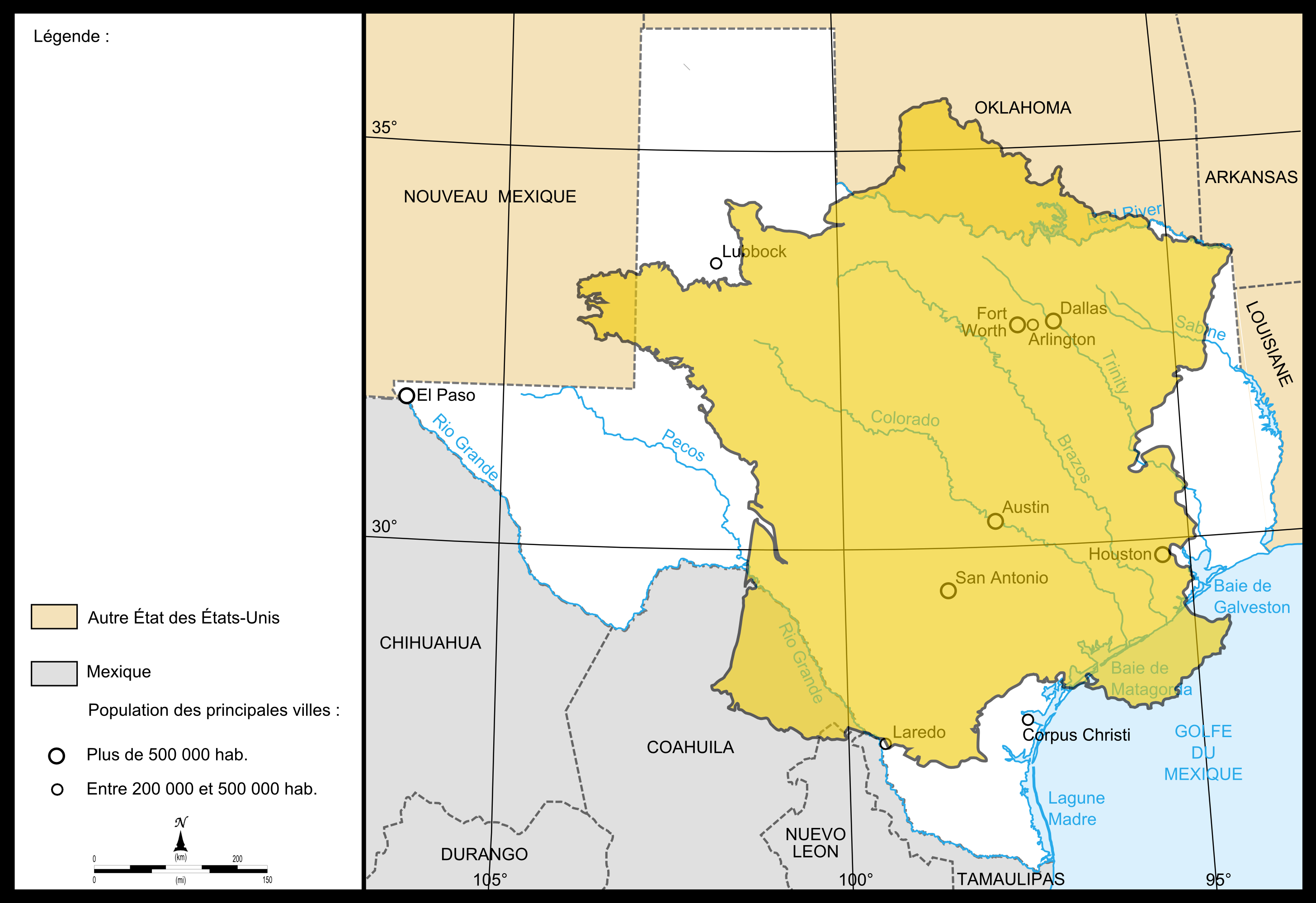
The most straightforward way to answer the question of size is by comparing the total land area of France and Texas. Understanding these figures provides a fundamental basis for our comparison.
The Numbers Game: Square Miles Compared
Texas, the second-largest state in the United States, boasts a remarkable land area of approximately 268,596 square miles (695,662 square kilometers). This vast expanse contributes to its diverse geography, from the piney woods of East Texas to the arid deserts of the West and the extensive coastline along the Gulf of Mexico.
France, on the other hand, the largest country in Western Europe, covers an area of about 213,021 square miles (551,700 square kilometers) for its metropolitan territory. If we include its overseas departments and regions, the total area increases, but for the purpose of a direct comparison to a continental entity like Texas, the metropolitan area is typically used.
So, to answer the core question directly: Yes, Texas is indeed larger than France in terms of land area. Texas is roughly 25% larger than metropolitan France. This difference is significant enough to be noticeable when considering travel and the sheer scale of the territories. Imagine driving across Texas from north to south or east to west; you’re covering a considerable distance. Similarly, traversing France from the Alps to Brittany or from Lille to Marseille also involves substantial travel.
What Does This Mean for Travelers?
The difference in land area has practical implications for travelers. A road trip across Texas might require more days of dedicated driving than a similar cross-country journey within France, assuming similar driving speeds and distances. This doesn’t necessarily mean one is “better” than the other for travel, but it influences the planning and pace of a visit. For instance, to experience the diverse offerings of Texas, one might need to focus on specific regions to avoid spending all their time on the road. In France, while still a substantial country, it’s often more feasible to visit multiple distinct regions within a single trip without feeling excessively rushed, thanks to a well-developed transportation network.
Beyond the Square Miles: Experiencing Depth and Diversity
While land area provides a quantitative measure, it doesn’t tell the whole story. Both France and Texas offer incredibly rich and diverse experiences, catering to a wide range of interests. Their appeal lies not just in their size but in the depth of their culture, history, natural beauty, and culinary traditions.
The Cultural Tapestry of France
France is a global icon of culture, art, fashion, and gastronomy. Its compact metropolitan area is densely packed with world-renowned attractions and distinct regional identities.
Iconic Landmarks and Historical Significance
From the breathtaking Eiffel Tower in Paris to the historic châteaux of the Loire Valley, France is a treasure trove of landmarks. The Louvre Museum, home to masterpieces like the Mona Lisa, draws millions of visitors annually. The ancient Roman amphitheater in Arles, the stunning Gothic cathedrals of Chartres and Notre Dame, and the D-Day landing beaches of Normandy all speak to a profound and layered history. Even smaller towns often boast centuries-old architecture and charming cobblestone streets, inviting exploration and a step back in time.
Culinary Delights and Wine Regions
French cuisine is celebrated worldwide, and for good reason. The country is a paradise for food lovers, offering everything from exquisite haute cuisine in Michelin-starred restaurants to rustic bistro fare and delectable pastries. Each region has its specialties, whether it’s the seafood of Brittany, the cheese and wine of the Burgundy region, or the rich stews of Alsace. France is also synonymous with wine, boasting famous vineyards in areas like Bordeaux, Champagne, and the Rhône Valley. Wine tourism is a significant draw, with opportunities to visit wineries, taste local vintages, and learn about the winemaking process.
Diverse Landscapes and Natural Beauty
Beyond its cities and cultural sites, France offers a breathtaking array of natural landscapes. The snow-capped peaks of the French Alps provide world-class skiing and hiking opportunities. The lavender fields of Provence in the summer are a sensory delight. The rugged coastline of Brittany with its dramatic cliffs and picturesque fishing villages offers a different kind of beauty. The picturesque countryside, dotted with vineyards, charming villages, and rolling hills, invites leisurely exploration, perhaps by bicycle or on foot.
The Spirit of Texas: Vastness and Vibrancy
Texas may be larger in land area, but its appeal lies in its unique blend of Southern hospitality, rugged individualism, and a growing cosmopolitan flair.
A Land of Contrasts: From Desert to Coast
The sheer size of Texas translates into incredible geographical diversity. In the west, you’ll find the dramatic landscapes of the Big Bend National Park, with its mountains, desert, and the winding Rio Grande. East Texas is characterized by lush forests and rolling hills. The central part of the state, often referred to as the Hill Country, is known for its scenic beauty, wineries, and charming small towns. Along the Gulf Coast, cities like Galveston offer beachside relaxation and historical architecture.
The Heart of Texas Culture: Music, Food, and History
Texas has a distinct cultural identity. Its musical heritage is rich, from the blues and jazz of Houston and Dallas to the country and western music scene that thrives in places like Austin. The state is also a culinary powerhouse, famous for its barbecue, Tex-Mex cuisine, and the iconic Texas chili. Each major city boasts its own culinary landscape, with vibrant restaurant scenes and diverse food options. Historically, Texas is steeped in stories of the Republic, the Alamo, and the cattle drives, elements that are still palpable in many parts of the state.
Modern Metropolises and Outdoor Adventures
Beyond the traditional imagery, Texas is home to major economic and cultural hubs like Houston, Dallas, and Austin. These cities offer world-class museums, performing arts venues, vibrant nightlife, and diverse shopping experiences. Austin, in particular, is known as the “Live Music Capital of the World” and has a unique, progressive culture. For outdoor enthusiasts, Texas offers opportunities for hiking, camping, fishing, and water sports across its varied terrain.
Comparing Travel Experiences: Scale vs. Density
When considering travel, the difference in scale between France and Texas influences how one might plan a trip and what kind of experience they can expect.
Logistics and Planning: Covering Ground
The larger landmass of Texas often means that traveling between major attractions can involve longer drives or flights. For instance, driving from El Paso in the west to Beaumont in the east is a journey of over 800 miles, taking more than 12 hours of driving. This necessitates a more focused approach to planning, perhaps concentrating on a specific region within Texas for a given trip.
In contrast, France, while substantial, benefits from an excellent high-speed rail network (TGV) and a dense network of well-maintained roads. This allows travelers to efficiently hop between major cities and regions. A journey from Paris to Nice on the French Riviera can be done by train in about 5.5 hours, covering a significant distance. This efficiency can make it feel more feasible to experience a wider variety of landscapes and cultural offerings within a single itinerary in France.
The Density of Attractions
France’s smaller area, coupled with its long history and dense population, means that attractions are often more concentrated. You can find world-class museums, historical sites, and culinary hotspots within relatively close proximity in many parts of the country. This density allows for a rich and varied experience even within a shorter trip.
Texas, while having its own unique clusters of attractions, offers a different kind of exploration. The vastness itself is part of the allure for some, the sense of open space and the rewards of venturing off the beaten path. Road trips and exploring smaller, more spread-out towns are a significant part of the Texas travel experience. The sheer scale can be awe-inspiring, offering a sense of freedom and adventure that might not be as readily found in more densely populated countries.
In conclusion, while Texas is undeniably larger than France in land area, both destinations offer unparalleled travel experiences. The choice between them, or the desire to experience both, depends on what kind of journey you seek. Whether you are drawn to the refined cultural riches and diverse landscapes of France or the expansive horizons, vibrant spirit, and unique heritage of Texas, both promise unforgettable adventures, each in its own magnificent way.
LifeOutOfTheBox is a participant in the Amazon Services LLC Associates Program, an affiliate advertising program designed to provide a means for sites to earn advertising fees by advertising and linking to Amazon.com. Amazon, the Amazon logo, AmazonSupply, and the AmazonSupply logo are trademarks of Amazon.com, Inc. or its affiliates. As an Amazon Associate we earn affiliate commissions from qualifying purchases.