
Texas, the Lone Star State, is renowned for its vast landscapes, rich history, vibrant culture, and an unwavering spirit of independence. From the bustling metropolises of Houston and Dallas to the historic charm of San Antonio and the live music capital of Austin, Texas offers an unparalleled array of travel experiences. However, when it comes to the world of casinos and betting, many travelers and residents alike often ponder the question: “Is gambling illegal in Texas?”
The simple answer, like much of Texas’s history, is complex and nuanced. While many forms of commercial gambling are indeed prohibited, there are notable exceptions that allow for specific types of betting, primarily through tribal enterprises and state-sanctioned activities. This unique legal landscape significantly shapes the tourism, lifestyle, and accommodation options available within the state, influencing how visitors plan their trips and what activities they can pursue. Understanding these regulations is crucial for anyone looking to explore the entertainment and leisure opportunities Texas has to offer.
The Legal Landscape of Gambling in Texas
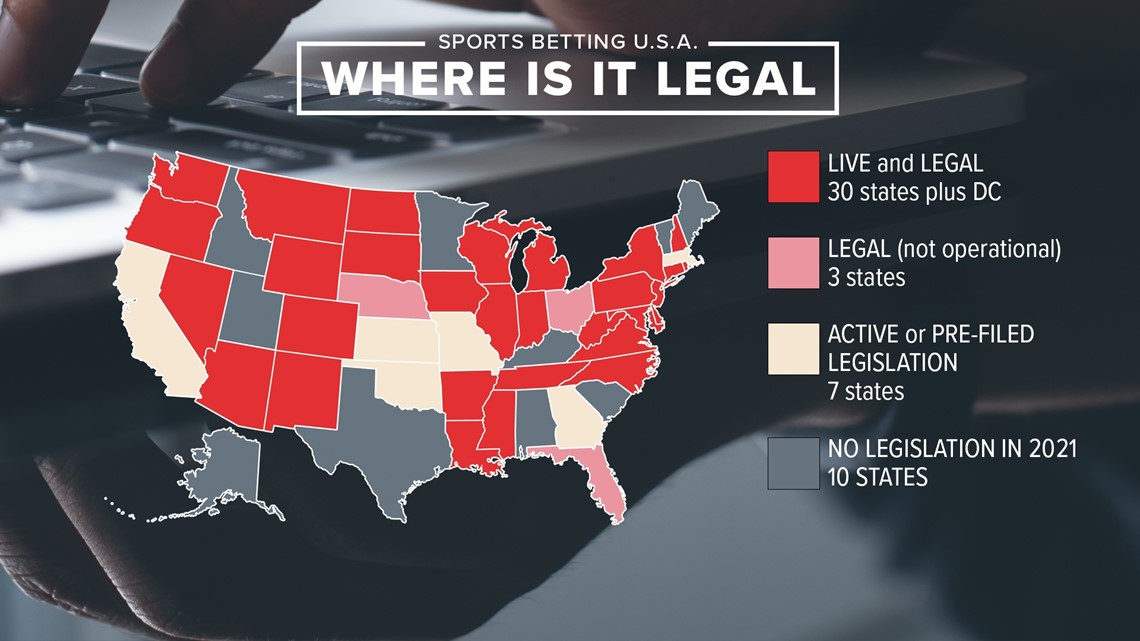
The legal framework surrounding gambling in Texas is primarily defined by the Texas Penal Code, which outlines what constitutes illegal gambling. Unlike states such as Nevada or Louisiana, Texas has historically maintained a conservative stance on expanding gambling options, often citing social and moral concerns. This position has meant that traditional casinos, sports betting, and most forms of card games for profit are generally not permitted.
Understanding Texas Penal Code
Under Chapter 47 of the Texas Penal Code, a person commits an offense if they operate or participate in gambling activities outside of specifically permitted exceptions. This typically includes activities like poker games where a “house” takes a rake, slot machines, blackjack tables, and other games of chance commonly found in commercial casinos. Penalties for illegal gambling can range from misdemeanors to felonies, depending on the scale and nature of the operation. This strict legal environment has historically prevented the emergence of large-scale commercial casinos and integrated resorts that are hallmarks of other major travel destinations.
However, the law isn’t absolute, and certain forms of gambling have carved out legal niches within the state. These exceptions offer glimpses into a different side of Texas’s entertainment scene, albeit a more limited one compared to its gambling-friendly neighbors.
The Role of Tribal Casinos
One of the most significant exceptions to Texas’s strict anti-gambling laws lies with the state’s federally recognized Native American tribes. Under the Indian Gaming Regulatory Act (IGRA) of 1988, federally recognized tribes have the right to operate certain types of gambling facilities on their sovereign land, provided they enter into a compact with the state where the gaming facility is located or if the state already permits some form of gambling.
In Texas, this has led to the establishment of a few tribal gaming centers, though their offerings have been a subject of ongoing legal battles and interpretations. The primary tribal gaming destinations include:
- Kickapoo Lucky Eagle Casino Hotel: Located in Eagle Pass on the lands of the Kickapoo Traditional Tribe of Texas, this is arguably the largest and most comprehensive gaming facility in the state. It offers a wide array of electronic bingo machines, poker tables, and other card games. As a full-service resort, the Kickapoo Lucky Eagle Casino Hotel also provides a hotel, dining options, and live entertainment, making it a legitimate destination for those seeking casino-style leisure. Its presence attracts visitors from across Texas and neighboring Mexico, contributing significantly to the local economy and tourism in a region not traditionally known for major attractions.
- Naskila Gaming: Operated by the Alabama-Coushatta Tribe of Texas near Livingston, Naskila Gaming offers electronic bingo machines. Its operation has faced considerable legal scrutiny and challenges from the state, reflecting the ongoing tension surrounding gambling expansion. Despite the legal battles, it remains a popular spot for those in East Texas seeking a gaming experience.
- Speaking Rock Entertainment Center: Located near El Paso and operated by the Ysleta del Sur Pueblo, Speaking Rock Entertainment Center primarily offers electronic bingo and other similar games. Like Naskila Gaming, its operations have been subject to varying legal interpretations and challenges, making its future offerings occasionally uncertain. However, it continues to serve as an entertainment hub for the El Paso region.
These tribal gaming establishments exist in a complex legal gray area, often operating based on federal court rulings or compacts that acknowledge their right to offer certain types of gaming even if the state’s broader laws prohibit them for non-tribal entities. For travelers, these sites represent the closest thing to a traditional casino experience within the state’s borders.
The Lottery and Pari-Mutuel Betting Exceptions
Beyond tribal casinos, two other forms of gambling are explicitly permitted and regulated by the state:
- The Texas Lottery: Established in 1991, the Texas Lottery offers various draw games (like Lotto Texas and Mega Millions) and scratch-off tickets. It’s a significant source of revenue for the state, with proceeds benefiting public education and veteran programs. The lottery is widely accessible across the state through authorized retailers, becoming a common and accepted form of low-stakes gambling for many residents and visitors.
- Pari-Mutuel Wagering: This form of betting, primarily on horse and greyhound races, is legal in Texas and regulated by the Texas Racing Commission. Racing enthusiasts can enjoy live races at various racetracks across the state, such as Sam Houston Race Park in Houston or Retama Park near San Antonio. Pari-mutuel betting allows participants to wager against each other, with the track taking a percentage of the total pool. This traditional form of betting, often associated with a day out at the races, adds a distinct flavor to Texas’s leisure and lifestyle offerings, reminiscent of events like the Kentucky Derby in other parts of the United States.
Navigating Social Gambling
The Texas Penal Code also contains an exception for “social gambling.” This typically refers to games played in a private residence where no one profits from operating the game (i.e., no “house” or rake), and all participants have an equal chance of winning. This means that a casual poker game among friends at home is generally not illegal, provided it meets specific criteria designed to prevent commercialization. However, attempting to set up a private game in a public venue or for profit would quickly cross the line into illegal territory. This distinction is important for understanding the everyday realities of gambling for many Texans and visitors who might enjoy a friendly game.
Beyond the Law: The Economic and Tourism Impact
Texas’s restrictive gambling laws have significant implications for its economy and tourism industry. While the state prides itself on its diverse attractions, the absence of widespread casino resorts means it misses out on a substantial segment of the travel market that actively seeks out gambling entertainment.
Texas’s Stance vs. Neighboring States
The contrast between Texas and its neighbors is stark. Louisiana, to the east, boasts numerous riverboat casinos, land-based casinos, and video poker machines throughout the state, particularly in cities like Shreveport and New Orleans. To the north, Oklahoma has a thriving tribal casino industry with some of the largest gaming floors in the United States, such as WinStar World Casino and Resort just across the border. New Mexico, to the west, also features several tribal casinos.
This geographical reality means that many Texans who wish to gamble often cross state lines, taking their tourism dollars with them. This “leakage” of revenue is a recurring argument made by proponents of expanding gambling in Texas. They contend that legalizing and regulating casinos could keep billions of dollars within the state, creating jobs, generating tax revenue, and funding public services, much like the Texas Lottery already does for education.
The Potential for Texas Gambling Resorts
The debate over casino gambling in Texas is an ongoing one, with powerful lobbies on both sides. Proponents envision integrated resorts similar to those in Las Vegas or Singapore, featuring not only casinos but also luxury hotels, convention centers, high-end shopping, fine dining, and entertainment venues. Such developments could dramatically reshape the tourism landscape, attracting international visitors and bolstering cities like Houston, Dallas, and San Antonio as even more prominent global destinations.
From a travel and accommodation perspective, the introduction of resort casinos would necessitate a boom in hotel development, offering a wider range of luxury suites, family-friendly resorts, and business-focused accommodations. It would also lead to an expansion of lifestyle travel options, catering to those seeking an all-encompassing entertainment experience. However, opponents raise concerns about potential social costs, increased crime, and the impact on existing communities. For now, the prospect of large-scale commercial casinos remains a future possibility rather than a present reality in Texas.
Exploring Texas: Attractions and Activities Beyond the Tables
Despite its conservative stance on gambling, Texas remains an extraordinary destination with a wealth of attractions, activities, and experiences that cater to every type of traveler. The state’s tourism industry thrives on its natural beauty, historical significance, cultural vibrancy, and world-class entertainment that doesn’t involve slot machines.
Iconic Texas Destinations for Every Traveler
- San Antonio: Home to the historic the Alamo and the enchanting San Antonio River Walk, this city is a testament to Texas’s rich heritage. Visitors can explore Spanish colonial missions, enjoy vibrant Tex-Mex cuisine, and experience the unique blend of cultures. Families can also enjoy attractions like SeaWorld San Antonio and Six Flags Fiesta Texas, alongside the impressive Natural Bridge Caverns.
- Houston: A hub for space exploration, energy, and diverse cultures. Space Center Houston is a must-visit for anyone interested in NASA’s missions. The city also boasts a thriving arts scene, with the Museum of Fine Arts, Houston, and the Houston Museum of Natural Science in its renowned Houston’s Museum District. Foodies will delight in the international culinary scene.
- Dallas: Known for its vibrant arts, fashion, and business districts. The Sixth Floor Museum at Dealey Plaza offers a poignant look into history, while the Dallas Arts District and Klyde Warren Park provide cultural and recreational escapes. Sports fans can catch a game featuring the Dallas Cowboys, Dallas Mavericks, or Texas Rangers.
- Austin: The state capital and “Live Music Capital of the World,” Austin offers a quirky, artistic vibe. Visitors can enjoy live performances on Sixth Street or Rainey Street, explore outdoor activities along Lady Bird Lake, and indulge in the city’s legendary food truck scene.
- Natural Wonders: From the majestic canyons and desert landscapes of Big Bend National Park in West Texas to the pristine beaches of South Padre Island and the unique ecology of Padre Island National Seashore on the Gulf Coast, Texas offers breathtaking natural beauty. The Texas Hill Country is a haven for wine enthusiasts, with charming towns like Fredericksburg and natural landmarks like Enchanted Rock State Natural Area.
- Quirky Roadside Attractions: For those who enjoy unique travel experiences, Texas has plenty, from Marfa‘s mysterious lights to Cadillac Ranch near Amarillo.
Where to Stay: Accommodations in Texas’s Tourist Hubs
Texas’s diverse tourist attractions are complemented by a vast range of accommodation options. Travelers can find everything from luxurious five-star hotels and boutique resorts in urban centers to charming bed-and-breakfasts in the Hill Country, rustic cabins near national parks, and beachfront villas along the Gulf Coast.
In cities like Houston, Dallas, San Antonio, and Austin, you’ll find an abundance of hotel chains offering business suites, family-friendly amenities, and luxury experiences. Many properties cater to specific lifestyles, whether it’s a budget-friendly stay for a road trip, an upscale resort for a romantic getaway, or an apartment-style hotel for extended stays. Booking platforms offer comparison tools and reviews to help visitors find the perfect fit, ensuring comfort and convenience regardless of their travel budget or preferences.
Lifestyle and Leisure: Experiencing the Lone Star State
The Texas lifestyle is characterized by its hospitality, outdoor recreation, and a deep appreciation for arts and culture. Visitors can immerse themselves in:
- Culinary Adventures: From authentic barbecue and Tex-Mex to upscale dining and international cuisine, Texas’s food scene is a major draw. Food festivals and local markets are popular across the state.
- Outdoor Activities: Hiking, biking, fishing, kayaking, and birdwatching are popular activities in Texas’s numerous state parks and natural areas. The state’s varied geography means adventures from mountain trails to coastal wetlands are readily accessible.
- Sports: Texas is a paradise for sports fans, home to professional teams in the National Football League (Dallas Cowboys, Houston Texans), Major League Baseball (Houston Astros, Texas Rangers), National Basketball Association (Houston Rockets, Dallas Mavericks, San Antonio Spurs), and countless NCAA collegiate sports events.
- Festivals and Events: From the State Fair of Texas in Dallas to music festivals like South by Southwest in Austin and numerous local rodeos, there’s always something happening. Historic districts like Gruene Historic District and legendary dance halls like those in Luckenbach offer a taste of classic Texas entertainment.
Travelers visiting Texas will find that the lack of widespread commercial gambling hardly limits their options for fun, relaxation, and cultural enrichment. The state’s unique character and diverse offerings ensure a memorable experience for anyone seeking adventure, history, or simply a taste of the authentic Lone Star lifestyle.
The Future of Gambling in Texas
The question of gambling legality in Texas is unlikely to remain static. Each legislative session sees renewed efforts to expand gambling, driven by arguments of economic development, tourism revenue, and competitive disadvantage compared to neighboring states. Powerful industry players, including casino operators and professional sports team owners, often lend their support to these initiatives, highlighting the potential for job creation and increased tax contributions.
Conversely, strong opposition from religious groups and conservative lawmakers has historically thwarted significant changes. These groups often cite concerns about the social costs of gambling, including addiction and potential increases in crime rates. The debate is complex, touching on economic policy, social welfare, and fundamental cultural values that are deeply embedded in the state’s identity.
For now, visitors to Texas should assume that most forms of commercial gambling are illegal, with the key exceptions being the state lottery, pari-mutuel betting on horse and dog races, and the limited tribal gaming operations. While the future may bring changes, Texas today remains a destination where the primary draws are its vast beauty, rich heritage, vibrant cities, and a uniquely Texan brand of hospitality and adventure – experiences that stand strong whether or not a casino is around the corner. For those seeking a comprehensive travel experience that blends culture, nature, and exhilarating activities, Texas delivers in spades, long before anyone even considers rolling the dice.
LifeOutOfTheBox is a participant in the Amazon Services LLC Associates Program, an affiliate advertising program designed to provide a means for sites to earn advertising fees by advertising and linking to Amazon.com. Amazon, the Amazon logo, AmazonSupply, and the AmazonSupply logo are trademarks of Amazon.com, Inc. or its affiliates. As an Amazon Associate we earn affiliate commissions from qualifying purchases.