
The question “Is Guam safe?” is a common one for prospective travelers and those considering a longer stay on this beautiful Western Pacific island. Nestled in the Micronesian region, Guam is an unincorporated territory of the United States, known for its stunning white-sand beaches, crystal-clear waters, and rich Chamorro culture. Like any travel destination, understanding the local safety landscape is paramount to ensuring a smooth and enjoyable experience. The good news is that Guam is generally considered a safe place to visit and live, especially for tourists who stick to well-trafficked areas and exercise common sense. However, a deeper dive into specific safety aspects, from crime rates to natural phenomena, provides a more comprehensive picture for anyone planning a trip. This guide aims to equip you with the knowledge needed to confidently explore the island, from its vibrant Tumon Bay resorts to its historical Hagåtña landmarks, ensuring your focus remains on the breathtaking experiences Guam has to offer.
Understanding Guam’s Safety Landscape
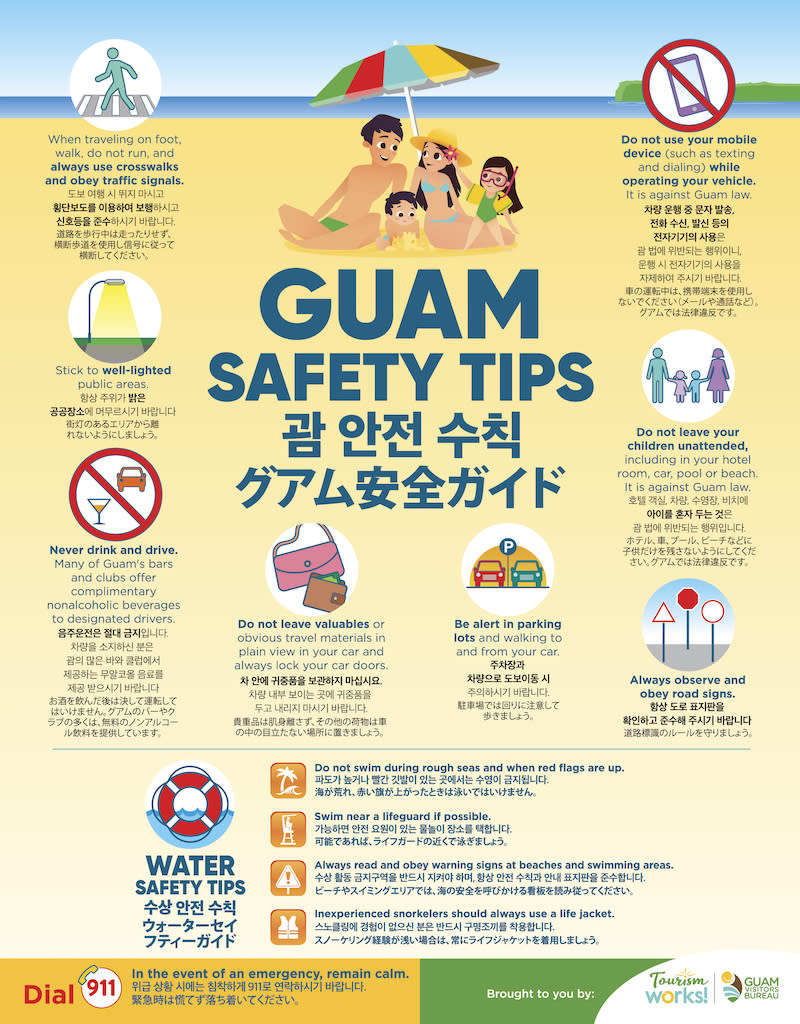
Guam’s reputation for safety stems from a combination of factors, including its close ties to the United States, a strong community spirit, and a robust framework for emergency services. While no destination is entirely crime-free, the overall risk level in Guam remains relatively low, particularly for visitors. Understanding the local environment, the prevalence of emergency services, and the unique influence of the military presence can help travelers feel more secure and informed.
Crime Rates and Local Environment
When evaluating safety, crime statistics are often the first point of reference. In Guam, serious violent crime is infrequent, and the island generally experiences lower rates than many major cities on the U.S. mainland. The most common issues tourists might encounter are petty crimes such as bag snatching or vehicle break-ins, particularly in less populated or dimly lit areas, or at popular tourist sites where valuables might be left unattended. These incidents are largely opportunistic, emphasizing the importance of basic precautions like securing personal belongings, avoiding flashing large sums of cash, and being aware of one’s surroundings. Most locals are friendly and welcoming, and the island’s relatively small size fosters a strong sense of community, where people often look out for one another. This inherent friendliness contributes significantly to the feeling of security that many travelers experience. However, travelers venturing into remote areas or those unfamiliar with the island’s geography should exercise extra caution and ideally travel with a companion. The main tourist hubs like Tumon and Tamuning are typically well-patrolled and bustling, providing an added layer of safety due to high foot traffic and visible security presence.
Emergency Services and Infrastructure
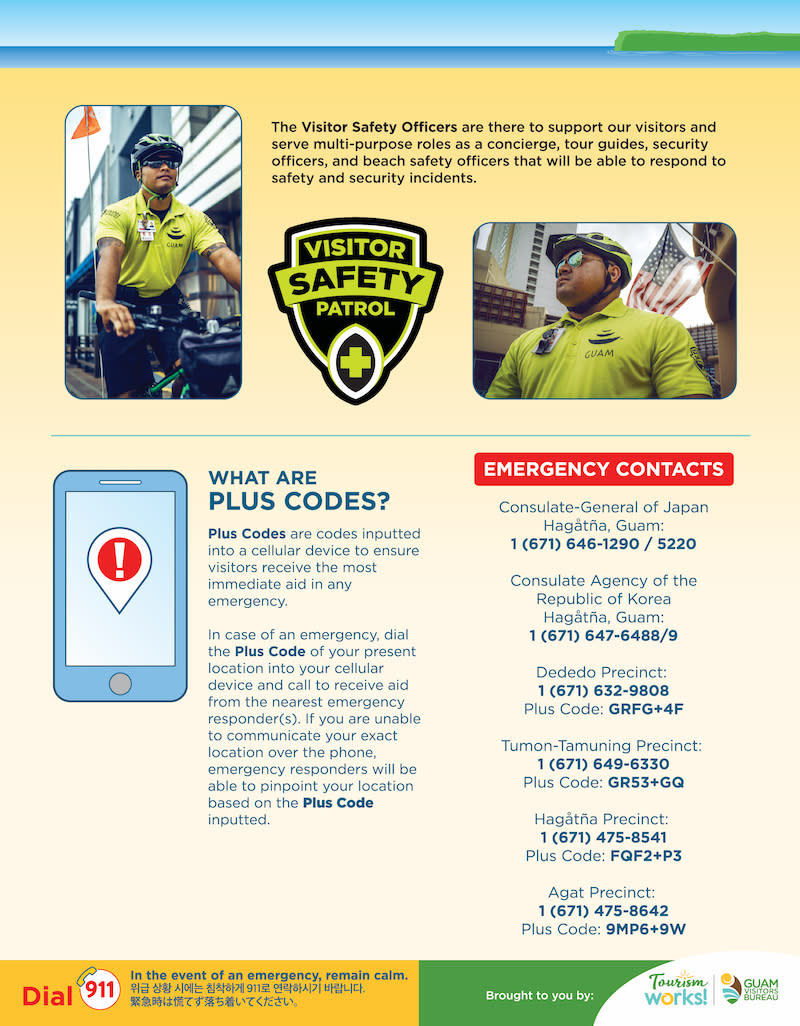
As a U.S. territory, Guam benefits from emergency services that operate under standards similar to those found on the U.S. mainland. The Guam Police Department (GPD) is the primary law enforcement agency, complemented by the Guam Fire Department (GFD), which handles fire and emergency medical services (EMS). Dialing 911 connects you directly to emergency dispatchers, mirroring the system in the United States. Hospitals and medical facilities, such as the Guam Memorial Hospital and the Guam Regional Medical City, provide a range of medical services, although specialized care may sometimes require medical evacuation to Hawaii or the U.S. mainland. Access to quality healthcare is a significant aspect of feeling safe while traveling, and Guam’s infrastructure, while not as vast as a major U.S. state, is generally reliable for routine and most emergency medical needs. Pharmacies are also readily available, stocking common medications and over-the-counter remedies.
Military Presence and Its Impact
One unique aspect of Guam’s safety profile is the substantial United States military presence. The island is home to major U.S. naval and air force bases, including Naval Base Guam and Andersen Air Force Base in Yigo. This military presence contributes to a heightened level of security and vigilance across the island. Beyond the bases themselves, the presence of military personnel and their families often means a stable community with strong ties to U.S. regulations and norms. While direct interaction with military security forces is rare for the average tourist, their overarching presence acts as a deterrent to more serious forms of crime and contributes to the island’s overall stability. It also means that the island’s infrastructure, including roads and communication networks, often benefits from federal investment and maintenance. This robust security umbrella, while primarily for defense purposes, indirectly enhances the safety and peace of mind for both residents and visitors alike.

Navigating Safety as a Traveler in Guam
For any traveler, personal vigilance and preparation are key to a safe journey. In Guam, understanding the specific nuances of personal safety, transportation, health, and environmental concerns will allow you to explore with confidence and fully immerse yourself in the island’s beauty. Adopting a proactive approach to safety can mitigate most potential risks and ensure your travel experiences are positive.
Personal Safety and Awareness
Maintaining personal safety in Guam largely involves applying the same common-sense principles you would in any unfamiliar destination. Always be aware of your surroundings, especially when walking alone at night or in less crowded areas. It’s advisable to avoid displaying expensive jewelry or electronics overtly, as this can make you a target for opportunistic theft. Keep your passport, extra cash, and important documents secured in a hotel safe. When carrying a bag, opt for one that is difficult to snatch, such as a cross-body bag worn to the front. While Guam is known for its nightlife, particularly in Tumon, it’s wise to limit alcohol consumption and always have a plan for getting back to your accommodation. If you find yourself in an uncomfortable situation, trust your instincts and remove yourself from it. Remember that while the island is generally welcoming, not everyone has good intentions, and a healthy level of skepticism can go a long way in preventing issues.
Transportation Safety
Getting around Guam typically involves rental cars, taxis, or rideshare services. Public transportation, in the traditional sense, is not extensive and usually isn’t the primary mode for tourists. When renting a car, opt for reputable companies and ensure the vehicle is in good working condition. Always lock your car doors and secure any valuables in the trunk, out of sight, especially when parked at beaches or hiking trails. Car break-ins, while not rampant, do occur. Taxis and rideshare apps are generally safe, but it’s always wise to confirm the fare or get an estimate before starting your journey. If taking a taxi, ensure it is a licensed vehicle, identifiable by specific markings. Driving on Guam is relatively straightforward, but be mindful of local driving habits, which can sometimes be less predictable than in some other places. During heavy rainfall, roads can become slick, and certain low-lying areas may experience temporary flooding, requiring extra caution.
Health and Environmental Safety
Guam’s tropical climate presents specific health and environmental considerations. Sun protection is crucial; the equatorial sun can be intense, leading to severe sunburns or heatstroke. Always wear high-SPF sunscreen, a hat, sunglasses, and seek shade during peak hours (10 AM to 4 PM). Hydration is equally important. Water safety is generally good, as tap water in most developed areas is potable. However, if you have a sensitive stomach, sticking to bottled water might be a safer option. When swimming or snorkeling, be aware of strong currents, especially outside of protected bays. The marine life is beautiful, but some creatures, like jellyfish, sea urchins, or venomous cone snails, can deliver painful stings or bites. Avoid touching coral, as it can cause cuts and scrapes that are slow to heal and potentially infect. It’s also advisable to wear water shoes to protect your feet. Dengue fever and Zika virus have been reported on the island, so using insect repellent, especially during dawn and dusk, is a sensible precaution.
Natural Disaster Preparedness
Guam is located in a region prone to natural phenomena, primarily typhoons and, less frequently, earthquakes and tsunamis. While typhoons usually occur during the rainy season (July to November), they can happen at any time. Hotels and resorts are generally well-equipped with emergency plans, and local authorities provide timely warnings. If a typhoon warning is issued, follow local guidance, which typically involves staying indoors, securing belongings, and monitoring news updates. Many accommodations, from the luxurious Dusit Thani Guam Resort to budget-friendly apartments, are built to withstand these storms. In the event of an earthquake or tsunami warning, follow evacuation routes and seek higher ground if near the coast. Familiarizing yourself with your accommodation’s emergency procedures upon arrival is always a good practice. Local authorities are highly experienced in managing these events, and visitors will find robust systems in place to ensure public safety.
Safe Exploration: Attractions, Accommodation, and Activities
Exploring Guam’s diverse offerings, from its pristine beaches to its historical sites, is a highlight for many visitors. Whether you’re indulging in a luxurious resort stay or embarking on an adventurous trek, understanding how to safely engage with the island’s attractions, choose secure accommodation, and participate in activities responsibly is crucial. Guam’s commitment to tourism ensures that popular areas and reputable operators prioritize visitor safety, contributing to a secure and enjoyable holiday.
Secure Stays: Hotels and Resorts
The choice of accommodation significantly impacts a traveler’s sense of security. Guam’s hotel and resort scene, particularly along Tumon Bay, offers a wide range of options, from lavish five-star properties to more modest lodgings. High-end establishments like the Hyatt Regency Guam, Hilton Guam Resort & Spa, and Dusit Thani Guam Resort invest heavily in security measures, including 24/7 surveillance, professional security personnel, key card access systems, and in-room safes. These features provide a reassuring environment for guests, especially those on a luxury travel itinerary or families with children. Even mid-range hotels and independent apartments typically have good security. When booking accommodation, reading recent reviews (often found on platforms covering booking and reviews) can offer insights into the perceived safety and security of a property. Opting for reputable brands or well-reviewed local establishments ensures that you are choosing a place that prioritizes guest welfare, contributing to a worry-free stay and allowing you to fully enjoy amenities like stunning pools and private beach access.
Popular Tourist Zones
The most frequently visited areas in Guam are also generally the safest due to higher visibility, regular patrols, and the sheer number of people around. Tumon Bay, the heart of Guam’s tourism, is exceptionally safe. This vibrant strip is home to numerous hotels, restaurants, shopping centers like Guam Premier Outlets, and entertainment venues. Similarly, the capital city of Hagåtña, with its historical sites such as the Plaza de España and the Cathedral-Basilica of Dulce Nombre de Maria, is generally safe for daytime exploration. Evenings at popular spots like Chamorro Village for the Wednesday night market are usually bustling and secure. When exploring natural landmarks further afield, like Two Lovers Point or Ritidian Beach, it is always best to visit during daylight hours and avoid leaving valuables in plain sight in your vehicle. These popular spots are well-maintained and have signage, but remote areas, particularly those off the beaten path, may lack regular surveillance and could pose slightly higher risks if not approached with caution.
Adventure and Recreation Safety
Guam offers a plethora of outdoor activities, from snorkeling and diving in the Philippine Sea to hiking and exploring waterfalls. To ensure safety, it’s crucial to engage with licensed and reputable tour operators for activities like scuba diving, jet-skiing, or boat tours to Cocos Island. These operators adhere to safety standards, provide necessary equipment, and have trained staff to guide you. For activities like snorkeling or swimming, always be mindful of ocean conditions; heed any warning flags or local advice regarding currents or marine life. If hiking, especially in less-developed trails, inform someone of your plans, carry enough water, wear appropriate footwear, and be aware of potential hazards like uneven terrain or slippery surfaces. Diving and snorkeling at sites like Fish Eye Marine Park are generally safe when following guidelines. For family trips involving water sports, ensuring children wear life vests and are supervised is paramount. Responsible tourism also means respecting natural environments, avoiding littering, and not disturbing local wildlife or fragile ecosystems, contributing to the island’s long-term appeal and safety.
Cultural Immersion and Local Etiquette
Engaging with the local Chamorro culture is one of the most enriching aspects of visiting Guam. By showing respect for local customs and traditions, travelers can foster positive interactions and enhance their safety. The Chamorro people are known for their hospitality, but being mindful of local etiquette, such as dressing modestly when visiting religious sites or asking permission before taking photographs of individuals, is always appreciated. Participating in local events like the Chamorro Village night market allows for a deeper connection with the island’s lifestyle. Understanding a few basic Chamorro phrases, like “Håfa Adai” (hello), can also go a long way. Demonstrating respect for local norms not only enhances your travel experience but also contributes to a harmonious environment, indirectly fostering a safer atmosphere for everyone. Learning about the island’s history, perhaps through a visit to the War in the Pacific National Historical Park or the Pacific War Museum, can also deepen your appreciation and understanding, making your visit more meaningful and safer through knowledge.
Essential Tips for a Worry-Free Guam Experience
Beyond general safety precautions, specific considerations and resources can further enhance your peace of mind while in Guam. From knowing who to contact in an emergency to understanding how to contribute positively to the local community, these tips are designed to ensure your trip is not only safe but also enriching and memorable. Whether you’re planning a short getaway or a long-term stay, being well-prepared is the ultimate safeguard.
Communication and Resources
Before you even depart for Guam, ensure your mobile phone plan includes international roaming or consider purchasing a local SIM card upon arrival. Having reliable communication is vital for emergencies or simply staying connected. Save important numbers in your phone: local emergency services (911), your hotel’s front desk, and the contact information for your country’s embassy or consulate if applicable. For United States citizens, no embassy is needed as it is a U.S. territory. Travel insurance is highly recommended, as it can cover unexpected medical emergencies, trip cancellations, or lost luggage, providing an essential safety net for any traveler. Keep photocopies or digital images of your passport, visa, and other important documents separate from the originals. This ensures you have access to critical information even if the originals are lost or stolen. Online travel guides and local tourism websites are excellent resources for up-to-date safety advisories and tips.
Responsible Tourism Practices
Being a responsible tourist not only benefits the local community and environment but also implicitly enhances your own safety and the overall travel experience. Supporting local businesses, respecting natural and cultural sites, and minimizing your environmental footprint contribute to a sustainable tourism ecosystem. For example, patronizing local restaurants in Hagåtña or buying souvenirs from local artisans at Chamorro Village directly supports the island’s economy. Avoiding littering, especially on beaches like those around Tumon Bay or Ritidian Beach, helps preserve Guam’s natural beauty for everyone. By engaging respectfully and consciously, you help maintain the friendly and welcoming atmosphere that makes Guam a safe destination. This mutual respect creates a positive feedback loop, where visitors feel safer and locals are more eager to share their island.
Family Travel Considerations
Guam is a fantastic destination for family trips, offering numerous child-friendly attractions and safe environments. When traveling with children, extra planning is beneficial. Choose family-friendly accommodations, such as resorts like the Hilton Guam Resort & Spa or the Outrigger Guam Beach Resort, which often feature kids’ clubs, dedicated pools, and spacious suites. Always ensure children are supervised, especially near water. Pack all necessary medications, snacks, and comfort items for your little ones. Plan itineraries that cater to different age groups and allow for plenty of rest. Many attractions, like the Fish Eye Marine Park or the beaches of Tumon, are safe and engaging for families. Being prepared for the tropical climate with appropriate clothing, sun protection, and hydration for children is crucial. The generally safe and welcoming atmosphere of Guam makes it an ideal place for families to create lasting memories.
Long-Term Stays and Expat Life
For those considering a longer stay, whether for work or extended travel, Guam offers a unique lifestyle experience. Long-term accommodation options range from serviced apartments to houses for rent in areas like Dededo or Tamuning. Safety for long-term residents involves becoming more integrated into local communities and understanding neighborhood-specific dynamics. Building relationships with neighbors, learning basic Chamorro phrases, and understanding local laws are all beneficial. While the cost of living can be higher than on the U.S. mainland, the community often proves to be tight-knit and supportive. Expats frequently report feeling safe and secure, benefiting from the island’s relaxed pace and vibrant cultural scene. Whether you are on a business stay or seeking a different way of life, Guam offers a generally secure environment for those looking to immerse themselves in island living.
In conclusion, the answer to “Is Guam safe?” is a resounding yes, provided visitors and residents adopt reasonable precautions and awareness. The island boasts a robust safety infrastructure, a welcoming local population, and well-secured tourist areas. By staying vigilant, respecting local customs, and preparing for the unique aspects of a tropical environment, you can enjoy a truly unforgettable and worry-free experience on this beautiful Pacific gem. Guam invites you to discover its wonders with confidence, knowing that your safety is a priority.
LifeOutOfTheBox is a participant in the Amazon Services LLC Associates Program, an affiliate advertising program designed to provide a means for sites to earn advertising fees by advertising and linking to Amazon.com. Amazon, the Amazon logo, AmazonSupply, and the AmazonSupply logo are trademarks of Amazon.com, Inc. or its affiliates. As an Amazon Associate we earn affiliate commissions from qualifying purchases.