
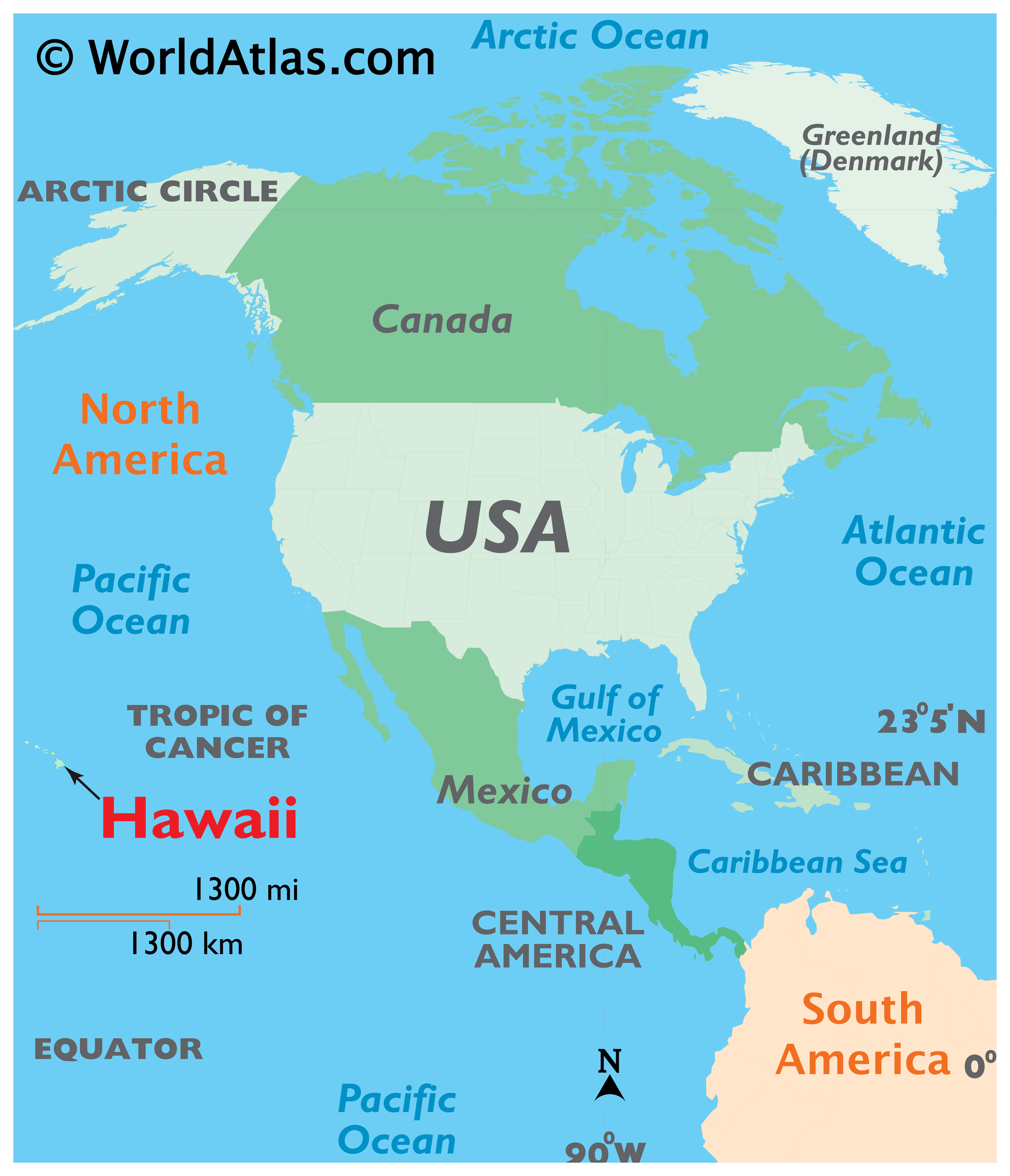
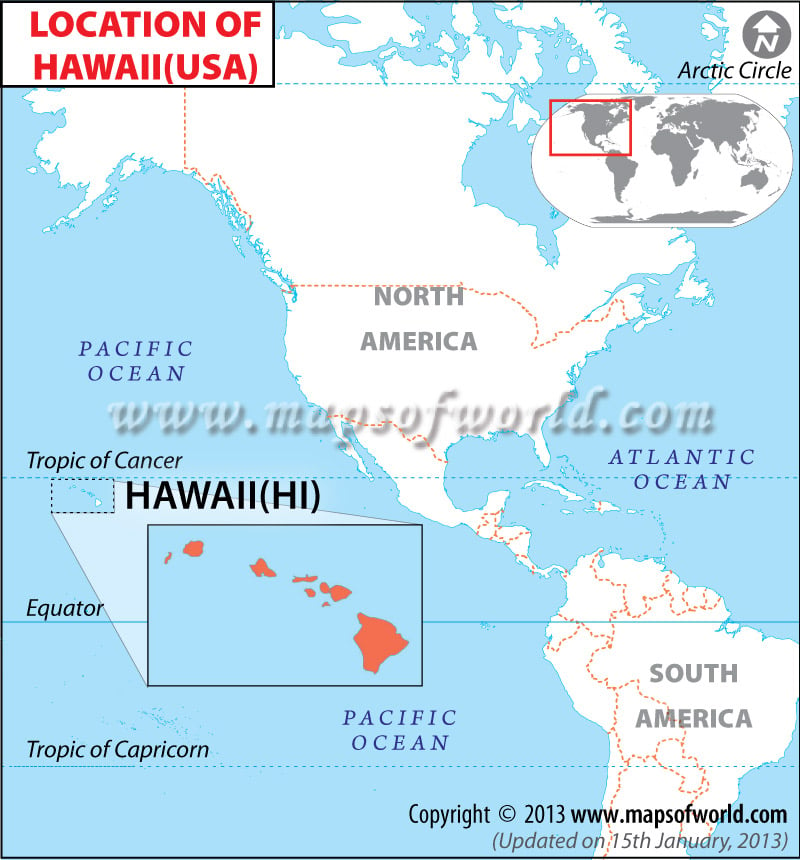
The azure waters of the Pacific Ocean cradle a chain of islands that have captivated imaginations for centuries. From the emerald peaks of volcanic mountains to the sun-drenched sands of world-renowned beaches, the archipelago of Hawaii offers an unparalleled escape. But with its unique Polynesian heritage, distinct cultural identity, and geographical remoteness, a question often arises for travelers and history buffs alike: is Hawaii truly a part of America? The answer, steeped in a complex history, is a resounding yes, though its journey to statehood was a long and often turbulent one.
The Enchanting Islands: More Than Just a Tropical Paradise
Hawaii is not a single entity but a vibrant collection of islands, each possessing its own charm and allure. The most populous and well-known islands include Oahu, home to the bustling capital city of Honolulu and the iconic shores of Waikiki Beach; the volcanic island of Hawaii, often called the “Big Island,” boasting active volcanoes like Kīlauea and diverse landscapes from black sand beaches to snow-capped mountains; Maui, celebrated for its stunning sunsets from Haleakala National Park and the scenic drive along the Road to Hana; and the serene island of Kauai, known as the “Garden Isle” for its lush rainforests and dramatic cliffs of the Na Pali Coast.
These islands have long been a draw for travelers seeking adventure, relaxation, and cultural immersion. The sheer diversity of experiences available is astounding. For the intrepid explorer, there are opportunities for world-class surfing on the north shore of Oahu at breaks like Banzai Pipeline, hiking through verdant valleys, or snorkeling and diving in crystal-clear waters teeming with marine life. For those seeking tranquility, secluded beaches, luxurious resorts, and world-class spas offer the perfect setting to unwind.
The allure of Hawaii extends beyond its natural beauty. Its rich tapestry of local culture is a significant part of its appeal. The spirit of “aloha,” a concept encompassing love, peace, and compassion, permeates the islands. Visitors can experience this firsthand through traditional luau celebrations, where they can savor Kalua pig, learn the hula, and listen to the melodic strumming of the ukulele. Exploring local food scenes, from fresh poke bowls to shave ice, offers a delicious insight into the island’s culinary heritage, influenced by a blend of Polynesian, Asian, and American traditions. The history of the islands, from the ancient Hawaiian kingdom to its integration into the United States, adds another layer of depth to any visit, with numerous landmarks and historical sites to explore.
A Journey Through History: From Sovereignty to Statehood
The question of Hawaii’s status is intrinsically linked to its captivating and complex history, a narrative that sets it apart from mainland America. For centuries, the islands were an independent and sovereign nation, ruled by a succession of monarchs. The ancient Hawaiians developed a sophisticated society with a rich oral tradition, unique religious beliefs, and advanced agricultural and seafaring practices.
The arrival of Captain James Cook in 1778 marked the beginning of significant change. Subsequent interactions with foreign powers, particularly from Europe and the United States, gradually eroded the Hawaiian Kingdom‘s autonomy. American businessmen and missionaries began to exert considerable influence, particularly in the lucrative sugar industry. This influence culminated in the overthrow of Queen Liliuokalani in 1893, orchestrated by American and European businessmen with the support of the U.S. military.
Following the overthrow, a provisional government was established, and efforts were made to annex Hawaii to the United States. This process was not without controversy, and it took several years and a change in presidential administration before Hawaii was formally annexed as a U.S. territory in 1898. As a territory, Hawaii was administered by the federal government, and its citizens were U.S. nationals, but they did not have full voting rights or representation in Congress as they would as residents of a state.

The desire for statehood grew over the decades, fueled by a sense of injustice and a longing for equal rights and representation. World War II played a pivotal role in this movement, as Hawaiians served bravely in the U.S. military, demonstrating their loyalty and commitment to the nation. Despite numerous attempts and growing public support, the path to statehood was arduous, facing political opposition and racial prejudice from some quarters in the continental United States.
The Path to Statehood: A United Future
Finally, on August 21, 1959, after a referendum where an overwhelming majority of Hawaiian residents voted in favor, Hawaii was admitted as the 50th state of the United States. This marked a significant turning point, officially integrating the islands into the American union and granting its citizens full rights and privileges of American citizenship.
The journey from an independent kingdom to a U.S. territory and finally to a state is a crucial aspect of understanding Hawaii’s identity today. While undeniably a part of the United States, Hawaii retains its unique cultural heritage and distinctiveness, a testament to its deep history and the enduring spirit of its people. This duality is what makes Hawaii such a fascinating destination, offering a blend of American familiarity with an exotic allure.
Experiencing Hawaii: Travel, Accommodation, and Lifestyle
For travelers, understanding that Hawaii is indeed part of the United States simplifies many aspects of planning a trip. There are no passport requirements for U.S. citizens, and the U.S. dollar is the currency. However, the experience is far from that of visiting another mainland state. The geographical isolation and distinct cultural influences create an atmosphere of a faraway paradise.
When it comes to travel and accommodation, Hawaii offers an extensive range of options to suit every budget and preference. From the ultra-luxury of a beachfront suite at the Four Seasons Resort Oahu at Ko Olina to charming boutique hotels in historic towns like Lahaina on Maui, there’s an accommodation for every traveler. Many visitors opt for extended stays, finding value in renting apartments or villas to truly immerse themselves in the local lifestyle. Online platforms provide extensive resources for booking, comparing prices, and reading reviews, ensuring travelers can find the perfect base for their island adventures.
The tourism industry in Hawaii is highly developed, catering to a wide array of interests. Beyond the well-trodden paths of Waikiki Beach and the Pearl Harbor National Memorial, there are countless opportunities to delve into local culture. Engaging with local artisans, attending farmers’ markets, or taking a guided tour focused on Hawaiian history and traditions can enrich any visit. The National Park Service manages several incredible natural landmarks, including Hawaii Volcanoes National Park on the Big Island, offering breathtaking scenery and geological wonders.
Lifestyle choices in Hawaii can range from opulent luxury travel, with private chefs and exclusive excursions, to budget-conscious trips that focus on the natural beauty and affordable local eateries. Family trips are incredibly popular, with activities catering to all ages, from gentle ocean swims to exploring the wonders of marine life at the Maui Ocean Center. Business stays are also common, with many opting to extend their trips for leisure, enjoying the island’s unique blend of work and play.
In essence, while the question “Is Hawaii a part of America?” might surface due to its distinct island identity, the answer is unequivocally yes. Its history, governance, and citizenship are intertwined with the fabric of the United States. Yet, Hawaii remains a captivating destination that offers a world away, a place where the spirit of aloha thrives amidst unparalleled natural beauty and a rich, enduring culture.