
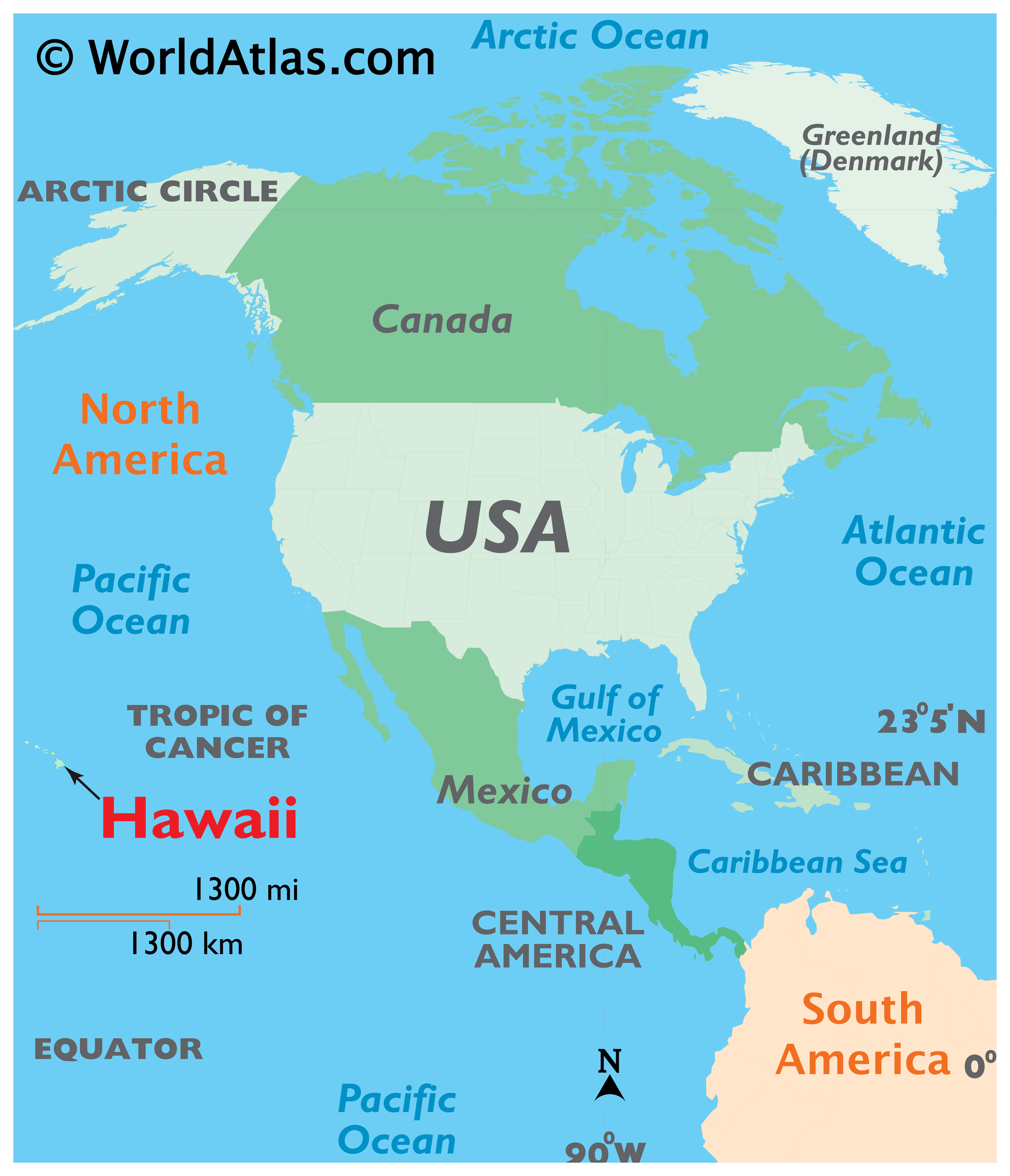
The question “Is Hawaii a State in the US?” might seem straightforward to many, but it often sparks curiosity about the unique identity and history of this Pacific gem. The definitive answer is a resounding yes. Hawaii proudly holds its place as the 50th state of the United States of America, having officially joined the Union on August 21, 1959. However, the journey to statehood for this archipelago of volcanic islands is a fascinating tale woven with threads of ancient Polynesian heritage, monarchical rule, strategic importance, and cultural resilience. Beyond its political status, Hawaii represents a distinct blend of natural beauty, vibrant traditions, and modern appeal, making it one of the world’s most sought-after travel destinations.
For travelers, Hawaii is much more than just a state; it’s an experience. It embodies the “Aloha Spirit” – a philosophy of kindness, harmony, humility, and patience that permeates every aspect of island life. From the moment you land, you’re not just arriving at a destination; you’re stepping into a unique lifestyle characterized by breathtaking landscapes, warm hospitality, and a rich cultural tapestry. This article delves into Hawaii’s journey to statehood, explores its geography and cultural fabric, and guides you through its unparalleled offerings as a premier tourist hotspot, touching upon everything from luxury accommodations to unforgettable adventures.
The Definitive Answer and Its Historical Journey
The path for Hawaii to become the 50th state of the United States was complex and spanned several centuries, reflecting periods of isolation, exploration, kingdom rule, and ultimately, integration into the American political landscape. Understanding this history is crucial to appreciating the islands’ unique position today.
From Polynesian Kingdom to American Territory
The story of Hawaii begins long before any Western contact, with the arrival of Polynesian navigators around the 4th to 7th centuries AD. These skilled voyagers traveled thousands of miles across the Pacific, guided by stars and currents, to settle the remote islands. For centuries, the Hawaiian islands thrived as independent kingdoms, developing a sophisticated social structure, an intricate religious system, and a rich oral tradition. Each island often had its own ruling chiefs, leading to periods of both peace and conflict.
It wasn’t until 1778 that European contact was made when British explorer Captain James Cook stumbled upon the archipelago, naming them the “Sandwich Islands.” This marked a turning point, opening Hawaii to Western trade, missionaries, and unfortunately, diseases that decimated the native population. In the late 18th century, a powerful chief named Kamehameha I embarked on a quest to unify the islands under a single rule. Through diplomacy and warfare, he succeeded in establishing the Kingdom of Hawaii in 1810, a monarchy that would endure for nearly a century.
The 19th century saw Hawaii become a strategic port in the Pacific, attracting whaling ships, merchants, and foreign powers interested in its resources and location. The United States, in particular, grew increasingly influential, with American missionaries and sugar planters establishing significant economic and political footholds. This growing influence eventually led to internal tensions. In 1887, under pressure from American and European business interests, King Kalākaua was forced to sign the “Bayonet Constitution,” which drastically limited the monarch’s power and disenfranchised many native Hawaiians. The final blow to the monarchy came in 1893 when Queen Liliʻuokalani, the last reigning monarch, was overthrown in a coup led by American and European residents. This led to the establishment of the Republic of Hawaii, with Sanford B. Dole as its first president. In 1898, against the wishes of many native Hawaiians, the United States formally annexed Hawaii, and it became an organized territory.
The Road to Statehood: A Pivotal Moment
For over 60 years, Hawaii remained a territory, navigating its identity while contributing significantly to the United States, especially during World War II. The devastating Attack on Pearl Harbor on December 7, 1941, thrust Hawaii onto the global stage, highlighting its critical strategic importance in the Pacific. Thousands of Hawaiians, including a large number of Japanese Americans, bravely served in the US armed forces during the war, demonstrating their loyalty and commitment.
Following the war, the push for statehood gained momentum. Arguments centered on Hawaii’s long-standing democratic traditions, its diverse population, and its economic contributions to the nation. Despite some opposition, primarily due to concerns about its non-contiguous location and multi-ethnic population, the political climate eventually favored admission. On March 12, 1959, the United States Congress passed the Hawaii Admission Act, and following a referendum where over 94% of territorial voters favored statehood, President Dwight D. Eisenhower signed the proclamation on August 21, 1959, officially making Hawaii the 50th state. This historic event marked a new chapter for the islands, integrating them fully into the American fabric while allowing their unique culture and heritage to flourish.
A Tapestry of Islands: Geography, Climate, and Biodiversity
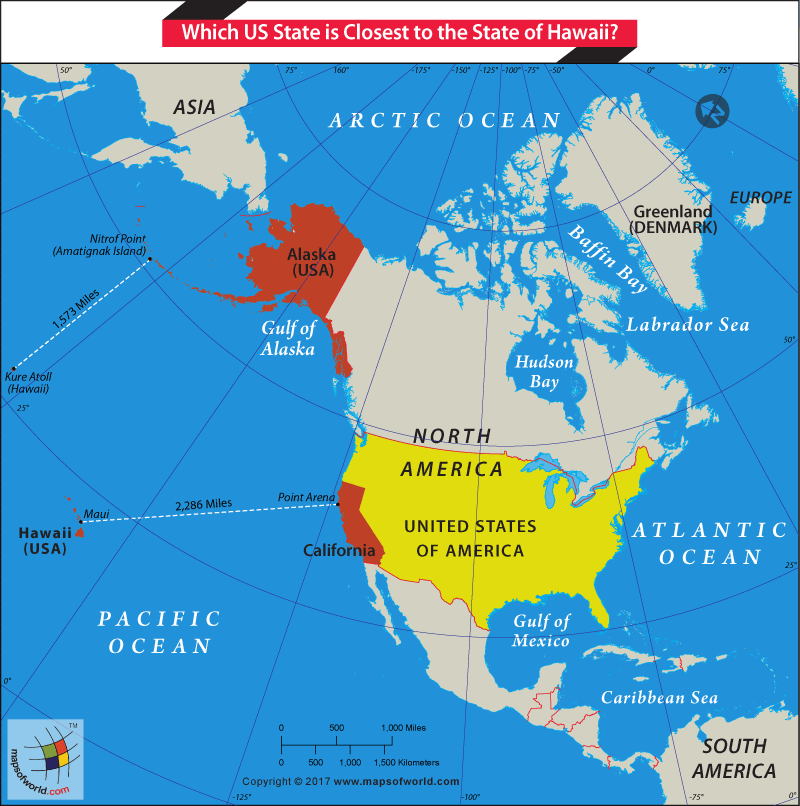
The very geography of Hawaii is a central part of its allure, offering an incredible diversity of landscapes, climates, and ecosystems across its distinct islands. Formed by volcanic activity over millions of years, this archipelago is a living testament to the powerful forces of nature.
The Eight Main Islands: Diverse Landscapes
The Hawaiian island chain stretches over 1,500 miles, but comprises eight main islands, each with its own character and appeal for visitors. From east to west, these are Hawaii Island (often called the Big Island), Maui, Kahoolawe, Lanai, Molokai, Oahu, Kauai, and Niihau. Kahoolawe is uninhabited, primarily used for cultural practices and environmental restoration, while Niihau is privately owned and has limited access, largely preserving the traditional Hawaiian way of life.
- Oahu: The Gathering Place – Home to the state capital, Honolulu, and the iconic Waikiki Beach, Oahu is the most populous island, blending urban sophistication with natural beauty. It’s a hub for tourism, offering everything from world-class surfing on the North Shore to historical sites like Pearl Harbor and hiking up Diamond Head.
- Maui: The Valley Isle – Renowned for its stunning beaches, luxury resorts, and the scenic Road to Hana, Maui offers a balance of adventure and relaxation. Its dormant volcano, Haleakala, provides spectacular sunrises, while the historic town of Lahaina offers a glimpse into its whaling past.
- Hawaii Island (The Big Island): The Orchid Isle – As its name suggests, it’s the largest island, still growing thanks to the active volcanoes within Hawaii Volcanoes National Park. It boasts an incredible range of climates and landscapes, from snow-capped peaks to black sand beaches and lush rainforests, with cities like Kailua-Kona and Hilo as key centers.
- Kauai: The Garden Isle – Characterized by dramatic cliffs, cascading waterfalls, and verdant rainforests, Kauai is a paradise for nature lovers. The awe-inspiring Na Pali Coast and the vast Waimea Canyon are among its most iconic features, offering unparalleled hiking and scenic vistas.
- Molokai: The Friendly Isle – Less developed and steeped in Hawaiian culture, Molokai offers an authentic, off-the-beaten-path experience, known for its pristine natural beauty and tranquil atmosphere.
- Lanai: The Pineapple Isle – Once a pineapple plantation, Lanai is now home to luxurious resorts and rugged landscapes, offering a secluded escape for those seeking tranquility and exclusive experiences.
Volcanic Origins and Unique Ecosystems
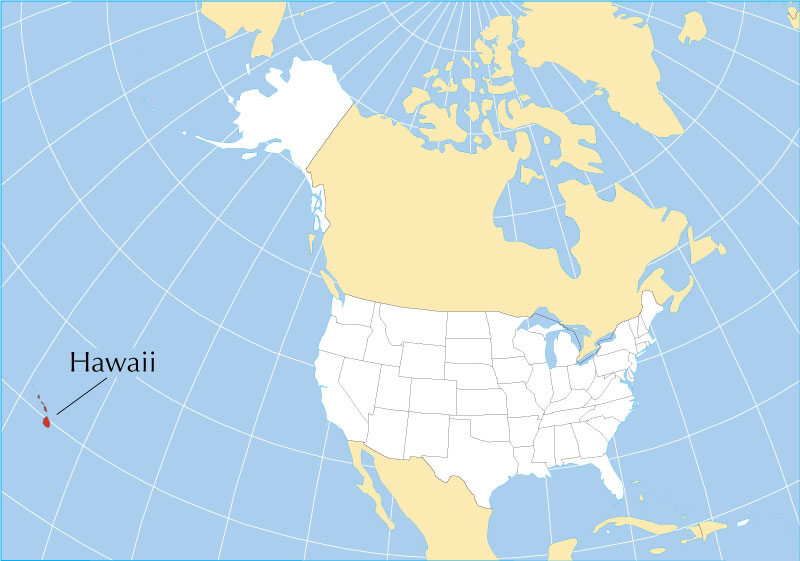
The Hawaiian Islands are the exposed peaks of a vast underwater mountain range, formed by volcanic eruptions as the Pacific Plate moves over a “hot spot” in the Earth’s mantle. This geological process is still active, particularly on the Big Island, where Kilauea and Mauna Loa continue to shape the landscape. This volcanic origin has created a truly unique and diverse environment.
The isolation of Hawaii in the middle of the Pacific Ocean has led to the evolution of an extraordinary array of endemic species – plants and animals found nowhere else on Earth. The islands boast a staggering biodiversity, from vibrant coral reefs teeming with marine life to lush rainforests inhabited by rare birds and unique flora. This delicate ecosystem is a national treasure, leading to significant conservation efforts and the establishment of numerous national and state parks dedicated to preserving its natural wonders. The climate, while generally tropical, varies dramatically with elevation and windward/leeward sides of the islands, allowing for everything from arid desert-like conditions to perpetually wet rainforests. This microclimate phenomenon adds another layer to Hawaii’s geographical marvels.
Unveiling Hawaiian Culture: Traditions, Language, and Lifestyle
The heart of Hawaii beats with a unique cultural rhythm, a fusion of ancient Polynesian traditions, American influences, and contributions from various immigrant communities, including those from Japan, China, the Philippines, and Korea. This vibrant blend creates a rich tapestry that defines the lifestyle and spirit of the islands.
Aloha Spirit: More Than Just a Greeting
The “Aloha Spirit” is not merely a marketing slogan; it is a profound philosophy deeply ingrained in Hawaiian culture. “Aloha” literally means “presence of breath” or “breath of life” and is used to express love, affection, peace, compassion, and mercy. It represents a way of living and treating others with respect and understanding. This spirit extends to hospitality, generosity, and a deep connection to the land (aina) and sea (kai). Visitors quickly feel this warmth and welcoming attitude, making their travel experiences genuinely unforgettable.
Central to Hawaiian culture are traditions like the hula, an intricate dance form that tells stories through movement, chant, and costume. Luaus, traditional Hawaiian feasts, are another quintessential cultural experience, offering delicious food, live music, and performances, fostering a sense of community and celebration. The Hawaiian language (ʻŌlelo Hawaiʻi), though once suppressed, is experiencing a revitalization, with immersion schools and cultural programs ensuring its continuity. Symbols like the lei (a garland of flowers or leaves) represent love, honor, and welcome, and are a common sight at greetings and celebrations. Iolani Palace in Honolulu stands as a powerful testament to the kingdom era, offering a glimpse into the opulent lives of Hawaii’s last monarchs and the political struggles they faced.
A Culinary Journey Through the Islands
Hawaiian cuisine is a delicious reflection of its multicultural heritage. It blends indigenous Hawaiian foods with Asian, Portuguese, and American influences, creating a unique “local food” identity. Staples of traditional Hawaiian fare include kalua pig (slow-roasted pork cooked in an imu, an underground oven), lau lau (pork, fish, or chicken wrapped in taro leaves and steamed), and poi (a paste made from mashed taro root).
However, the modern Hawaiian food scene is incredibly diverse. You can savor fresh, locally caught seafood, often prepared as poke (diced raw fish), a ubiquitous and beloved dish. Plate lunches, a local favorite, offer a hearty combination of an entree (like teriyaki chicken or katsu), two scoops of rice, and macaroni salad. For a sweet treat, shave ice is a must-try, often topped with tropical syrups, condensed milk, and even ice cream. The islands’ fertile volcanic soil also yields an abundance of tropical fruits like mangoes, papayas, and pineapples, along with world-famous Kona coffee grown on the Big Island. Exploring the culinary landscape of Hawaii is an adventure in itself, providing a true taste of the islands’ rich cultural fusion.
Hawaii as a Premier Travel Destination: Attractions and Experiences
As a state in the US, Hawaii enjoys the benefits of American infrastructure and ease of travel for domestic visitors, yet it retains a distinctly international and exotic appeal. Its status as a top-tier travel destination is well-earned, offering an unparalleled array of attractions, accommodations, and activities for every type of traveler.
Must-Visit Landmarks and Natural Wonders
Hawaii is brimming with iconic landmarks and natural wonders that draw millions of visitors annually. On Oahu, besides the historical significance of the USS Arizona Memorial at Pearl Harbor, travelers flock to Waikiki Beach for surfing lessons, sunbathing, and vibrant nightlife, while the challenging hike up Diamond Head Crater offers panoramic views of Honolulu and the coast. The Polynesian Cultural Center provides an immersive experience into the cultures of the Pacific. Secluded stretches like Kailua Beach and Lanikai Beach on Oahu’s windward side are consistently ranked among the world’s best for their pristine sands and turquoise waters.
On Maui, driving the scenic Road to Hana is an adventure of a lifetime, winding through lush rainforests to breathtaking waterfalls and secluded black sand beaches. Watching the sunrise from the summit of Haleakala National Park is a spiritual experience. Kaanapali Beach and Wailea Beach offer luxurious resort settings and excellent snorkeling. The Big Island is defined by Hawaii Volcanoes National Park, where visitors can witness the raw power of creation as lava flows (when active) and steam vents shape new land. Kauai’s dramatic Na Pali Coast is best explored by boat or helicopter, revealing towering sea cliffs and hidden valleys, while the “Grand Canyon of the Pacific,” Waimea Canyon, offers stunning vistas and hiking opportunities. Each island presents its own unique collection of natural beauty and historical sites, ensuring that every visit can be tailored to different interests.
Accommodation Choices: From Luxury Resorts to Boutique Stays
Accommodation in Hawaii caters to a wide spectrum of preferences and budgets, reflecting its status as a diverse travel destination. For those seeking opulence and unparalleled service, the islands boast an array of luxury resorts and hotels, particularly in areas like Waikiki on Oahu, Kaanapali and Wailea on Maui, and Kailua-Kona on the Big Island. These properties often feature private beaches, world-class spas, gourmet dining, and extensive amenities, providing an ideal setting for romantic getaways, business stays, or indulgent family trips. Many offer various suites, villas, and apartment-style accommodations, perfect for longer stays or those desiring more space and privacy.
Budget-conscious travelers also have plenty of options, including charming boutique hotels, vacation rentals, and even hostels in more urban areas. Renting an apartment or a private villa can be an excellent choice for families or groups, offering a more localized experience and the convenience of a home away from home. Websites dedicated to booking and reviews are invaluable tools for comparing prices and finding the perfect stay. Whether you prefer a beachfront bungalow, a secluded mountain retreat, or a bustling city hotel, Hawaii’s accommodation landscape is designed to ensure comfort and convenience.
Crafting Your Hawaiian Adventure: Activities and Tips
Planning a trip to Hawaii means deciding how to immerse yourself in its vibrant culture and natural splendor. Activities abound, ranging from thrilling water sports to serene cultural experiences. Surfing, snorkeling, and scuba diving are immensely popular, with countless opportunities to explore vibrant coral reefs and swim alongside tropical fish and sea turtles. Whale watching (seasonal, typically November to May) is a highlight, especially off the coast of Maui. For adventurers, hiking trails lead to spectacular waterfalls, lush valleys, and volcanic landscapes, catering to all fitness levels. Helicopter tours offer breathtaking aerial views of inaccessible areas like the Na Pali Coast.
Cultural activities, such as attending a luau, taking hula lessons, or visiting historic sites, provide deeper insights into Hawaiian traditions. Food tours offer a delectable way to sample local cuisine, from farmers’ markets to fine dining. For those seeking relaxation, spa treatments utilizing traditional Hawaiian techniques and leisurely days on pristine beaches are readily available.
When planning your trip, consider the best time to visit (typically outside of peak seasons like winter holidays and summer for fewer crowds and potentially better deals), and research inter-island travel options if you plan to explore multiple islands. Renting a car is often recommended for exploring each island at your own pace. Respecting local customs, such as removing shoes before entering homes and showing appreciation for the environment, enhances the experience for both visitors and residents. Whether you envision a luxury escape, a budget-friendly adventure, or a family-focused vacation, Hawaii offers a personalized journey that will leave you with cherished memories.
In conclusion, Hawaii is unequivocally a state in the US, a status it earned through a complex historical process. Yet, its allure goes far beyond this political fact. It is a living, breathing destination that invites travelers to explore its diverse geography, embrace its unique culture, and indulge in its myriad experiences. From the historical significance of Pearl Harbor to the serene beaches of Kauai and the active volcanoes of the Big Island, Hawaii offers a world of discovery. It’s a place where ancient traditions harmonize with modern comforts, promising an unforgettable journey for every visitor.