
Absolutely, yes! Hawaii is indeed the 50th state of the United States, having officially joined the Union on August 21, 1959. This tropical paradise, famous for its stunning beaches, active volcanoes, and rich Polynesian culture, offers a unique travel experience that combines the exotic allure of island life with the familiarity and convenience of domestic travel for US citizens. Its status as a state profoundly impacts everything from travel logistics and legal frameworks to the very essence of its vibrant tourism industry and diverse accommodation options. For travelers exploring destinations, planning experiences, or seeking local culture, understanding Hawaii’s place within the US is key to unlocking the full potential of an unforgettable journey to the Aloha State.
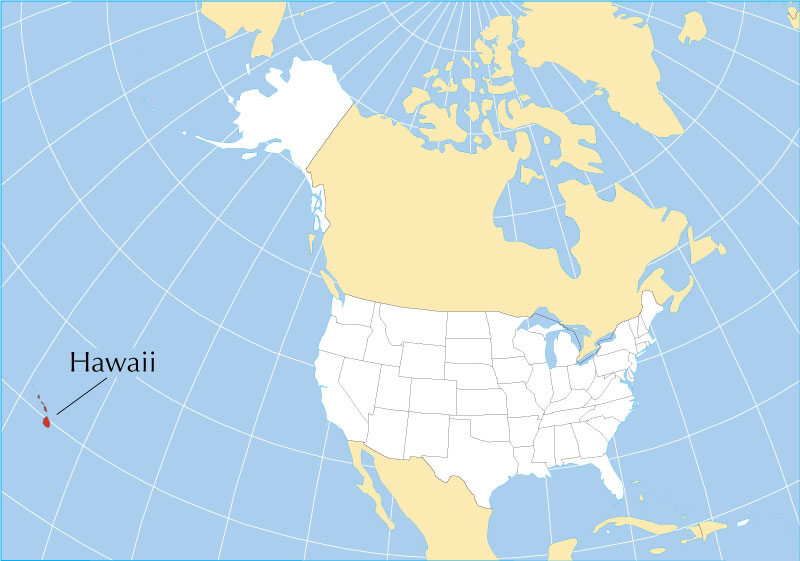
Hawaii’s Journey to Statehood: A Brief History
The story of Hawaii’s statehood is a fascinating chapter in both American and Pacific history, transitioning from an independent monarchy to a US territory and finally to its current status as the 50th state. This historical context enriches any visit, providing a deeper appreciation for its unique cultural tapestry and the landmarks that tell its story.
From Kingdom to Territory
Prior to its annexation by the United States, Hawaii existed as an independent kingdom. Unified in 1810 by King Kamehameha I, the Kingdom of Hawaii flourished for nearly a century, establishing diplomatic ties with major world powers. However, in the late 19th century, increasing foreign influence, particularly from American business interests, led to significant political upheaval. In 1893, American and European businessmen, supported by the US military, overthrew Queen Liliuokalani, the last reigning monarch. This led to the establishment of a provisional government, which soon became the Republic of Hawaii.
The formal annexation by the United States occurred in 1898, driven by strategic military interests during the Spanish-American War and the growing economic power of American sugar planters. Hawaii was then organized as a US territory, a status it maintained for over 60 years. During this territorial period, its economy boomed, fueled by sugarcane and pineapple plantations, and its strategic location in the Pacific became even more critical, especially during World War II, with the devastating attack on Pearl Harbor on Oahu on December 7, 1941.
The Road to the 50th State
The movement for Hawaiian statehood gained significant momentum after World War II. Despite facing initial resistance, particularly from those concerned about Hawaii’s non-contiguous location and diverse ethnic population, advocates highlighted the loyalty of its citizens, their contributions to the war effort, and the economic benefits of full integration into the United States. After years of lobbying and political debate, the US Congress passed the Hawaii Admission Act in March 1959. A plebiscite was then held in Hawaii, where residents overwhelmingly voted in favor of statehood. On August 21, 1959, Hawaii was officially admitted as the 50th state, completing the modern map of the United States. This historic event marked a new era for the islands, further cementing their place within the American framework while retaining their distinct cultural identity.
What Statehood Means for Your Hawaiian Travel Experience
Hawaii’s status as a US state simplifies and enhances the travel experience for millions of visitors annually. It fundamentally shapes aspects of travel logistics, legal protections, and the infrastructure that supports the robust tourism industry. For travelers from the United States, planning a trip to Hawaii is as straightforward as visiting any other state, eliminating many of the complexities associated with international travel.
Seamless Domestic Travel and Entry
One of the most significant advantages of Hawaii’s statehood is the ease of travel for US citizens. There’s no need for a passport, visa, or currency exchange. Visitors can simply present a valid government-issued ID, such as a driver’s license, for flights within the US, including those to and from Hawaii. This seamless entry and exit process makes spontaneous trips possible and reduces travel-related stress. The official currency is the US Dollar, and English is the predominant language, though Hawaiian is also an official language, adding to the local charm without creating a language barrier for most visitors. Furthermore, standard US postal services, mobile phone networks, and banking systems operate throughout the islands, ensuring a familiar and convenient experience for domestic tourists.
Legal Frameworks and Consumer Protection
As a US state, Hawaii operates under federal and state laws, offering travelers the same consumer protections and legal recourse they would expect anywhere else in the United States. This includes regulations pertaining to hotels, tour operators, rental car agencies, and other tourism-related services. Visitors can have confidence in booking accommodations, activities, and transportation, knowing that established legal frameworks are in place to ensure safety, quality, and fair business practices. This peace of mind is invaluable, especially when investing in luxury travel experiences or planning family trips that require careful coordination and reliability. Should any issues arise, the process for addressing them is consistent with domestic standards, simplifying potential complications.
Infrastructure and Accessibility
Hawaii’s statehood has also led to the development of robust infrastructure, supported by federal funding and adhering to US standards. This includes well-maintained airports (such as Daniel K. Inouye International Airport in Honolulu), extensive road networks, and modern utilities across its major islands like Oahu, Maui, Kauai, and Hawaii Island (Big Island). Inter-island travel is facilitated by multiple regional airlines, offering frequent and convenient flights between the main islands, allowing visitors to easily explore diverse landscapes and attractions. High-speed internet, reliable cellular service, and accessible facilities for travelers with disabilities are also widely available, making Hawaii a comfortable and convenient destination for a broad range of visitors, including those on business stays or long-term stays. The consistent level of service and infrastructure aligns with expectations for any modern travel destination within the US.
Exploring the Aloha State: Destinations, Attractions, and Experiences
The allure of Hawaii lies in its stunning natural beauty, rich cultural heritage, and diverse array of activities. Each island offers its own unique charm and a wealth of experiences, from sun-drenched beaches and lush rainforests to historic landmarks and vibrant local culture. Understanding these distinctions is crucial for crafting the perfect travel itinerary.
Iconic Islands and Their Charms
The main inhabited islands, Oahu, Maui, Kauai, and Hawaii Island, each present a distinct character and set of attractions:
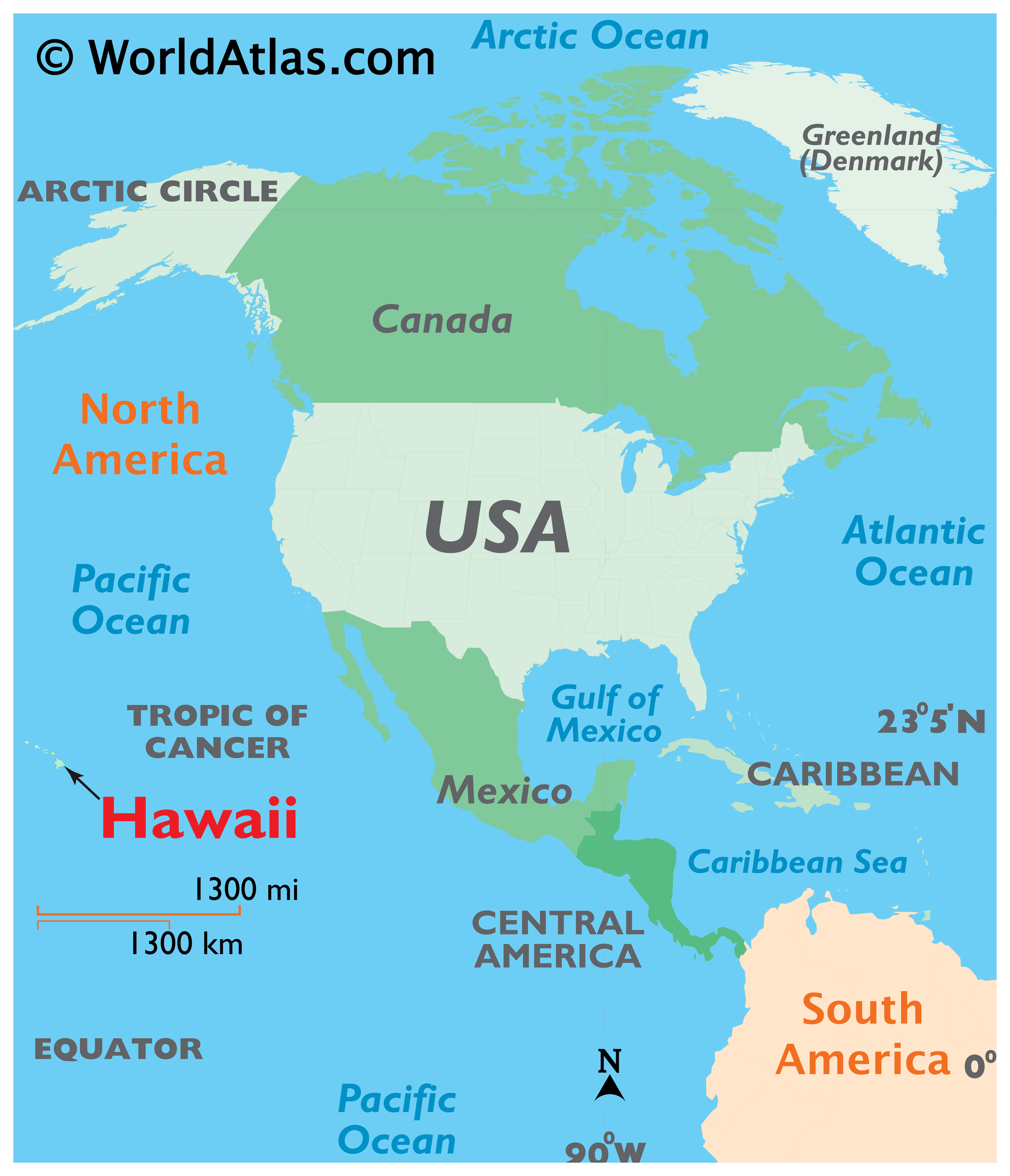
- Oahu: The Gathering Place – Home to the capital city of Honolulu and the iconic Waikiki Beach, Oahu is the most populous and developed island. It blends urban sophistication with natural beauty, offering world-class dining, shopping, and nightlife alongside stunning surf breaks on the North Shore and historical sites like Pearl Harbor.
- Maui: The Valley Isle – Known for its romantic allure and breathtaking landscapes, Maui is a favorite for honeymoons and luxury travel. It boasts the scenic Hana Highway, the majestic sunrise at Haleakala National Park, and picturesque towns like Lahaina and resorts in Wailea and Ka’anapali.
- Hawaii Island (The Big Island): The Orchid Isle – The largest of the islands, Hawaii Island is a land of dramatic contrasts, from snow-capped mountains to black sand beaches. It is home to Volcanoes National Park, where visitors can witness active lava flows and steam vents, and offers diverse climates for coffee tours in Kailua-Kona or exploring waterfalls near Hilo.
- Kauai: The Garden Isle – Renowned for its dramatic cliffs, lush rainforests, and cascading waterfalls, Kauai is a haven for nature lovers and adventurers. The awe-inspiring Na Pali Coast and the vast “Grand Canyon of the Pacific,” Waimea Canyon State Park, are among its most iconic sights, with the main airport in Lihue.
- Molokai and Lanai: The Secluded Isles – For those seeking a more secluded and authentic Hawaiian experience, Molokai offers a glimpse into old Hawaii’s rural charm, while Lanai provides exclusive luxury resorts and pristine, uncrowded beaches, ideal for intimate getaways or luxury travel experiences.
Must-See Landmarks and Natural Wonders
Hawaii is brimming with famous places, architecture, and natural wonders that captivate visitors:
- Diamond Head State Monument on Oahu offers panoramic views of Waikiki and the Pacific Ocean after a rewarding hike.
- The USS Arizona Memorial at Pearl Harbor is a poignant tribute to a pivotal moment in US history.
- Iolani Palace, the only official residence of a reigning monarch in the United States, provides insight into Hawaii’s royal past.
- The Bishop Museum in Honolulu is a treasure trove of Hawaiian and Polynesian artifacts and natural history.
- Adventure seekers can explore Kualoa Ranch, a private nature reserve and working cattle ranch on Oahu famous as a filming location for Hollywood blockbusters, offering everything from ATV tours to horseback riding.
- On Maui, the Road to Hana (officially Hana Highway) winds through lush rainforests, past countless waterfalls and scenic viewpoints, offering a true immersion in nature. A Maui Pineapple Tour offers a unique agricultural experience.
Cultural Immersion and Local Delights
Beyond its natural beauty, Hawaii offers a rich tapestry of local culture, food, and activities. Visitors can engage with authentic Hawaiian traditions through:
- Luaus: Experience traditional feasts with hula dancing, live music, and delicious local cuisine like kalua pig. The Polynesian Cultural Center on Oahu provides an immersive educational experience showcasing various Polynesian islands.
- Surfing Lessons: Learn to ride the waves on Waikiki Beach or venture to the North Shore to watch professional surfers during winter months.
- Food Tours: Sample local delicacies from plate lunches and poke to fresh seafood and tropical fruits at farmers’ markets and food trucks across the islands. Don’t forget to try a refreshing shave ice!
- Art and Crafts: Explore local galleries and artisan markets for unique souvenirs, from handmade jewelry to traditional wood carvings.
- Volunteering: Engage in voluntourism opportunities, helping with conservation efforts or local community projects, for a deeper connection to the islands.
These experiences, combined with the laid-back island lifestyle, make Hawaii a destination that caters to a wide array of interests, from adventurous explorations to tranquil relaxation.
Planning Your Stay: Accommodation and Lifestyle in Hawaii
As a premier travel destination, Hawaii boasts a comprehensive range of accommodation options and caters to various lifestyles, from ultimate luxury to budget-conscious adventures, family trips, and essential business stays. The state’s tourism infrastructure is designed to welcome every kind of traveler, ensuring their stay is comfortable, convenient, and memorable.
From Luxury Resorts to Budget-Friendly Stays
Hawaii’s accommodation landscape is incredibly diverse, offering choices that cater to every preference and budget. For those seeking opulence and unparalleled service, the islands are home to some of the world’s most exquisite luxury resorts. These establishments often feature pristine beachfront locations, multiple swimming pools, award-winning spas, gourmet dining, and concierge services that arrange everything from private excursions to exclusive events. Examples include the Four Seasons Resort Maui at Wailea, The Royal Hawaiian, A Luxury Collection Resort on Waikiki Beach, the iconic Grand Wailea, A Waldorf Astoria Resort on Maui, and The Ritz-Carlton Kapalua, also on Maui. Family-friendly luxury is also a highlight, with resorts like Aulani, A Disney Resort & Spa on Oahu offering specialized programs and amenities for all ages.
On the other end of the spectrum, budget-conscious travelers will find numerous options ranging from comfortable hotels and guesthouses to hostels and vacation rentals. Websites for booking, reviews, and comparison are readily available, making it easy to find deals and read genuine feedback from previous guests. Properties like the Aston Waikiki Beach Hotel or boutique hotels like The Surfjack Hotel & Swim Club offer stylish yet more affordable alternatives. For those looking for long-term stays, apartment rentals and villas are also popular, providing a home-away-from-home experience, often with kitchen facilities to save on dining costs.
Diverse Accommodation Options
Beyond traditional hotels and resorts, Hawaii offers a variety of unique accommodation types tailored to specific travel styles:
- Villas and Vacation Rentals: Ideal for families or groups, these offer privacy, space, and often private pools or direct beach access. Platforms for comparison and booking make finding the perfect villa simple.
- Condos and Apartments: Popular for longer stays, these accommodations provide more living space and kitchen facilities, offering a sense of local living. Many, like The Ritz-Carlton Residences, Waikiki Beach, blend apartment living with resort amenities.
- Boutique Hotels: Smaller, often locally owned, these hotels offer personalized service, unique design, and a strong sense of place, reflecting the local culture and history.
- Eco-Lodges and Retreats: For environmentally conscious travelers, several properties focus on sustainability, offering immersive experiences in nature, particularly on less developed islands or in specific regions like the Big Island’s rainforests. The newly rebuilt Kona Village, A Rosewood Resort is an example of sustainable luxury. While historically prominent, places like The Lodge at Koele on Lanai exemplify the evolution of diverse lodging options.
When choosing, it’s always advisable to consult reviews and comparison sites to ensure the amenities, location, and price align with your travel objectives, whether it’s a romantic getaway or a robust business stay at a property close to the Hawaii Convention Center.

Lifestyle and Activities for Every Traveler
Hawaii’s statehood ensures a high standard of tourism infrastructure, supporting a myriad of activities and lifestyles that cater to every visitor:
- Luxury Travel: Indulge in private yacht charters, helicopter tours over active volcanoes, exclusive spa treatments, and gourmet dining experiences at resorts that exemplify opulence.
- Budget Travel: Explore free beaches, hike scenic trails, enjoy affordable local eats from food trucks, and opt for self-catering accommodations to make your budget stretch further.
- Family Trips: From calm swimming beaches and snorkeling with vibrant marine life to cultural workshops and kid-friendly resorts, Hawaii offers endless opportunities for family fun. Attractions like the Polynesian Cultural Center and Kualoa Ranch are particularly popular for families.
- Business Stays: With modern convention centers, reliable internet, and professional services, Hawaii is also a viable destination for conferences and business meetings, offering a unique backdrop for corporate events that blend work with relaxation. Many resorts cater to business travelers with dedicated facilities.
- Adventure Seekers: Surf lessons, scuba diving, hiking to waterfalls, ziplining through rainforests, and exploring lava tubes provide adrenaline-pumping experiences.
- Culture Enthusiasts: Immerse yourself in the local culture through luaus, visits to historical sites like Iolani Palace, and engaging with local artisans and musicians.
The flexibility and comprehensive offerings of Hawaii’s tourism industry, underpinned by its status as a US state, ensure that every traveler can find their ideal experience, creating lasting memories of their time in this extraordinary archipelago.
In conclusion, Hawaii’s identity as a state of the United States is not merely a historical fact but a fundamental aspect that shapes every visitor’s experience. From the ease of travel and robust consumer protections to the diverse range of destinations, attractions, and accommodation options, statehood provides a familiar yet uniquely exotic framework for exploration. Whether you dream of luxury resorts, thrilling adventures, cultural immersion, or simply relaxing on pristine beaches, Hawaii truly offers something for everyone, making it one of the most beloved and accessible paradises on Earth. Plan your journey to the Aloha State today and discover the magic for yourself.
LifeOutOfTheBox is a participant in the Amazon Services LLC Associates Program, an affiliate advertising program designed to provide a means for sites to earn advertising fees by advertising and linking to Amazon.com. Amazon, the Amazon logo, AmazonSupply, and the AmazonSupply logo are trademarks of Amazon.com, Inc. or its affiliates. As an Amazon Associate we earn affiliate commissions from qualifying purchases.