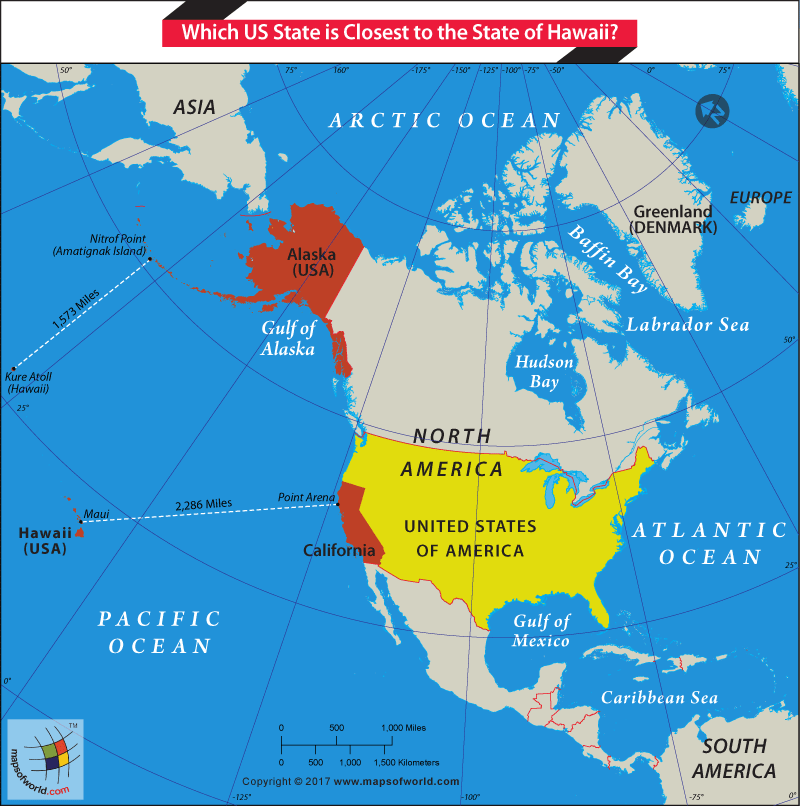
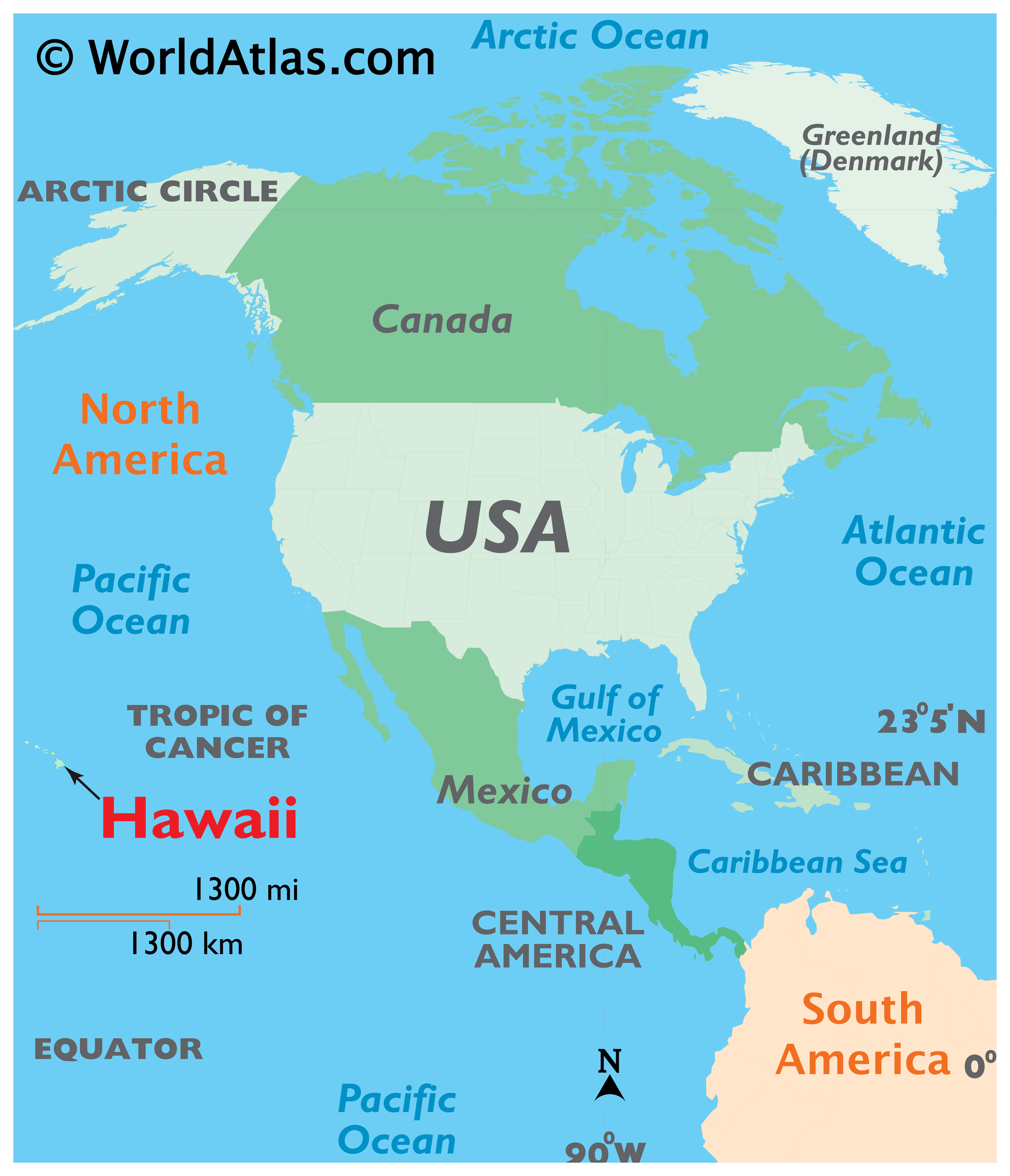
For many prospective travelers dreaming of an idyllic escape to sun-drenched beaches and vibrant tropical landscapes, a fundamental question often arises: Is Hawaii a state of America? The answer, unequivocally, is yes. Hawaii holds the distinct honor of being the 50th state of the United States, a status it officially achieved on August 21, 1959. This tropical archipelago, nestled in the heart of the Pacific Ocean, is far more than just a collection of stunning islands; it is a full-fledged member of the USA, complete with its own unique history, rich culture, and an irresistible allure that makes it one of the world’s most sought-after travel destinations.
Understanding Hawaii’s statehood is not merely a matter of geography or political affiliation; it’s key to appreciating the seamless travel experience it offers American citizens and international visitors alike. As a state, Hawaii operates under federal laws, uses the U.S. dollar, and benefits from the infrastructure and consumer protections that come with being part of the United States. This integration simplifies travel planning, from booking flights and accommodations to navigating local attractions, making it an accessible paradise for millions. For a travel and lifestyle enthusiast, Hawaii represents the pinnacle of diverse experiences, blending indigenous Polynesian heritage with modern amenities, world-class resorts, and breathtaking natural wonders.
Confirming Statehood: A Brief History and Its Significance for Travelers
The journey of Hawaii from an independent kingdom to the 50th United States state is a fascinating narrative, crucial for any traveler seeking to delve deeper than just the surface-level beauty of the islands. This history not only provides context for its unique cultural identity but also explains the ease with which one can explore its diverse offerings today.
From Kingdom to 50th State: A Historical Overview
The Hawaiian Islands were first settled by Polynesian voyagers centuries ago, developing a complex society and a sophisticated system of governance. European contact began in 1778 with the arrival of Captain James Cook. Over the subsequent decades, the islands were unified under King Kamehameha I to form the Kingdom of Hawaii, which maintained its independence for nearly a century. However, increasing foreign influence, particularly from American businessmen and missionaries, eventually led to the overthrow of the monarchy in 1893, with Queen Liliuokalani being the last reigning monarch.
Following a brief period as a republic, Hawaii was annexed by the United States in 1898, becoming a United States Territory. For over 60 years, the islands existed under this status, playing a pivotal role in World War II with the attack on Pearl Harbor. Finally, after decades of debate and a plebiscite where over 90% of voters favored statehood, Hawaii was admitted to the Union on August 21, 1959, becoming the 50th and most recent state.
For travelers, this history is significant. It explains the strong American presence alongside a deeply cherished and preserved Hawaiian culture. It means that while you’re traveling within the United States, you’re also immersed in a distinct Polynesian heritage, with unique traditions, language, and customs that are unlike anywhere else in America. This duality is what makes Hawaii such a compelling destination, offering both the familiarity of domestic travel and the exoticism of an international adventure.
Hawaii’s Allure for Travelers: Beyond the Mainland
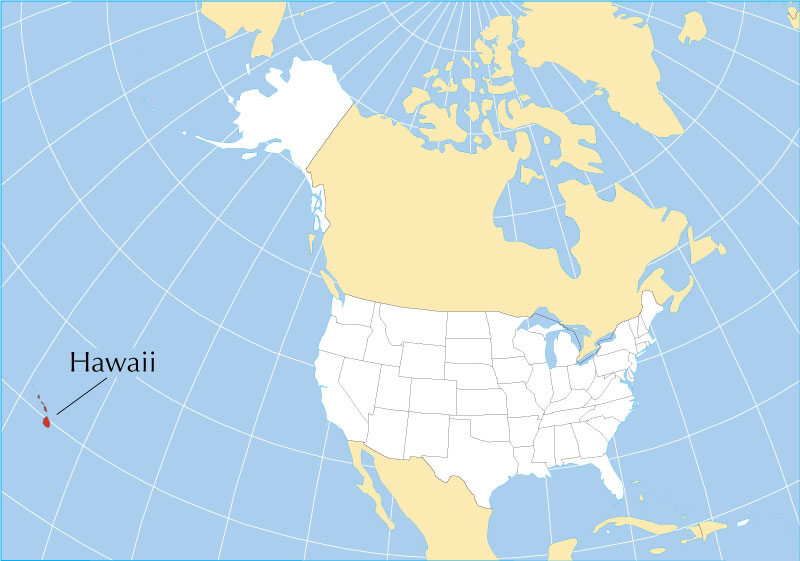
Hawaii’s statehood ensures a smooth travel experience, but it’s the islands’ inherent beauty and diverse offerings that truly captivate the global traveler. Far from the continental United States, this archipelago offers a world of unique experiences tailored for every type of lifestyle, from luxurious retreats to adventurous escapades.
Diverse Landscapes and Unique Attractions
The Hawaiian Islands are a marvel of natural diversity. Each of the main islands—Oahu, Maui, Kauai, and the Big Island (also known as Hawaii Island)—boasts its own distinct personality and attractions. From active volcanoes and snow-capped peaks to lush rainforests and pristine coral reefs, the landscape is ever-changing and endlessly fascinating.
- Oahu: Known as “The Gathering Place,” Oahu is home to the bustling capital city of Honolulu and the iconic Waikiki Beach. Here, urban sophistication meets world-class surfing on the North Shore, and historical reverence is paid at Pearl Harbor. Hikers can conquer the challenging trail up to Diamond Head for panoramic views.
- Maui: “The Valley Isle” is celebrated for its romantic ambiance and stunning natural beauty. Driving the scenic Road to Hana, witnessing a sunrise from atop Haleakala National Park, or relaxing on the golden sands of Kaanapali and Wailea are quintessential Maui experiences.
- Kauai: Nicknamed “The Garden Isle,” Kauai is a verdant paradise characterized by dramatic cliffs, cascading waterfalls, and lush valleys. The awe-inspiring Na Pali Coast is best explored by boat or helicopter, while the “Grand Canyon of the Pacific,” Waimea Canyon, offers spectacular views from its rim.
- Big Island: The largest of the islands, the Big Island is a land of extremes. Home to Hawaii Volcanoes National Park, where visitors can witness Kilauea’s volcanic activity, it also boasts black sand beaches, the towering Mauna Kea volcano (which is often snow-capped in winter), and vibrant marine life perfect for snorkeling and diving.
Beyond these main four, smaller islands like Molokai and Lanai offer more secluded and intimate experiences, appealing to those seeking tranquility and a deeper connection with local culture.
Planning Your Hawaiian Getaway: Destinations, Accommodation & Experiences
As a travel and lifestyle website, we understand that planning the perfect trip involves more than just picking a destination. It’s about finding the right balance of activities, comfort, and cultural immersion. Hawaii’s status as a U.S. state simplifies many logistical aspects, allowing travelers to focus on crafting their ideal itinerary.
Island-Hopping and Top Destinations
Deciding which island to visit, or whether to island-hop, is a key decision. Each island offers distinct attractions and vibes:
- For first-timers and urban explorers: Oahu is often the go-to, with its vibrant Honolulu nightlife, famous Waikiki beaches, and historical sites like Pearl Harbor. Don’t miss the epic surf breaks on the North Shore or a visit to Kualoa Ranch for adventure activities.
- For romance and luxury: Maui shines with its upscale resorts in Wailea and Kaanapali, stunning sunsets, and the iconic Road to Hana. The charming town of Lahaina also offers a taste of historical Hawaii.
- For nature lovers and adventurers: Kauai is unparalleled with its dramatic Na Pali Coast, lush Waimea Canyon, and tranquil spots like Hanalei Bay and Princeville.
- For geological wonders and space enthusiasts: The Big Island offers active volcanoes at Hawaii Volcanoes National Park, stargazing from Mauna Kea, and diverse climates ranging from the sunny Kailua-Kona side to the rainy Hilo region.
Inter-island flights are frequent and relatively inexpensive, making it easy to experience the unique flavor of several islands during one trip.
Where to Stay: Hotels, Resorts, and Vacation Rentals
Hawaii caters to every budget and travel style when it comes to accommodations. As part of the United States, the lodging industry adheres to high standards, offering a wide array of options:
- Luxury Resorts: For a pampered experience, brands like Four Seasons, Ritz-Carlton, and independent five-star properties offer exquisite suites, world-class amenities, spas, and private beach access. These are perfect for honeymooners, luxury travelers, and those seeking a truly indulgent escape.
- Mid-Range Hotels: Major chains like Marriott International, Hilton Worldwide, and Hyatt Regency have a strong presence, providing comfortable rooms, excellent service, and a range of facilities suitable for families and business travelers.
- Boutique Hotels and Apartments: For those seeking a more local feel or a long-term stay, boutique hotels and vacation rentals (apartments, villas, condos) are abundant, especially in areas like Waikiki or Lahaina. These often come with fully equipped kitchens, offering flexibility and cost savings.
- Budget-Friendly Options: Hostels, smaller guesthouses, and camping opportunities in state parks provide excellent alternatives for budget travelers, particularly on islands like the Big Island and Kauai.
Booking in advance, especially during peak season, is highly recommended. Comparing reviews and amenities on dedicated accommodation websites can help secure the best deals for your specific needs.
Experiences for Every Traveler
Hawaii’s statehood ensures consistency in travel services, allowing visitors to easily tap into a wealth of experiences:
- Adventure Seekers: Surfing lessons on Oahu’s North Shore, snorkeling with manta rays off Kailua-Kona, helicopter tours over the Na Pali Coast, and hiking through volcanic landscapes are just a few adrenaline-pumping options.
- Culture Enthusiasts: Attend a traditional luau, visit historical sites like Pearl Harbor, explore the vibrant art scene in Honolulu, or immerse yourself in Polynesian traditions at the Polynesian Cultural Center.
- Relaxation & Wellness: Indulge in spa treatments at a luxury resort in Wailea, practice yoga on the beach, or simply unwind by the ocean with a good book.
- Family Trips: Resorts often offer kids’ clubs and family-friendly pools. Attractions like the Honolulu Zoo, Hawaii Children’s Discovery Center, and numerous calm beaches provide endless entertainment for all ages.
- Business Stays: While primarily a leisure destination, Honolulu offers modern conference facilities and amenities for business travel, often combining work with unparalleled relaxation opportunities. Shopping centers like Ala Moana Center cater to all retail needs.
Embracing the Aloha Spirit: Culture, Cuisine, and Activities
Beyond the beaches and volcanoes, the true magic of Hawaii lies in its unique “Aloha Spirit” – a philosophy of kindness, hospitality, and respect for the land and its people. This cultural richness is intertwined with every aspect of tourism, offering visitors an immersive experience unlike any other state in the United States.
Savoring Hawaiian Cuisine
Hawaiian cuisine is a delightful fusion of indigenous Polynesian, Asian, and American influences, reflecting the islands’ diverse population. Travelers can savor a wide range of flavors:
- Traditional Luau: An essential Hawaiian experience, a luau combines traditional food (kalua pig, poi, lomi salmon), hula dancing, and storytelling, offering a festive glimpse into local culture.
- Fresh Seafood: Given its location in the Pacific Ocean, Hawaii boasts an abundance of fresh fish. Don’t miss poke bowls, grilled mahi-mahi, and ahi tuna.
- Farm-to-Table: Many restaurants emphasize locally sourced ingredients, showcasing the islands’ agricultural bounty, from exotic fruits like mango and papaya to coffee grown on the Big Island.
- Comfort Food: Explore local “plate lunch” spots for generous servings of rice, macaroni salad, and various meats, a true staple of Hawaiian daily life. And, of course, try a refreshing shave ice.
Adventurous Activities and Relaxation
Hawaii’s natural environment provides a perfect playground for both high-octane adventures and serene relaxation:
- Water Sports: Surfing, paddleboarding, snorkeling, scuba diving, kayaking, and outrigger canoeing are readily available across all islands. The warm, clear waters and abundant marine life make for unforgettable aquatic experiences.
- Hiking: From easy coastal strolls to challenging volcanic treks and rainforest explorations, Hawaii offers trails for all fitness levels, leading to stunning vistas, hidden waterfalls, and unique ecosystems.
- Whale Watching: During winter months (typically December to May), humpback whales migrate to Hawaii’s warm waters for breeding and calving, offering incredible opportunities for whale watching tours, especially off the coast of Maui.
- Golf: With numerous championship courses set against breathtaking backdrops of ocean and mountains, Hawaii is a golfer’s paradise.
Sustainable Tourism Practices
As a responsible travel and lifestyle platform, we advocate for mindful tourism. Hawaii is at the forefront of sustainable practices, encouraging visitors to malama aina (care for the land). This means respecting local customs, protecting natural resources, and supporting local businesses. Choosing eco-friendly accommodations, participating in voluntourism opportunities, and adhering to guidelines at natural sites are all ways travelers can contribute to preserving Hawaii’s pristine beauty for future generations.
In conclusion, the answer to “Is Hawaii a state of America?” is a resounding yes, and this fact opens up an extraordinary world of travel opportunities. As the 50th state, Hawaii offers the convenience and familiarity of domestic travel blended with a rich Polynesian culture, diverse landscapes, and experiences for every traveler. From luxurious resorts and thrilling adventures to historical landmarks and exquisite cuisine, Hawaii stands as a unique gem within the United States, promising an unforgettable journey for all who visit.