
The allure of the Hawaiian Islands, with their volcanic landscapes, pristine beaches, and vibrant culture, has captivated travelers for generations. Many people who plan a vacation to this tropical paradise, or even dream of experiencing its unique charm, might ponder a fundamental question: “Is Hawaii a US territory?” This question often arises due to Hawaii’s distinct history and its perceived sense of otherness, even as it is an integral part of the United States. Understanding Hawaii’s political status is crucial for a comprehensive appreciation of its rich history, its governance, and its place within the American fabric, especially for those planning their travel, accommodation, and exploration of its diverse attractions and local culture.
A Deep Dive into Hawaii’s Political Status: Beyond the Territory Question
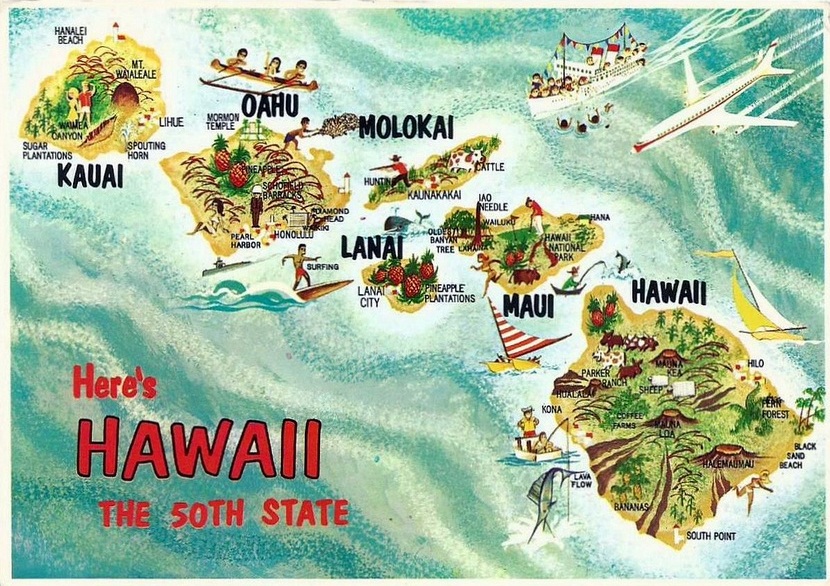
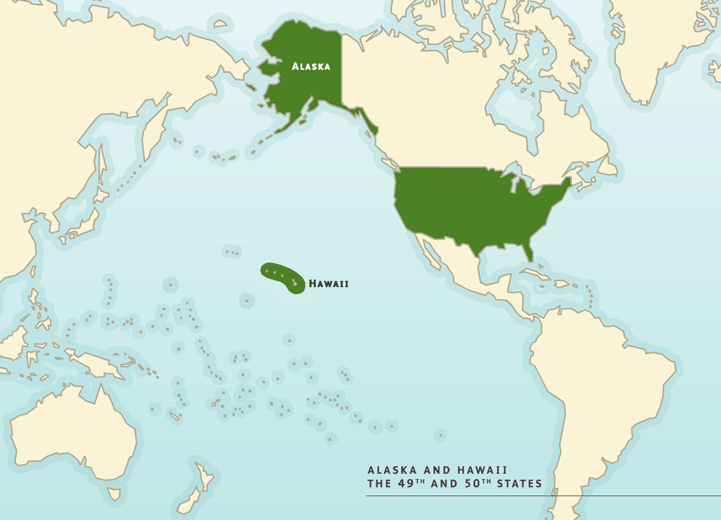
The straightforward answer to “Is Hawaii a US territory?” is no. Hawaii is not a US territory; it is the 50th state of the United States of America. This distinction is significant, carrying implications for governance, representation, and the rights of its residents. While the term “territory” might linger in common parlance due to historical associations, Hawaii achieved statehood on August 21, 1959. This transition marked a pivotal moment, elevating it from its prior status, which had evolved over decades.
The Road to Statehood: A Complex Historical Journey
The path to Hawaii becoming a state was neither simple nor linear. For centuries, the Hawaiian Islands were an independent kingdom, ruled by monarchs who fostered a rich and unique Polynesian culture. The Hawaiian monarchy, with its lineage tracing back to King Kamehameha I, navigated complex relationships with foreign powers, particularly the United States.
The Overthrow of the Hawaiian Monarchy
A significant turning point in Hawaiian history was the overthrow of Queen Liliuokalani in 1893. This event, orchestrated by American and European businessmen with the support of the US military, led to the establishment of a provisional government and, subsequently, the Republic of Hawaii. This period is a sensitive and crucial part of Hawaii’s history, one that continues to be discussed and memorialized. The desire for annexation by the United States grew among certain factions, leading to a prolonged debate and struggle for self-determination among the native Hawaiian population.
Annexation and the Era of US Administration
Following the overthrow, Hawaii was annexed by the United States in 1898, during the Spanish-American War. It was initially administered as a U.S. territory, a status that significantly impacted its governance and economic development. During this territorial period, Hawaii experienced substantial growth, particularly in its agricultural sectors, with sugar and pineapple plantations becoming dominant industries. However, this era also saw the erosion of native Hawaiian sovereignty and cultural practices, a legacy that continues to shape contemporary discussions about identity and justice. The economic reliance on large plantations also influenced the diverse demographics of the islands, attracting immigrants from various parts of the world, including China, Japan, and the Philippines, to work in these industries. This influx of diverse populations has profoundly contributed to the unique multicultural tapestry of modern Hawaii.
The Movement for Statehood
The desire for full representation and equal standing within the United States grew throughout the territorial period. Native Hawaiians and other residents increasingly advocated for statehood, believing it would grant them greater political power and economic opportunities. This movement gained momentum after World War II, with strong support from returning servicemen and a growing awareness of democratic ideals. After numerous attempts and considerable debate in the US Congress, Hawaii’s admission as the 50th state was finally achieved. This brought an end to its territorial status and cemented its position as an equal partner within the American union.
Experiencing Hawaii: From its Political Status to its Unparalleled Appeal
Understanding Hawaii’s political journey enriches the experience of visiting or living in the islands. It adds depth to the understanding of its people, its culture, and its resilient spirit. For travelers, this historical context can provide a more nuanced appreciation of the local culture, the land, and the narratives woven into the fabric of everyday life.
Traveling to the Aloha State: What Travelers Need to Know
For tourists planning a trip to Hawaii, the fact that it is a state means that travel is as straightforward as visiting any other US state. There are no passport requirements for US citizens, and the currency is the US dollar. Flights to major islands like Oahu, Maui, Kauai, and the Island of Hawaii (the Big Island) are readily available from numerous US mainland cities and international destinations.
Exploring the Islands: A World of Diverse Attractions
Each of the Hawaiian Islands offers a unique set of experiences, catering to a wide range of interests:
-
Oahu: Home to the state capital, Honolulu, Oahu is a hub of activity. Visitors flock to the iconic Waikiki Beach, explore the historical significance of Pearl Harbor, and hike to the summit of Diamond Head for panoramic views. The North Shore is world-renowned for its legendary surf breaks like Banzai Pipeline and Waimea Bay, attracting professional surfers during the winter months. Cultural immersion can be found at the Polynesian Cultural Center, offering insights into the traditions of various Pacific island nations. For accommodation, Honolulu boasts a vast array of hotels, from luxurious resorts along Waikiki Beach to boutique options in quieter neighborhoods.
-
Maui: Known as the “Valley Isle,” Maui offers a blend of stunning natural beauty and luxurious resorts. The scenic Road to Hana is a must-do, winding through lush rainforests, past waterfalls, and along dramatic coastlines. Sunrise at Haleakalā National Park is an unforgettable experience, witnessing the sun emerge from above the clouds. The charming towns of Lahaina and Paia offer historical insights and unique shopping opportunities. Whale watching tours from Ma’alaea Harbor are a popular winter activity, with humpback whales migrating to Hawaii‘s warm waters. Maui is renowned for its upscale resorts in areas like Wailea and Ka’anapali, offering world-class amenities and breathtaking ocean views.
-
Kauai: The “Garden Isle” is a haven for nature lovers and adventurers. The dramatic cliffs of the Na Pali Coast are a spectacular sight, best experienced by boat tour or helicopter. Waimea Canyon, often called the “Grand Canyon of the Pacific,” offers breathtaking vistas. Lush interior landscapes invite exploration, with opportunities for hiking in Koke’e State Park. Kauai‘s slower pace and natural beauty make it ideal for a relaxing getaway. Accommodations range from beachfront resorts to cozy vacation rentals.
-
Island of Hawaii (The Big Island): This island is a study in contrasts, home to active volcanoes, black sand beaches, and snow-capped mountains. Hawaii Volcanoes National Park is a major draw, allowing visitors to witness the raw power of volcanic activity at sites like Kilauea. The diverse climate zones support everything from coffee farms in Kona to snow sports on Mauna Kea. Stargazing on Mauna Kea is a world-class experience due to its high altitude and clear skies. The island offers a range of accommodations, from luxury resorts in Kohala Coast to charming bed and breakfasts in Volcano Village.
Embracing the Local Culture and Lifestyle
Beyond the natural wonders, Hawaii’s appeal lies in its vibrant local culture and laid-back lifestyle. The concept of “Aloha Spirit” is central to the Hawaiian experience, embodying love, compassion, peace, and respect. Engaging with local traditions, such as attending a luau, learning to surf, or enjoying fresh, local cuisine, offers a deeper connection to the islands.
Culinary Delights: A Taste of Paradise
The food scene in Hawaii is a delicious fusion of its multicultural heritage. From traditional Hawaiian dishes like poi and kalua pig to poke bowls, fresh seafood, and an abundance of tropical fruits, there’s something to tantalize every palate. Don’t miss trying local favorites like shave ice on a hot day, and exploring the farmers’ markets for farm-fresh produce.
Activities and Experiences: Adventure Awaits
Whether you’re seeking adrenaline-pumping adventures or serene relaxation, Hawaii delivers. Snorkeling and diving in crystal-clear waters reveal vibrant coral reefs and abundant marine life, including sea turtles. Hiking trails cater to all levels, leading to hidden waterfalls, volcanic craters, and stunning viewpoints. For those seeking relaxation, spa treatments, yoga retreats, and simply lounging on the beach are readily available. The islands also offer unique experiences like helicopter tours over dramatic landscapes, whale watching excursions, and even surfing lessons for beginners.
Accommodation Options: Finding Your Perfect Hawaiian Stay
When planning a trip to Hawaii, choosing the right accommodation is key to a memorable experience. The islands offer a diverse range of lodging options to suit every budget and travel style, from ultra-luxury resorts to cozy, intimate inns.
Resorts and Hotels: From Luxury to Boutique
The major tourist destinations like Waikiki on Oahu, Ka’anapali and Wailea on Maui, and the Kohala Coast on the Island of Hawaii are dotted with world-class resorts and hotels. These establishments often feature stunning ocean views, multiple swimming pools, fine dining restaurants, and direct beach access. Many offer amenities tailored for families, couples, and business travelers alike, including kids’ clubs, romantic packages, and business centers. Brands like the Grand Hyatt Hotel, Four Seasons Resort, and Marriott Hotels are well-represented, offering consistent quality and service.
Vacation Rentals and Villas: For a Home Away From Home
For those seeking more space, privacy, or a longer-term stay, vacation rentals and villas are excellent choices. Websites like Airbnb and VRBO list a wide variety of properties, from beachfront condos to secluded mountain homes. These options are particularly popular with families or groups of friends who prefer to have their own kitchen and living space, offering a more immersive and self-catered experience.

Budget-Friendly Options: Making Hawaii Accessible
While Hawaii can be perceived as an expensive destination, there are ways to experience its magic on a budget. Many smaller boutique hotels, guesthouses, and even hostels can be found on the islands, particularly outside the main resort areas. Camping is also an option in designated state and county parks, offering an affordable and close-to-nature experience. Choosing to travel during the shoulder seasons can also lead to significant savings on flights and accommodation.
In conclusion, the question of “Is Hawaii a US territory?” leads us on a fascinating historical journey that ultimately reveals its status as the 50th state. This understanding is not just an academic detail; it’s a gateway to appreciating the resilience of its people, the richness of its diverse culture, and the unparalleled beauty of its islands. Whether you’re planning a luxury escape, a budget-friendly adventure, a family trip, or a solo exploration, Hawaii offers an unforgettable experience deeply rooted in its unique history and vibrant present.