
Absolutely, Hawaii is indeed an American state, holding the unique distinction of being the 50th and most recent state admitted to the United States on August 21, 1959. Its journey from an independent monarchy to a U.S. territory and eventually a state is a fascinating saga deeply intertwined with its rich culture, strategic location, and undeniable appeal as a global travel destination. Beyond merely answering a historical or political question, understanding [Hawaii]’s statehood is crucial for appreciating its vibrant blend of Polynesian heritage and American influence, which shapes every aspect of a visit to these magnificent islands – from its tourism infrastructure to its local lifestyle and the unforgettable experiences it offers.
The Definitive Answer: Hawaii’s Statehood Journey
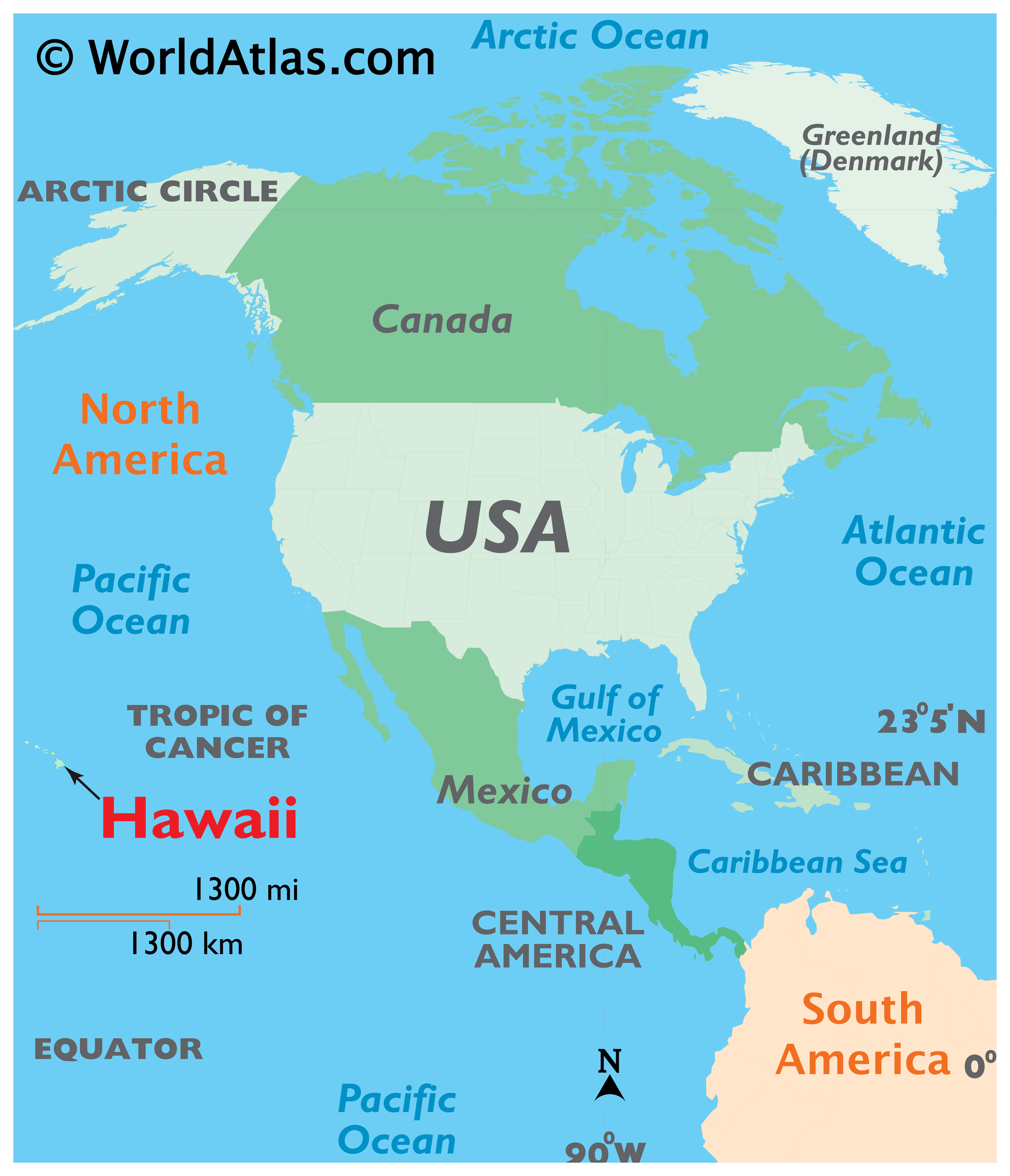
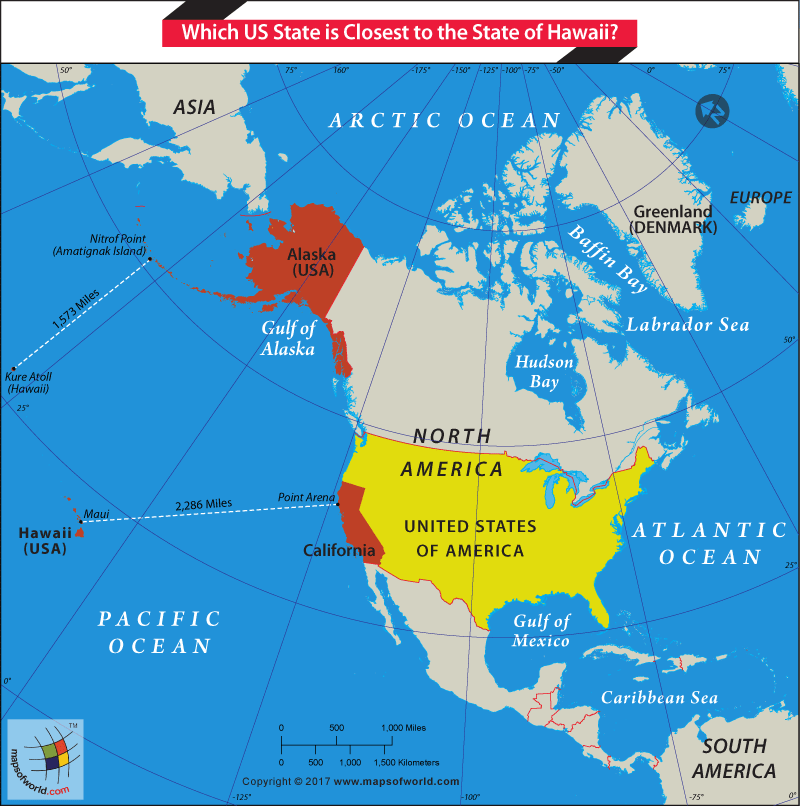
The question, “Is [Hawaii] an American state?” might seem straightforward to many, but it often stems from its remote location in the Pacific Ocean, thousands of miles from the North American mainland. This geographical isolation, combined with its distinct cultural identity, sometimes leads to misconceptions. However, there is no ambiguity: [Hawaii] is an integral part of the [United States], governed by federal laws, participating in federal elections, and represented in Congress like any other state. Its path to this status was complex and transformative, beginning long before the mid-20th century.
From Kingdom to Territory
For centuries, the Hawaiian Islands were an independent kingdom, unified under King Kamehameha I in the early 19th century. This period saw the development of a unique social structure, religious practices, and a vibrant cultural heritage that continues to thrive today. However, by the late 19th century, increased contact with Western powers, primarily the [United States], led to significant geopolitical shifts. American business interests, particularly in sugar plantations, grew substantially, influencing the local economy and political landscape.
In 1893, American and European residents, with the support of the U.S. Marines, overthrew the Hawaiian Monarchy, led by Queen Liliuokalani. This controversial event led to the establishment of the Republic of Hawaii in 1894. Just four years later, in 1898, the [United States] officially annexed [Hawaii], largely driven by strategic military interests during the Spanish-American War and the growing notion of manifest destiny. [Hawaii] then became a U.S. territory, a status it would hold for over sixty years. During this territorial period, [Hawaii]’s economy flourished, especially with the expansion of pineapple and sugar industries, and its strategic military importance was solidified, culminating in the attack on Pearl Harbor in 1941, which propelled the [United States] into World War II.
The Path to Statehood
The quest for statehood for [Hawaii] was a prolonged and often debated process. Following [World War II], there was a growing movement within the territory for full integration into the [United States]. Advocates emphasized the loyalty of its citizens, their contributions to the war effort, and the democratic principle of self-determination. However, resistance emerged in [Congress], fueled by concerns over [Hawaii]’s non-contiguous geography, its multiracial population, and potential political implications. Some feared that adding a state with a significant Asian population might alter the racial balance of the nation, while others worried about the political leanings of the territory.
Despite these hurdles, the momentum for statehood continued to build. Public opinion within [Hawaii] overwhelmingly favored becoming a state, as it promised equal rights, full representation, and economic benefits. Finally, after decades of lobbying and congressional debate, the Hawaii Admission Act was signed into law by President Dwight D. Eisenhower in March 1959. A plebiscite was held in [Hawaii] in June 1959, where over 94% of voters cast their ballot in favor of statehood. On August 21, 1959, [Hawaii] officially became the 50th state of the [United States], marking a pivotal moment in its history and forever changing its trajectory. This act confirmed [Hawaii]’s place not just as a part of America, but as a unique state that enriches the nation with its diverse culture, stunning landscapes, and strategic importance.
Exploring the Unique Allure of the Hawaiian Islands for Travelers
[Hawaii]’s status as an American state makes it an accessible and attractive destination for [U.S.] citizens, eliminating the need for passports or currency exchange. For international visitors, the entry requirements are the same as for any other part of the [United States]. This ease of travel is just one aspect of what makes [Hawaii] an unparalleled destination, offering an incredible array of experiences that cater to every type of traveler, from those seeking adventure to those desiring pure relaxation. The islands are a testament to natural beauty, cultural depth, and a vibrant [tourism] industry that expertly balances preservation with accessibility.
Iconic Landmarks and Natural Wonders
Each of [Hawaii]’s main islands – Oahu, Maui, Kauai, and the Big Island (also known as Hawaii Island) – boasts its own distinct personality and a wealth of landmarks and natural attractions. On [Oahu], visitors flock to Waikiki Beach with its iconic view of Diamond Head crater, the historical significance of Pearl Harbor, and the bustling city of Honolulu. The North Shore of [Oahu] is world-renowned for its colossal winter waves, drawing surfers and spectators alike to legendary breaks like Banzai Pipeline and Waimea Bay.
[Maui], often called the “Valley Isle,” captivates with the dramatic sunrises from the summit of Haleakala volcano, the scenic drive along the Road to Hana, and world-class snorkeling and diving spots around Molokini Crater. Its pristine beaches, such as Ka’anapali Beach, are perfect for relaxation and water sports. [Kauai], the “Garden Isle,” lives up to its name with lush rainforests, cascading waterfalls, and the breathtaking cliffs of the Na Pali Coast, best explored by boat, helicopter, or a challenging hike. The majestic Waimea Canyon, often called the “Grand Canyon of the Pacific,” offers panoramic views that leave visitors speechless.
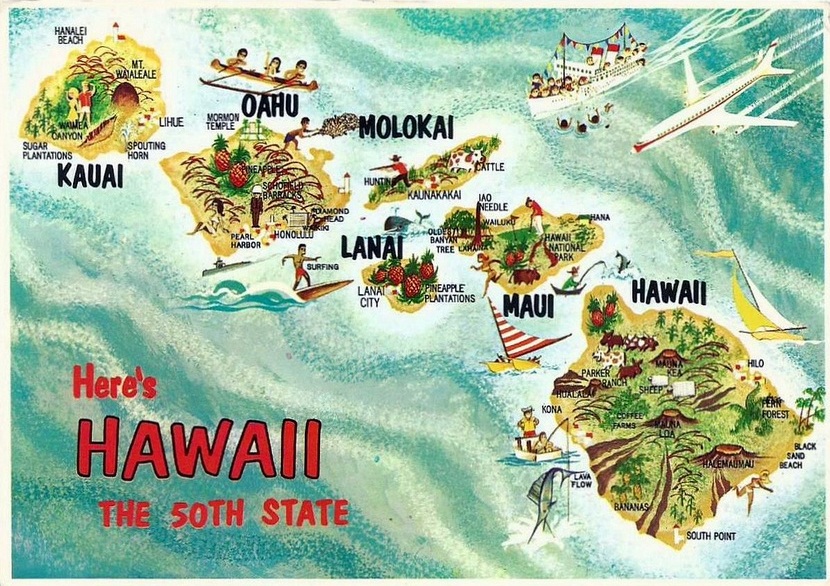
The [Big Island], still actively growing thanks to Kilauea volcano, provides a unique opportunity to witness active volcanic landscapes at Hawaii Volcanoes National Park. Beyond the volcanic activity, the island features black sand beaches like Punalu’u, snow-capped peaks of Mauna Kea (home to some of the world’s leading astronomical observatories), and vibrant coffee farms in Kona. Each island promises distinct adventures, ensuring that a multi-island [travel] itinerary offers a comprehensive taste of paradise.
Unforgettable Experiences and Activities
[Hawaii]’s appeal extends far beyond its natural beauty. The islands are a playground for outdoor enthusiasts and culture seekers alike. Surfing is synonymous with [Hawaii], offering lessons for beginners on gentle [Waikiki] waves and challenging breaks for experts. Snorkeling and scuba diving in the crystal-clear waters reveal vibrant coral reefs and diverse marine life, including Hawaiian green sea turtles and colorful tropical fish. Whale watching tours, particularly during the winter months, offer incredible encounters with humpback whales that migrate to [Hawaii]’s warm waters.
Beyond the water, land-based activities abound. Hiking trails range from easy coastal walks to challenging treks through volcanic terrain and lush valleys. Ziplining through rainforests, horseback riding along scenic trails, and helicopter tours offering bird’s-eye views of otherwise inaccessible landscapes are popular choices. For those interested in local culture, attending a traditional luau is a must, featuring traditional Hawaiian food, hula dancing, and storytelling. Visiting historical sites like the Iolani Palace in [Honolulu], the only official residence of royalty in the [United States], provides a glimpse into [Hawaii]’s monarchical past. The Dole Plantation on [Oahu] offers a fun and educational experience about [Hawaii]’s pineapple industry, with a famous pineapple maze and delicious pineapple treats.
Culinary Delights and Local Flavors
Hawaiian cuisine is a delightful fusion of traditional [Polynesian] flavors, Asian influences, and classic American dishes, reflecting the islands’ diverse population and history. Fresh, local ingredients are paramount, from just-caught seafood to tropical fruits and locally grown vegetables. A must-try is poke, a dish of diced raw fish marinated in various seasonings, often served over rice. Other staples include lau lau (pork or fish wrapped in taro leaves and steamed), kalua pig (slow-cooked pork, traditionally in an underground oven), and lomi salmon.
Street food, food trucks, and farmers’ markets are excellent places to sample local delicacies. Don’t miss out on shave ice, a refreshing dessert, or macadamia nut treats. The fertile volcanic soil produces exceptional coffee, particularly Kona Coffee from the [Big Island], and sweet, juicy Maui Gold pineapples. Many resorts and hotels offer exquisite dining experiences that highlight these local flavors, often with stunning ocean views, making every meal a memorable part of the Hawaiian experience.
Planning Your Hawaiian Getaway: Accommodation, Activities, and Tips
As a premier travel destination, [Hawaii] offers a sophisticated [tourism] infrastructure designed to cater to every visitor’s needs and preferences. From luxurious beachfront [resorts] to cozy boutique hotels and practical vacation rentals, finding the perfect place to stay is part of the adventure. Thoughtful [accommodation] planning, coupled with an understanding of local customs and smart travel tips, can transform a good trip into an extraordinary one.
Choosing Your Accommodation: From Luxury Resorts to Boutique Hotels
[Hawaii]’s [accommodation] options are incredibly diverse, catering to various budgets and [lifestyle] choices. For those seeking opulence and unparalleled service, luxury resorts like the Four Seasons Resort Maui at Wailea or The Royal Hawaiian, a Luxury Collection Resort, Waikiki offer world-class amenities including gourmet dining, spa services, and direct beach access. These [resorts] are destinations in themselves, providing a pampered and indulgent experience. Many feature expansive suites and villas with breathtaking ocean views.
Mid-range [hotels] and apartments provide comfortable and convenient stays, often located near popular attractions in cities like [Honolulu], Lahaina, or [Kona]. These options are ideal for families or couples looking for a balance between comfort and cost. For budget-conscious travelers or those seeking a more local experience, numerous vacation rentals, guesthouses, and hostels are available across the islands. Booking in advance is highly recommended, especially during peak seasons, and utilizing comparison websites and reading reviews can help in making the best choice for your long-term stay or short visit. Many visitors also consider renting private villas for a more exclusive and personalized experience, especially for family trips or group [travel].
Navigating the Islands: Tips for a Seamless Journey
Getting around [Hawaii] typically requires a rental car, particularly on the larger islands, to fully explore the diverse landscapes and hidden gems. Public transportation is limited outside of [Honolulu]. Inter-island [travel] is primarily by short flights, with Hawaiian Airlines being the main carrier. It’s advisable to book inter-island flights well in advance, especially if you plan to visit multiple islands.
When packing, remember that [Hawaii]’s climate is tropical. Lightweight clothing, swimwear, reef-safe sunscreen, and comfortable walking shoes are essentials. Evenings can be cooler, especially at higher elevations, so a light jacket or sweater is useful. Respect for the land (aina) and local culture is paramount. The ” Aloha Spirit” – encompassing love, peace, compassion, and kindness – is deeply ingrained in the local [lifestyle]. Visitors are encouraged to embrace it, whether by learning a few Hawaiian phrases or participating in local customs. Always be mindful of environmental protection, particularly when visiting natural areas and beaches.
Budgeting for Paradise: Lifestyle Considerations
While [Hawaii] can be an expensive destination, it’s possible to enjoy its beauty on a budget travel plan. Utilizing vacation rentals with kitchens can significantly reduce food costs, and exploring free attractions like beaches, hiking trails, and scenic viewpoints offers immense value. Many cultural events, particularly on weekends, are also free to attend. Consider traveling during the shoulder seasons (spring or fall) to find better deals on flights and [accommodation].
For those seeking a more luxurious experience, [Hawaii] excels in offering luxury travel opportunities, from private yacht charters to exclusive dining experiences and high-end shopping. Whether you’re planning a romantic getaway, a [family trip], or even a business stay, careful planning of your [budget] and preferences will ensure a fulfilling [Hawaiian experience]. Understanding that [Hawaii] is an American state simplifies many aspects of [travel] logistics, allowing visitors to focus on immersing themselves in the unique beauty and culture of these incredible islands. Its blend of familiar American convenience with exotic [Polynesian] charm creates a truly distinctive and unforgettable destination.