
The question of “Is Hawaii Asian?” is more complex than a simple yes or no. It delves into the rich tapestry of history, culture, and geography that defines this captivating archipelago. While geographically located in the heart of the Pacific Ocean, the influence of Asia on Hawaii is undeniable and deeply woven into its identity. To truly understand Hawaii, we must explore its origins, its people, and the vibrant cultural landscape that makes it a unique destination.
The Geographic and Historical Context
Hawaii’s isolation in the vast Pacific Ocean is a defining characteristic. It is a collection of volcanic islands situated thousands of miles from the continental mainland of the United States. This remoteness has fostered a distinct ecosystem and a unique cultural evolution. However, “Asia” itself is not a singular entity but a massive continent with diverse cultures and histories. When we consider the proximity and historical connections, certain Asian regions have played a more significant role in shaping Hawaii than others.
Polynesian Roots: The First Arrivals
The initial inhabitants of Hawaii were Polynesian voyagers, skilled navigators who journeyed across the Pacific from islands like the Marquesas and Tahiti. These early settlers brought with them their language, customs, and traditions, forming the foundation of Hawaiian culture. While Polynesian culture is distinct from Asian cultures, the long voyages and the interconnectedness of ancient Pacific trade routes meant that influences, however indirect, could have traveled across vast distances. Understanding this foundational layer is crucial before layering on subsequent influences.
The Dawn of Modern Hawaii: A Melting Pot of Cultures
The arrival of Europeans in the 1770s marked a significant turning point in Hawaiian history, ushering in increased global interaction. However, it was the subsequent waves of immigration, driven by economic opportunities, particularly in the sugar and pineapple plantations, that truly cemented Hawaii’s multicultural identity. These plantations actively recruited laborers from across the globe, leading to a significant influx of people from Asia.
Chinese Immigrants: Laying the Foundations
The first major wave of Asian immigration to Hawaii came from China in the mid-19th century. Drawn by the promise of work and economic advancement, these individuals played a pivotal role in the development of Hawaii’s agricultural industry. They brought with them their distinct culinary traditions, work ethic, and social customs, many of which have been integrated into the fabric of Hawaiian society. From the iconic “plate lunch” to traditional festivals, the influence of Chinese immigrants is palpable throughout the islands. Many of these early settlers established businesses, contributing to the economic diversity of the burgeoning territory.
Japanese Immigrants: Shaping the Workforce and Culture
Following the Chinese, a large number of immigrants arrived from Japan starting in the late 19th century. Japanese laborers became essential to the functioning of the sugarcane and pineapple plantations. Their contributions extended beyond labor; they brought their agricultural expertise, their unique customs, and their strong sense of community. The impact of Japanese culture on Hawaii is profound, evident in everything from the prevalence of Japanese language schools and Buddhist temples to the popularity of Japanese cuisine and festivals like the annual Obon Festival. The strong work ethic and resilience of the Japanese community have left an indelible mark on the islands.
Filipino Immigrants: Adding to the Rich Tapestry
From the early 20th century onwards, Filipinos began arriving in substantial numbers, also seeking work on the plantations. The Filipino community brought with them their vibrant culture, their delicious food, and their unique blend of Spanish and Asian influences. The Filipino presence has further enriched Hawaii’s multicultural landscape, contributing to the diverse array of languages, traditions, and flavors that characterize the islands. Their strong sense of family and community has become an integral part of the Hawaiian way of life.
Korean and Other Asian Influences
While Chinese, Japanese, and Filipinos represent the largest Asian immigrant groups, other Asian communities have also contributed to Hawaii’s diverse heritage. Koreans, for example, arrived in significant numbers in the early 20th century, bringing their own culinary traditions and cultural practices. Smaller communities from other parts of Asia, including Vietnam, Thailand, and the Philippines, have also added to the rich mosaic of cultures found in Hawaii. Each group has brought its own unique perspective and contributions, further solidifying the “Asian” influence on the islands.
The “Asian” Identity: A Nuance in Terminology
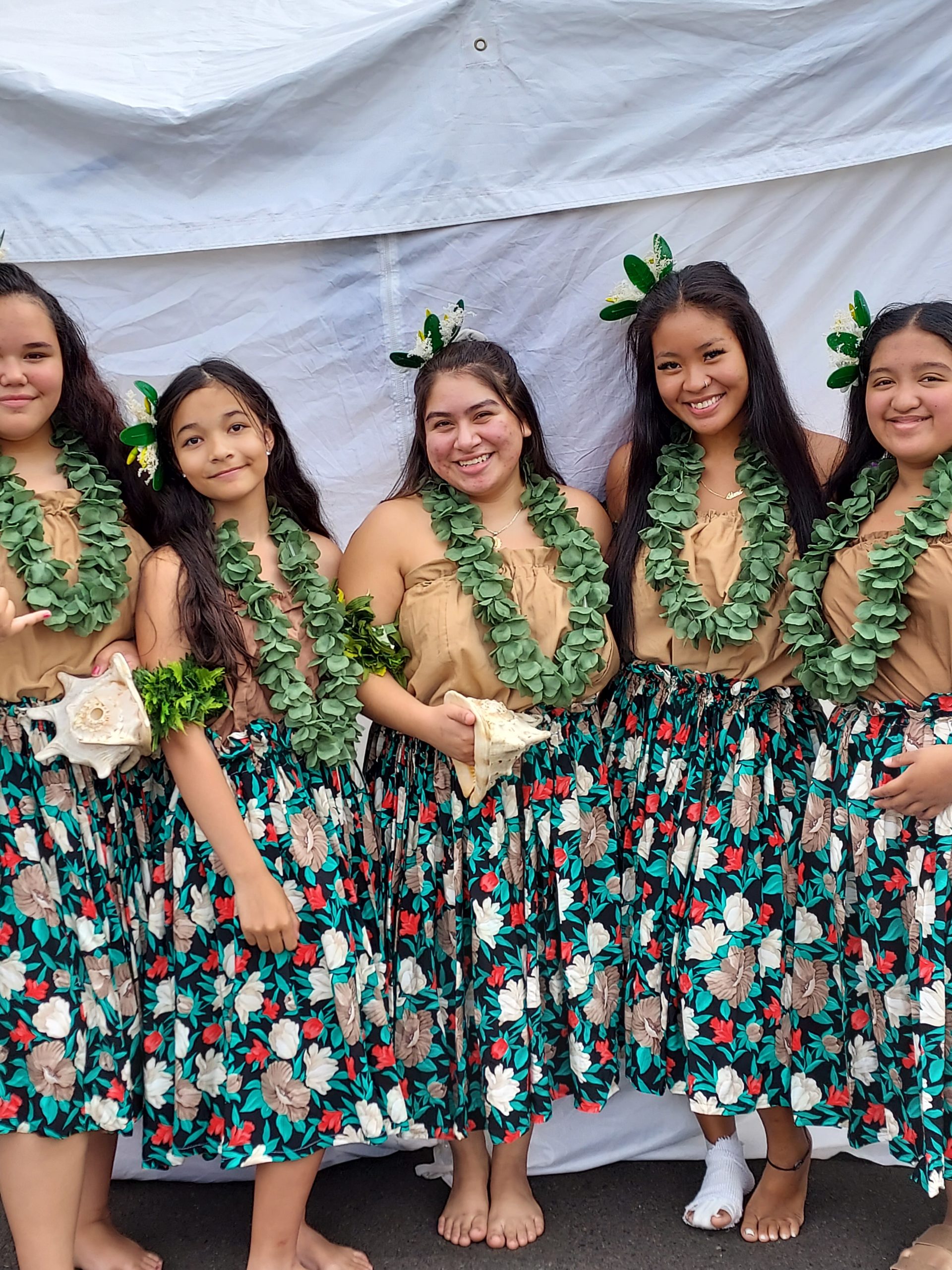
The question “Is Hawaii Asian?” often stems from a misunderstanding of geographical and cultural definitions. While Hawaii is not geographically part of the continent of Asia, its people, culture, and history are deeply intertwined with various Asian nations. The term “Asian” in this context often refers to the heritage of a significant portion of Hawaii’s population, who trace their ancestry back to Asian countries.
Beyond Geography: Cultural Exchange and Fusion
Hawaii is a prime example of successful cultural fusion. The interactions between the indigenous Hawaiian people and the various immigrant groups have led to the creation of a unique Hawaiian identity that is distinct from any single ethnic group. This fusion is evident in Hawaiian cuisine, which often incorporates Asian ingredients and techniques. Dishes like Kalua pig (a traditional Hawaiian feast dish) might be served alongside Lomi-lomi salmon (a Hawaiian salad) and manapua (a steamed bun often filled with Chinese-style char siu pork).
The language itself is a testament to this fusion. While ʻŌlelo Hawaiʻi (the Hawaiian language) is the official language, Pidgin, a creole language, developed out of the need for communication among diverse linguistic groups, and it incorporates words and grammatical structures from Hawaiian, English, Japanese, Chinese, and other languages. This linguistic blend is a powerful indicator of the intermingling of cultures.
“Asian” as a Descriptor of Heritage
When people ask if Hawaii is Asian, they are often not questioning its continental location but rather acknowledging the significant Asian heritage of its population and the profound influence of Asian cultures on its modern identity. It’s about recognizing the contributions of Chinese, Japanese, Filipino, Korean, and other Asian immigrants in shaping the unique character of the Aloha State.
This perspective allows us to appreciate Hawaii not just as a tourist destination with beautiful beaches and breathtaking landscapes like Waikiki Beach or the Na Pali Coast, but as a vibrant cultural hub where different traditions have blended to create something entirely new and wonderful. The historical narrative of Hawaii is inextricably linked to the stories of these diverse peoples who have made these islands their home.
Experiencing the Asian Influence in Hawaii Today
For travelers, the Asian influence on Hawaii is not just an academic concept; it’s an integral part of the travel experience. From the moment you arrive, you’ll encounter it in myriad ways.
Culinary Delights: A Taste of Asia in the Pacific
Hawaiian cuisine is a direct reflection of its multicultural past. You can savor authentic sushi and ramen in Honolulu, enjoy flavorful Filipino dishes in smaller towns, and explore the vast array of Chinese dim sum and Korean barbecue. The fusion of flavors is what makes Hawaiian food so exciting. Don’t miss the chance to try poke, a dish of diced raw fish that has gained international popularity, with its roots in traditional Hawaiian preparation and modern Asian flavorings. Explore the bustling local markets where vendors offer a diverse range of tropical fruits and local delicacies, often influenced by Asian agricultural practices. Visiting places like the International Market Place in Waikiki offers a glimpse into this culinary diversity.
Cultural Immersion: Festivals, Temples, and Traditions
Hawaii is home to a vibrant calendar of cultural festivals that celebrate its diverse heritage. You can experience the energy of the Cherry Blossom Festival in Honolulu, marking the arrival of spring and celebrating Japanese culture. The Chinese New Year celebrations are equally spectacular, with dragon dances and vibrant parades. Many Buddhist temples, Shinto shrines, and Filipino community centers dot the landscape, serving as important cultural and spiritual hubs for these communities. Visiting landmarks like the Iolani Palace, the only royal palace in the United States, provides insight into the history of Hawaii before annexation and the influences that shaped its monarchy.
The Spirit of Aloha: A Fusion of Values
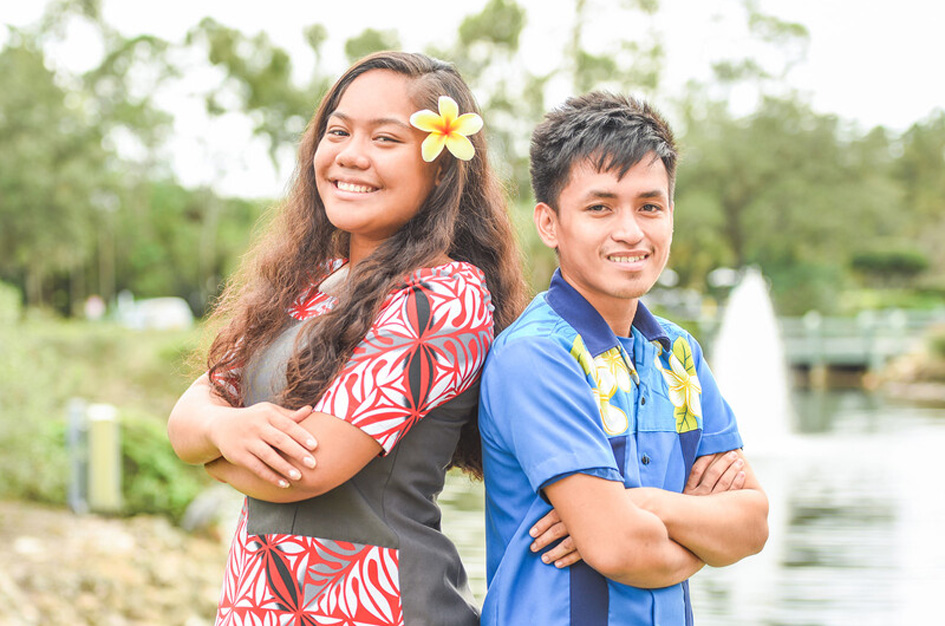
The renowned “Aloha Spirit” of Hawaii can also be seen as a reflection of the values brought by its various immigrant groups, blended with the indigenous Hawaiian philosophy of interconnectedness and respect for nature. The emphasis on community, family, and generosity, so characteristic of Asian cultures, resonates deeply with the core principles of Aloha. This spirit is palpable in the warm hospitality of the local people and the welcoming atmosphere that pervades the islands, making it a truly unforgettable travel destination. Whether you’re exploring the historic streets of Lahaina or the serene beauty of the Valley Isle of Maui, you’ll feel this unique blend of cultures.
In conclusion, while Hawaii is not geographically part of Asia, its identity is undeniably and beautifully shaped by Asian influences. The islands are a living testament to the power of immigration, cultural exchange, and fusion. To ask “Is Hawaii Asian?” is to open a dialogue about heritage, identity, and the rich, multifaceted tapestry of human experience that makes this Pacific paradise so extraordinary. It is a place where the spirit of Asia truly thrives, woven into the very soul of Hawaii.
LifeOutOfTheBox is a participant in the Amazon Services LLC Associates Program, an affiliate advertising program designed to provide a means for sites to earn advertising fees by advertising and linking to Amazon.com. Amazon, the Amazon logo, AmazonSupply, and the AmazonSupply logo are trademarks of Amazon.com, Inc. or its affiliates. As an Amazon Associate we earn affiliate commissions from qualifying purchases.