
The allure of Hawaii is undeniable. With its pristine beaches, lush volcanic landscapes, vibrant Polynesian culture, and the spirit of “aloha,” it’s a dream destination for many. But beyond the postcard-perfect images lies a crucial question for anyone considering a longer stay or even a permanent move: Is Hawaii expensive to live in? The answer, for many, is a resounding yes. However, understanding why it’s expensive and how to potentially manage those costs is key to making informed decisions. This exploration delves into the multifaceted expenses of life in the Hawaiian Islands, touching upon housing, daily living, transportation, and the overall lifestyle.
The Unveiling Cost of Paradise: Housing in Hawaii
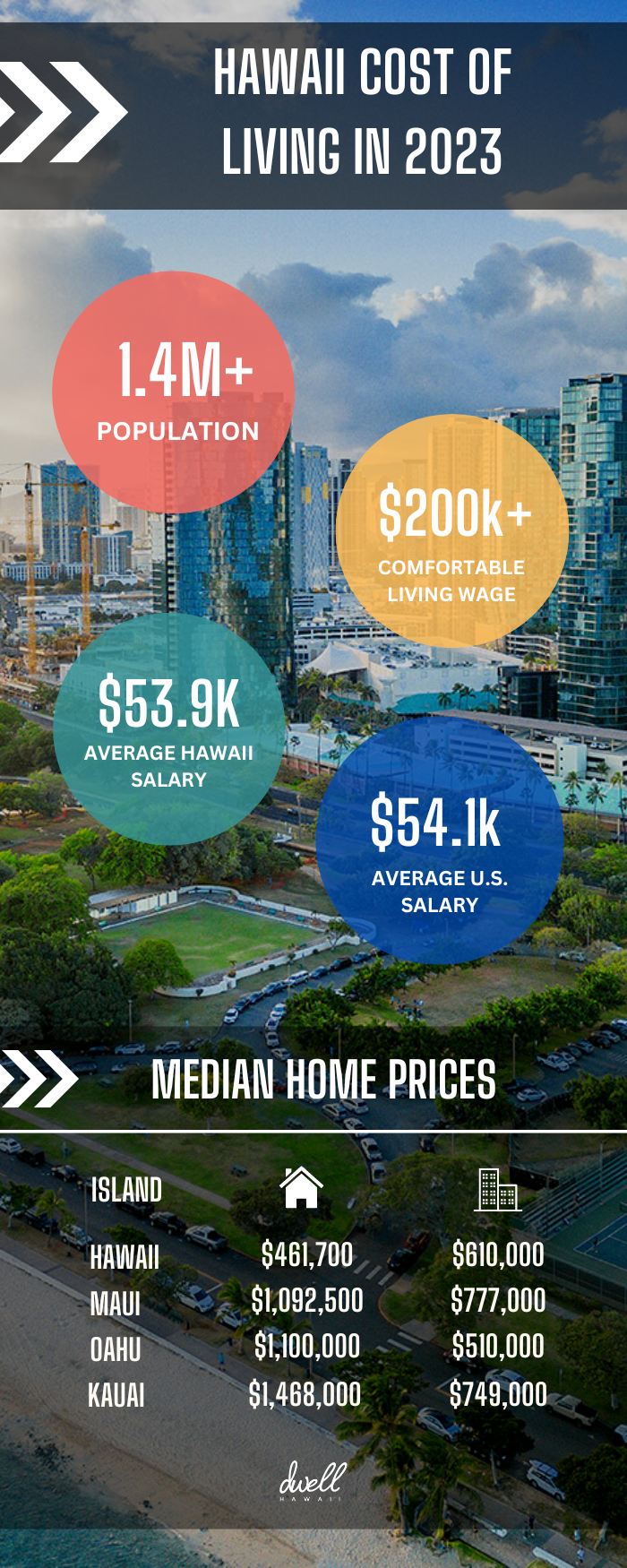
One of the most significant drivers of the high cost of living in Hawaii is the price of housing. As an island archipelago, land is a finite and precious resource, leading to intense demand and consequently, soaring property values and rental rates. Whether you’re dreaming of a beachfront condo in Honolulu or a quiet bungalow on the Big Island, expect to pay a premium.
Understanding Rental Market Dynamics
For those looking to rent, the market is fiercely competitive. The median rent for a one-bedroom apartment in Honolulu, for instance, can easily surpass what one might pay in major mainland cities. This is not just a temporary fluctuation; it’s a systemic reality driven by limited supply and strong demand, fueled by both local residents and a steady influx of tourists and new residents attracted by the island lifestyle.
Factors influencing rental prices include:
- Location: Proximity to beaches, city centers, and desirable neighborhoods significantly impacts cost. Areas like Waikiki, Kailua, or parts of the North Shore on Oahu are particularly sought after and command higher rents.
- Property Type: A single-family home will naturally be more expensive than a studio apartment. However, even smaller living spaces come with a considerable price tag.
- Amenities: Properties offering ocean views, access to swimming pools, fitness centers, or included utilities often reflect these added benefits in their rental price.
- Duration of Stay: While this article focuses on living costs, it’s worth noting that short-term vacation rentals, often found on platforms like Airbnb or through hotel groups like Outrigger Hotels and Resorts, can be exceptionally expensive for extended periods, blurring the lines between vacation and residency in some cases. For longer-term leases, the rates might be more stable, but still significantly high.
The Dream of Ownership: The High Bar of Homeownership
For those who aspire to own property in Hawaii, the financial barrier is even higher. The median home price in Hawaii consistently ranks among the highest in the United States. This means that a down payment and mortgage for a home in Hawaii can be substantially larger than in most other states.
The dream of owning a home on a tropical island is a powerful one, driving many to consider Hawaii for their permanent residence. However, the reality of mortgage payments, property taxes, and the general upkeep of a home in a humid, tropical climate can be a significant financial undertaking. Even older, less luxurious properties often carry a price tag that reflects the desirability of the location rather than the condition of the structure itself.
Long-Term Stays and Accommodation Choices
When considering a long-term stay, the distinction between a vacation rental and a more permanent accommodation becomes critical. While luxury resorts like the Grand Hyatt Kauai Resort & Spa offer an unparalleled experience, their daily rates are not conducive to long-term living. Instead, individuals might explore options like:
- Apartments: While more affordable than houses, apartment rentals are still expensive, particularly in urban centers like Honolulu.
- Condominiums: These offer a middle ground, often with shared amenities, but purchase prices and HOA fees can be substantial.
- Villas: For those seeking privacy and space, villas are available, but they represent a significant investment.
- Long-Term Rental Agreements: Some property management companies offer discounts for leases exceeding six months or a year. This can be a more viable option for those relocating temporarily for work or to experience island life before committing to a purchase.
The housing market in Hawaii is a complex ecosystem where supply and demand, combined with the unique geographical constraints, create a consistently elevated cost of entry and living.
The Daily Grind: Everyday Expenses in Hawaii
Beyond the significant housing costs, the day-to-day expenses of living in Hawaii also contribute to its reputation as an expensive destination.
Groceries and Food Costs
Food prices in Hawaii are notoriously higher than on the mainland United States. This is largely due to the islands’ reliance on imported goods. Almost everything needs to be shipped in by air or sea, incurring significant transportation costs that are passed on to the consumer.
- Fresh Produce: While Hawaii does have local farms and agricultural output, including staples like pineapple and macadamia nuts, the variety and availability of certain fruits and vegetables can be limited and expensive, especially during off-seasons.
- Meat and Dairy: These items are particularly costly due to the expense of shipping and feed.
- Packaged Goods: Even common pantry staples that are readily available and affordable on the mainland can carry a higher price tag in Hawaii.
This means that grocery bills for Hawaiian residents are often considerably higher than their mainland counterparts. Dining out, while a popular Hawaiian activity, also reflects these increased food costs, with restaurant meals generally being more expensive. However, exploring local food trucks and farmers’ markets can offer more budget-friendly culinary experiences.

Utilities and Household Expenses
The cost of utilities in Hawaii can also be a significant part of the monthly budget.
- Electricity: The islands rely heavily on imported fossil fuels for electricity generation, making power bills among the highest in the U.S. Air conditioning, while often a necessity given the tropical climate, can significantly drive up electricity costs.
- Water: While generally more affordable than electricity, water costs still contribute to the overall utility burden.
- Internet and Telecommunications: Similar to other goods, these services can be more expensive due to the logistical challenges of infrastructure on remote islands.
These ongoing household expenses, combined with higher grocery bills, mean that the basic cost of maintaining a household in Hawaii is a substantial financial consideration.
Getting Around: Transportation in Hawaii
Transportation is another area where the cost of living in Hawaii becomes apparent, especially for those who don’t live within walking distance of their workplace or amenities.
The Car as a Necessity
For most residents of Hawaii, particularly outside of downtown Honolulu, owning a car is not a luxury but a necessity. Public transportation systems, while present, are not as extensive or convenient as in many large mainland cities. This means that the costs associated with car ownership are a significant factor.
- Vehicle Purchase Prices: Cars often cost more in Hawaii due to shipping costs.
- Gasoline: Fuel prices are consistently higher in Hawaii than the national average, again a direct result of import costs.
- Insurance: Car insurance rates can also be higher, influenced by factors such as traffic density, accident rates, and the prevalence of uninsured drivers.
- Maintenance and Repairs: Finding mechanics and specialized parts can sometimes be more challenging and expensive on the islands.
Navigating Inter-Island Travel
For those who wish to explore beyond their home island or travel between them for work or leisure, inter-island flights are a common mode of transport. While these flights are relatively short, the cost can add up, especially for frequent travelers. Major airlines like Hawaiian Airlines operate these routes, and ticket prices fluctuate based on demand and season. This adds another layer of expense for Hawaiian residents who wish to experience the diversity of the archipelago.
Lifestyle and the “Hawaii Premium”
Ultimately, the cost of living in Hawaii is not just about the tangible expenses; it’s also about a lifestyle premium. The desirability of the islands—the climate, the natural beauty, the relaxed pace of life, and the unique cultural experiences—commands a higher price.
Luxury vs. Budget Travel and Living
Hawaii offers a spectrum of lifestyles, from extreme luxury to more budget-conscious approaches.
- Luxury Travel and Stays: Resorts like Four Seasons Resort Maui at Wailea or high-end villas cater to those with significant disposable income, offering unparalleled comfort and service. This end of the spectrum is undeniably expensive.
- Budget Travel and Living: While challenging, it is possible to live more affordably. This might involve:
- Choosing less touristy islands or areas: Islands like Molokai or parts of the Big Island can be less expensive than Oahu or Maui.
- Utilizing public transportation and carpooling: Where feasible, minimizing car usage can save considerable money.
- Cooking at home more often: Focusing on local and seasonal produce from farmers’ markets can help mitigate grocery costs.
- Seeking out local events and free attractions: Hawaii offers many natural wonders and cultural events that don’t require an entrance fee, such as hiking in Haleakala National Park (though park entry fees do apply) or enjoying free hula performances.
- Long-term accommodation strategies: Opting for long-term apartment rentals or even house-sitting arrangements can reduce housing expenses.
The “Aloha Spirit” and Intangible Costs
The “aloha spirit” is a cornerstone of Hawaiian culture, promoting warmth, hospitality, and a sense of community. This intangible aspect of life in Hawaii is priceless. However, the financial realities mean that not everyone can afford to fully immerse themselves in it. For those who can manage the costs, the rewards are immense, offering a quality of life that is hard to replicate anywhere else.
Family Trips and Considerations
For families considering a move or extended stay, the costs are amplified. Childcare, education, and the sheer volume of daily necessities for multiple individuals all contribute to a higher overall expenditure. Yet, the benefits of growing up in such a unique and beautiful environment are significant, offering children unparalleled access to nature, outdoor activities, and a rich cultural heritage.
In conclusion, the question of whether Hawaii is expensive to live in is answered with a qualified “yes.” The islands present a unique set of economic challenges, primarily driven by geography and demand. However, for those who are prepared, resourceful, and truly embrace the Hawaiian way of life, the dream of living in paradise can still be a tangible reality, albeit one that requires careful financial planning and a willingness to adapt.
LifeOutOfTheBox is a participant in the Amazon Services LLC Associates Program, an affiliate advertising program designed to provide a means for sites to earn advertising fees by advertising and linking to Amazon.com. Amazon, the Amazon logo, AmazonSupply, and the AmazonSupply logo are trademarks of Amazon.com, Inc. or its affiliates. As an Amazon Associate we earn affiliate commissions from qualifying purchases.