
The question “Is Hawaii in America?” is one that frequently puzzles travelers and geography enthusiasts alike. Given its remote location in the middle of the Pacific Ocean, thousands of miles from the North American mainland, it’s easy to understand why this confusion arises. However, the answer is an unequivocal yes. Hawaii is not just in America; it is the 50th state of the United States, a vibrant and integral part of the nation, offering a unique blend of Polynesian culture and American convenience. This article will delve into the historical journey that made Hawaii a US state, explore its distinct culture, highlight its breathtaking attractions, and provide essential travel information for those planning a visit to this captivating archipelago.
A Definitive Answer and Its Historical Context
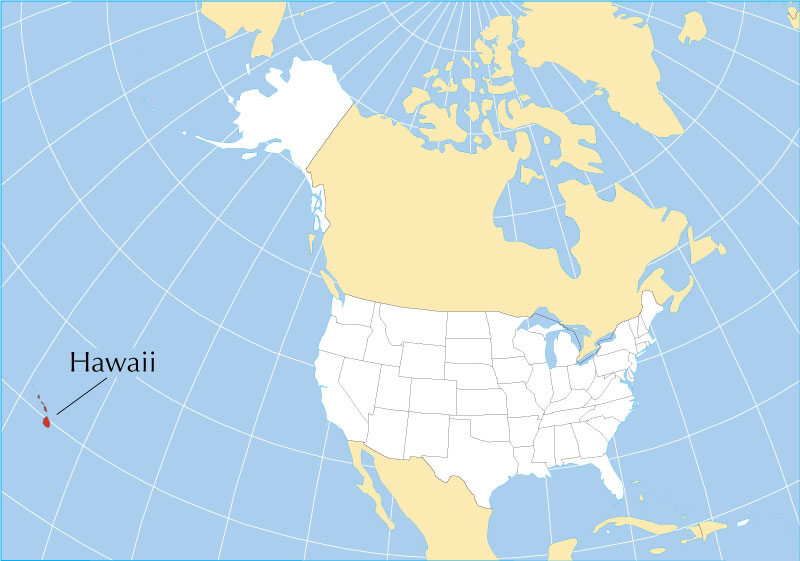
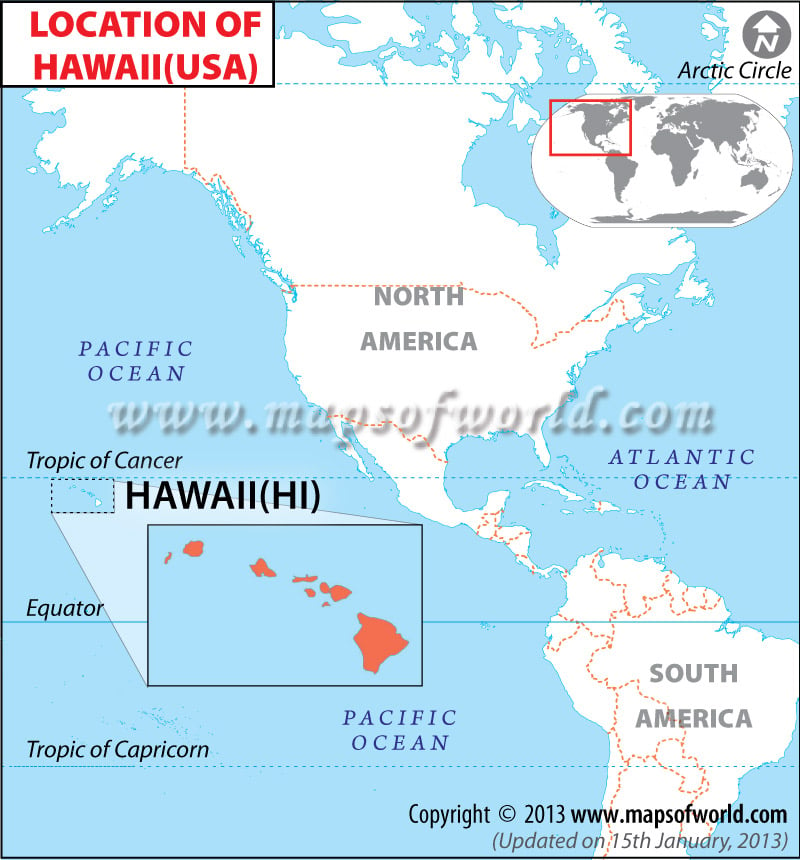
The geographic isolation of Hawaii often leads people to question its political affiliation. Unlike contiguous states such as California, Washington, or Oregon, or even the non-contiguous but geographically closer Alaska, Hawaii is an archipelago situated roughly 2,400 miles southwest of San Francisco. Despite this vast distance, it has been a fully incorporated state since 1959, enjoying all the rights, responsibilities, and protections of any other state in the union. Its journey to statehood is a compelling story of monarchy, foreign influence, annexation, and the will of its people.
The Road to Statehood: A Brief History
Before European contact, the Hawaiian Islands were sovereign kingdoms, unified under King Kamehameha I in the early 19th century. The Kingdom of Hawaii flourished for decades, developing unique social, political, and cultural systems. However, as the 19th century progressed, increasing foreign interest, particularly from United States and European powers, began to impact the islands. American missionaries and businessmen established significant presence, particularly in the sugar and pineapple industries, exerting considerable economic and political influence.
The turning point came in 1893 when American and European residents, supported by the US Navy, overthrew the reigning monarch, Queen Liliuokalani. This controversial act led to the establishment of the Republic of Hawaii in 1894, led by Sanford B. Dole. The republic then sought annexation by the United States. Driven by strategic interests in the Pacific Ocean and the economic opportunities presented by the islands, President William McKinley signed a resolution annexing Hawaii in 1898, making it a US territory.
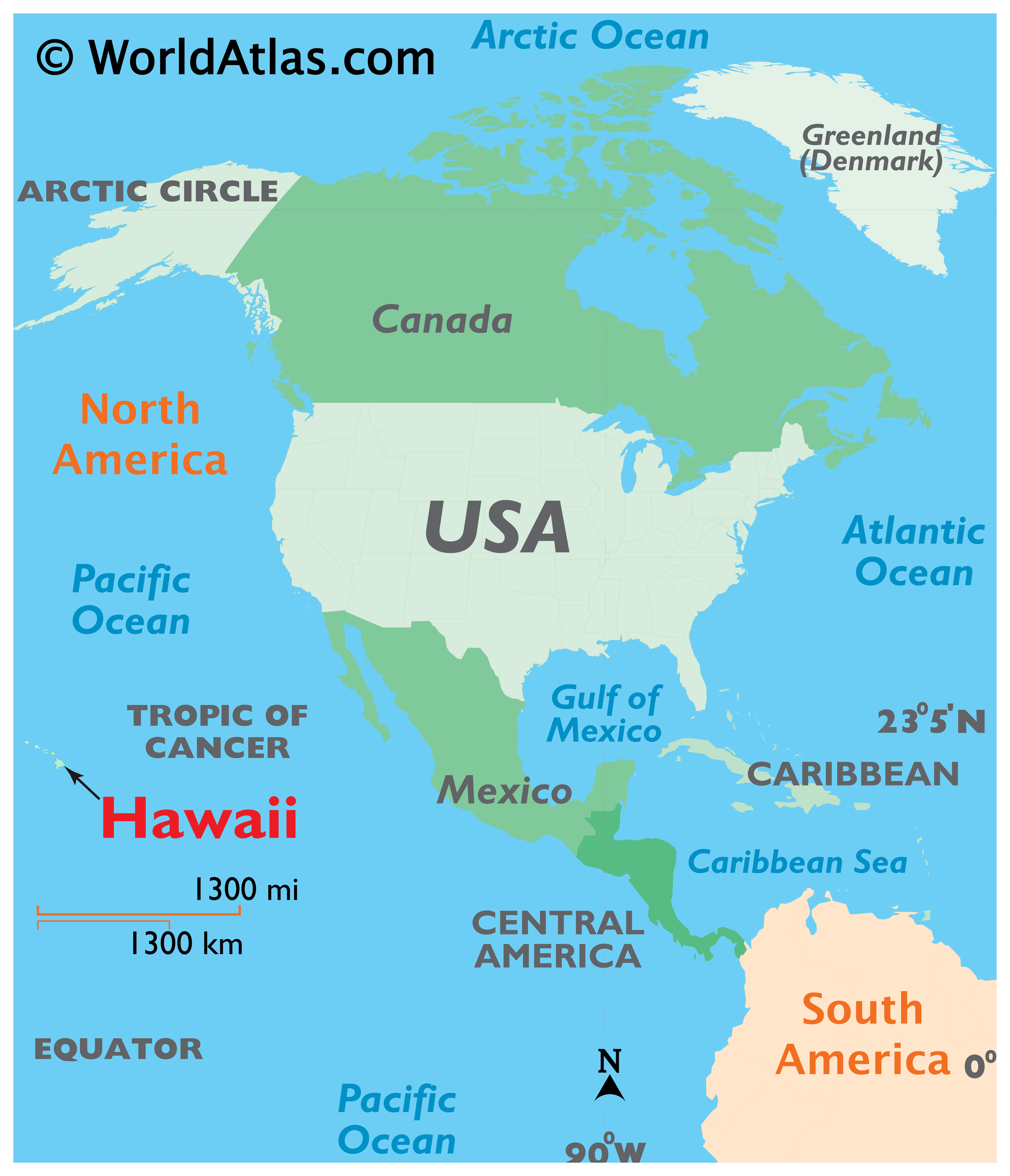
For over six decades, Hawaii operated as a US territory, growing in economic and strategic importance, especially after the attack on Pearl Harbor in 1941, which plunged the United States into World War II. After years of advocacy and a plebiscite where over 90% of the population voted in favor, Hawaii finally achieved statehood on August 21, 1959, officially becoming the 50th state of the United States of America.
Geographical Perspective: Location vs. Affiliation
While geographically isolated from the Mainland US, Hawaii’s status as a US state means that travel for United States citizens is domestic, requiring no passport. The currency is the United States dollar, English is the primary language (alongside Hawaiian), and US laws and regulations apply. This seamless integration into the American framework, despite its distinct culture and geography, makes it an attractive and accessible destination for millions of American and international travelers alike. Its strategic location also continues to be vital for the United States military, with significant bases like those around Pearl Harbor and Honolulu serving as critical assets in the Pacific Ocean.
Experiencing the Aloha State: Culture, Attractions, and Activities
Hawaii is much more than just a tropical paradise; it’s a profound experience rooted in a rich history and a unique cultural identity. Known as the “Aloha State,” it embodies a spirit of hospitality, respect, and love that permeates every aspect of life. This distinct blend of Polynesian tradition and American influence creates an unparalleled travel destination, offering everything from serene beaches and active volcanoes to bustling cities and historical sites.
A Unique Cultural Tapestry
The indigenous Hawaiian culture, with its deep reverence for nature, intricate hula dances, soulful chants, and the foundational concept of “Aloha,” forms the core of the islands’ identity. Visitors to Hawaii have abundant opportunities to immerse themselves in this heritage. Attending a traditional luau, visiting cultural centers, or exploring ancient temples known as heiau can provide profound insights into the islands’ past. The official language of Hawaiian, though less commonly spoken than English, is seeing a resurgence, and its influence is evident in place names and local expressions.
Beyond its indigenous roots, Hawaii boasts a vibrant multicultural society, shaped by waves of immigration from Japan, China, the Philippines, Korea, Portugal, and other nations. This diversity is celebrated in its festivals, art, and, most notably, its incredible food scene. From fresh poke bowls and traditional lau lau to fusion cuisine that blends Asian and Western flavors, Hawaiian food is a reflection of its melting pot culture.
Iconic Landmarks and Natural Wonders
Each of Hawaii’s main islands offers its own distinct charm and a wealth of attractions:
-
Oahu: The Gathering Place
- Honolulu: The state capital, a bustling metropolis home to the world-famous Waikiki Beach, the iconic volcanic crater of Diamond Head, and significant historical sites.
- Pearl Harbor and the USS Arizona Memorial: A somber yet essential site that commemorates the events of December 7, 1941, and honors those who perished.
- Iolani Palace: The only official residence of royalty in the United States, offering a glimpse into Hawaii’s monarchical past.
- Polynesian Cultural Center: An immersive experience showcasing the cultures of Polynesia.
- Hanauma Bay: A pristine marine life conservation area, perfect for snorkeling.
- Dole Plantation: A historic plantation offering insights into Hawaii’s agricultural past and, of course, delicious pineapple treats.
-
Maui: The Valley Isle
- Haleakala National Park: Witness breathtaking sunrises from the summit of this dormant volcano.
- Road to Hana: A scenic coastal drive offering stunning waterfalls, lush rainforests, and black sand beaches.
- Lahaina: A historic whaling village now famed for its art galleries, shops, and vibrant nightlife.
-
Big Island (also known as Hawaii Island):
- Hawaii Volcanoes National Park: Home to two of the world’s most active volcanoes, Kilauea and Mauna Loa, offering dramatic landscapes and the chance to witness volcanic activity.
- Mauna Kea: The tallest mountain in Hawaii and an incredible stargazing destination.
- Kailua-Kona and Hilo: Charming towns offering distinct atmospheres and access to the island’s diverse ecosystems.
-
Kauai: The Garden Isle
- Na Pali Coast: Famous for its towering emerald cliffs, cascading waterfalls, and secluded beaches, best explored by boat, helicopter, or challenging hike.
- Waimea Canyon: Known as the “Grand Canyon of the Pacific Ocean,” offering spectacular panoramic views.
- Lihue: The island’s main hub, offering convenient access to many of Kauai’s natural wonders.
Beyond these four major islands, smaller islands like Lanai, Molokai, Niihau, and Kahoolawe offer unique experiences, from exclusive luxury resorts to untouched wilderness.
Adventures and Gastronomic Delights
Hawaii is an adventurer’s playground. The warm, crystal-clear waters are perfect for surfing, snorkeling, scuba diving, and stand-up paddleboarding. Whale watching, especially off the coast of Maui during winter months, is a popular activity. Inland, lush rainforests, volcanic craters, and majestic mountains provide endless opportunities for hiking, zip-lining, and exploring. Helicopter tours offer unparalleled aerial views of the islands’ dramatic landscapes.
The culinary scene in Hawaii is as diverse as its population. Fresh seafood is abundant, and local specialties like poke (marinated raw fish), kalua pig (slow-roasted pork), loco moco (rice topped with a hamburger patty, fried egg, and gravy), and shaved ice are must-tries. Farm-to-table dining is also a growing trend, with many restaurants emphasizing fresh, locally sourced ingredients.
Planning Your Hawaiian Escape: Accommodation and Travel Insights
Whether you’re planning a luxurious honeymoon, a budget-friendly family vacation, or a long-term stay, Hawaii offers a wide array of options to suit every traveler’s needs and preferences. Understanding the accommodation landscape and essential travel tips can greatly enhance your experience in the Aloha State.
Finding Your Perfect Stay: From Luxury Resorts to Cozy Villas
Hawaii’s accommodation spectrum is incredibly broad, ranging from world-class luxury resorts to charming boutique hotels, private vacation rentals, and budget-friendly hostels.
-
Luxury Resorts: For those seeking unparalleled service, opulent amenities, and breathtaking oceanfront locations, Hawaii boasts some of the finest resorts in the world. On Maui, properties like the Grand Wailea, a Waldorf Astoria Resort, the Four Seasons Resort Maui at Wailea, and The Ritz-Carlton Kapalua offer exquisite suites, multiple pools, renowned spas, and gourmet dining. The Hyatt Regency Maui Resort and Spa also provides a fantastic blend of luxury and family-friendly activities. On Oahu, Waikiki Beach is home to iconic establishments such as the historic Moana Surfrider, A Westin Resort & Spa, and The Royal Hawaiian, A Luxury Collection Resort, affectionately known as the “Pink Palace of the Pacific.” For a different Oahu experience, the Turtle Bay Resort on the North Shore offers a luxurious escape amidst famous surf breaks. Kauai also features top-tier options like the Princeville Resort Kauai and the Grand Hyatt Kauai Resort & Spa. Meanwhile, the Hilton Hawaiian Village Waikiki Beach Resort on Oahu offers a vast array of options suitable for all kinds of travelers within a single sprawling complex.
-
Hotels and Boutique Stays: Beyond the grand resorts, numerous hotels cater to different budgets and preferences. From international chains in Honolulu to charming, locally owned boutique hotels in smaller towns, you’ll find comfortable and convenient options. Many offer amenities like pools, fitness centers, and easy access to beaches and attractions.
-
Vacation Rentals and Apartments: For families, groups, or those planning a longer stay, vacation rentals such as villas, condos, and apartments offer more space, privacy, and often a kitchen for self-catering. Platforms like Airbnb and VRBO feature a vast selection across all islands, providing a “home away from home” experience. This can be a great option for experiencing local life and potentially saving on dining costs.
-
Budget-Friendly Options: While Hawaii can be an expensive destination, budget-conscious travelers can find hostels, guesthouses, and simpler hotels, especially outside of prime tourist areas like Waikiki Beach or Wailea. Camping in designated state or county parks is also an option for adventurers, offering an affordable way to connect with Hawaii’s natural beauty.
Booking in advance, especially during peak seasons (winter holidays, summer, and spring break), is highly recommended, regardless of your chosen accommodation type.
Navigating the Islands: Essential Travel Tips
Traveling to and within Hawaii is a straightforward process, but a few tips can help ensure a smooth and enjoyable trip:
- Getting There: Most visitors arrive by air at Honolulu International Airport (HNL) on Oahu, or direct flights to airports on Maui (Kahului, OGG), Big Island (Kona, KOA; Hilo, ITO), and Kauai (Lihue, LIH) are also available from various Mainland US cities.
- Inter-island Travel: To explore multiple islands, inter-island flights are the most common and efficient mode of transport. Hawaiian Airlines and Southwest Airlines operate frequent flights between the major islands. There are no inter-island ferries for cars, and passenger ferries are limited (e.g., between Maui and Lanai).
- Getting Around on Each Island: Renting a car is highly recommended on most islands, especially Maui, Kauai, and the Big Island, to fully explore at your own pace. Oahu has a more developed public transport system in Honolulu (TheBus), but a car is still beneficial for exploring beyond the city.
- Best Time to Visit: Hawaii enjoys pleasant weather year-round. Peak season generally runs from mid-December to March (whale watching season) and during the summer months. Shoulder seasons (April-May and September-November) often offer good weather, fewer crowds, and potentially lower prices.
- Respect Local Culture: Embrace the “Aloha Spirit” by being respectful of local customs, traditions, and the environment. This includes observing sacred sites, protecting marine life, and supporting local businesses. Learn a few Hawaiian words, like “Mahalo” (thank you) and “Aloha” (hello/goodbye/love).
- Sustainability: Hawaii is committed to sustainable tourism. Visitors are encouraged to minimize their environmental footprint, conserve water, and respect wildlife. Many attractions, like Hanauma Bay, have strict rules to protect natural resources.
Hawaii’s Place in the American Fabric
Hawaii’s unique identity as a Polynesian paradise within the United States is one of its greatest strengths. It represents a vibrant convergence of cultures, offering travelers an exotic experience without the complexities of international travel for US citizens.
Benefits of Being a US State
Being the 50th state brings numerous advantages to Hawaii, including economic stability, access to federal resources for infrastructure and disaster relief, and the robust legal and political framework of the United States. For visitors from the Mainland US, this translates into familiar consumer protections, ease of banking, consistent safety standards, and communication without language barriers (though Hawaiian Pidgin is a local dialect). The seamless integration allows for a focus on enjoying the natural beauty and cultural richness without common international travel concerns.
The Enduring Allure of the 50th State
From its historical significance at Pearl Harbor to its geological marvels in Hawaii Volcanoes National Park, and from the iconic surf breaks of Oahu to the serene beaches of Maui, Hawaii stands as a testament to natural beauty and cultural resilience. Its status as an American state enhances its accessibility and appeal, making it a dream destination for millions. Whether you seek adventure, relaxation, cultural immersion, or simply an escape to paradise, Hawaii offers a world of experiences, all firmly rooted within the diverse tapestry of the United States of America. The enduring question “Is Hawaii in America?” serves as a gateway to understanding this remarkable state, inviting exploration into its past, present, and the unforgettable moments it promises every visitor.