
The shimmering islands of Hawaii, a name synonymous with paradise, often conjure images of endless sunshine, pristine beaches, and the intoxicating scent of plumeria. Yet, for many prospective travelers and geography enthusiasts, a fundamental question often arises: “Is Hawaii in North America?” This seemingly straightforward query opens a fascinating discussion that blends geography, politics, history, and cultural identity, ultimately shaping how we perceive and plan our travels to this unique destination.
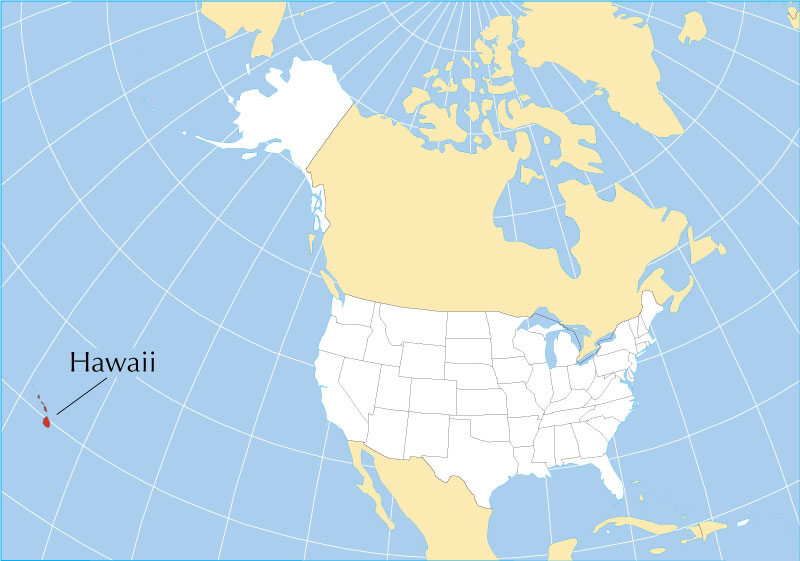
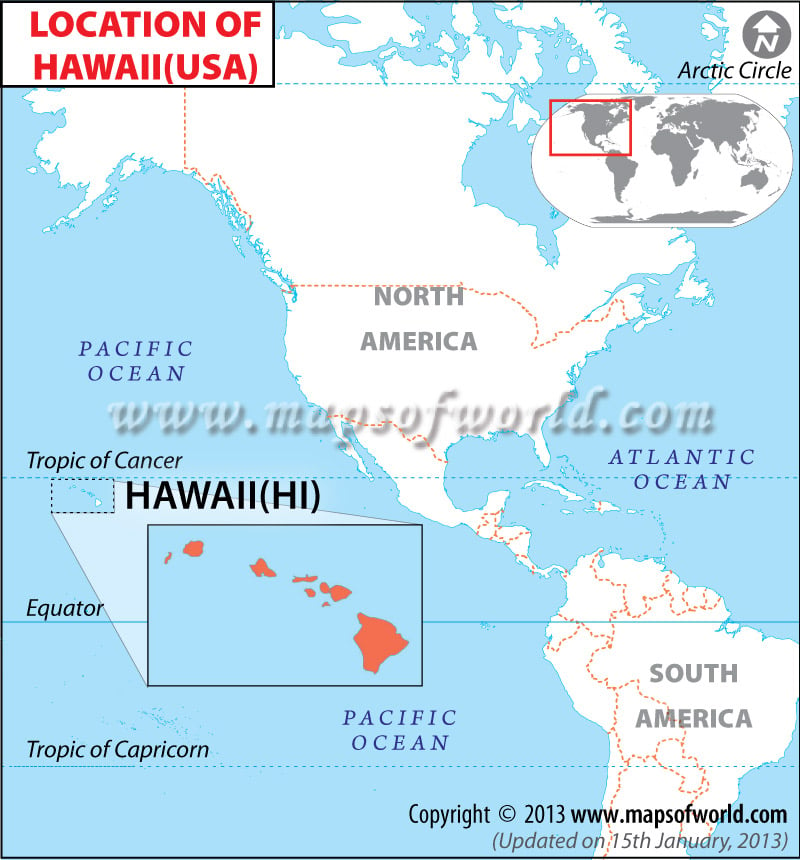
While Hawaii is undeniably part of the United States – its 50th state, in fact – its geographical placement tells a different story. Geographically speaking, Hawaii is not located on the North American continent. Instead, it lies deep within the vast expanse of the Pacific Ocean, thousands of miles southwest of the continental United States mainland. It is widely considered part of Oceania, a geographical region that encompasses thousands of islands across the central and southern Pacific Ocean, including island nations like Fiji, Tahiti, and New Zealand.
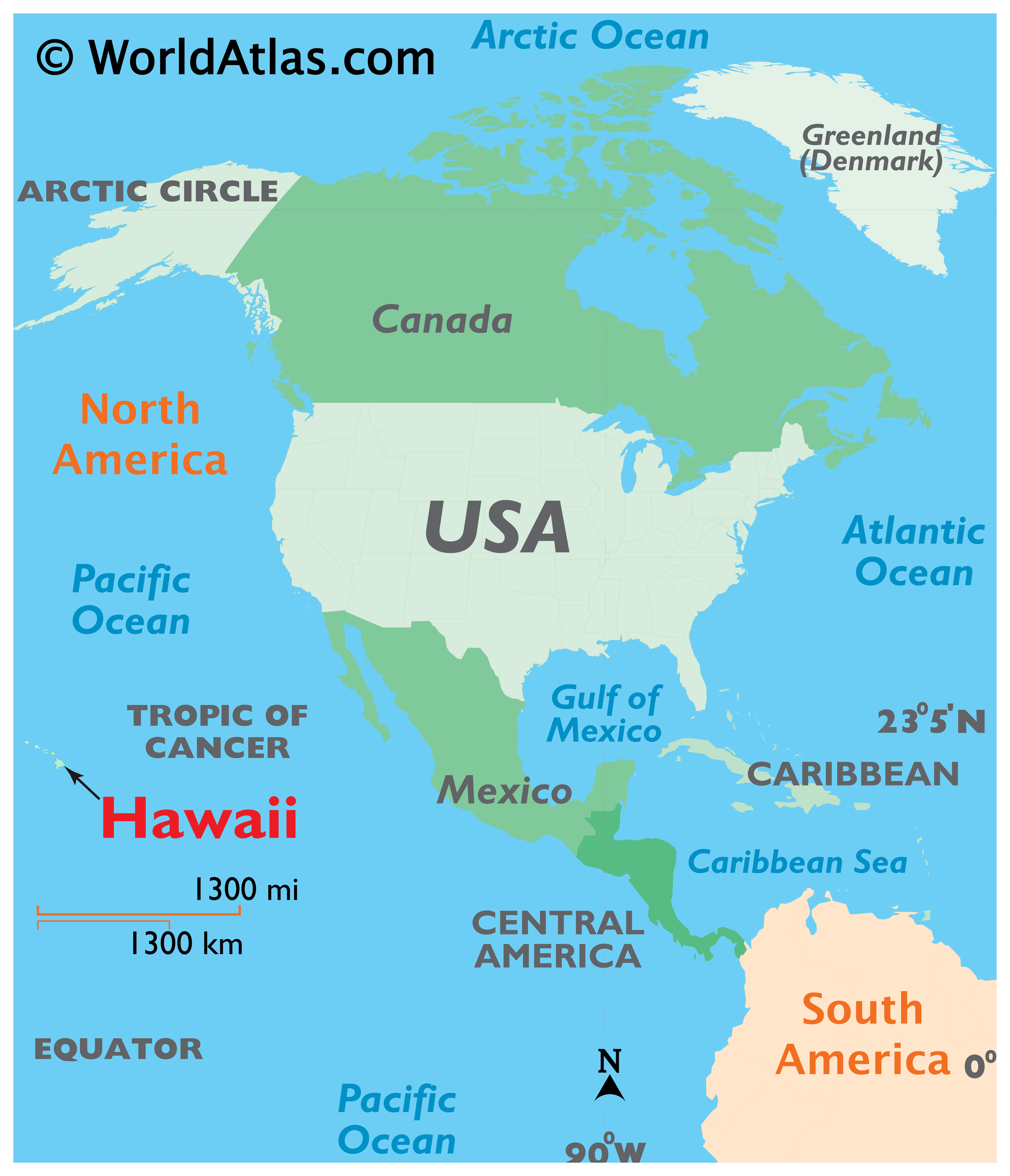
This distinction is crucial not just for cartographers but for anyone seeking to understand the true essence of Hawaii. It explains why the islands boast a unique ecosystem, a rich Polynesian heritage, and a distinct cultural flavor that sets them apart from the continental United States. From its volcanic origins to its ancient traditions and vibrant modern lifestyle, Hawaii offers an immersive experience that is truly unlike any other American destination, making it a compelling subject for travel guides, luxury resort insights, and explorations of local culture.
Unpacking Hawaii’s Geographical Identity
The first step in understanding Hawaii is to recognize its unique position on the global map. Far from any continental landmass, the Hawaiian archipelago is a marvel of geological forces and a testament to the power of nature.
The Tectonic Truth: An Oceanic Hotspot
The Hawaiian Islands are the exposed peaks of an immense undersea mountain range, formed by volcanic activity originating from a geological “hotspot” deep within the Earth’s mantle. Unlike most volcanoes that form at tectonic plate boundaries, the Hawaiian hot spot has remained relatively stationary while the Pacific Plate slowly drifts northwestward over it. This movement has created a chain of islands, with the youngest and most volcanically active islands, like the Big Island of Hawaii, at the southeastern end of the chain, and progressively older, more eroded islands stretching northwest. This continuous geological process makes Hawaii Volcanoes National Park on the Big Island a living classroom for understanding Earth’s dynamic forces, drawing countless tourists fascinated by its active lava flows and unique volcanic landscapes.
This oceanic hotspot theory firmly places Hawaii in the category of oceanic islands, distinct from continental islands which are typically fragments of continents or located on continental shelves. This fundamental geological difference is a primary reason why Hawaii is geographically part of Oceania, not North America. Its isolation, roughly 2,400 miles from California and even further from Asia, has also led to the evolution of incredibly unique flora and fauna, many of which are endemic to the islands. For travelers, this means an unparalleled opportunity to explore ecosystems found nowhere else on Earth, making conservation and eco-tourism crucial aspects of any visit.
Political Ties vs. Geographic Location
Despite its geographical placement in Oceania, Hawaii has been a state of the United States since August 21, 1959. This political affiliation brings with it all the conveniences of domestic travel for U.S. citizens – no passports required, common currency (U.S. Dollar), and familiar legal frameworks. This administrative link to North America often leads to the understandable confusion about its geographical classification.
However, it’s essential to differentiate between political boundaries and geographical realities. Just as Puerto Rico is a U.S. territory but geographically part of the Caribbean and thus North America, Hawaii’s status as a U.S. state does not magically shift it to the North American continent. This dual identity makes Hawaii particularly intriguing: it offers the ease of domestic travel with the allure of an exotic, South Pacific-esque destination. This blend is a significant draw for the millions who seek its shores, knowing they can experience a distinctly Pacific island culture while enjoying the infrastructure and consumer protections associated with the United States.
A Melting Pot of Culture and History
The geographical isolation of Hawaii directly influenced its cultural development, fostering a heritage deeply rooted in Polynesian voyaging and later enriched by waves of immigration. This rich tapestry is what truly defines the Hawaiian experience, offering a profound sense of place that goes beyond sun and sand.
Ancient Roots: The Polynesian Legacy
The first inhabitants of Hawaii were Polynesian navigators who, remarkably, journeyed thousands of miles across the open Pacific Ocean in double-hulled canoes between 400 and 800 A.D. These master seafarers brought with them their distinct language, customs, agricultural practices, and spiritual beliefs, laying the foundation for a vibrant and sophisticated Hawaiian society. Their legacy is evident everywhere, from the ancient heiau (temples) scattered across the islands to the rhythmic movements of hula and the melodic sounds of traditional Hawaiian music.
The concept of “Aloha” is perhaps the most enduring symbol of Polynesian culture – a philosophy encompassing love, peace, compassion, and mutual respect. This spirit permeates daily life and forms the bedrock of the tourism industry, welcoming visitors with warmth and genuine hospitality. Travelers eager to immerse themselves in this ancient culture can attend authentic luaus, visit historical sites like Pu’uhonua o Honaunau National Historical Park on the Big Island, or explore the Polynesian Cultural Center on Oahu, which offers a comprehensive glimpse into the various Pacific island cultures. Understanding these roots helps visitors appreciate the depth and resilience of Hawaiian identity, moving beyond superficial tourist experiences to more meaningful encounters.
Modern Influences and Unique Traditions
While Polynesian heritage remains central, Hawaii’s culture has been profoundly shaped by subsequent waves of immigration. Following Captain James Cook’s arrival in 1778, European and American influences brought about significant changes, including the establishment of the sugar cane and pineapple industries. These industries, in turn, led to the arrival of laborers from China, Japan, the Philippines, Portugal, and other nations, each contributing their traditions, languages, and culinary practices to the islands.
Today, Hawaii is celebrated as one of the most ethnically diverse places on Earth. This “melting pot” culture is beautifully expressed in the local cuisine, which blends Pacific Rim flavors with Asian, European, and American influences. Dishes like poke, kalua pig, and shave ice are iconic, offering a delicious journey through the islands’ history. Festivals celebrating various cultures, from Chinese New Year parades to Japanese Obon dances, are common occurrences, showcasing the vibrant multiculturalism that defines modern Hawaii. This rich blend ensures that travelers interested in local culture will find an endless array of experiences, from culinary tours to art galleries and historical museums that tell the story of this unique confluence of traditions.
Why Hawaii Remains a Top-Tier Travel Destination
Beyond its intriguing geographical and cultural identity, Hawaii’s enduring appeal as a top-tier travel destination lies in its unparalleled natural beauty, diverse range of activities, and the pervasive spirit of Aloha that greets every visitor. It caters to a wide spectrum of travelers, from adventure seekers to those simply looking for relaxation.
Diverse Landscapes and Natural Wonders
Each Hawaiian island possesses its own distinct personality and breathtaking natural attractions. Oahu, often called “The Gathering Place,” is home to the bustling capital city of Honolulu and the world-famous Waikiki Beach, alongside iconic landmarks like Diamond Head and the historically significant Pearl Harbor. Its blend of urban vibrancy and natural beauty makes it a popular first stop for many.
Maui, “The Valley Isle,” offers a more laid-back vibe with its stunning road to Hana, the majestic sunrise views from the summit of Haleakala National Park, and world-class surfing at Ho’okipa Beach Park. Its diverse microclimates provide everything from lush rainforests to arid volcanic landscapes. Kauai, “The Garden Isle,” is renowned for its dramatic, emerald-hued cliffs of the Napali Coast and the awe-inspiring Waimea Canyon, often called the “Grand Canyon of the Pacific.” It’s a paradise for hikers, kayakers, and those seeking unspoiled natural beauty.
Finally, the Big Island of Hawaii lives up to its name, offering an incredible variety of landscapes, from the active volcanoes of Hawaii Volcanoes National Park to snow-capped Mauna Kea, black sand beaches, and lush coffee plantations in Kona. Its sheer scale and geological dynamism make it a truly unique experience. These distinct island offerings mean that a single trip to Hawaii can encompass multiple, vastly different adventures.
From Pristine Beaches to Volcanic Peaks
Hawaii is a playground for all types of outdoor enthusiasts. Its world-renowned beaches, like those in Maui’s Kaanapali or Oahu’s North Shore, invite visitors to swim, snorkel, surf, and simply relax under the warm tropical sun. The vibrant coral reefs teem with marine life, making snorkeling and scuba diving unforgettable experiences. Molokini Crater off Maui is a prime example of a celebrated snorkeling spot, known for its crystal-clear waters and abundant fish.
Beyond the shoreline, the islands offer extensive hiking trails through lush rainforests, past cascading waterfalls, and up challenging volcanic slopes. Imagine trekking through Haleakala National Park’s lunar-like landscape or exploring the verdant valleys of Kauai. Water sports abound, from paddleboarding and kayaking to deep-sea fishing and exhilarating whale watching tours during the winter months. For those seeking adventure, options range from zip-lining through canopies to helicopter tours offering unparalleled aerial views of the islands’ dramatic topography.
Experiencing the Aloha Spirit: Activities and Cuisine
No visit to Hawaii is complete without immersing oneself in the local culture and savoring its unique culinary delights. Beyond the beaches and natural wonders, the true magic of Hawaii lies in its people and their welcoming spirit. Attending a traditional luau is an essential experience, featuring kalua pig cooked in an imu (underground oven), poi, and lively hula performances, offering a taste of ancient Hawaiian feast traditions.
The food scene in Hawaii is a highlight for many, reflecting its diverse cultural heritage. Fresh seafood is abundant, with poke bowls being a ubiquitous and delicious local favorite. Farmers’ markets burst with exotic fruits like lilikoi (passion fruit), guava, and papaya. Don’t forget to try Kona coffee, grown on the slopes of Hualalai and Mauna Loa on the Big Island, or a refreshing Maui Gold pineapple. Cooking classes, local food tours, and visiting historic towns like Lahaina on Maui offer deeper dives into the culinary landscape and historical context of the islands.
Planning Your Dream Hawaiian Escape
With its unique geography, rich culture, and diverse attractions, planning a trip to Hawaii requires thoughtful consideration to maximize your experience. Whether you’re a budget traveler or seeking ultimate luxury, there’s a Hawaiian adventure waiting for you.
Navigating Accommodation Options
Hawaii offers a comprehensive range of accommodation options to suit every preference and budget. For those seeking opulence and world-class service, luxury resorts like the Grand Hyatt Kauai Resort & Spa in Poipu or the Four Seasons Resort Maui at Wailea provide exquisite amenities, private beach access, and gourmet dining. These establishments often feature stunning infinity pools, award-winning spas, and curated experiences that define the high-end travel lifestyle.
Mid-range hotels and family-friendly resorts are abundant in popular areas like Waikiki, Kaanapali, and Kona, offering comfortable stays with amenities like pools, kids’ clubs, and convenient access to attractions. For travelers looking for more space, privacy, or an extended stay, vacation rentals, including apartments, villas, and beachfront bungalows, are a popular choice. Platforms for booking these accommodations allow for comparison and reviews, ensuring you find the perfect home away from home. Budget-conscious travelers can find hostels, guesthouses, and camping options, especially on islands like the Big Island and Kauai, allowing them to experience paradise without breaking the bank. Booking well in advance, especially during peak season, is always recommended to secure the best rates and availability.
Exploring the Islands: Getting Around and Must-See Landmarks
Inter-island travel is primarily via short flights on carriers like Hawaiian Airlines or Mokulele Airlines, making it easy to hop between Oahu, Maui, Kauai, and the Big Island. Renting a car on each island is highly recommended for exploring beyond the main tourist hubs, offering the freedom to discover hidden gems and scenic drives like the Road to Hana on Maui or the lush landscapes around Princeville on Kauai. Public transportation is limited outside of Honolulu.
When it comes to landmarks, the choices are vast. On Oahu, a visit to Pearl Harbor National Memorial is a poignant experience, alongside hiking up Diamond Head State Monument for panoramic views. Maui beckons with the sunrise at Haleakala National Park and the vibrant marine life at Molokini Crater. Kauai boasts the dramatic vistas of the Napali Coast (best seen by boat or helicopter) and the “Grand Canyon of the Pacific” at Waimea Canyon State Park. On the Big Island, Hawaii Volcanoes National Park offers a rare chance to witness active volcanic landscapes, while the stargazing opportunities atop Mauna Kea are unparalleled. Each island’s distinct offerings ensure that every itinerary can be tailored to specific interests, from historical exploration to natural adventure.
Tailoring Your Trip: Lifestyle Choices in Paradise
Hawaii’s versatility means it caters to almost every travel lifestyle.
- Luxury Travel: Indulge in five-star resorts, private villas on Lanai, gourmet dining experiences, and bespoke tours. Many resorts offer exclusive amenities like private cabanas, personal butlers, and world-class golf courses.
- Budget Travel: Utilize vacation rentals, local eateries, and free natural attractions like public beaches and hiking trails. Camping in state and national parks can also be a cost-effective way to experience the islands’ beauty.
- Family Trips: Resorts often provide extensive kids’ programs, family-friendly pools, and activities suitable for all ages. Theme parks like Wet’n’Wild Hawaii on Oahu offer additional entertainment.
- Business Stays: Honolulu hosts numerous conventions and conferences, with business-friendly hotels offering meeting facilities and convenient access to the city’s amenities.
- Adventure Seekers: Hawaii is a mecca for surfing, snorkeling, diving, hiking, and exploring volcanic landscapes. Each island offers unique adventures, from cliff jumping to ziplining.
- Romantic Getaways: Maui and Kauai are particularly popular for honeymoons and romantic escapes, with secluded beaches, sunset cruises, and intimate dining experiences.
Regardless of your travel style, a visit to Hawaii promises an enriching experience that combines breathtaking natural beauty with a profound cultural journey. Its unique status – politically American, geographically Oceanic – is precisely what makes it such a compelling and multifaceted destination. By understanding its true place in the world, travelers can embark on a more informed and deeply appreciative exploration of these enchanting islands, experiencing the full depth of their Aloha spirit.
LifeOutOfTheBox is a participant in the Amazon Services LLC Associates Program, an affiliate advertising program designed to provide a means for sites to earn advertising fees by advertising and linking to Amazon.com. Amazon, the Amazon logo, AmazonSupply, and the AmazonSupply logo are trademarks of Amazon.com, Inc. or its affiliates. As an Amazon Associate we earn affiliate commissions from qualifying purchases.