
The question of whether Hawaii Island is indeed “The Big Island” is a common one, and the answer is a resounding yes. In fact, the island is so colloquially known by this nickname that it’s often used interchangeably with its official name, creating a bit of geographic confusion for newcomers to the Hawaiian Islands. This vast and diverse landmass, the youngest and largest of the main Hawaiian Islands, truly lives up to its moniker. Spanning over 4,028 square miles, it’s larger than all the other Hawaiian Islands combined, offering an astonishing array of landscapes, from snow-capped mountains to black sand beaches, and a vibrant tapestry of culture and experiences that cater to every type of traveler.
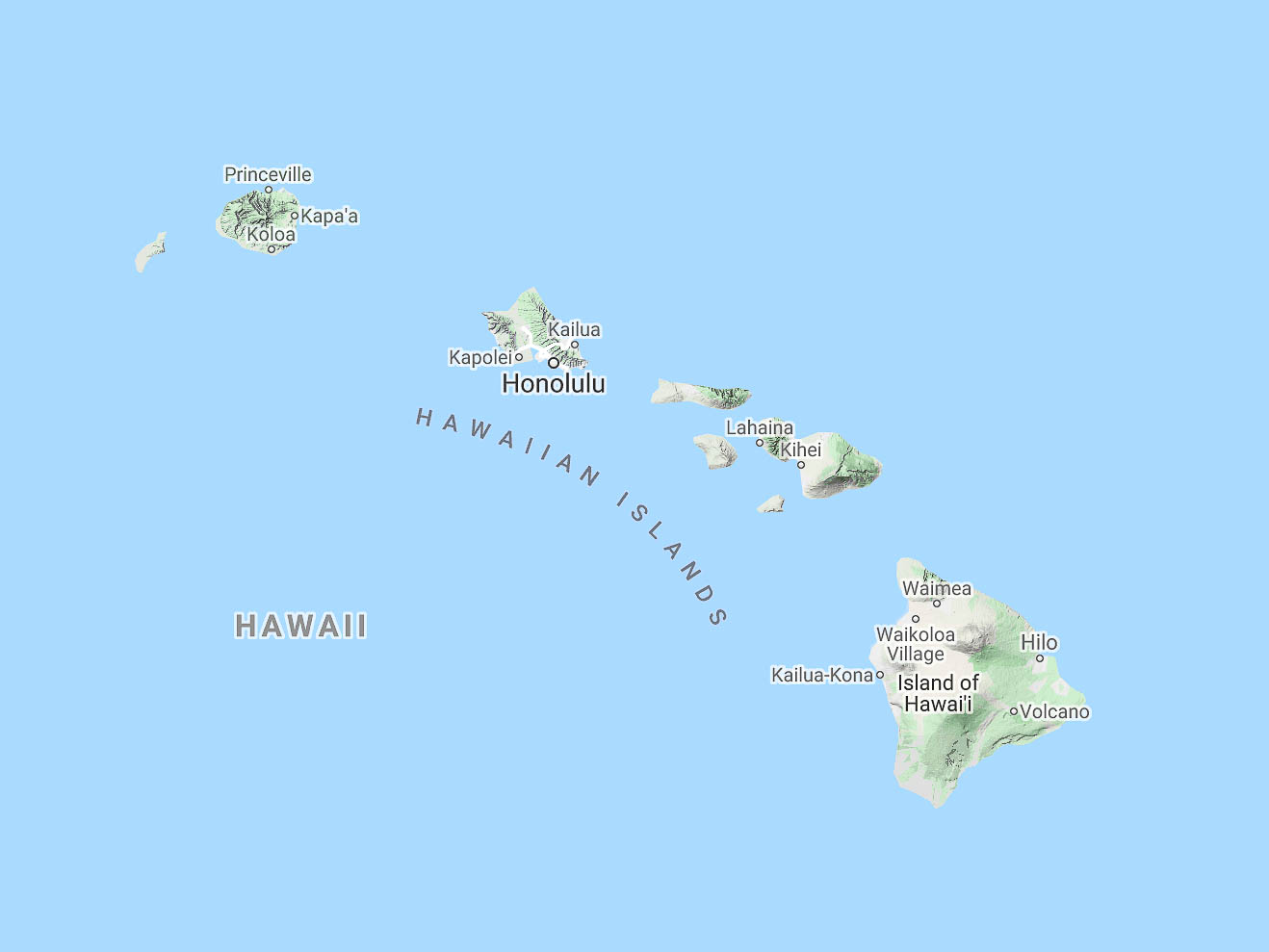
Understanding this distinction is crucial for anyone planning a trip to Hawaii. Many visitors, especially those unfamiliar with the archipelago, might mistakenly assume “The Big Island” refers to the entire state of Hawaii. However, it specifically denotes the southeasternmost and geologically youngest of the major islands. This island is a geological marvel, still actively growing thanks to the ongoing volcanic activity at Kilauea within Hawaii Volcanoes National Park. Its sheer size and varied terrain mean that exploring Hawaii Island requires a different approach than visiting its smaller, more densely populated neighbors like Oahu or Maui. Here, you’ll find yourself embarking on road trips that can span hours, uncovering hidden gems and iconic landmarks at every turn.
This article aims to demystify the geography and appeal of Hawaii Island, delving into its unique characteristics, the best ways to experience its wonders, and why it’s an unparalleled destination for a truly unforgettable journey. Whether you’re a seasoned adventurer or seeking a tranquil escape, “The Big Island” promises an experience unlike any other in Hawaii.
Exploring the Diverse Landscapes of Hawaii Island
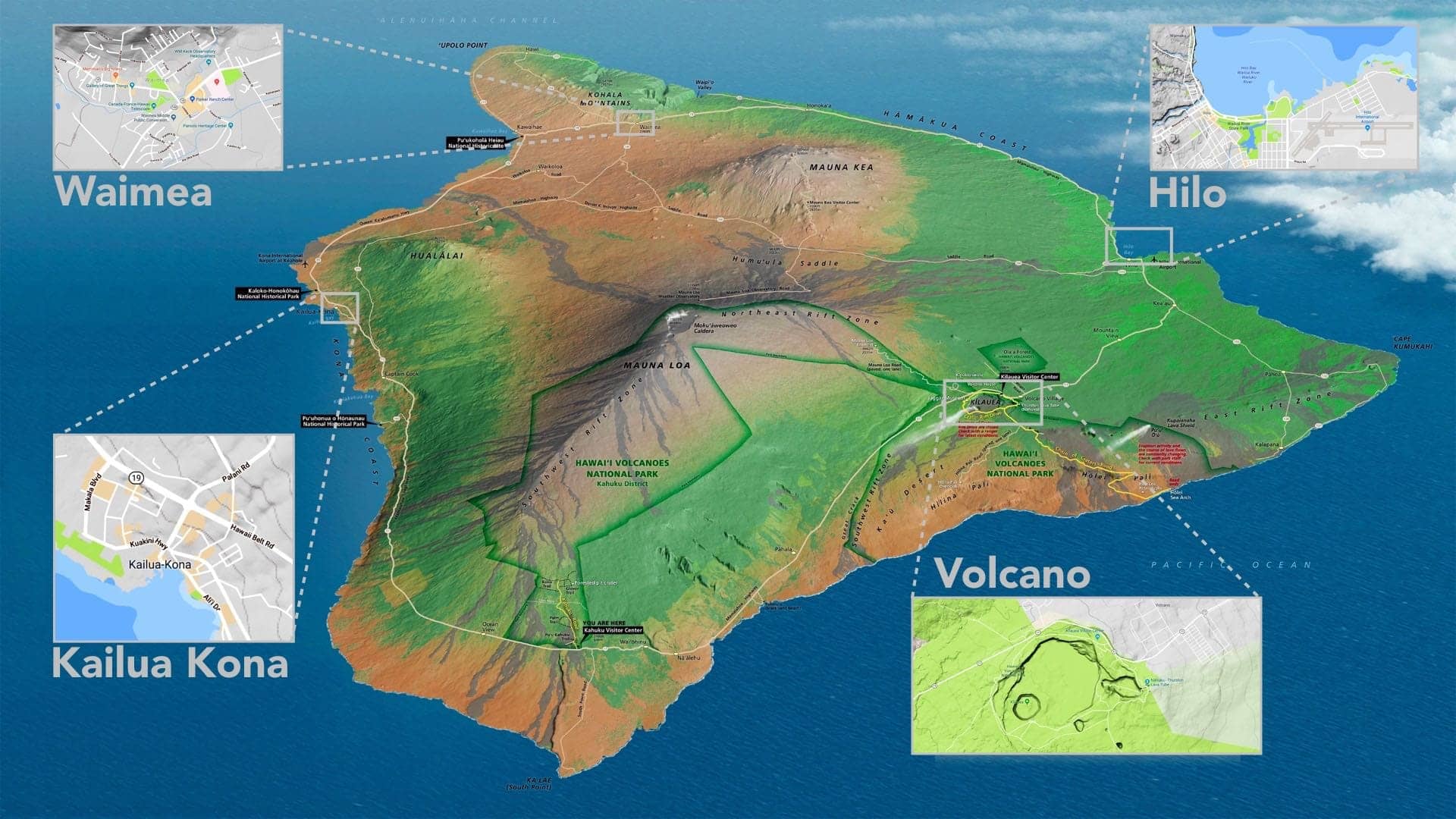
The sheer scale of Hawaii Island translates directly into an astonishing diversity of landscapes. This is an island where you can witness the raw power of creation and destruction, experience the lushness of tropical rainforests, and stand on the rim of a dormant volcano, all within a relatively short drive. The island’s geography is a direct result of its volcanic origins, with five distinct volcanoes shaping its contours.
The Majestic Volcanoes
At the heart of Hawaii Island‘s dramatic landscape are its volcanoes, the architects of its existence.
Mauna Kea
Dominating the northern skyline, Mauna Kea is the tallest mountain in Hawaii, and when measured from its base on the ocean floor, it is one of the tallest mountains in the world. This dormant volcano is not only a significant cultural site for Native Hawaiians, with its summit considered sacred, but also a premier location for astronomical observation due to its high altitude and dry, clear air. Visitors can drive up to the summit visitor information station, where on clear nights, the stargazing is unparalleled. The sheer scale of Mauna Kea is breathtaking, offering panoramic views that stretch across the island and out to the vast Pacific Ocean. The contrast of its summit, often dusted with snow during winter months, against the tropical backdrop is a surreal and unforgettable sight.
Mauna Loa
As the world’s largest active volcano by volume, Mauna Loa is another titan that shapes Hawaii Island. Its massive, gently sloping shield volcano covers half of the island. While not as frequently active as Kilauea, Mauna Loa has a history of significant eruptions. Its presence is felt throughout the island, and driving its slopes offers a profound sense of the immense geological forces at play. The Mauna Loa Observatory, located on its slopes, is another key site for atmospheric research.
Kilauea
Kilauea is perhaps the most famous of the island’s volcanoes, renowned for its persistent and dramatic activity. As the youngest and most active volcano in Hawaii, it is a central focus of Hawaii Volcanoes National Park. Witnessing the glow of lava, the steam vents, and the vast craters is a humbling experience that showcases the Earth’s creative and destructive power firsthand. The park offers numerous hiking trails and viewing areas, allowing visitors to safely explore this dynamic environment. The park itself is a UNESCO World Heritage Site, a testament to its global significance.
Kohala
The oldest of the five volcanoes, the Kohala massif, forms the northwestern part of the island. Its slopes are now heavily eroded and covered in lush vegetation, creating dramatic valleys and cliffs that contrast sharply with the more recent volcanic landscapes. The Waipio Valley, carved into the Kohala Mountains, is a stunning example of this, a sacred and historically significant place accessible by a steep, unpaved road or guided tour.
Hualalai
Located south of Kohala and west of Mauna Loa, Hualalai is the third most active volcano on Hawaii Island. While its eruptions are less frequent than Kilauea‘s, it has a history of significant lava flows that have impacted coastal areas.
Contrasting Climates and Coastlines
The varied topography of Hawaii Island creates a remarkable array of microclimates, from the arid lava fields of Kona to the rainforests of Hilo. This diversity extends to its coastlines, offering a spectrum of beach experiences.
The western side of the island, known as Kona, is characterized by its sunny weather, lava rock formations, and famous coffee plantations. Here, you’ll find picturesque bays perfect for snorkeling and diving, and a drier climate that supports the island’s renowned coffee crops. The famous Kona coffee is a must-try for any visitor.
In stark contrast, the eastern side, dominated by Hilo, receives significantly more rainfall, fostering incredibly lush tropical environments. This is where you’ll find cascading waterfalls, verdant botanical gardens, and the vibrant colors of hibiscus flowers. The famous Akaka Falls and the Hawaii Tropical Bioreserve & Garden are prime examples of this lush beauty.
The beaches on Hawaii Island are equally varied. From the world-famous black sand beach of Punalu’u, where you can often spot endangered Hawaiian green sea turtles basking in the sun, to the pristine white sands of Hapuna Beach State Recreation Area, a popular spot for swimming and sunbathing, there’s a beach for every preference. For those seeking a truly unique experience, the green sand beach of Papakolea, one of only a handful in the world, is a remarkable natural wonder, formed by olivine crystals.
Immersive Experiences and Cultural Encounters
Beyond its breathtaking natural beauty, Hawaii Island offers a rich tapestry of cultural experiences and activities that allow visitors to connect with the spirit of Aloha. The island’s history is deeply intertwined with its Polynesian roots, and this heritage is celebrated through various traditions, festivals, and historical sites.
Delving into Local Culture and History
Understanding the history of Hawaii Island provides a deeper appreciation for its present-day attractions. The island was a significant center for the ancient Hawaiian monarchy, and remnants of this past can be seen at historical sites like the Pu’uhonua o Honaunau National Historical Park, a former place of refuge. This sacred site offers a glimpse into ancient Hawaiian law and custom, allowing visitors to walk among ancient temples and learn about the traditions of the past.
The Polynesian Voyaging Society, dedicated to preserving and perpetuating the art of traditional Polynesian wayfinding, is also deeply connected to Hawaii Island. Experiencing a traditional Luau is a quintessential Hawaiian experience, offering a chance to savor authentic Hawaiian cuisine, witness mesmerizing hula performances, and learn about the island’s storytelling traditions. Many such events take place at resorts across the island, offering a taste of local hospitality and entertainment.
Culinary Adventures and Local Flavors
The culinary scene on Hawaii Island is as diverse as its landscapes, influenced by its multicultural population and abundant local produce. From fresh seafood to unique island fruits, there’s a gastronomic adventure waiting for every palate.
Kona coffee is, of course, a highlight. Visiting a coffee farm in the Kona district allows you to learn about the cultivation and roasting process, culminating in a tasting of this world-renowned brew. Beyond coffee, the island is a paradise for foodies. Trying fresh, locally caught fish prepared in various styles, from poke to grilled preparations, is a must. The island’s fertile volcanic soil also yields an abundance of tropical fruits like papaya, mango, and pineapple, often found in local markets and restaurants.
For a truly authentic experience, seek out local eateries and food trucks that serve up traditional Hawaiian dishes like laulau (pork and taro leaves steamed in ti leaves), kalua pig, and poi. The abundance of farm-to-table dining options means that you can enjoy the freshest ingredients prepared with a unique Hawaiian flair.
Thrilling Activities and Natural Wonders
Hawaii Island caters to the adventurous spirit with a wide range of activities that allow you to explore its natural wonders up close.
For those seeking an adrenaline rush, there are opportunities for zip-lining through lush rainforests, scuba diving and snorkeling in crystal-clear waters teeming with marine life, and even helicopter tours that offer unparalleled aerial views of volcanoes and coastlines.
The island’s unique geological formations also offer distinct experiences. Exploring the lava tubes, remnants of ancient lava flows, provides a fascinating glimpse into the island’s volcanic past. For a truly once-in-a-lifetime experience, consider a guided tour to witness the active lava flows of Kilauea (when conditions permit and safely accessible), a spectacle of raw geological power.
Night diving and snorkeling are popular in Kona, particularly to witness the majestic manta rays that are attracted to the plankton stirred up by boat lights. This is an unforgettable encounter with some of the ocean’s most graceful giants.
Planning Your Trip to The Big Island
With its immense size and diverse offerings, planning a trip to Hawaii Island requires careful consideration to maximize your experience. Understanding the best times to visit, how to get around, and where to stay can make all the difference in creating a seamless and memorable vacation.
Getting Around and Accommodation Options
Given Hawaii Island‘s vastness, renting a car is essential for exploring its many attractions. Public transportation is limited, and the distances between key areas can be significant. A rental car will give you the flexibility to venture off the beaten path and discover hidden gems at your own pace.
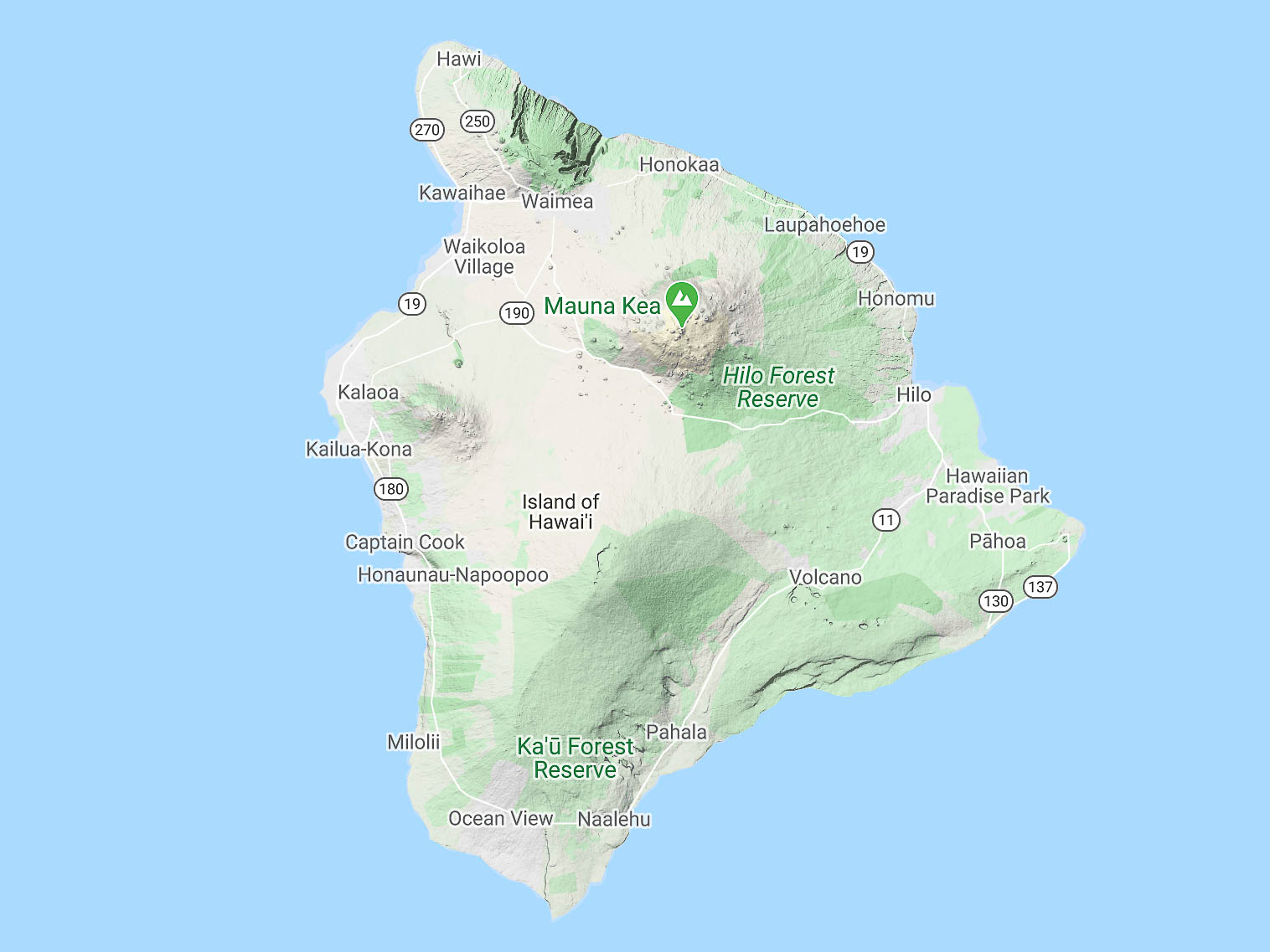
Accommodation on Hawaii Island ranges from luxurious resorts to charming bed and breakfasts and vacation rentals. Major tourist hubs include Kona on the west coast, known for its sunny weather and beautiful beaches, and Hilo on the east coast, which offers a gateway to lush rainforests and waterfalls. Visitors can choose to stay in one central location and take day trips, or opt to split their time between different regions to experience the island’s diverse climates and landscapes.
For those seeking a more immersive experience, consider staying in vacation rentals or apartments, especially for longer stays, which can provide a more local feel and amenities like kitchens. Luxury resorts often offer extensive amenities, including spas, multiple dining options, and direct beach access. Budget travelers can find more affordable guesthouses and smaller hotels.
Best Times to Visit and Travel Tips
Hawaii Island enjoys pleasant weather year-round, making it a viable destination at any time. However, certain periods offer distinct advantages. The dry season, from April to October, is ideal for beach activities and outdoor exploration. The winter months, from November to March, bring cooler temperatures and occasional rain, especially on the Hilo side, but also offer the chance to see snow on Mauna Kea and migrating whales off the coast.
When packing, be prepared for a variety of climates. Light, breathable clothing is suitable for the tropical lowlands, but warmer layers are necessary for higher altitudes like Mauna Kea. Comfortable walking shoes are a must for exploring parks and historical sites. Don’t forget reef-safe sunscreen, a hat, and insect repellent.
It’s also advisable to book accommodations and rental cars in advance, especially during peak travel seasons. Familiarizing yourself with local customs and etiquette, such as the spirit of Aloha, will enhance your interactions with the local community. Respecting the natural environment, particularly sensitive volcanic areas and marine life, is paramount to preserving the island’s beauty for future generations.
In conclusion, Hawaii Island is not just “The Big Island” in name; it’s an island of immense scale, incredible diversity, and unparalleled experiences. From the fiery heart of its active volcanoes to the serene beauty of its tropical landscapes and the richness of its culture, this island offers a journey that is both grand and deeply personal. Whether you’re captivated by the raw power of nature or the gentle embrace of Aloha, Hawaii Island is a destination that will undoubtedly leave an indelible mark on your soul.